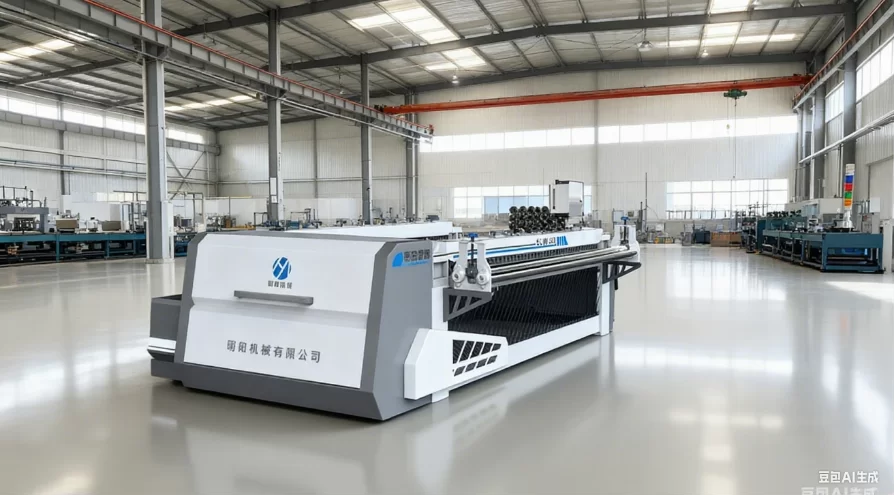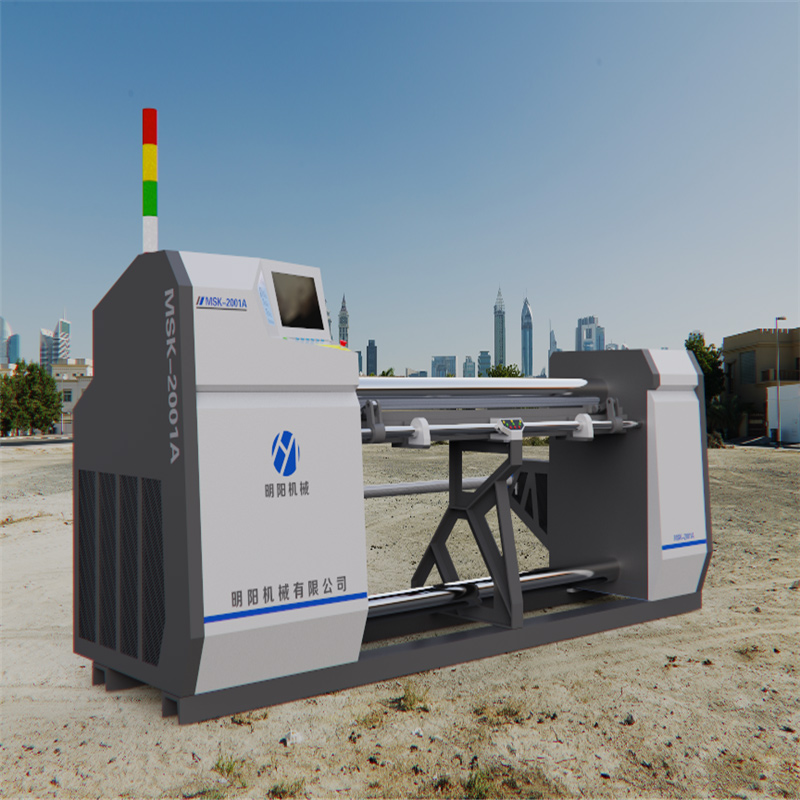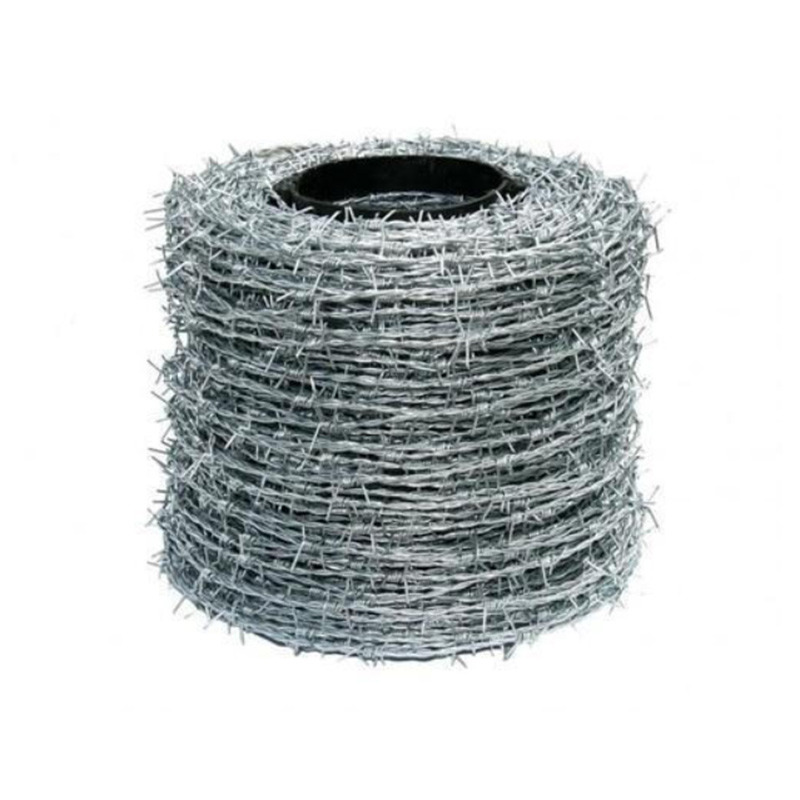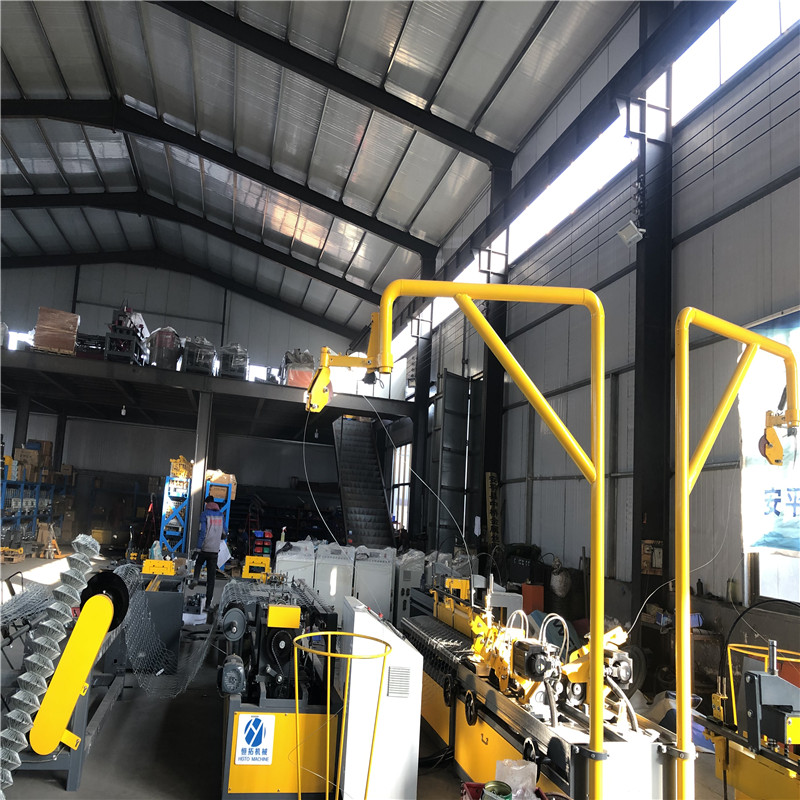

Kenya's manufacturing landscape is currently driven by rapid urbanization and a booming agricultural sector. The demand for high-security perimeter fencing has surged, leading to a transition from manual weaving to the adoption of the razor barbed wire machine to protect critical infrastructure and commercial estates in Nairobi and Mombasa.
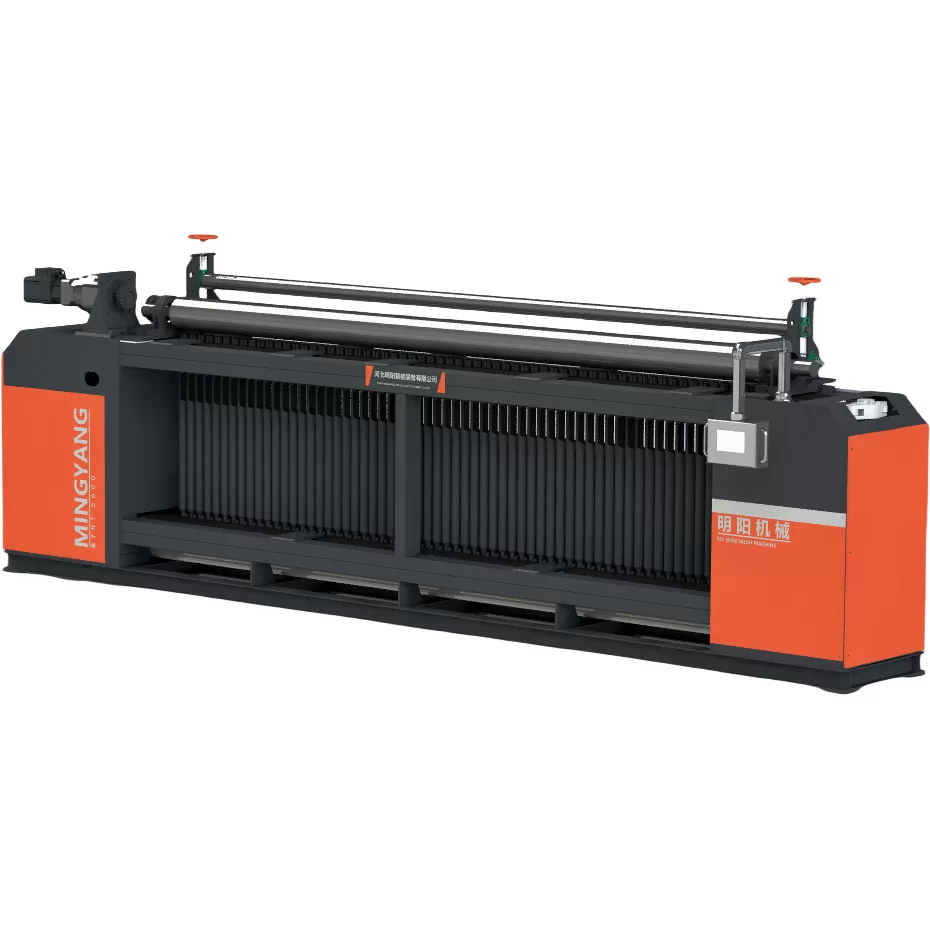
Geographically, the diverse terrain of the Rift Valley and coastal regions requires specialized soil stabilization and erosion control. This has created a significant market gap for the gabion machine, as the Kenyan government increases investment in road construction and riverbank reinforcement to combat seasonal flooding.
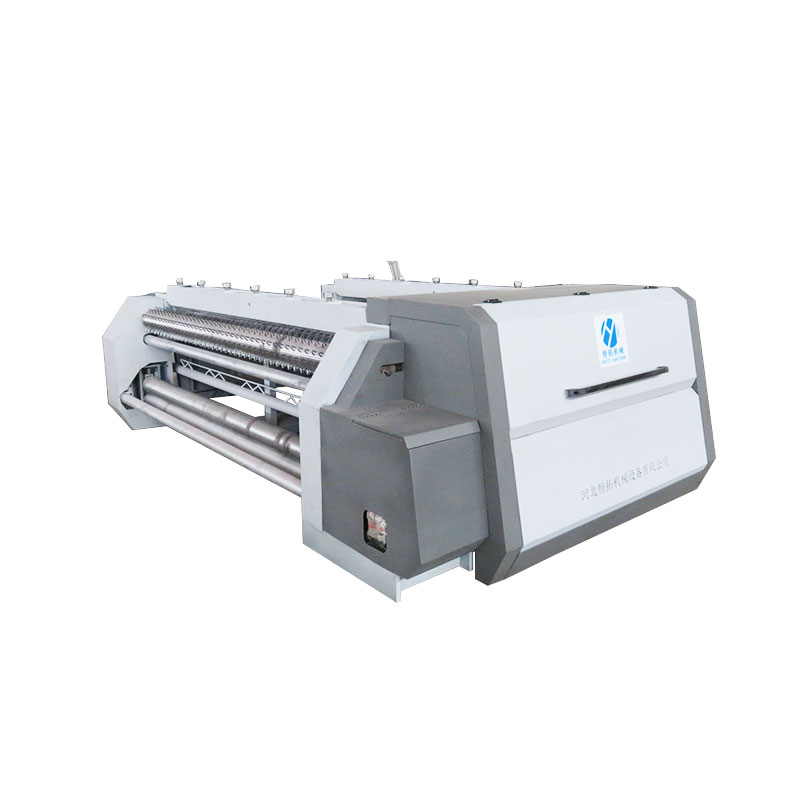
Furthermore, the livestock industry in rural Kenya is evolving. To manage large-scale cattle and goat farming more effectively, there is a growing shift toward mechanized production of fencing, specifically utilizing the grassland field fence machine to replace outdated, labor-intensive manual methods.