The global demand for sustainable infrastructure and erosion control has catapulted the gabion wire mesh machine into a position of critical importance. As urban expansion encroaches on fragile landscapes and climate change increases the frequency of floods and landslides, the ability to produce high-quality, durable gabion baskets at scale has become a priority for civil engineers and environmental agencies worldwide. Understanding the mechanics and capabilities of these machines is the first step in implementing effective soil stabilization and riverbank protection strategies.
Beyond mere production, the evolution of the gabion wire mesh machine represents a shift toward "green engineering." By enabling the creation of permeable structures that allow vegetation to grow through the mesh, these machines facilitate the construction of barriers that harmonize with the natural environment rather than fighting against it. This synergy between industrial manufacturing and ecological preservation is what makes the technology indispensable in the modern construction era.
For manufacturers and entrepreneurs, investing in an automated gabion wire mesh machine offers a pathway to significant operational efficiency. By reducing manual weaving errors and increasing the output of double-twisted hexagonal mesh, businesses can meet the rigorous standards of international infrastructure projects. This guide explores the technical nuances, global applications, and future trajectories of this essential industrial equipment.
Global Relevance of Gabion Wire Mesh Machine Technology
From a global perspective, the proliferation of the gabion wire mesh machine is closely linked to the rise in international infrastructure spending. Organizations like the World Bank and various UN-affiliated agencies emphasize the need for resilient infrastructure in developing nations to combat soil erosion and flash flooding. The ability to locally manufacture gabion mesh using automated machinery reduces transportation costs and allows for rapid response to environmental disasters.
The technical standard for these machines often follows ISO guidelines to ensure that the resulting mesh can withstand extreme pressure and corrosive environments. As coastal cities face rising sea levels, the demand for heavy-duty, zinc-coated, or PVC-coated mesh produced by a high-precision gabion wire mesh machine has surged, making it a cornerstone of modern hydraulic engineering.
Defining the Modern Gabion Wire Mesh Machine
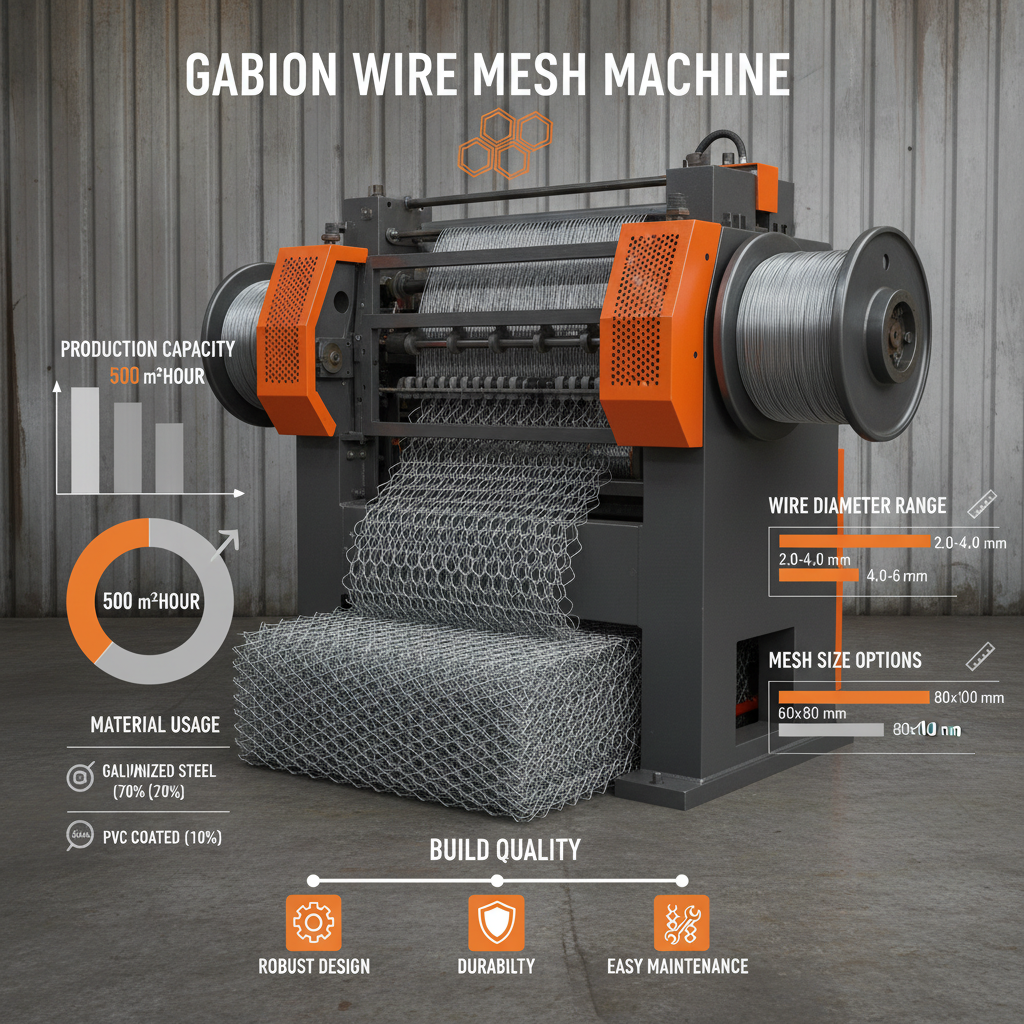
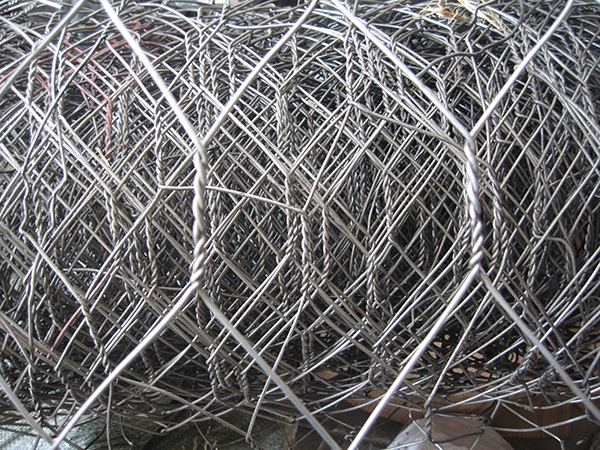
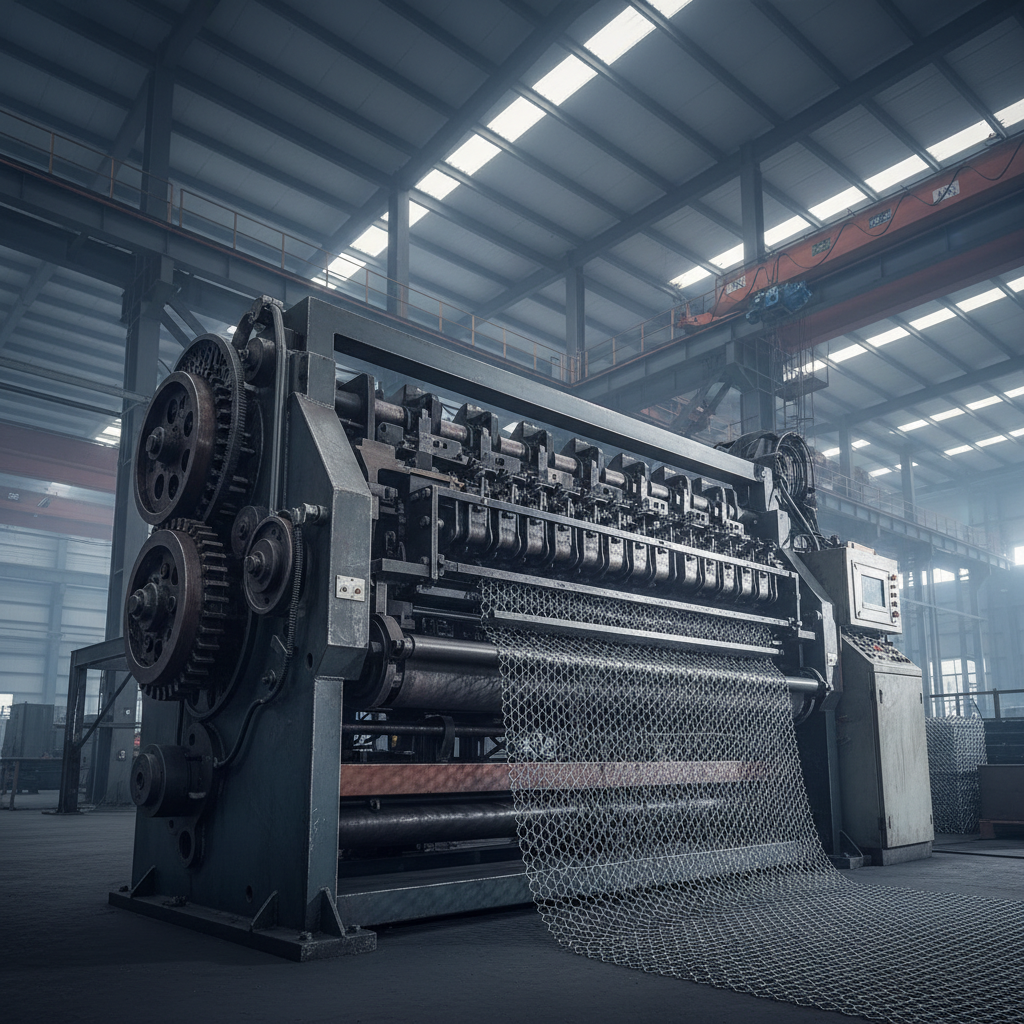
At its core, a gabion wire mesh machine is a specialized piece of industrial equipment designed to weave galvanized or coated steel wire into a hexagonal mesh pattern. Unlike standard fencing machines, these devices are engineered to create a "double-twist" weave. This unique architectural feature ensures that if a single wire is cut or broken, the mesh will not unravel, providing the structural integrity required to hold tons of rock in place for decades.
In modern industry, this machine bridges the gap between raw metallurgy and civil engineering. It transforms simple wire spools into complex, flexible cages that serve as the skeleton for retaining walls and mattresses. This transformation is vital for humanitarian needs, particularly in post-conflict or disaster-stricken zones where quick, sturdy, and low-cost barriers are needed to prevent further land degradation.
The versatility of the gabion wire mesh machine allows it to handle various wire diameters and mesh sizes, adapting to whether the project requires a decorative garden wall or a massive dam reinforcement system. This adaptability makes it a preferred choice for manufacturers serving both the commercial landscaping and heavy industrial sectors.
Core Components and Technical Factors
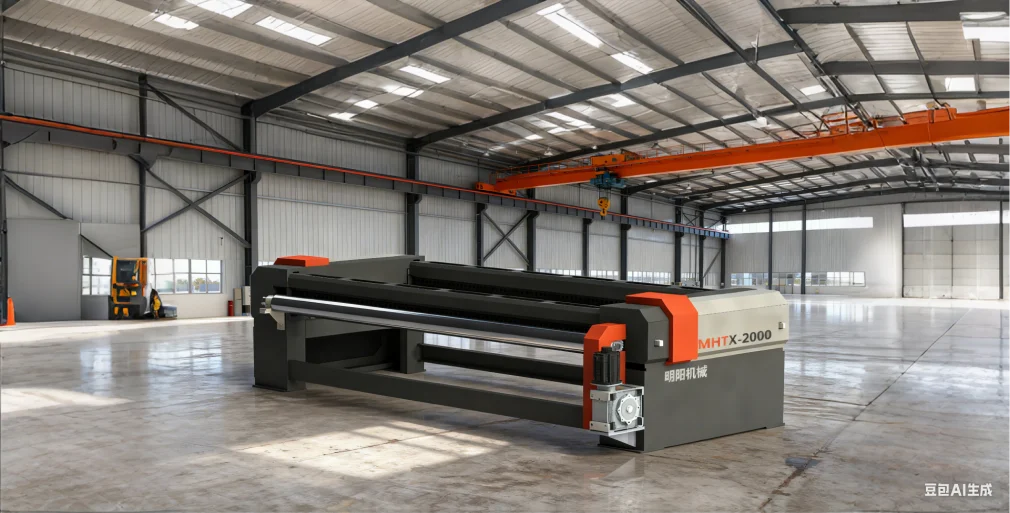
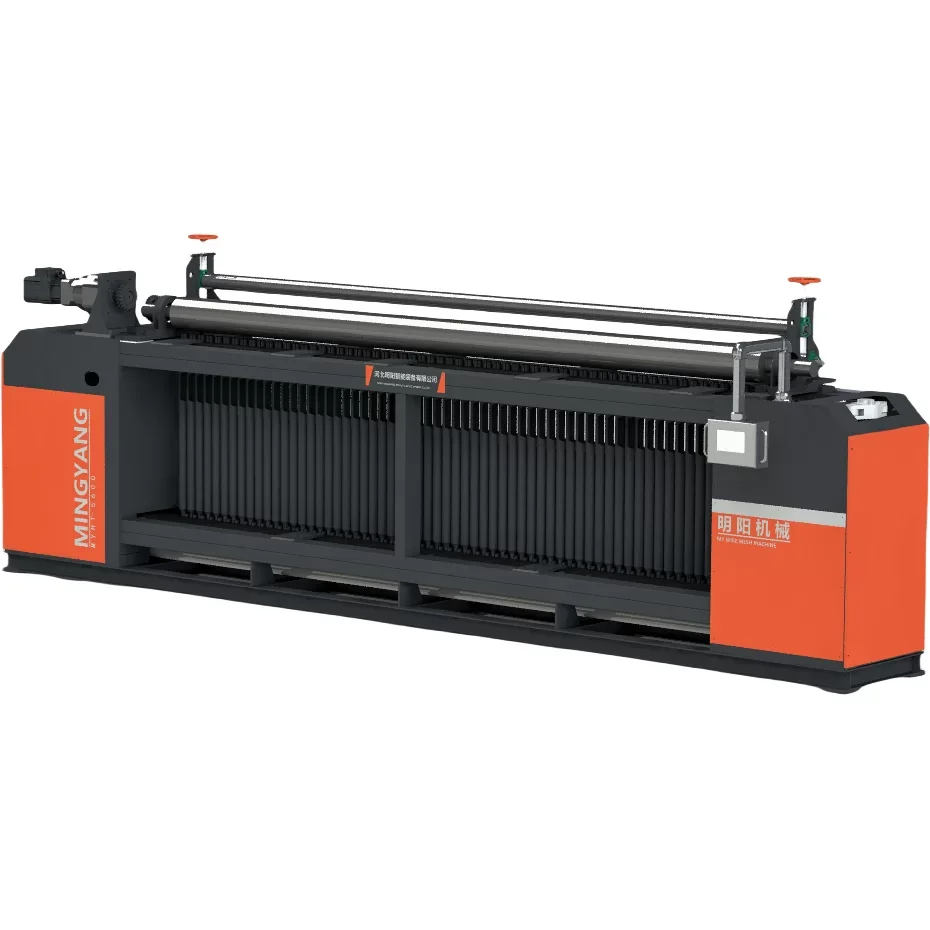
Durability is the primary benchmark for any gabion wire mesh machine. The chassis must be constructed from high-strength alloy steel to withstand the constant vibration and tension of the weaving process. High-quality bearings and precision-ground gears ensure that the machine maintains a consistent weave pattern over thousands of hours of operation, reducing downtime and material waste.
Scalability and speed are achieved through advanced PLC (Programmable Logic Controller) systems. A modern gabion wire mesh machine allows operators to adjust the mesh aperture and wire tension digitally. This means a factory can switch from producing 8x10cm mesh to 10x12cm mesh with minimal manual reconfiguration, significantly increasing the factory's agility in a competitive market.
Cost efficiency in the long run is derived from the machine's ability to handle diverse wire coatings. Whether working with hot-dipped galvanized wire or Galfan coatings, the gabion wire mesh machine must exert precise pressure to avoid scratching the protective layers. This precision prevents premature corrosion of the finished gabion baskets, ensuring the end-user receives a product with a lifespan of 50 to 100 years.
Global Applications and Use Cases
The real-world application of products from a gabion wire mesh machine spans across multiple continents. In the mountainous regions of Southeast Asia and South America, gabion walls are used extensively for road stabilization, preventing landslides that would otherwise cut off remote villages. These structures are preferred because they are flexible and can settle into the terrain without cracking, unlike rigid concrete walls.
In Europe and North America, the focus has shifted toward urban aesthetics and ecological restoration. Architects use gabion mesh for "living walls," where the baskets are filled with stone and interspersed with planting pockets. Furthermore, in river restoration projects, "gabion mattresses" produced by these machines are laid on riverbeds to prevent scour and protect bridge piers from the erosive force of rushing water.
Efficiency Comparison of Gabion Production Methods
Long-Term Value and Sustainability Advantages
The long-term value of investing in a gabion wire mesh machine extends beyond profit margins; it is rooted in sustainability. Gabions are inherently more eco-friendly than concrete walls because they require no cement, reducing the overall carbon footprint of a construction project. Moreover, the permeability of the mesh allows for natural drainage, preventing the buildup of hydrostatic pressure that often leads to the failure of solid retaining walls.
From a social impact perspective, the adoption of these machines empowers local economies. By establishing small-to-medium scale production facilities using an efficient gabion wire mesh machine, regions can create jobs in both manufacturing and the subsequent installation of erosion control systems. This creates a cycle of local resilience and economic independence, fostering trust in community-led infrastructure development.
Future Trends in Wire Mesh Automation
The future of the gabion wire mesh machine is being shaped by the Industrial Internet of Things (IIoT). We are seeing the integration of smart sensors that monitor wire tension in real-time, automatically adjusting the feed rate to prevent wire breakage. This "smart weaving" approach minimizes waste and ensures a level of uniformity that was previously impossible with traditional mechanical systems.
Another significant trend is the exploration of new materials. While galvanized steel remains the standard, there is growing interest in stainless steel and high-tenacity polymer-coated wires for extreme marine environments. Modern gabion wire mesh machines are being redesigned with specialized rollers and tensioners to handle these stiffer or more delicate materials without compromising the double-twist structure.
Furthermore, the push toward "Zero Waste" manufacturing is leading to the development of machines that can automatically trim and recycle edge scraps. By integrating automation with sustainable material handling, the next generation of gabion wire mesh machine technology will not only be faster but will align perfectly with global ESG (Environmental, Social, and Governance) goals.
Overcoming Operational Challenges and Solutions
Despite their efficiency, operators of a gabion wire mesh machine often face challenges such as wire snapping and inconsistent mesh aperture. Wire snapping is usually a result of poor-quality raw materials or improper tension settings. The solution lies in implementing a rigorous raw material inspection process and utilizing machines with electronic tension control systems that react instantly to variations in wire thickness.
Another common hurdle is the wear and tear of the weaving needles and guides. Because the machine operates under high tension, friction can lead to gradual deformation of the components, resulting in skewed mesh patterns. Expert maintenance schedules, including the use of automated lubrication systems and the timely replacement of wear parts, are essential to maintaining the precision of the gabion wire mesh machine.
Finally, the transition from manual to fully automated production can be daunting for smaller factories. The solution is the adoption of modular machinery that allows for a phased upgrade. By starting with a semi-automatic gabion wire mesh machine and gradually adding automated cutting and bundling units, businesses can scale their production without overwhelming their workforce or their budget.
Analysis of Technical Performance and Maintenance Requirements
| Metric Dimension |
Standard Machine |
Premium Auto Machine |
Impact on Output |
| Weaving Precision |
Moderate (±2mm) |
High (±0.5mm) |
Reduces waste by 15% |
| Daily Capacity |
500-800 meters |
2000+ meters |
Triples production rate |
| Energy Usage |
High (Older Motors) |
Low (Inverter Drive) |
Cuts power costs by 20% |
| Labor Requirement |
3-4 Operators |
1 Operator |
Significant labor saving |
| Maintenance Cycle |
Weekly Manual Oil |
Monthly Auto-Check |
Increases uptime by 12% |
| Wire Compatibility |
Galvanized Only |
Multi-coating Support |
Expands market reach |
FAQS
The primary difference is the weaving technique. A gabion wire mesh machine specifically produces a "double-twist" hexagonal weave. This design ensures that the mesh remains stable even if a wire is severed, which is critical for baskets holding heavy rocks. Standard fence machines typically produce a single-twist or welded pattern that would unravel or fail under the extreme internal pressure of a gabion structure.
For modern automated machines, basic operation can be learned in 3-5 days. However, mastering the nuances of wire tension adjustment and troubleshooting the weaving mechanism typically takes 2-4 weeks of supervised practice. We recommend a comprehensive training program that covers both the PLC digital interface and the mechanical maintenance of the weaving heads to ensure maximum machine longevity.
Yes, most professional gabion wire mesh machines are adjustable. By changing the guides and adjusting the settings on the control panel, operators can vary the mesh aperture (e.g., from 60x80mm to 100x120mm). Some high-end models offer quick-change modules that allow for rapid switching between different specifications without requiring a total mechanical overhaul.
The most frequent issues include wear on the weaving needles, lubrication failure in the main drive gears, and tensioning spring fatigue. To prevent these, it is crucial to implement a daily cleaning routine to remove metal shavings and a weekly lubrication schedule. Replacing worn guides before they cause wire scratches is also key to maintaining the quality of the galvanized coating.
Absolutely. While the initial investment is higher than manual methods, the reduction in labor costs and the increase in production speed lead to a rapid Return on Investment (ROI). Automated machines eliminate human error and material waste, allowing small businesses to bid on larger government contracts that require strict adherence to ISO quality standards.
The machine itself doesn't determine the corrosion resistance, but its precision does. Use a gabion wire mesh machine that can handle PVC-coated or Galfan-coated wire without damaging the surface. Any scratch on the coating during the weaving process becomes a point of failure in salt water. High-precision machines with smooth-gliding components are essential for marine-grade products.
Conclusion
In summary, the gabion wire mesh machine is far more than a piece of industrial hardware; it is an enabling technology for global environmental stability and infrastructure resilience. By combining high-precision double-twist weaving with automated control systems, these machines allow for the mass production of sustainable erosion control solutions that protect our coastlines, roads, and riverbeds. The integration of durable materials and smart manufacturing ensures that the resulting gabions provide lifelong security and ecological harmony.
Looking forward, the industry will likely see a deeper integration of AI-driven quality control and a shift toward even more sustainable, recyclable wire materials. For manufacturers, the path to success lies in upgrading to high-efficiency, low-waste machinery that can adapt to the evolving demands of green engineering. We encourage businesses to embrace this technological evolution to remain competitive in an era where sustainability is the primary driver of industrial growth. Visit our website: www.htmeshmachines.com