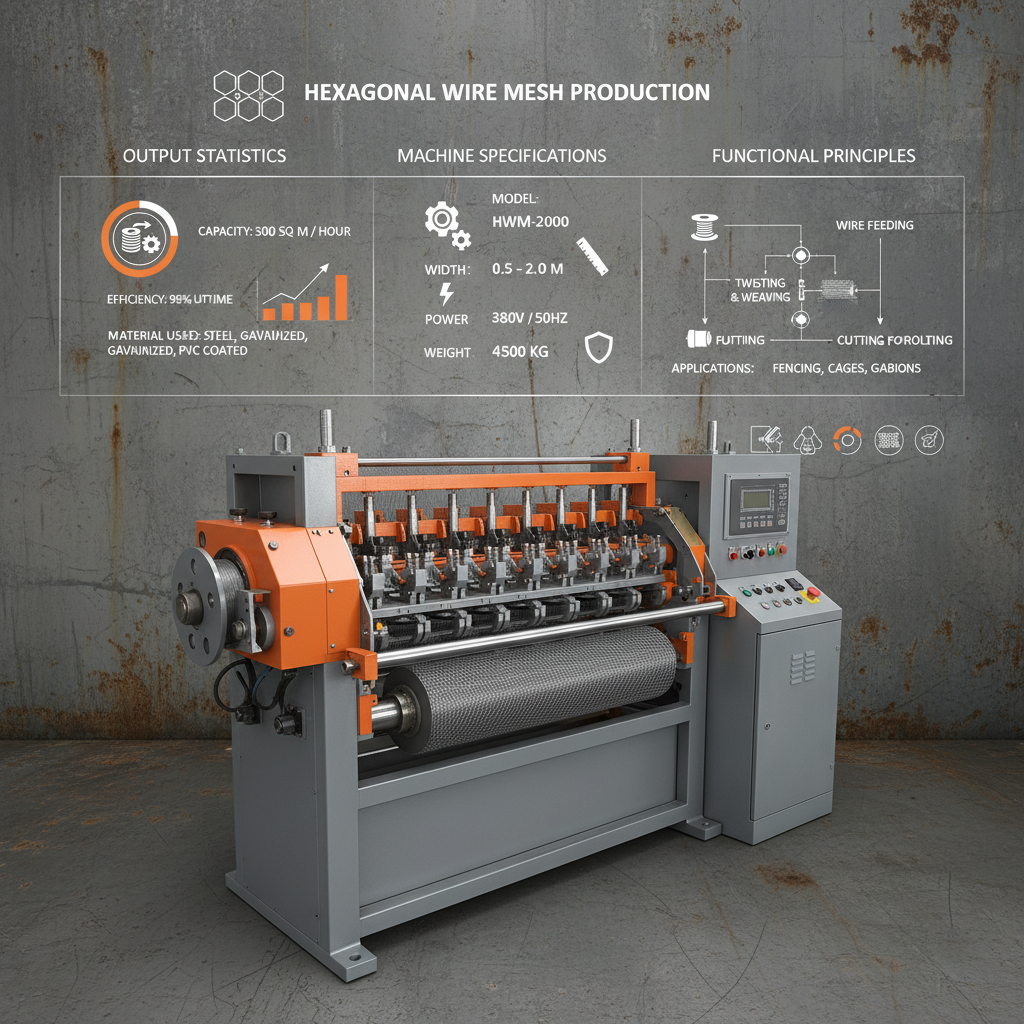
The global demand for high-quality fencing and erosion control solutions has propelled the hexagonal wire mesh machine to the forefront of industrial manufacturing. These sophisticated systems are designed to twist and weave galvanized or PVC-coated wires into the iconic honeycomb structure, providing a unique balance of flexibility and strength that is unmatched by square or welded meshes.
Understanding the nuances of a professional hexagonal wire mesh machine is critical for manufacturers aiming to optimize production speeds while maintaining strict tolerance levels. From agricultural boundary marking to large-scale civil engineering projects, the efficiency of the weaving process directly impacts the cost-effectiveness and durability of the final wire product.
By integrating advanced automation and precision engineering, the modern hexagonal wire mesh machine allows operators to switch between different mesh sizes and wire gauges with minimal downtime. This versatility ensures that industries can respond rapidly to market demands, whether they are producing lightweight poultry netting or heavy-duty gabion baskets for riverbank stabilization.
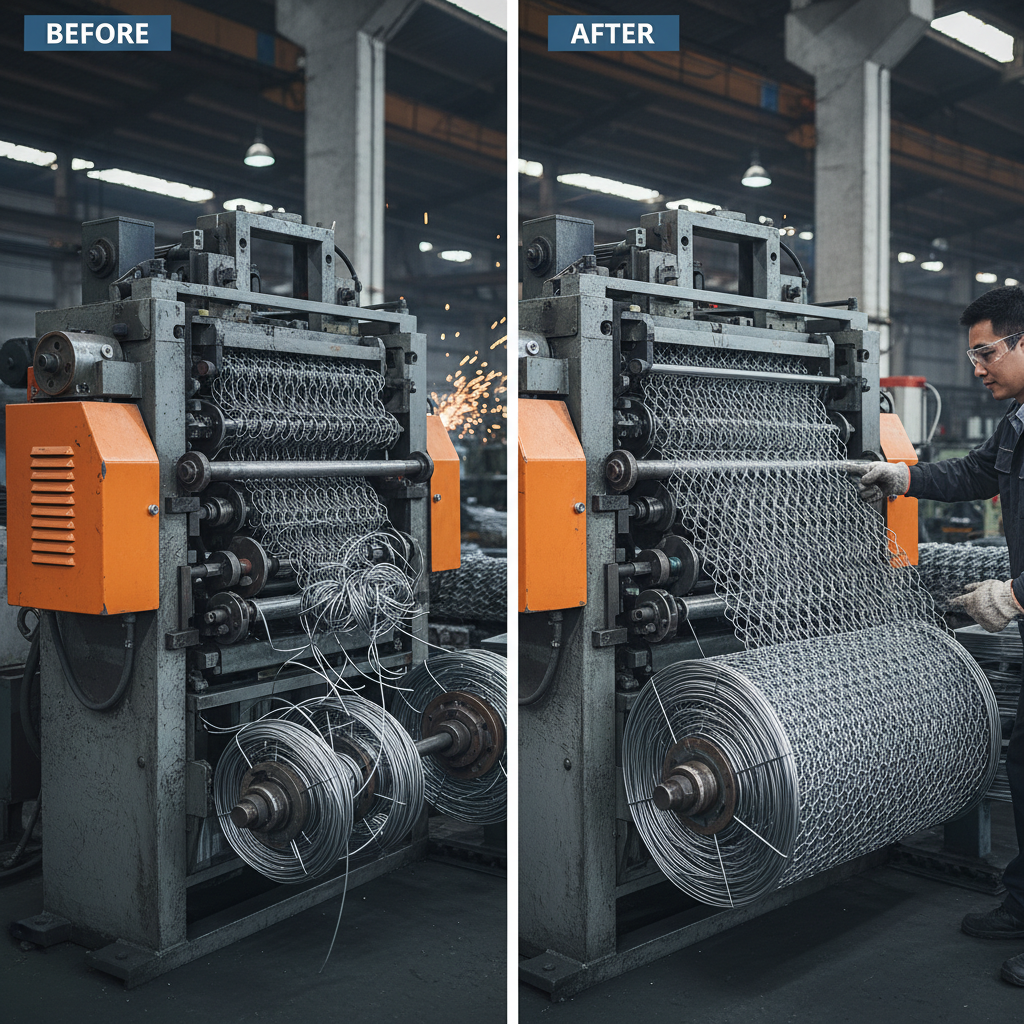
Global Industrial Relevance of Hexagonal Wire Mesh Machine
In the current global infrastructure landscape, the hexagonal wire mesh machine plays a pivotal role in supporting sustainable development. According to industrial standards aligned with ISO quality benchmarks, the ability to produce consistent, corrosion-resistant hexagonal mesh is essential for preventing soil erosion in mountainous regions and protecting wildlife habitats.
The challenge facing many manufacturers today is the transition from manual or semi-automatic processes to fully automated systems. A high-performance hexagonal wire mesh machine addresses these challenges by reducing material waste and eliminating human error in the twisting process, which is critical when fulfilling large-scale government contracts for highway embankments or flood defense systems.
Technical Definition and Operational Mechanics
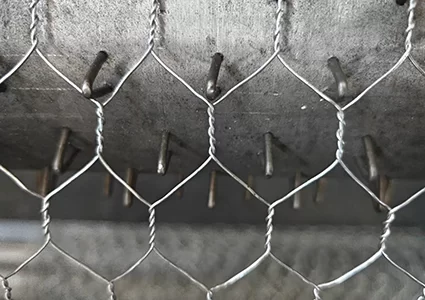
A hexagonal wire mesh machine is a specialized piece of industrial equipment designed to twist parallel wires into a hexagonal pattern through a series of synchronized mechanical movements. Unlike welded mesh, which relies on heat and pressure, this machine uses mechanical twisting to lock the wires together, creating a flexible "chicken wire" or "gabion" structure that can conform to irregular surfaces without losing structural integrity.
At its core, the machine operates by feeding wire from a creel, passing it through a series of guides, and applying a precise twist at predetermined intervals. This mechanical interlocking ensures that the mesh does not unravel even if a single wire is cut, a characteristic that makes the output of a hexagonal wire mesh machine indispensable for security fencing and construction reinforcement.
Modern iterations of these machines incorporate PLC (Programmable Logic Controller) systems, allowing operators to digitally adjust the mesh size and twist angle. This technological evolution has transformed the hexagonal wire mesh machine from a simple mechanical tool into a precision instrument capable of producing high-tensile mesh for specialized aerospace or chemical filtration applications.
Core Components for High-Precision Weaving
Durability is the primary requirement for any hexagonal wire mesh machine. The main frame must be constructed from reinforced heavy-duty steel to dampen vibrations during high-speed operation, ensuring that the tension of the wire remains constant throughout the weaving cycle.
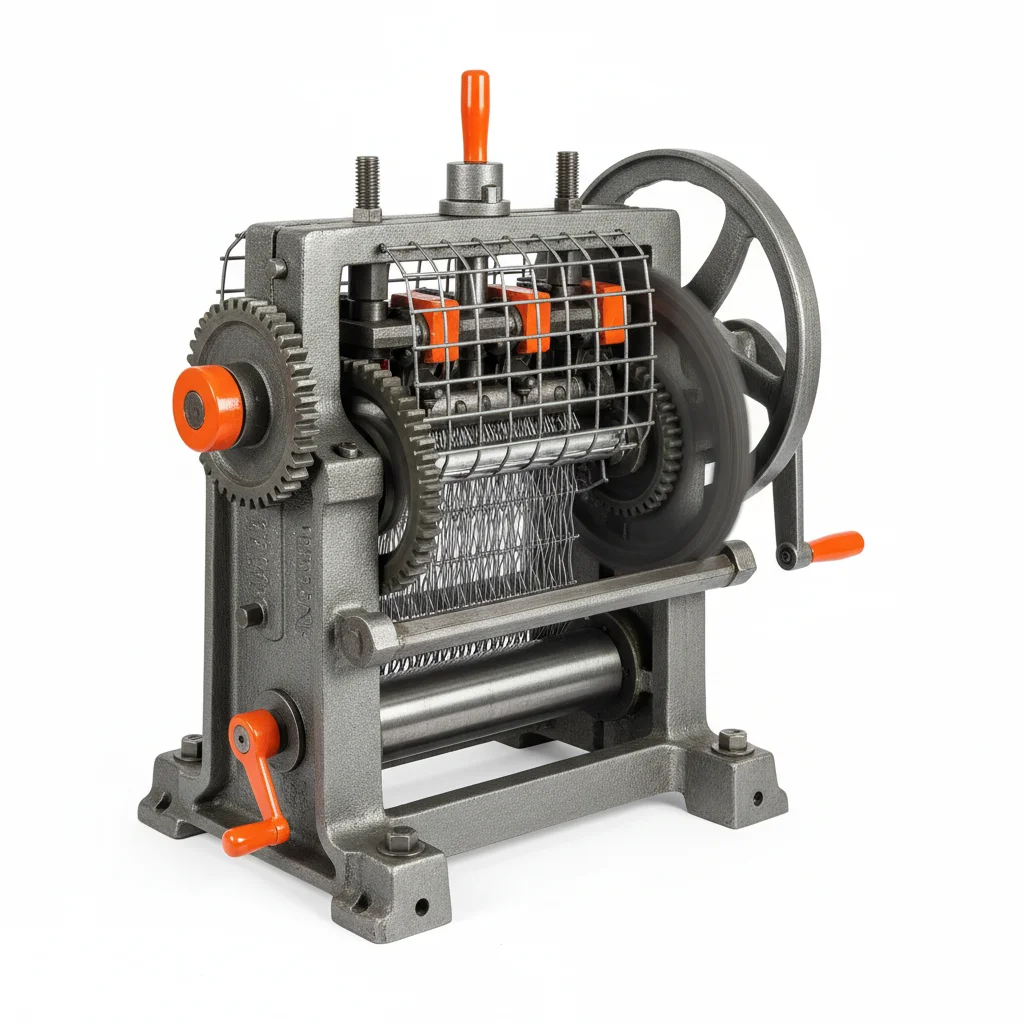
Precision twisting heads are the heart of the hexagonal wire mesh machine. These components are often made from tungsten carbide or hardened alloys to resist wear and tear, ensuring that the hexagonal cells remain uniform in size, which is critical for meeting international quality standards for gabion baskets.
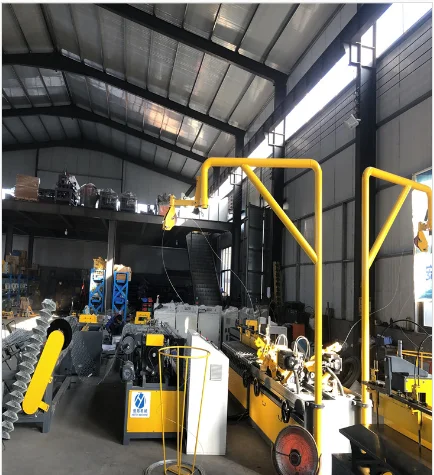
Scalability and ease of maintenance are also vital. A well-designed hexagonal wire mesh machine features modular components that allow for quick replacement of wear parts, reducing downtime and allowing the manufacturer to scale production based on seasonal demand in the agricultural sector.
Performance Metrics and Production Efficiency
Evaluating the efficiency of a hexagonal wire mesh machine involves analyzing the ratio of wire consumption to linear output. High-efficiency machines minimize the "twist-loss" and ensure that the wire tension is optimized to prevent stretching or snapping during the high-speed weaving process.
Furthermore, the integration of automatic tensioners and synchronized winding systems allows for continuous production cycles. By comparing different machine configurations, manufacturers can determine the ideal balance between speed and precision to maximize their Return on Investment (ROI).
Efficiency Comparison of Hexagonal Wire Mesh Machine Models
Diverse Global Applications and Use Cases
The output of a hexagonal wire mesh machine is utilized across a vast array of sectors. In the agricultural industry, it is the gold standard for poultry and rabbit enclosures, where a lightweight yet secure barrier is required. In coastal regions, specifically in Southeast Asia and Northern Europe, the heavy-duty mesh produced by these machines is used to create gabions for sea wall reinforcement and coastal erosion prevention.
Beyond infrastructure, these machines support humanitarian and environmental efforts. In post-disaster relief operations, rapid-deployment hexagonal fencing is often used to secure temporary livestock shelters or create perimeter boundaries for refugee camps. This demonstrates that the hexagonal wire mesh machine provides more than just industrial value; it offers a practical solution for global stability and safety.
Long-Term Value and Economic Advantages
Investing in a high-quality hexagonal wire mesh machine offers tangible economic benefits through the reduction of labor costs and material waste. By automating the weaving process, companies can shift their workforce from repetitive manual labor to quality control and strategic management, thereby increasing overall organizational productivity.
From a sustainability perspective, these machines are becoming increasingly energy-efficient. New drive systems reduce power consumption by up to 20%, aligning the manufacturing process with global "green industry" initiatives. This efficiency not only lowers operational overhead but also enhances the brand's reputation as an eco-conscious producer.
Moreover, the reliability of a precision-engineered machine translates into trust. When a manufacturer can guarantee that every roll of mesh has identical cell dimensions and twist strength, they gain a competitive edge in high-stakes industries like civil engineering, where a single point of failure in a gabion wall can lead to catastrophic structural collapse.
Future Innovations in Mesh Manufacturing Technology
The future of the hexagonal wire mesh machine lies in the convergence of Industry 4.0 and material science. We are seeing a move toward "smart machines" equipped with IoT sensors that can predict component failure before it occurs, allowing for predictive maintenance that eliminates unplanned downtime.
Additionally, the introduction of new alloy wires and hybrid polymer coatings is pushing the boundaries of what these machines can process. Future models are being designed to handle ultra-high-tensile wires and biodegradable materials, opening up new markets in temporary environmental fencing and sustainable forestry.
As automation evolves, the integration of robotic arm loading and automatic packaging systems will create a fully seamless production line. This end-to-end automation will allow the hexagonal wire mesh machine to operate with minimal human intervention, further driving down costs and increasing global accessibility to critical fencing materials.
Analysis of Technological Evolution in Hexagonal Wire Mesh Machine Models
| Technology Generation |
Control System |
Avg. Production Speed |
Precision Level (1-10) |
| Mechanical Era |
Manual Levers |
Low |
4 |
| Semi-Auto Era |
Basic Electrical |
Medium |
6 |
| PLC Integration |
Digital Logic |
High |
8 |
| Smart Manufacturing |
IoT & Cloud |
Ultra-High |
9 |
| AI-Optimized |
Adaptive AI |
Dynamic |
10 |
| Eco-Hybrid |
Energy-Saving PLC |
High |
9 |
FAQS
The primary difference is the bonding method. A hexagonal wire mesh machine uses mechanical twisting to interlock the wires, creating a flexible, honeycomb-like structure that doesn't require heat. In contrast, welded mesh machines use electrical resistance welding to fuse wires at intersection points, resulting in a rigid, non-flexible grid. This makes hexagonal mesh ideal for conforming to landscapes, while welded mesh is preferred for rigid panels.
Choosing the right gauge depends on the end application. For lightweight poultry netting, a thinner gauge is used to reduce cost and weight. For gabion baskets used in civil engineering, a thicker, galvanized gauge is required to withstand immense pressure and environmental corrosion. Always ensure your machine's twisting heads and tensioners are calibrated to the specific tensile strength of the wire gauge you select.
Yes, most modern industrial machines are designed for versatility. By changing the guides and adjusting the PLC settings or mechanical twist-timing, operators can switch between various mesh sizes (e.g., from 30mm to 100mm). However, the speed of this transition depends on whether the machine uses quick-change modular parts or requires manual recalibration of the weaving head.
Regular lubrication of the twisting heads and drive chains is essential to prevent friction-induced wear. Additionally, the tungsten carbide guides should be inspected weekly for pitting or grooves, as worn guides can cause inconsistent mesh sizing. Calibrating the wire tensioners and checking the alignment of the winding spool are also critical steps in preventing wire breakage during high-speed production.
Absolutely. While the initial investment is higher than manual tools, the reduction in labor costs and the significant increase in output volume lead to a faster ROI. Automation ensures consistent quality, which reduces customer returns and allows small businesses to compete for larger commercial contracts that require certified industrial standards, effectively scaling their growth potential.
Corrosion resistance is primarily determined by the raw material fed into the hexagonal wire mesh machine. Using hot-dipped galvanized wire or PVC-coated wire is the best approach. It is crucial that the machine's guides are smooth to avoid scratching the coating during the twisting process, as any breach in the protective layer can lead to premature rusting of the core wire.
Conclusion
The hexagonal wire mesh machine stands as a cornerstone of modern industrial weaving, blending mechanical precision with versatile application. From its critical role in environmental protection and agricultural security to its contribution to large-scale civil engineering, the ability to produce high-quality hexagonal mesh efficiently is a significant competitive advantage. By focusing on durability, automation, and precision, manufacturers can ensure they deliver products that meet the highest global standards of strength and reliability.
Looking ahead, the integration of smart technologies and sustainable materials will continue to redefine the capabilities of mesh production. For businesses aiming to lead in this sector, investing in advanced, PLC-driven machinery is no longer optional but a necessity for survival and growth. We encourage you to embrace these innovations to optimize your production lines and expand your market reach. Visit our website for more professional solutions: www.htmeshmachines.com