Hit enter to search or ESC to close
Wire mesh machine design is a critical field impacting numerous industries, from construction and agriculture to security and environmental protection. The demand for efficient, reliable, and adaptable wire mesh solutions is consistently growing globally, driven by infrastructure development, increasing safety regulations, and the need for sustainable materials. Understanding the intricacies of wire mesh machine design is vital for professionals seeking to optimize production processes, enhance product quality, and meet evolving market demands.
The global wire mesh market is projected to continue its expansion, fuelled by rising industrialization in emerging economies and a greater emphasis on infrastructure investments worldwide. According to industry reports, the sector demonstrates consistent growth, with significant demand originating from Asia-Pacific, North America, and Europe. The challenges associated with meeting this demand – including material costs, production efficiency, and environmental impact – are driving innovation in wire mesh machine design.
This field addresses a fundamental need for versatile materials used in countless applications. From reinforcing concrete structures to creating protective barriers and filters, wire mesh plays an indispensable role in modern life. Investing in advanced machine designs translates directly into higher-quality products, reduced waste, and more sustainable production practices, ultimately benefiting both businesses and the environment.
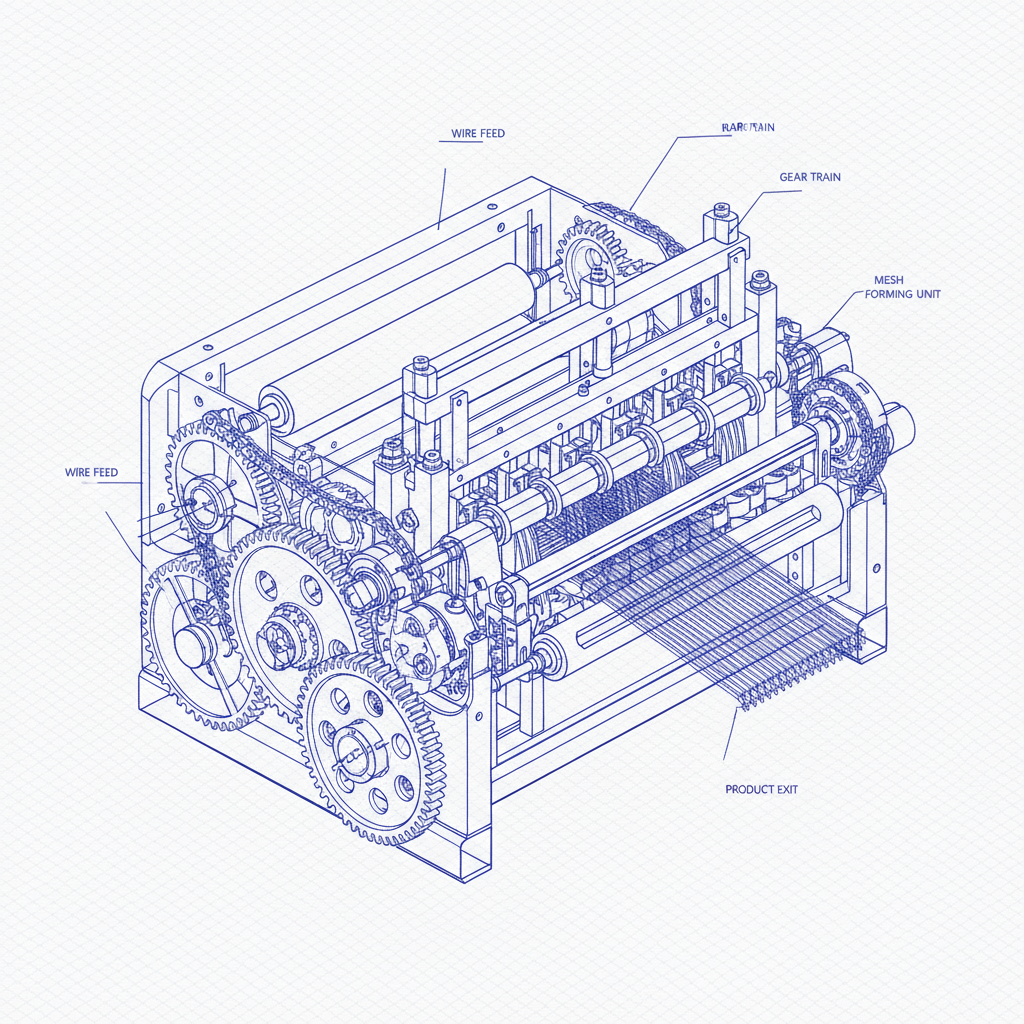
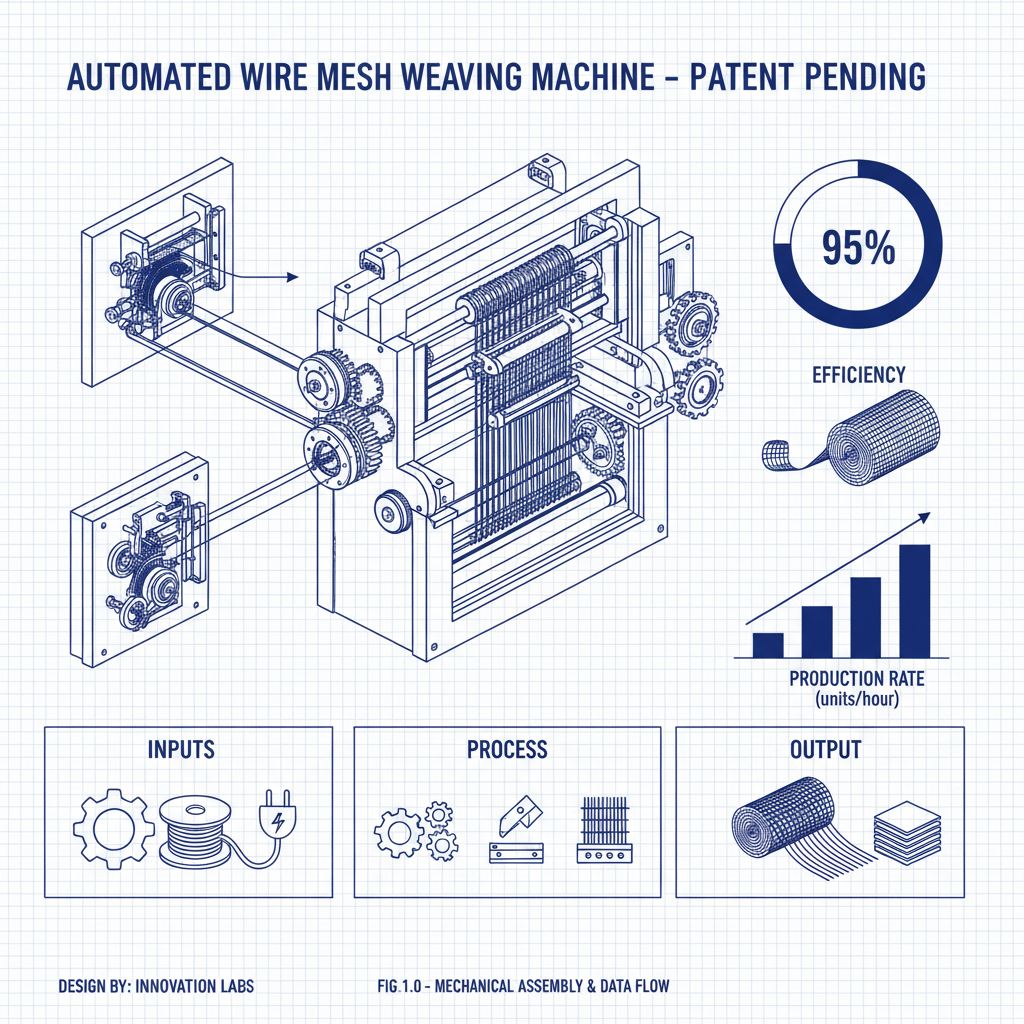
Wire mesh machine design encompasses the engineering principles and technological processes involved in creating machines capable of producing wire mesh in various patterns, materials, and configurations. This includes selecting appropriate machinery, optimizing production parameters, and ensuring the final product meets specific industry standards. The sophistication of these designs directly influences the efficiency, cost-effectiveness, and versatility of wire mesh production.
Effective wire mesh machine design isn't merely about building a machine; it’s about creating a complete system that integrates materials handling, forming, welding, and quality control. Advancements in automation, computer numerical control (CNC) technology, and materials science are constantly pushing the boundaries of what’s possible, leading to increasingly sophisticated and capable machines.
Automated wire mesh machines significantly increase production speed and efficiency, reduce labor costs, and improve product consistency. They minimize human error, leading to higher quality mesh and reduced material waste. Furthermore, automation enables the production of complex mesh patterns that would be difficult or impossible to achieve manually. This is crucial for meeting the demands of various industries requiring precise and reliable wire mesh products.
Selecting the appropriate machine requires careful consideration of your specific needs. Factors to consider include the type of wire used (material and gauge), the desired mesh aperture size, the required production volume, and the complexity of the mesh pattern. Understanding your application (e.g., construction, agriculture, filtration) will also help narrow down your choices. Consulting with a wire mesh machine supplier is highly recommended for personalized guidance.
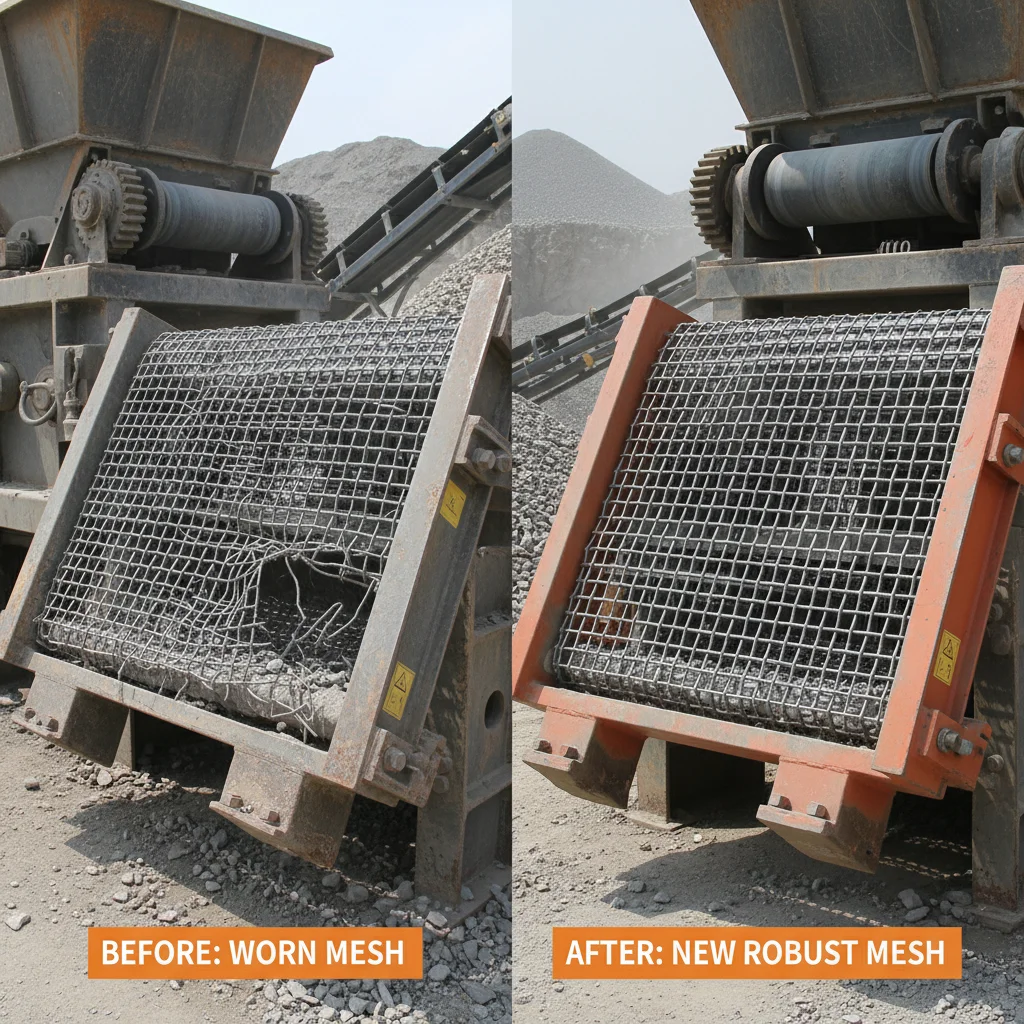
Regular maintenance is essential for ensuring optimal performance and extending the lifespan of your wire mesh machine. This includes lubricating moving parts, inspecting and replacing worn components (such as dies and guides), cleaning the machine to prevent debris buildup, and calibrating control systems. Implementing a preventative maintenance schedule is highly recommended to avoid costly downtime and repairs.
Safety is paramount when operating wire mesh machines. Always wear appropriate personal protective equipment (PPE), including safety glasses, gloves, and ear protection. Ensure all safety guards are in place and functioning correctly. Never attempt to operate the machine without proper training. Follow all manufacturer’s safety guidelines and lockout/tagout procedures during maintenance or repairs. Regular safety inspections are crucial.
Improving efficiency involves optimizing several aspects of your process. This includes using high-quality raw materials, ensuring precise machine calibration, minimizing material waste through efficient feeding and cutting systems, and implementing quality control measures to reduce defects. Investing in automation and data analytics can also provide valuable insights for process improvement.
Current trends include the increasing adoption of automation and robotics, the integration of AI for process optimization, and the development of machines capable of producing more complex and customized mesh patterns. There's also a growing focus on sustainability, with machines designed for reduced energy consumption and material waste. Digital twin technology is emerging as a powerful tool for virtual prototyping and performance analysis.
In conclusion, wire mesh machine design is a dynamic and critical field with far-reaching implications across numerous industries. From enhancing construction safety to enabling sustainable agricultural practices and facilitating humanitarian aid, the ability to efficiently and reliably produce high-quality wire mesh is essential for modern society. Continued innovation in this area will be crucial for meeting the evolving demands of a rapidly changing world.
Looking ahead, investing in advanced machine designs, embracing automation and digital technologies, and prioritizing sustainability will be key to unlocking the full potential of wire mesh. Further research and development are needed to explore new materials, optimize production processes, and address the challenges associated with producing increasingly complex mesh configurations. Visit our website at www.htmeshmachines.com to learn more about our cutting-edge solutions.