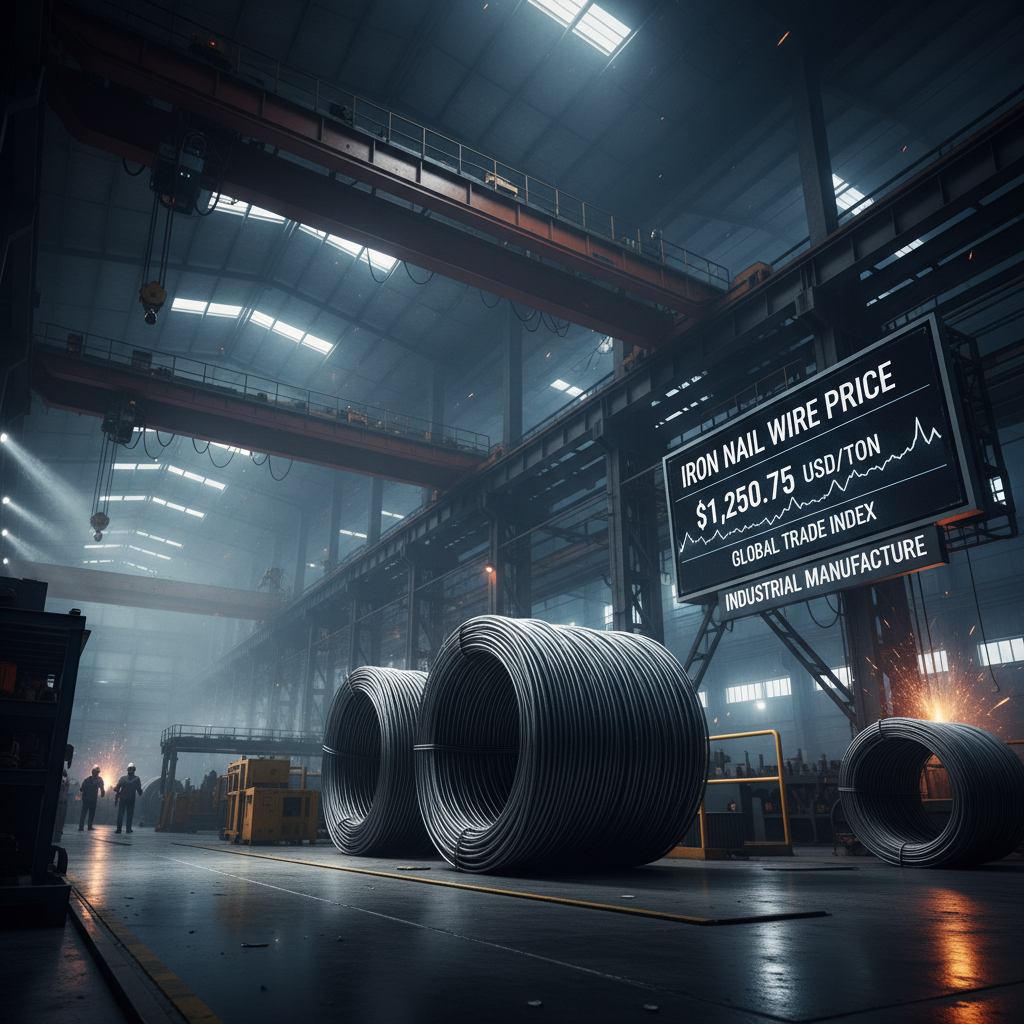
The global demand for efficient and cost-effective building materials has spurred innovation in various sectors, with iron nail wire price playing a critical role. This material, crucial for constructing robust and reliable structures, impacts everything from residential housing to large-scale infrastructure projects. Understanding the dynamics of iron nail wire price is vital for businesses, governments, and aid organizations alike, enabling informed decision-making and optimized resource allocation. It directly influences the affordability and accessibility of essential shelter and infrastructure, particularly in developing nations and disaster-prone regions.
The fluctuations in iron nail wire price are intricately linked to global steel production, raw material costs (like iron ore and coal), and geopolitical factors. These price variations significantly impact project budgets, construction timelines, and the overall economic viability of building initiatives. A comprehensive understanding of these factors empowers stakeholders to mitigate risks and capitalize on opportunities within the market. Monitoring trends in iron nail wire price allows for proactive adjustments in procurement strategies and project planning, ultimately leading to more successful and sustainable outcomes.
The benefits of analyzing iron nail wire price extend beyond mere cost considerations. It’s a key indicator of economic health within the construction industry and a critical component in evaluating the long-term durability and resilience of built environments. As demand for sustainable and affordable housing continues to grow, a nuanced understanding of this material’s pricing will be increasingly essential for fostering responsible development and ensuring equitable access to safe and reliable shelter.
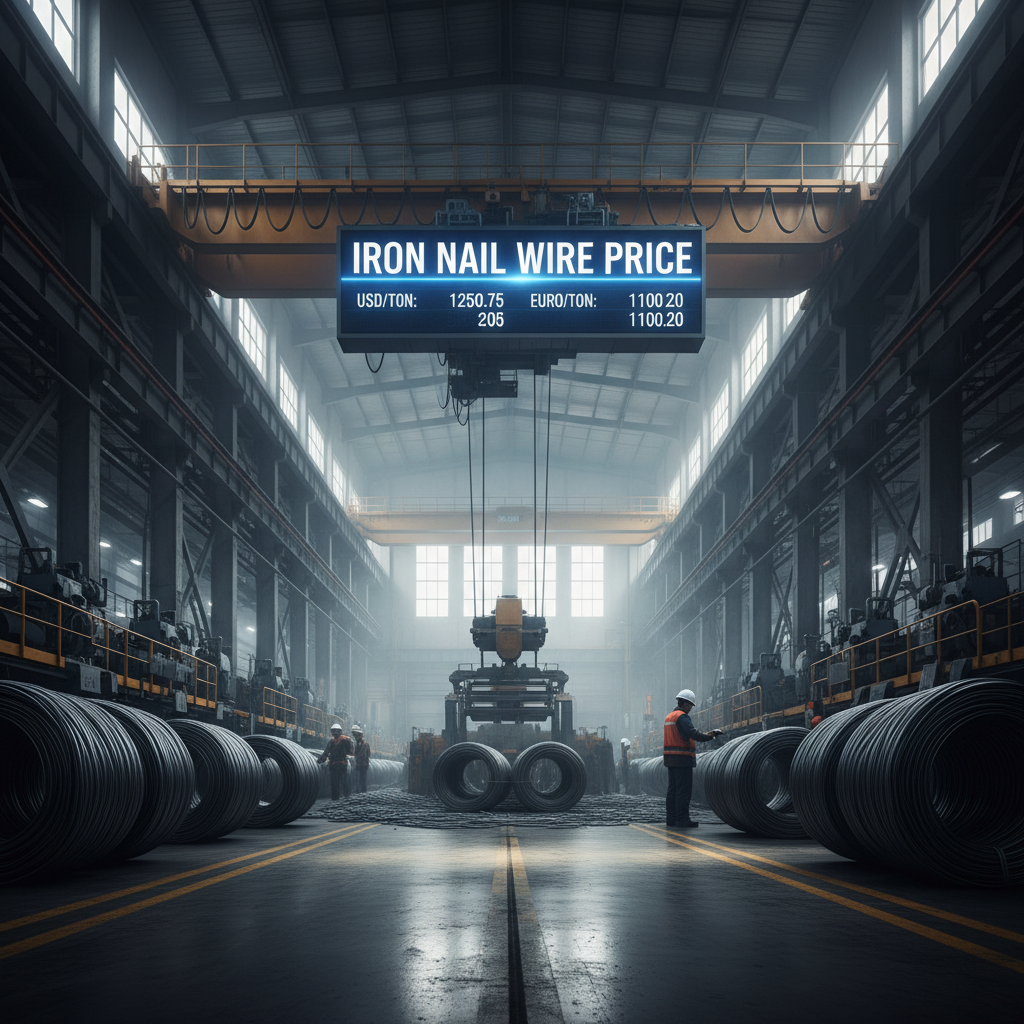
The Significance of Iron Nail Wire Price
Iron nail wire price serves as a barometer for broader economic trends within the construction and manufacturing sectors. Changes in this price point can signal shifts in raw material availability, energy costs, and global supply chain dynamics. Accurate forecasting of iron nail wire price allows businesses to better manage their budgets, optimize procurement strategies, and ensure project profitability.
Furthermore, understanding the factors driving iron nail wire price is crucial for promoting sustainable building practices. By identifying cost-effective alternatives and embracing innovative materials, stakeholders can reduce their reliance on price-volatile commodities and contribute to a more resilient and environmentally responsible construction industry.
Defining Iron Nail Wire Price
Iron nail wire price refers to the cost of specialized wire used in the manufacturing of nails, a fundamental fastening component in construction, woodworking, and various industrial applications. This price isn’t simply the cost of the iron itself; it encompasses processing, drawing, galvanization (or other coating), and transportation expenses. The price is typically quoted per unit weight (e.g., per ton or per kilogram) and is subject to market fluctuations.
The wire itself is often produced from steel containing varying carbon content, impacting its strength and ductility. Different grades of wire are used for different applications, influencing the final price. For instance, high-carbon steel wire used for hardened nails will command a higher price than lower-carbon wire used for general purpose nails.
In today’s world, where rapid construction and disaster relief are frequently needed, the availability of affordable and high-quality iron nail wire is paramount. It connects directly to modern industry’s need for fast deployment of infrastructure and the humanitarian necessity of providing shelter in times of crisis.
Core Components Influencing Iron Nail Wire Price
Several key factors significantly influence the iron nail wire price. Raw material costs, particularly iron ore and coal, form the foundation of the price structure. Fluctuations in these commodity markets directly impact the cost of producing steel, the primary ingredient in the wire. Supply chain disruptions, geopolitical events, and global demand all contribute to price volatility.
The manufacturing process itself plays a crucial role. Drawing the steel into wire, applying protective coatings (like galvanization to prevent rust), and quality control measures all add to the production cost. Technological advancements in wire drawing and coating processes can lead to efficiency gains and potentially lower prices. Energy costs associated with the manufacturing process are also a significant component.
Transportation costs, including freight and logistics, represent another important factor, especially for international trade. Regional variations in labor costs and environmental regulations can also influence the overall price. Finally, market dynamics, such as competition among wire manufacturers and the bargaining power of buyers, play a role in determining the final price.
Global Applications of Iron Nail Wire Price
Iron nail wire has a vast range of applications across the globe. The construction industry is the primary consumer, using it extensively in residential, commercial, and industrial building projects. From framing houses to securing roofing materials, iron nails are indispensable. Beyond construction, it's critical in furniture manufacturing, pallet construction, and packaging.
In post-disaster relief operations, the quick deployment of shelters often relies on the availability of affordable iron nails. Aid organizations frequently procure large quantities of iron nail wire to support rebuilding efforts in areas affected by natural disasters like earthquakes, hurricanes, and floods. The speed and ease of use of nails make them an ideal fastening solution in emergency situations.
Remote industrial zones and developing nations often benefit from the affordability of iron nails for infrastructure development. Small-scale construction projects, agricultural fencing, and general repairs frequently utilize this versatile material. It's a crucial component in supporting economic growth and improving living conditions in these regions.
Iron Nail Wire Price Comparison by Manufacturing Method
Advantages and Long-Term Value
The primary advantage of utilizing iron nail wire lies in its cost-effectiveness, particularly when compared to alternative fastening methods like screws or adhesives in certain applications. This affordability makes it accessible for a wide range of projects, from large-scale construction to DIY home repairs. Its inherent strength and durability contribute to the longevity of structures and reduce the need for frequent maintenance.
From a sustainability perspective, steel (the primary component of iron nail wire) is highly recyclable, contributing to a circular economy. Using recycled steel reduces the demand for virgin materials and minimizes environmental impact. Investing in quality iron nail wire translates to safer and more reliable structures, enhancing the well-being of occupants and mitigating risks associated with structural failures.
Future Trends and Innovations
Ongoing research is focused on developing more sustainable and corrosion-resistant coatings for iron nail wire. Innovations in galvanization techniques and the exploration of alternative coating materials aim to extend the lifespan of nails and reduce the need for replacements. Digital transformation is also playing a role, with the integration of sensors and data analytics to monitor wire quality and optimize production processes.
Automation in manufacturing is increasing efficiency and lowering production costs. The potential for using renewable energy sources to power wire drawing and coating facilities aligns with broader sustainability goals. Moreover, the development of new steel alloys with enhanced strength and ductility could lead to thinner, lighter, and more efficient wire products.
Challenges and Solutions in Iron Nail Wire Price
One of the major challenges is the volatility of raw material prices, particularly iron ore and coal. This can lead to unpredictable fluctuations in iron nail wire price, making it difficult for businesses to budget accurately. Building stronger relationships with suppliers and diversifying sourcing options can help mitigate this risk.
Another challenge is the potential for corrosion, especially in harsh environments. Investing in high-quality galvanization or exploring alternative coating materials is crucial for enhancing durability. Addressing environmental concerns related to steel production requires adopting more sustainable manufacturing practices and promoting the use of recycled steel.
Finally, maintaining consistent quality control throughout the manufacturing process is essential. Implementing rigorous testing procedures and investing in advanced quality assurance technologies can help ensure that iron nail wire meets industry standards and customer expectations.
Analysis of Factors Affecting Iron Nail Wire Price
| Factor |
Impact Level (1-10) |
Trend (Increasing/Decreasing/Stable) |
Mitigation Strategies |
| Iron Ore Prices |
9 |
Increasing |
Long-term contracts, diversified sourcing |
| Energy Costs |
7 |
Stable |
Energy-efficient manufacturing, renewable energy |
| Transportation Costs |
6 |
Increasing |
Localized sourcing, optimized logistics |
| Global Demand |
8 |
Increasing |
Capacity planning, market analysis |
| Currency Exchange Rates |
5 |
Volatile |
Hedging strategies, local currency transactions |
| Manufacturing Efficiency |
7 |
Improving |
Automation, process optimization |
FAQS
The primary drivers of iron nail wire price fluctuations are the cost of raw materials (iron ore and coal), energy prices, global steel demand, and transportation costs. Geopolitical events and currency exchange rates also play a significant role. Monitoring these factors is crucial for understanding price trends and making informed procurement decisions.
Galvanization, the process of applying a protective zinc coating to steel wire, significantly increases its resistance to corrosion. This added protection comes at a cost, typically raising the price of the wire by 10-20% depending on the thickness of the zinc coating and the galvanization method used. However, the extended lifespan and reduced maintenance costs often outweigh the initial price increase.
While a direct replacement offering the same strength and cost-effectiveness is currently limited, focusing on recycled steel content in wire production is a key sustainable practice. Additionally, exploring bio-based coatings as alternatives to traditional galvanization, and optimizing nail usage through efficient design and construction techniques, can reduce overall environmental impact.
Businesses can mitigate price risk by establishing long-term contracts with suppliers, diversifying their sourcing options, hedging against commodity price fluctuations, and investing in energy-efficient manufacturing processes. Building strong relationships with suppliers and closely monitoring market trends are also crucial.
Experts predict continued volatility in iron nail wire price due to ongoing global economic uncertainties and supply chain disruptions. Increased demand from developing nations, coupled with rising raw material costs, is likely to put upward pressure on prices. However, advancements in manufacturing technology and the adoption of sustainable practices could potentially offset some of these increases.
Reliable data sources include industry publications like Metal Bulletin, CRU Group, and various steel industry associations. Government agencies that track commodity prices, such as the US Geological Survey or the World Steel Association, also provide valuable information. Additionally, consulting with metal trading companies and market analysts can offer insights into current price trends.
Conclusion
In conclusion, understanding the dynamics of iron nail wire price is critical for businesses, governments, and aid organizations involved in construction, manufacturing, and disaster relief. The price is influenced by a complex interplay of factors, including raw material costs, energy prices, global demand, and geopolitical events. By proactively monitoring these factors and adopting appropriate mitigation strategies, stakeholders can minimize risk and ensure the availability of this essential material.
Looking ahead, innovation in manufacturing processes, the adoption of sustainable practices, and the utilization of data analytics will play a key role in shaping the future of iron nail wire price. Continued investment in research and development, coupled with a commitment to responsible sourcing and production, will be essential for ensuring the long-term affordability and reliability of this vital material. To explore further and discover solutions tailored to your needs, visit our website: www.htmeshmachines.com