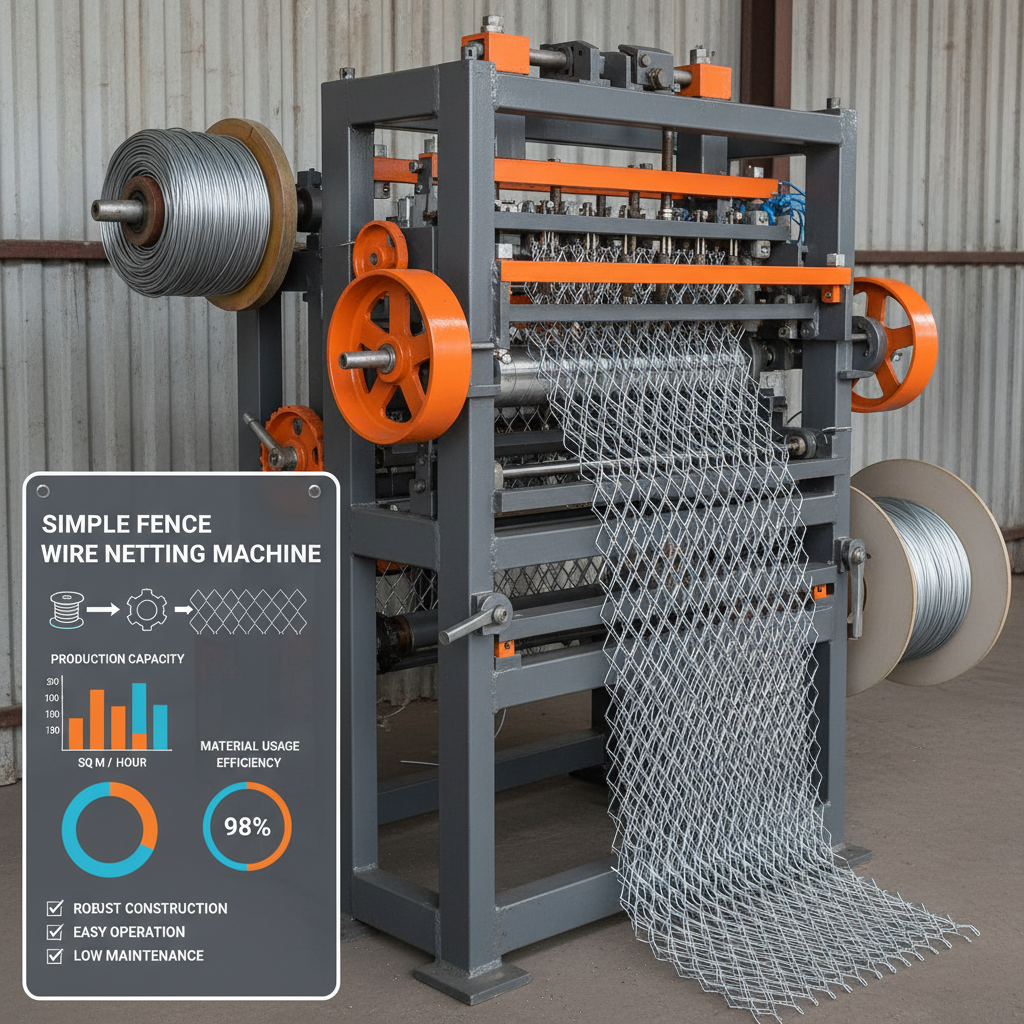
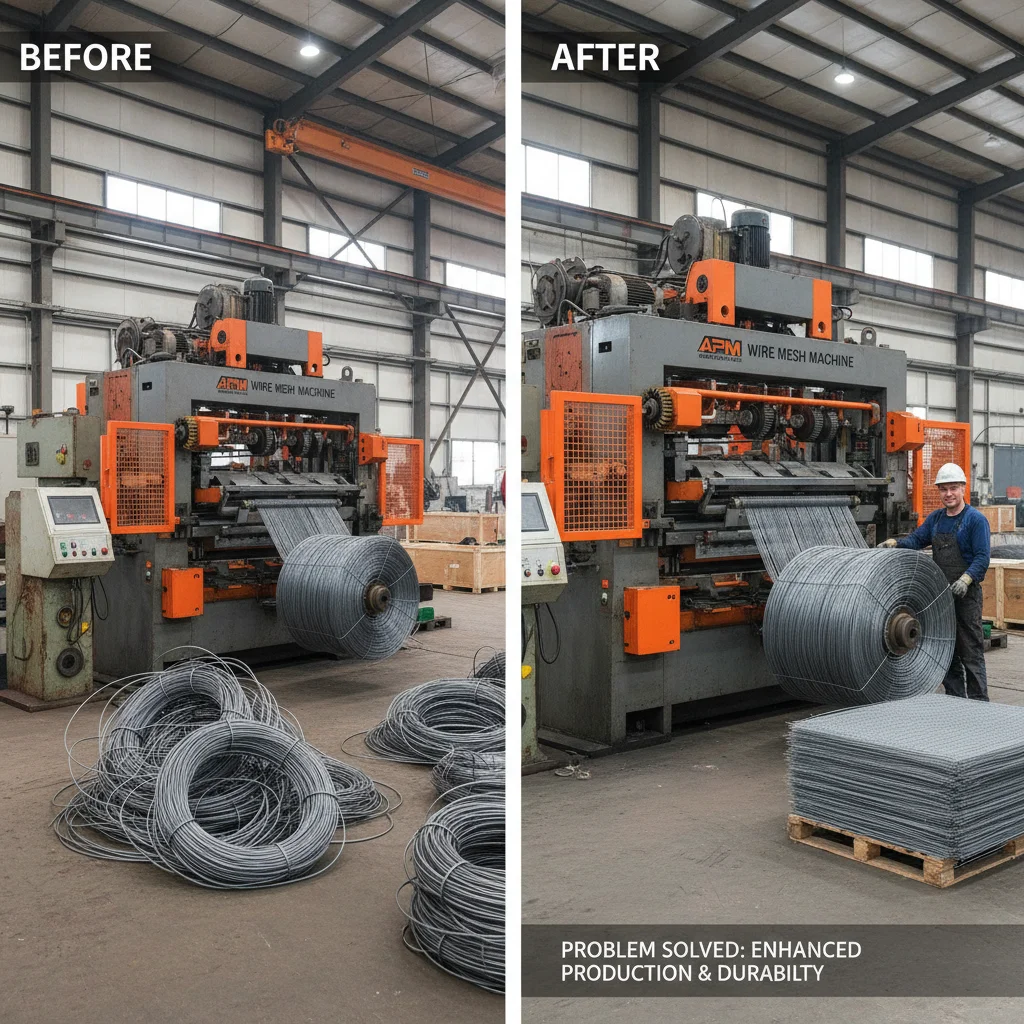
The need for robust, easily deployable fencing solutions is something I see every single day out on construction sites. It's not just about security, though that's critical. It’s about managing access, protecting materials, and frankly, keeping folks safe. For years, we’ve relied on traditional chain-link, but the setup time, the specialized tools needed, and the overall hassle… well, it's always been a pain point. That's where the advancements in simple fence wire netting machine come into play. We're talking about a real shift in how quickly and efficiently temporary fencing can be deployed. It streamlines a crucial part of any project, saving time and money – two things we never have enough of.
It's a deceptively simple concept, really. Taking the principles of wire mesh production and automating them to create a product that's strong enough for security, lightweight enough for easy handling, and flexible enough to conform to various terrain. I’ve watched teams spend hours wrestling with posts and chain-link rolls, only to end up with a wobbly, insecure perimeter. With a simple fence wire netting machine produced solution, you can get a secure boundary up in a fraction of the time, allowing you to focus on the actual construction. This isn’t just about convenience; it’s about improving site safety and efficiency.
I've seen these machines deployed right on site, churning out custom lengths of fencing to perfectly fit the project's needs. It reduces waste, minimizes material handling, and provides a consistent, professional finish. And honestly, in a world where skilled labor is becoming increasingly scarce, anything that simplifies a task and reduces reliance on specialized expertise is a huge win.
The Importance of simple fence wire netting machine in Modern Construction
Let's be frank: construction sites are dynamic, often chaotic environments. Keeping them secure and organized is paramount, not just for preventing theft, but for liability reasons. A solid perimeter is non-negotiable. The simple fence wire netting machine is rapidly becoming a critical tool for site managers because it addresses these needs directly. It’s about minimizing disruptions and maximizing productivity. We’re seeing a shift away from reactive security measures to proactive perimeter control, and this technology is at the heart of that change.
The sheer scale of infrastructure projects globally—from urban development to renewable energy farms—demands efficient and scalable fencing solutions. According to recent reports, the global construction industry is projected to reach $15.4 trillion by 2025 (source: Deloitte). A significant portion of project budgets is allocated to site security and perimeter control. Streamlining these processes with technology like simple fence wire netting machine translates directly into cost savings and faster project completion times.
Defining simple fence wire netting machine
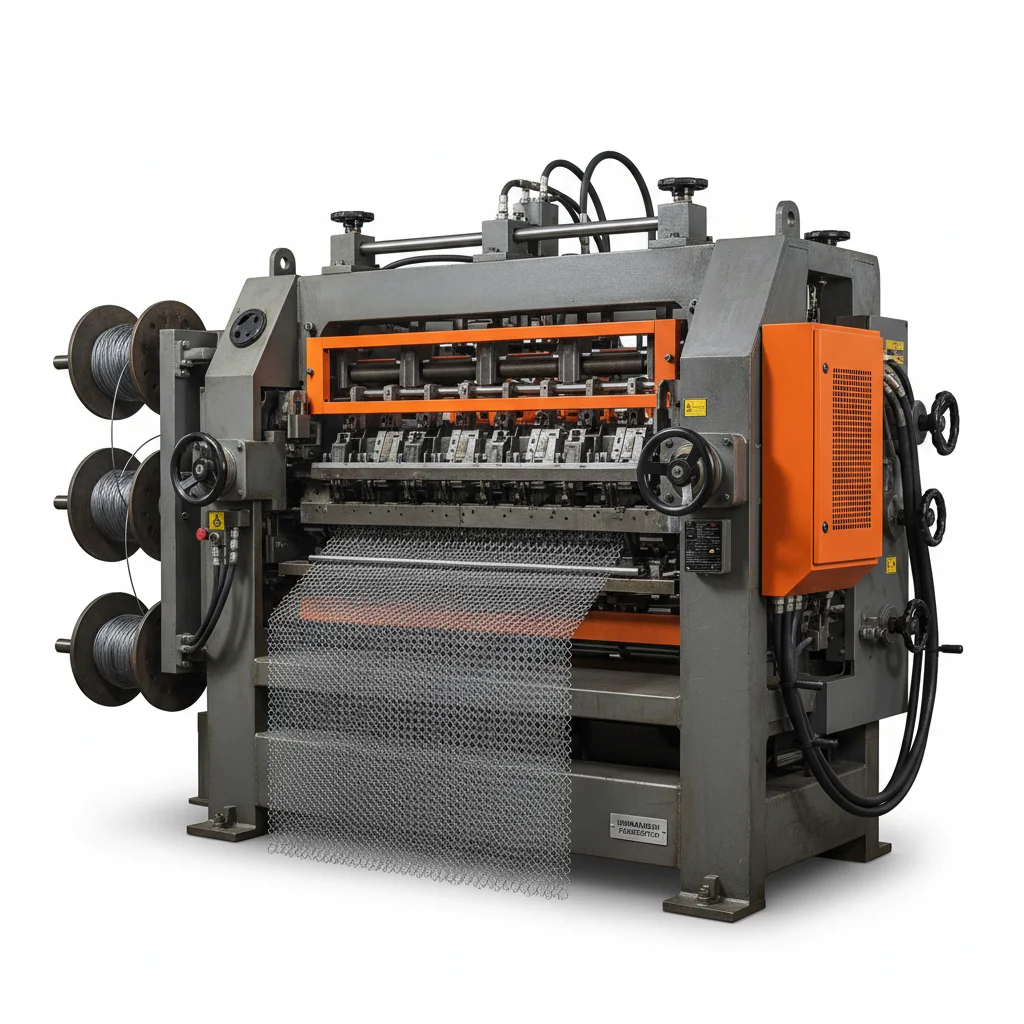
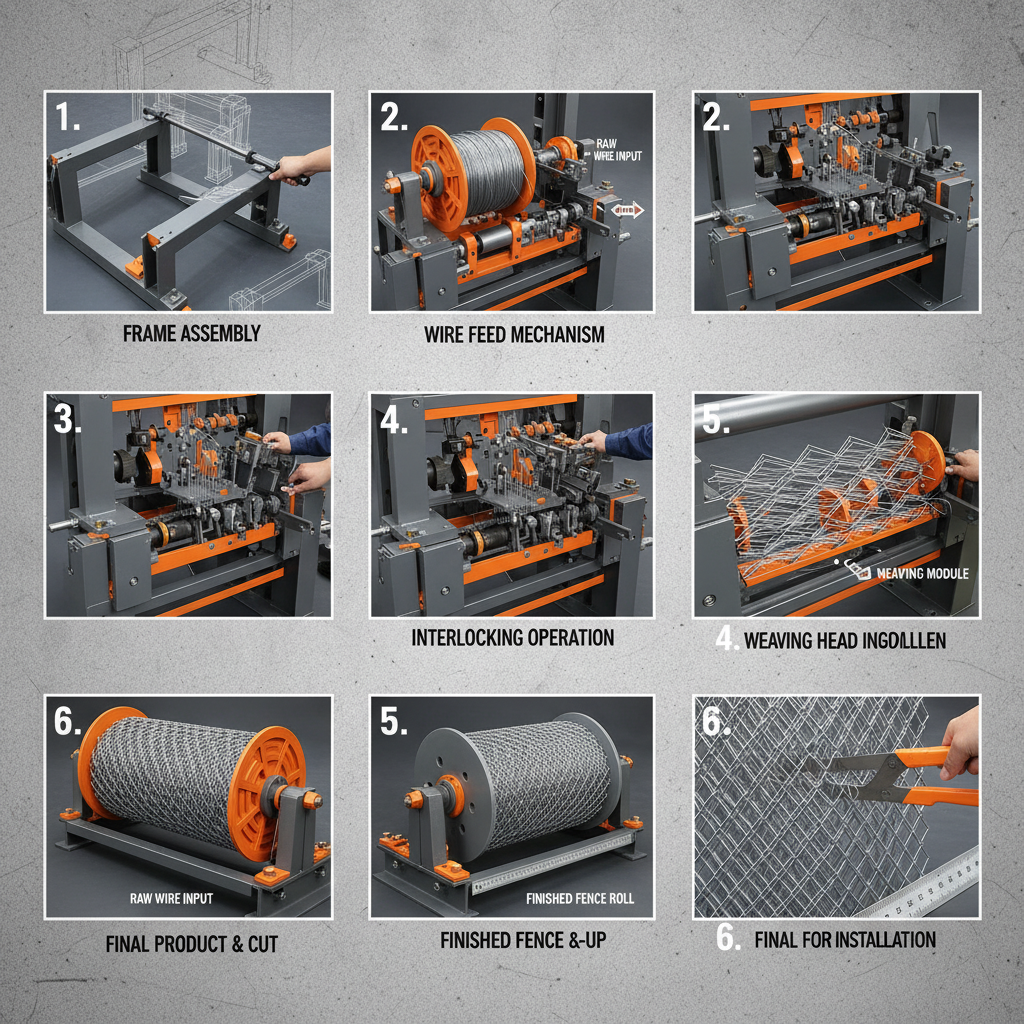
Essentially, a simple fence wire netting machine is a piece of equipment designed to automate the process of weaving or interlocking wires to create a continuous length of fencing material. Think of it as the industrial evolution of hand-weaving a basket, but on a much larger and more robust scale. It's not just about making a barrier; it’s about creating a consistent, high-quality product with controlled dimensions and strength characteristics.
Historically, fencing material was either purchased pre-fabricated or assembled on-site, both time-consuming and labor-intensive processes. These machines allow for on-demand production, tailoring the fencing precisely to the site's requirements, minimizing waste, and reducing the need for extensive material storage. This capability is particularly vital in remote or challenging locations where logistics are complex.
The connection to modern industry and even humanitarian needs is substantial. From securing construction sites and agricultural land to establishing temporary enclosures in disaster relief zones, a reliable and rapidly deployable fencing solution is always in demand. It’s a foundational element for safety, security, and order in a wide range of scenarios.
Key Factors Driving Adoption
Durability: The fencing produced by these machines is often made from galvanized steel or other corrosion-resistant materials, ensuring it can withstand harsh weather conditions and prolonged use. This is crucial on sites where fencing will be in place for months, even years.
Scalability: The ability to produce fencing on-demand and in custom lengths means that projects of any size can be accommodated. From small residential repairs to massive infrastructure developments, the system can be scaled to meet the specific needs of the job.
Cost Efficiency: While the initial investment in the machine can be significant, the long-term cost savings associated with reduced labor, minimized waste, and decreased material handling quickly offset the expense. You’re not paying for shipping pre-made rolls that might not fit perfectly, and you're reducing the risk of material theft.
Global Applications and Real-World Use Cases
I've seen simple fence wire netting machine-produced fencing utilized in a huge variety of situations. In post-disaster relief operations, it’s invaluable for creating secure zones for aid distribution and temporary housing. In remote industrial zones, like mining operations, it provides a robust perimeter to protect equipment and personnel.
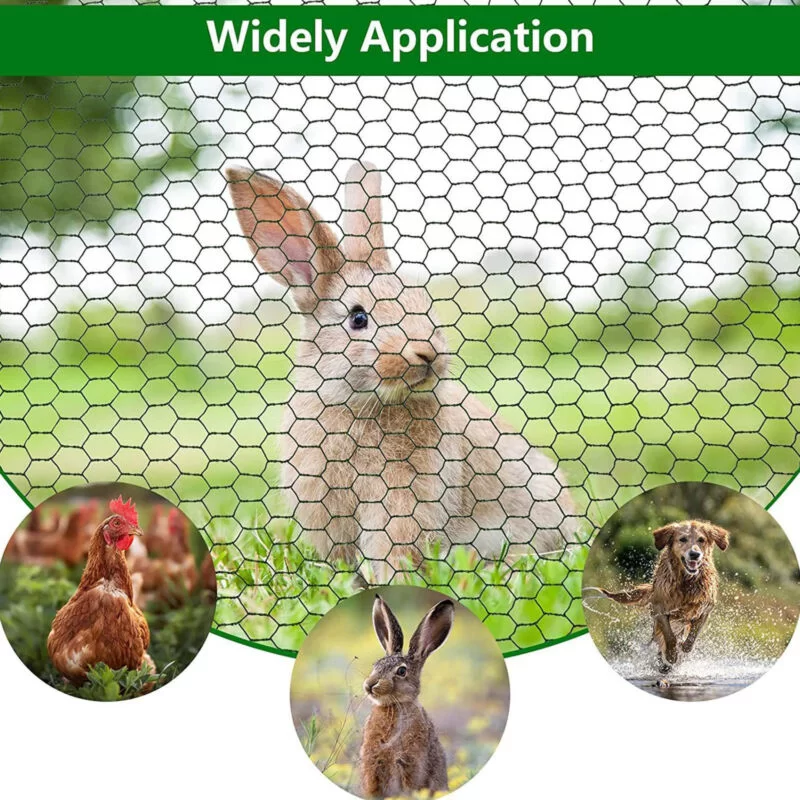
We’re seeing increased adoption in agricultural settings for livestock containment and crop protection, particularly in areas prone to wildlife intrusion. And of course, the construction industry remains the biggest driver, with projects ranging from residential developments to large-scale infrastructure projects benefiting from the speed and efficiency of on-site fencing production.
Australia, with its vast agricultural lands and remote mining operations, has seen significant investment in this technology. Similarly, countries in Southeast Asia, experiencing rapid infrastructure growth, are increasingly adopting simple fence wire netting machine to manage costs and timelines.
Comparison of simple fence wire netting machine Methods
Advantages and Long-Term Value Proposition
The tangible benefits are clear: reduced labor costs, minimized material waste, and faster project timelines. But beyond the numbers, there's a real impact on site safety. A secure perimeter reduces the risk of accidents and unauthorized access. That peace of mind is invaluable, especially on larger, more complex projects.
From a sustainability standpoint, the ability to produce fencing on-demand reduces the need for long-distance transportation, lowering the carbon footprint associated with material delivery. And knowing you have a robust, reliable perimeter contributes to a sense of security and control, which fosters a more productive and positive work environment.
Future Trends and Innovations in Fencing Technology
We're starting to see integration with smart technology – sensors embedded in the fencing material to detect breaches and trigger alerts. Imagine a system that not only provides a physical barrier but also actively monitors for security threats. That's where things are headed.
There's also increasing research into more sustainable fencing materials, like bio-based polymers and recycled plastics. As environmental concerns grow, demand for eco-friendly fencing solutions will only increase. Automation and AI-powered quality control will also play a bigger role in optimizing the production process and ensuring consistent product quality.
Challenges and Solutions in simple fence wire netting machine Implementation
One of the biggest challenges is the initial investment cost. These machines aren't cheap. However, leasing options and financing plans are becoming more readily available, making the technology more accessible. Another hurdle is operator training. Proper training is essential to ensure the machine is operated safely and efficiently.
Maintenance is also critical. Regular servicing and preventative maintenance can significantly extend the lifespan of the machine and minimize downtime. We’re also seeing the development of remote diagnostics and predictive maintenance systems that can help identify potential problems before they occur.
Finally, material sourcing can be a challenge, particularly in remote locations. Establishing reliable supply chains and negotiating favorable pricing are essential for maximizing the cost-effectiveness of the system.
Summary of Key Considerations for simple fence wire netting machine Implementation
| Investment Cost |
Operator Skill Level |
Maintenance Requirements |
Material Availability |
| High initial cost but long-term savings. |
Requires trained operators for safe and efficient use. |
Regular maintenance is crucial for longevity. |
Reliable supply chains are essential. |
| Leasing and financing options available. |
Comprehensive training programs are recommended. |
Remote diagnostics and predictive maintenance can help. |
Strategic partnerships with suppliers can ensure availability. |
| ROI typically within 1-2 years for high-volume projects. |
Certification programs can validate operator competence. |
Preventative maintenance schedules are key. |
Diversifying material sources can mitigate risk. |
| Government incentives may be available for sustainable solutions. |
Continuous learning and skill development are important. |
Investing in high-quality parts and components. |
Local sourcing can reduce transportation costs and lead times. |
| Total cost of ownership analysis is essential. |
Focus on safety protocols and best practices. |
Regular inspections and adjustments are necessary. |
Establishing long-term relationships with suppliers. |
| Consider the environmental impact of different machines. |
Encourage a culture of continuous improvement. |
Document all maintenance activities thoroughly. |
Inventory management is critical. |
FAQS
The main advantages are speed and efficiency. Traditional methods require manual labor for cutting, shaping, and securing fencing materials, which is time-consuming and prone to errors. A simple fence wire netting machine automates this process, significantly reducing setup time and labor costs. Plus, the consistent quality of the manufactured fencing provides a more secure and professional result, reducing maintenance down the line.
Most machines are designed to work with galvanized steel wire, which provides excellent corrosion resistance and strength. However, you can also find machines capable of processing other materials like stainless steel, PVC-coated wire, and even certain types of plastic. The choice of material depends on the specific application and environmental conditions. Always check the machine's specifications to ensure compatibility.
Regular maintenance is crucial for keeping the machine running smoothly. This typically includes daily lubrication of moving parts, weekly cleaning and inspection, and periodic replacement of wear items like cutting blades and rollers. A detailed maintenance manual will outline the specific schedule and procedures. Preventative maintenance will drastically reduce the risk of costly downtime.
Portability varies depending on the machine’s size and design. Some models are relatively compact and can be easily transported on a trailer, while others are larger and require a dedicated truck. Consider the logistical challenges of transporting the machine to and from job sites when making a purchasing decision. Many manufacturers offer mobile, trailer-mounted options designed for on-site production.
Safety is paramount. Always wear appropriate personal protective equipment (PPE), including safety glasses, gloves, and hearing protection. Never operate the machine without proper training. Keep the work area clear of obstructions and ensure that all safety guards are in place. Follow the manufacturer's safety guidelines meticulously to prevent accidents.
The ROI depends on factors like project volume, labor costs, and material waste reduction. However, in most cases, the savings generated by reduced labor and material costs will offset the initial investment within 1-2 years. For high-volume projects, the ROI can be even faster. A thorough cost-benefit analysis is recommended to determine the potential ROI for your specific situation.
Conclusion
In conclusion, the simple fence wire netting machine represents a significant advancement in perimeter security and site management. It’s not just about automating a task; it’s about improving efficiency, reducing costs, enhancing safety, and increasing sustainability. From construction sites to agricultural lands and disaster relief zones, the applications are vast and the benefits are undeniable.
As technology continues to evolve, we can expect to see even more innovative features integrated into these machines, such as smart sensors and AI-powered diagnostics. Investing in this technology isn't just about solving current challenges; it’s about preparing for the future of construction and perimeter security. Visit our website at www.htmeshmachines.com to learn more about how a simple fence wire netting machine can revolutionize your operations.