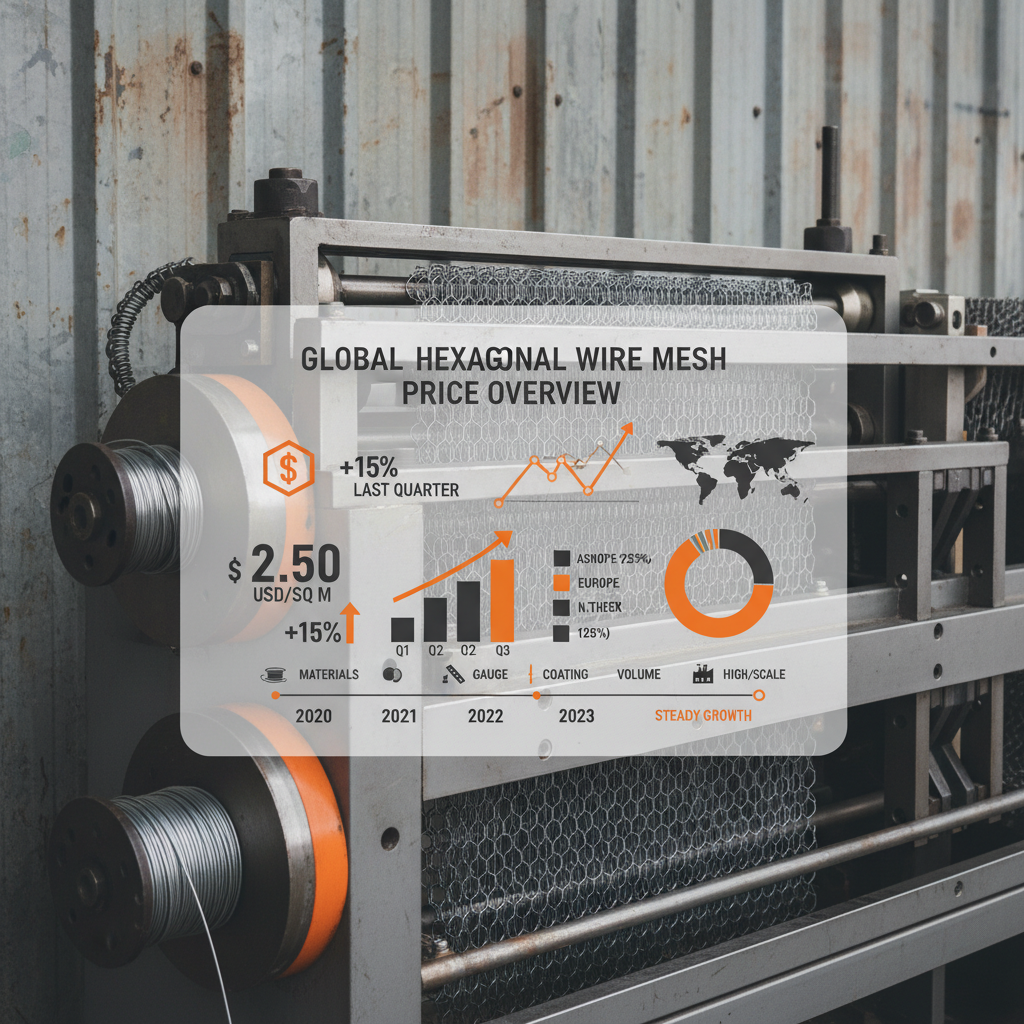
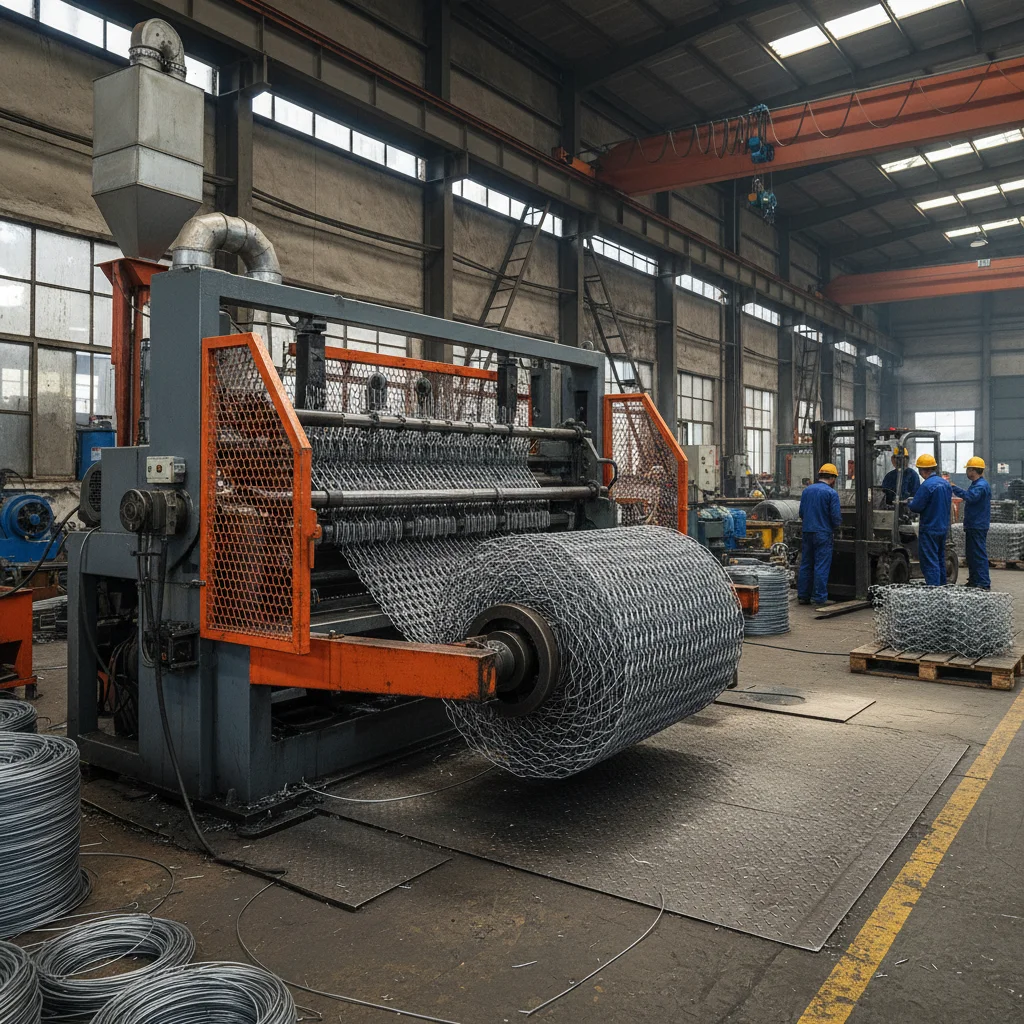
Hexagonal wire mesh price is a crucial factor in a surprisingly diverse range of industries and applications, from reinforcing structures and animal containment to sophisticated filtration systems and even innovative architectural designs. Understanding the nuances of its pricing – influenced by material, mesh size, wire gauge, and quantity – allows for informed decision-making and optimized project budgets. The global demand for this versatile material continues to grow, making a grasp of the associated costs more important than ever.
The increasing prevalence of hexagonal wire mesh price in modern infrastructure projects, particularly in areas prone to natural disasters or requiring robust security solutions, underscores its significance. Furthermore, its applications are expanding into environmentally conscious domains, such as erosion control and green infrastructure. Accurate price assessment allows companies and organizations to allocate resources effectively, ensuring project viability and long-term sustainability.
Consequently, staying informed about current market trends impacting hexagonal wire mesh price – from raw material costs to logistical challenges – is essential for businesses and consumers alike. This article delves into the key elements that determine the price of this material, explores its wide-ranging applications, and examines future trends that may influence its cost and availability.
The Importance of Understanding hexagonal wire mesh price
Accurately assessing hexagonal wire mesh price is paramount for successful project planning across numerous sectors. Fluctuations in material costs, manufacturing processes, and transportation expenses directly impact the overall budget and feasibility of ventures. A thorough understanding of these dynamics allows for proactive cost management and prevents unexpected financial burdens.
Moreover, informed price awareness empowers buyers to negotiate effectively with suppliers and identify the most competitive options. This is particularly crucial in large-scale projects where even minor price variations can translate into substantial savings. hexagonal wire mesh price significantly impacts investment decisions and project timelines.
Global Context and Market Dynamics
The global hexagonal wire mesh price market is influenced by a complex interplay of economic factors, including raw material costs (primarily steel and galvanized iron), energy prices, and global supply chain disruptions. According to market research reports, the demand for hexagonal wire mesh is steadily increasing, particularly in developing nations experiencing rapid infrastructure growth.
The United Nations has highlighted the role of hexagonal wire mesh in disaster relief efforts, specifically in constructing temporary shelters and reinforcing damaged infrastructure. Similarly, the World Bank supports projects utilizing this material for agricultural purposes, such as animal containment and crop protection. The ISO standards related to wire mesh quality and durability also influence pricing and market acceptance.
A significant challenge lies in navigating fluctuating tariffs and trade regulations, which can substantially impact the landed cost of hexagonal wire mesh in various regions. Geopolitical events and regional conflicts can further exacerbate these issues, creating price volatility and supply shortages.
Defining hexagonal wire mesh price and its Relevance
Hexagonal wire mesh price refers to the cost per unit area (typically per square meter or foot) of a woven mesh constructed from interconnected wires forming a hexagonal pattern. This price is not fixed; it varies considerably based on several critical specifications, including the wire gauge (thickness), aperture size (mesh opening), coating type (galvanized, PVC-coated, etc.), and the quantity ordered.
Its relevance extends far beyond simple enclosure applications. In modern construction, hexagonal wire mesh plays a vital role in soil stabilization, concrete reinforcement, and erosion control. Industrially, it's integral to filtration processes, security fencing, and even specialized packaging. The demand arises from both essential needs, such as protecting livestock, and sophisticated technological applications.
Understanding the price drivers of hexagonal wire mesh allows for informed procurement decisions. Knowing which factors contribute most to the cost enables buyers to optimize material selection, potentially trading off certain specifications to achieve cost savings without compromising essential performance characteristics.
Key Factors Influencing hexagonal wire mesh price
Several core components dictate the final hexagonal wire mesh price. These include the material used—galvanized steel being the most common, followed by stainless steel and PVC-coated options—with stainless steel commanding a significantly higher price point due to its corrosion resistance.
Another critical factor is the wire gauge, with thicker wires naturally increasing the material cost. Mesh aperture size also plays a role; smaller apertures require more wire and a more intricate weaving process, thus increasing the price. Coating type influences cost, with PVC coatings adding a layer of protection and expense. Quantity ordered is a major price determinant, with bulk purchases typically qualifying for substantial discounts.
Average hexagonal wire mesh price by Material
Applications Across Industries
Hexagonal wire mesh finds diverse applications across a broad spectrum of industries. In agriculture, it's used extensively for poultry fencing, livestock containment, and crop protection, safeguarding yields and minimizing losses. The construction sector utilizes it for concrete reinforcement, erosion control, and plastering support, enhancing structural integrity and durability.
Industrially, it serves as a filter medium, a protective screen for machinery, and a component in specialized packaging. In post-disaster relief operations, it’s employed for temporary shelters and reinforcing damaged structures. In remote industrial zones, it is a critical component of security perimeters.
Advantages and Long-Term Value Proposition
The advantages of utilizing hexagonal wire mesh are numerous. Cost-effectiveness is a primary benefit, offering a durable and reliable solution at a competitive price point. Its longevity and resistance to corrosion (particularly when galvanized or coated) contribute to long-term value, minimizing replacement costs.
From a sustainability perspective, the recyclability of steel and the potential for using recycled materials in production align with environmental goals. Socially, it provides a safe and secure environment for livestock and communities. The trust placed in its reliability is demonstrated by its widespread adoption in critical infrastructure projects.
Future Trends and Innovations in hexagonal wire mesh price
Future trends point towards increased automation in the manufacturing process, potentially reducing production costs and improving efficiency. The development of more sustainable and eco-friendly coatings, utilizing bio-based materials, is gaining traction. Digital transformation, including the implementation of IoT sensors for monitoring mesh integrity, is also on the horizon.
The integration of hexagonal wire mesh with green infrastructure solutions, such as living walls and green roofs, presents new opportunities for sustainable construction. Research into advanced materials, like high-strength alloys, could further enhance the durability and performance of hexagonal wire mesh, potentially impacting the hexagonal wire mesh price in the long run.
The growing demand for smart fencing solutions utilizing integrated sensors and remote monitoring capabilities will likely drive innovation and increased investment in hexagonal wire mesh technology, leading to potential price adjustments based on added functionality.
Summary of Key Challenges and Potential Solutions
| Challenge |
Impact on hexagonal wire mesh price |
Potential Solution |
Expected Cost Impact |
| Raw Material Price Volatility |
Increased production costs and fluctuations in hexagonal wire mesh price |
Long-term supply contracts and diversification of material sources |
Moderate reduction in price volatility |
| Supply Chain Disruptions |
Delays in delivery and increased transportation costs affecting hexagonal wire mesh price |
Regional production facilities and improved logistics management |
Reduced lead times and potential cost savings |
| Quality Control Issues |
Increased rejection rates and potential damage to reputation impacting hexagonal wire mesh price perception |
Implementation of stringent quality control measures and certifications |
Enhanced product reliability and potentially higher price premium |
| Competition from Substitutes |
Price pressure and reduced market share |
Innovation and differentiation through specialized coatings and features |
Maintained market position and potentially increased price |
| Environmental Regulations |
Increased costs associated with compliance and sustainable manufacturing |
Adoption of eco-friendly materials and production processes |
Potential cost increase offset by enhanced brand image |
| Labor Costs |
Increased production costs and impact on hexagonal wire mesh price |
Automation and process optimization |
Reduced labor costs and improved efficiency |
FAQS
The primary drivers of hexagonal wire mesh price fluctuation are the cost of raw materials (particularly steel and zinc), energy prices, global supply chain dynamics, and demand from key industries like agriculture and construction. Geopolitical events and trade tariffs can also significantly impact pricing. A shift in any of these areas impacts the price.
Wire gauge, measured in millimeters or AWG, directly correlates with the amount of material used. Thicker wire (lower gauge number) requires more steel, increasing production costs and subsequently, the hexagonal wire mesh price. Choosing a suitable gauge for your application is crucial for balancing strength and cost.
Stainless steel hexagonal wire mesh is substantially more expensive than galvanized steel due to the higher cost of stainless steel alloys and its superior corrosion resistance. While galvanized steel offers good protection, stainless steel provides long-lasting durability in harsh environments, justifying the higher initial price for specific applications.
Yes, bulk orders almost always result in lower per-unit prices due to economies of scale. Manufacturers typically offer tiered pricing based on quantity, with larger orders qualifying for substantial discounts. Negotiating with suppliers and consolidating orders can lead to significant cost savings.
Shipping costs can be a considerable component of the overall hexagonal wire mesh price, especially for international shipments. Fuel prices, distance, and shipping method (sea, air, land) all contribute to transportation expenses. Obtaining quotes from multiple carriers and optimizing packaging can help minimize these costs.
While higher-quality hexagonal wire mesh may have a higher upfront cost, it often provides superior longevity and durability, reducing the need for frequent replacements. This translates into long-term cost savings, especially in harsh environments where corrosion resistance is critical. It also minimizes maintenance and repair expenses.
Conclusion
Understanding the factors influencing hexagonal wire mesh price is essential for effective project planning and procurement. From raw material costs and manufacturing processes to transportation and market demand, a holistic view enables informed decision-making. Recognizing the advantages of this versatile material – its durability, cost-effectiveness, and wide range of applications – positions it as a critical component in numerous industries.
Looking ahead, embracing innovative technologies, sustainable materials, and optimized supply chains will be key to mitigating price fluctuations and enhancing the long-term value proposition of hexagonal wire mesh. For reliable sourcing and competitive hexagonal wire mesh price, visit our website: www.htmeshmachines.com.