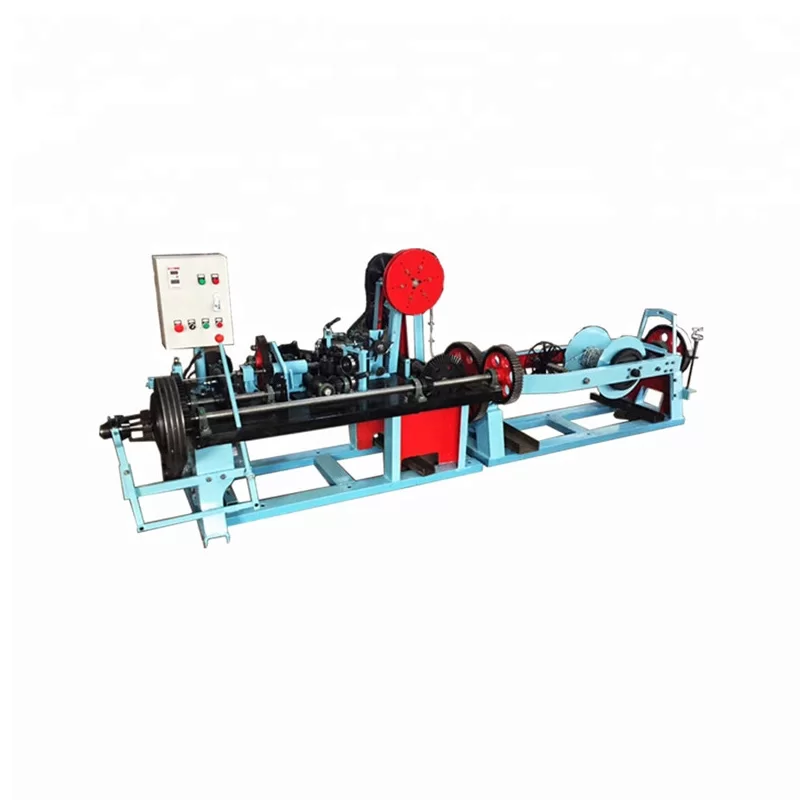
The global demand for precision fencing and specialized netting solutions has led to significant advancements in the machinery used to produce them. At the heart of this production is the hexagonal wire mesh machine, a piece of specialized equipment designed to weave wire into the iconic honeycomb pattern known for its structural integrity and flexibility. Understanding the technical nuances of this machinery is essential for manufacturers aiming to optimize their output and maintain high quality standards across various industrial applications.
From a global industrial perspective, the efficiency of wire mesh production directly impacts sectors ranging from agriculture and animal husbandry to civil engineering and floral decoration. The evolution of the hexagonal wire mesh machine has shifted from purely manual operations to PLC-controlled automated systems, allowing for tighter tolerances and a wider range of wire diameters. This transition not only increases production speed but also ensures that the resulting mesh meets strict international standards for durability and tension.
Choosing the right hexagonal wire mesh machine can mean the difference between high operational overhead and a streamlined, profitable production line. By integrating modern designs that reduce electricity consumption and labor requirements, businesses can scale their operations while maintaining the flexibility to produce customized mesh sizes for niche markets.

Technical Design of the Hexagonal Wire Mesh Machine
The modern hexagonal wire mesh machine is engineered with a focus on stability and precision. One of the most significant innovations is the adoption of a horizontal structure, which allows the machine to run more smoothly compared to older vertical designs. This structural choice reduces vibration and mechanical stress, which is critical when weaving small mesh sizes—down to a minimum of 10mm—where any slight deviation can result in product defects.
Furthermore, the new design for positive twisted hexagonal mesh ensures that the twists are consistent and secure, providing the mesh with its characteristic strength and shape retention. By optimizing the weaving mechanism, the machine can handle a wide array of mesh widths, ranging from 1200mm to 2300mm, making it adaptable to various commercial requirements without needing extensive reconfiguration.
Operational Efficiency and Labor Costs
In the competitive landscape of industrial manufacturing, reducing operational overhead is paramount. The integration of PLC (Programmable Logic Controller) equipment into the hexagonal wire mesh machine has revolutionized the workflow. By automating the complex timing and tensioning of the weaving process, the machine simplifies operation to a level where only two skilled workers are needed to manage a full production cycle.
This reduction in manpower directly translates to lower long-term labor costs, allowing manufacturers to allocate resources toward quality control and market expansion. The intuitive interface of the PLC system allows for quick adjustments to mesh size and wire diameter, reducing downtime between different product runs and ensuring that the facility can react quickly to custom orders.
Beyond labor, the mechanical optimization of the system results in a smaller footprint. The reduced volume of the machine means that factory floor space is utilized more efficiently, while the improved motor efficiency significantly lowers electricity consumption. This combination of lower labor and energy costs enhances the overall ROI for the enterprise.
Material Versatility and Wire Compatibility
A primary advantage of a high-quality hexagonal wire mesh machine is its ability to process various types of wire. Whether the project requires the corrosion resistance of galvanized iron wire or the aesthetic and protective qualities of plastic-coated wire, the machine is designed to handle both without compromising the integrity of the weave.
The flexibility of the hexagonal wire mesh machine allows it to accommodate wire diameters from 0.38mm up to 1.5mm. This range ensures that the produced mesh can serve diverse purposes, from delicate floral decorations and pipeline insulation to heavy-duty fencing and breeding cages.
By supporting both galvanized and coated materials, manufacturers can target different market segments. For instance, galvanized wire is preferred for outdoor agricultural fencing due to its weather resistance, while PVC-coated wire is ideal for specialized breeding environments or decorative wedding arrangements where a softer look and additional protection are required.
Production Performance Analysis
Analyzing the performance of the hexagonal wire mesh machine requires a look at how different configurations affect the overall output. From the number of twists to the motor power (ranging from 3KW to 5KW), every parameter is tuned to maximize efficiency. A machine configured for smaller mesh sizes typically requires a different twist frequency than one producing wide-gauge industrial fencing.
The synergy between the motor power and the wire diameter ensures that the machine maintains a constant speed without overheating, which is vital for 24/7 production environments. When comparing different operational setups, the balance between speed and tension is the key metric for success.
Production Efficiency by Hexagonal Wire Mesh Machine Setup
Diverse Industrial Applications of Hexagonal Mesh
The output of the hexagonal wire mesh machine is incredibly versatile, finding use in a multitude of sectors. In the agricultural industry, the mesh is indispensable for creating livestock pens and breeding cages, where the hexagonal structure provides the necessary strength to contain animals while remaining lightweight and easy to install.
Beyond agriculture, the mesh is widely used for pipeline insulation and as a substrate for floral decorations and wedding flower arrangements. In these cases, the ability of the machine to produce small, precise mesh sizes is critical. The flexibility of the material allows it to be molded around pipes or shaped into intricate artistic designs, showcasing the machine's utility in both industrial and creative fields.
Sustainability and Resource Optimization
Modern manufacturing is increasingly judged by its environmental footprint. The current generation of the hexagonal wire mesh machine addresses this by significantly reducing electricity consumption. Through the use of high-efficiency motors and an optimized mechanical drive system, the energy required per meter of mesh produced has been lowered, contributing to a more sustainable production cycle.
Furthermore, the reduction in machine volume and footprint means that factories can optimize their layouts to reduce wasted space and energy used for heating or lighting large industrial halls. This lean approach to manufacturing not only helps the environment but also lowers the operational costs for the business owner.
Material waste is also minimized thanks to the precision of the PLC controls. By ensuring that the wire is woven exactly to the requested specifications with minimal errors, the amount of scrap wire is drastically reduced. This efficiency in raw material usage is a key component of the machine's long-term value proposition.
Technical Specifications and Mesh Parameters
To fully appreciate the capabilities of the hexagonal wire mesh machine, one must examine the technical parameters. The machine is capable of producing a vast range of mesh sizes, from 10mm up to 55mm. This versatility is achieved through adjustable components that allow the operator to change the mesh size and wire diameter quickly.
The relationship between the wire diameter and the number of twists is crucial for maintaining the structural integrity of the mesh. For example, a mesh size of 10mm usually employs a wire diameter of 0.38-0.5mm with 3 twists, whereas a larger 55mm mesh might utilize a 0.5-1.5mm wire with a different twist configuration.
Below is a comprehensive breakdown of the technical specifications for various mesh configurations, demonstrating the machine's adaptability to different production needs.
Core Technical Parameters for Various Hexagonal Mesh Sizes
| Mesh Size (mm) |
Wire Diameter (mm) |
Number of Twists |
Motor Power (KW) |
| 10mm |
0.38-0.5 |
3 |
3 |
| 20mm |
0.38-0.5 |
3 |
3 |
| 30mm |
0.38-0.8 |
3 |
3 |
| 40mm |
0.38-0.9 |
3 |
3 |
| 50mm |
0.38-1.0 |
3 |
3 |
| 55mm |
0.5-1.5 |
3 |
5 |
FAQS
The new design of our hexagonal wire mesh machine allows for a minimum mesh size of 10mm, making it ideal for detailed applications like pipeline insulation and decorative floral arrangements.
Yes, the machine is fully compatible with both galvanized iron wire and plastic-coated wire, allowing you to produce mesh for various environments, from industrial fences to colorful decorative netting.
Thanks to the integration of PLC equipment, the operation is significantly simplified. Typically, only two people are required to operate the machine, which helps drastically reduce long-term labor costs.
The horizontal structure ensures that the machine runs more smoothly with less vibration. This stability is essential for maintaining consistent mesh quality and extending the overall lifespan of the mechanical components.
Absolutely. The machine is designed to manufacture customized types of hexagonal mesh, with adjustable parameters for mesh width, wire diameter, and twist counts to meet specific client requirements.
The PLC system automates the weaving process, ensuring high precision and consistency. It reduces human error, simplifies the setup for different mesh sizes, and optimizes the power consumption of the motors.
Conclusion
The hexagonal wire mesh machine represents a critical intersection of mechanical engineering and industrial utility. By combining a stable horizontal structure, PLC-driven automation, and a wide range of material compatibility, it allows manufacturers to produce high-quality galvanized and coated mesh with unprecedented efficiency. From reducing labor costs to minimizing energy consumption, the modern design ensures that production is not only profitable but also sustainable.
As global demand for specialized fencing and protective netting continues to grow, investing in advanced weaving technology is the only way to remain competitive. Whether your focus is on agricultural infrastructure or creative floral solutions, the right equipment ensures precision and reliability. We invite you to explore our full range of industrial solutions and optimize your production line. Visit our website: www.htmeshmachines.com