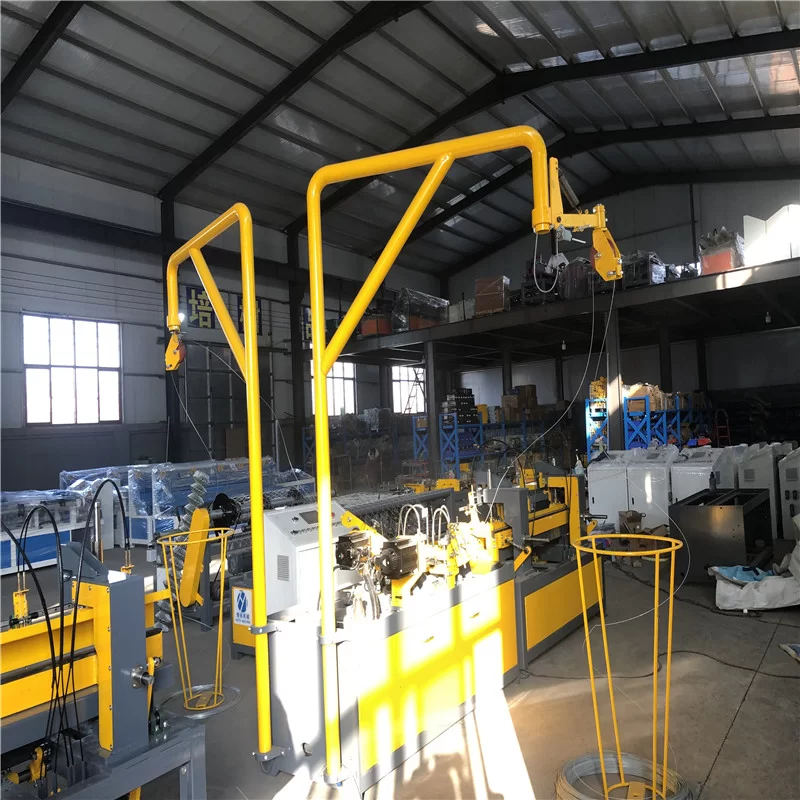
The global demand for versatile fencing and containment solutions has led to a significant evolution in wire weaving technology. Among these, the specialized machinery used to create twisted wire structures stands out for its ability to provide flexible yet durable barriers. Understanding the technical nuances of a hexagonal wire mesh machine is essential for manufacturers aiming to optimize production efficiency while meeting strict industrial standards.
In the modern manufacturing landscape, the transition from manual weaving to automated systems has drastically reduced labor costs and increased output consistency. These machines are now engineered to handle various materials, from galvanized iron to PVC-coated wires, ensuring that the resulting mesh can withstand diverse environmental stressors. This technological shift allows industries to scale their operations rapidly to meet the needs of agriculture, construction, and specialized industrial insulation.
Whether you are looking to enter the poultry breeding market or provide high-grade pipeline insulation, investing in a high-performance hexagonal wire mesh machine provides a competitive edge. By integrating PLC control systems and innovative horizontal structures, today's equipment ensures a smoother run and a smaller physical footprint, making it a sustainable choice for the future of wire mesh production.

Global Industry Context of Hexagonal Wire Mesh Production
The global wire mesh market is driven by the increasing need for secure boundaries in agriculture and infrastructure development. As ISO standards for metal products become more stringent, the reliance on high-precision hexagonal wire mesh machine technology has grown, particularly in emerging economies where livestock farming and rural zoning are expanding.
Many manufacturers previously struggled with high electricity consumption and excessive labor requirements. The introduction of the positive twisted design and PLC-driven automation has addressed these challenges, allowing for a reduction in operational costs while increasing the precision of the mesh size, which can now be produced as small as 10mm.
Defining the Modern Hexagonal Wire Mesh Machine
A hexagonal wire mesh machine is a specialized industrial weaving system designed to create a twisted, six-sided mesh pattern. Unlike standard square grids, the hexagonal structure provides superior flexibility and strength, making it ideal for applications where the mesh must conform to uneven surfaces or provide a secure enclosure for animals.
In contemporary industry, these machines are no longer just mechanical looms but integrated systems. They combine wire feeding, twisting, and winding mechanisms to produce a continuous roll of mesh. This integration ensures that the tension remains constant, preventing deformations in the hexagonal cells and ensuring a professional-grade finish that meets commercial specifications.
The importance of this machinery extends beyond simple fencing. It plays a critical role in humanitarian and industrial needs, such as providing cost-effective materials for emergency enclosures or specialized filters. By utilizing either galvanized iron wire or plastic-coated wire, the machine produces a versatile product capable of resisting corrosion in harsh outdoor environments.
Core Components and Technical Advantages
The efficiency of a hexagonal wire mesh machine lies in its structural design. The adoption of a horizontal structure is a key innovation, as it allows the machine to run more smoothly, reducing vibration and wear on the mechanical parts. This stability is crucial when weaving small mesh sizes, as it ensures the twist is uniform across the entire width of the roll.
One of the most significant advantages is the integration of PLC (Programmable Logic Controller) equipment. This automation simplifies the operation to the point where only two people are required to manage the production line. By reducing the reliance on manual adjustment, the hexagonal wire mesh machine significantly lowers long-term labor costs and minimizes human error during the weaving process.
Furthermore, the new design allows for the production of a minimum mesh size of 10mm, expanding the market reach to high-precision needs like floral decoration and pipeline insulation. The ability to process both galvanized and coated wires means manufacturers can diversify their product line without investing in multiple different machines, maximizing the return on investment.
Performance Metrics and Efficiency Analysis
When evaluating the output of a hexagonal wire mesh machine, production efficiency is measured by the balance of speed, wire diameter compatibility, and power consumption. Modern units have successfully reduced their physical volume, which not only saves factory floor space but also translates to lower electricity consumption per meter of mesh produced.
Comparing different operational setups reveals that automated PLC systems consistently outperform manual configurations in terms of waste reduction and consistency. The ability to maintain precise twists across various wire diameters (ranging from 0.38mm to 1.5mm) ensures that the final product meets the durability requirements of heavy-duty industrial use.
Operational Efficiency of Hexagonal Wire Mesh Machine Variants
Real-World Applications and Use Cases
The products created by a hexagonal wire mesh machine are ubiquitous in agricultural settings. From creating secure poultry runs and breeding cages to establishing large-scale grassland fences, the hexagonal structure's ability to be stretched and shaped makes it the preferred choice for rural land management across Europe, Asia, and the Americas.
Beyond the farm, these machines enable the production of specialized industrial materials. Small-mesh hexagonal netting is widely used for pipeline insulation, protecting critical infrastructure from external damage. Additionally, the aesthetic flexibility of the mesh has led to its adoption in the creative arts, specifically for wedding flower arrangements and high-end floral decorations, showcasing the machine's versatility from heavy industry to delicate crafts.
Long-Term Value and Sustainability
Investing in a high-quality hexagonal wire mesh machine offers significant long-term economic value through cost reduction. By innovating the production process to reduce the machine's footprint and energy draw, manufacturers can lower their overhead costs while increasing their throughput. This shift toward energy-efficient machinery aligns with global sustainability goals to reduce the carbon footprint of heavy industry.
The reliability of the horizontal structure and PLC controls minimizes downtime for repairs and maintenance. When a machine can consistently produce high-quality mesh with minimal waste, the cost per unit drops, allowing companies to offer more competitive pricing in the global market. This stability fosters trust with B2B clients who require consistent specifications for large-scale construction projects.
Moreover, the ability to use coated wires increases the lifespan of the end product, reducing the frequency of replacement for the consumer. This sustainability loop—from an energy-efficient hexagonal wire mesh machine to a long-lasting galvanized product—creates a value chain that benefits the manufacturer, the end-user, and the environment.
Technical Specifications and Parameters
To select the right hexagonal wire mesh machine, it is crucial to analyze the relationship between mesh size, wire diameter, and motor power. For instance, producing a 10mm mesh with a 0.38mm wire requires a different torque and twist count than producing a 55mm mesh with 1.5mm wire. Understanding these parameters ensures the machine is not over-stressed and operates within its optimal efficiency range.
The versatility of the current equipment allows for customized types, meaning manufacturers can adjust the twist and width to meet specific client requests. The integration of auxiliary tools, such as spring winding and spool winding machines, further streamlines the process, allowing the output to be packaged and shipped immediately without secondary processing.
Below is a detailed breakdown of the technical capabilities of the standard hexagonal wire mesh machine series, illustrating how wire diameter and mesh size correlate with the required motor power.
Core Technical Parameters of Hexagonal Wire Mesh Machines
| Mesh Size (mm) |
Wire Diameter (mm) |
Motor Power (KW) |
Application Focus |
| 10mm |
0.38-0.5 |
3/5 |
Insulation / Decoration |
| 25mm |
0.38-0.8 |
5/8 |
Poultry Breeding |
| 38mm |
0.38-0.9 |
5/8 |
Small Animal Fencing |
| 50mm |
0.38-1.0 |
5/8 |
General Purpose Fencing |
| 65mm |
0.38-1.2 |
5/8 |
Garden Perimeter |
| 55mm |
0.5-1.5 |
5/8 |
Heavy Industrial/Gabion |
FAQS
Our new design of the hexagonal wire mesh machine allows for a minimum mesh size of 10mm. This is particularly useful for specialized applications such as pipeline insulation, floral decorations, and precision breeding cages where a tighter weave is required for security and aesthetics.
Yes, the machine is specifically engineered to weave both galvanized iron wire and plastic-coated wire. This versatility ensures that manufacturers can produce mesh suitable for various environments, including those requiring high corrosion resistance for outdoor agricultural use.
Thanks to the integrated PLC equipment, the operation is greatly simplified. Typically, only two people are required to operate the entire system, which significantly reduces long-term labor costs and improves overall production efficiency.
The horizontal structure ensures that the machine runs more smoothly with reduced vibration. This stability is critical for maintaining the consistency of the hexagonal twist and reduces the wear and tear on the mechanical components, leading to a longer machine lifespan.
Absolutely. The machine is capable of manufacturing customized types of hexagonal mesh to meet specific project requirements. By adjusting parameters like the wire diameter and number of twists, you can create tailored solutions for your clients.
Cost reduction is achieved through three main avenues: reduced electricity consumption due to a more compact and efficient design, lower labor costs via PLC automation, and a reduced physical footprint that optimizes factory space utilization.
Conclusion
The adoption of a modern hexagonal wire mesh machine represents a strategic move toward automation and precision in the wire weaving industry. By combining a stable horizontal structure with PLC-driven controls, manufacturers can now produce a wide range of mesh sizes—from 10mm to 55mm—while utilizing diverse materials like galvanized and coated wires. This technological synergy not only improves production quality but also drastically lowers labor and energy costs, ensuring a sustainable and profitable operation.
Looking forward, the integration of even more intelligent automation and eco-friendly materials will continue to redefine the capabilities of wire mesh production. For businesses seeking to scale their output and enter new markets in agriculture, construction, or industrial insulation, investing in high-efficiency weaving equipment is the most reliable path to growth. To explore our full range of industrial solutions, visit our website: www.htmeshmachines.com