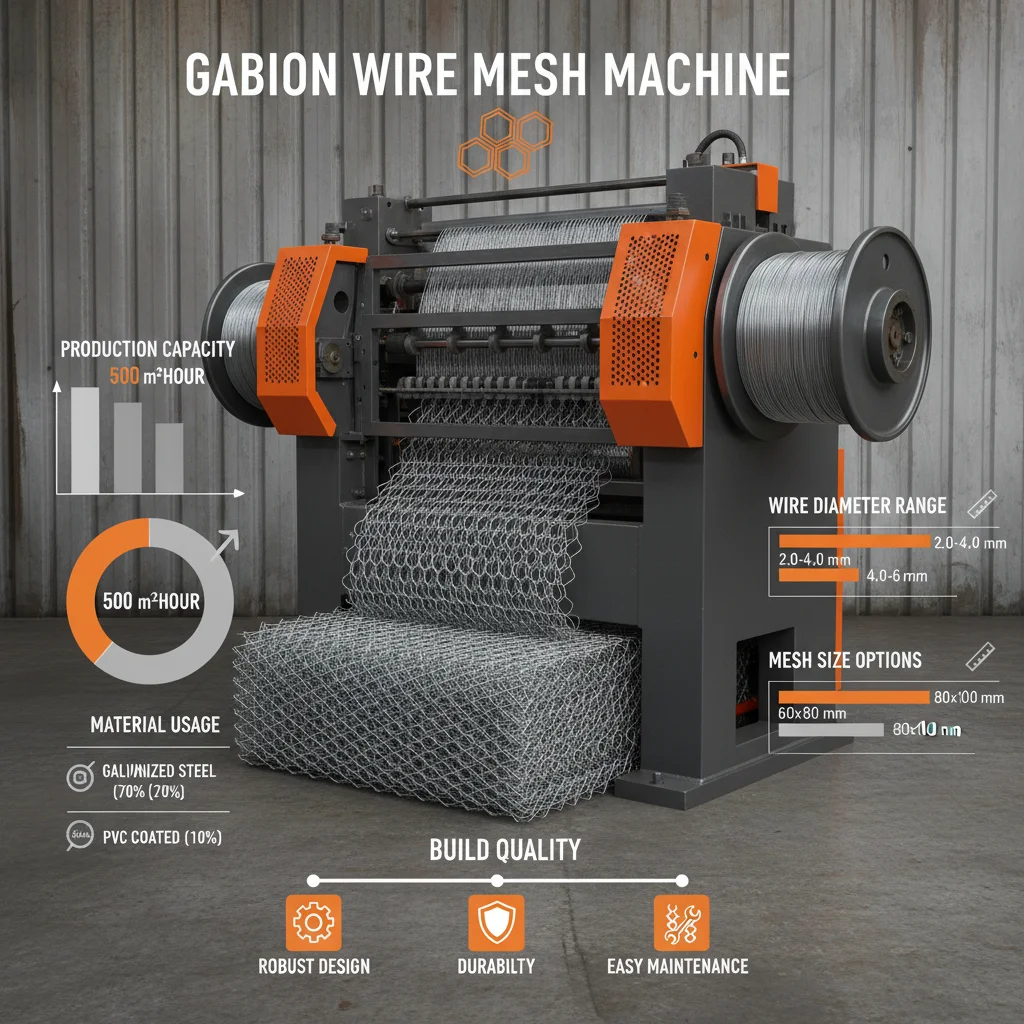
The global demand for sustainable infrastructure and erosion control has propelled the gabion wire mesh machine into the spotlight of industrial manufacturing. As cities expand and environmental protection becomes a priority, the ability to produce high-strength, double-twisted hexagonal mesh efficiently is no longer just a technical advantage but a commercial necessity for manufacturers worldwide.
Understanding the mechanics and operational capabilities of a modern gabion wire mesh machine allows producers to scale their output while maintaining strict adherence to international quality standards. These machines are the backbone of the geotechnical engineering supply chain, providing the essential cages used for riverbank stabilization, retaining walls, and coastal protection projects across diverse terrains.
By integrating automation and precision engineering, the contemporary gabion wire mesh machine reduces waste and optimizes wire consumption, offering a sustainable pathway for the construction industry to implement "green" engineering solutions that blend seamlessly with natural landscapes.
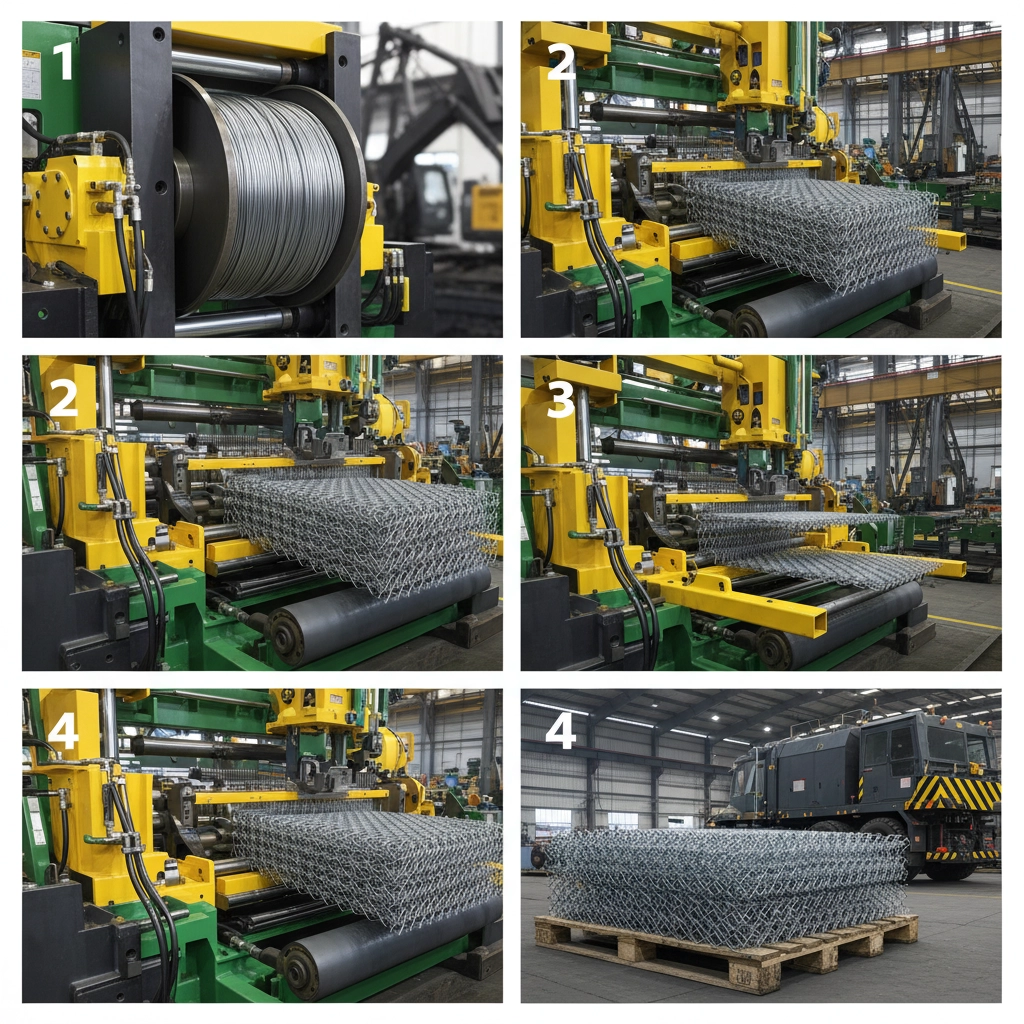
Global Industry Context of Gabion Wire Mesh Machines
On a global scale, the infrastructure sector is shifting toward bio-engineering and permeable structures to combat the effects of climate change and soil erosion. According to trends observed by international development banks, the adoption of gabion systems has surged in Southeast Asia and Africa, where rapid urbanization often clashes with volatile river systems. The gabion wire mesh machine is the primary engine driving this shift, enabling the mass production of galvanized and PVC-coated meshes that can withstand harsh environmental stressors.
However, the industry faces a critical challenge: the balance between production speed and weave integrity. Low-quality machinery often produces meshes with inconsistent apertures, leading to structural failures in the field. This has created a high demand for precision-engineered equipment that ensures every twist is secure, preventing the "unravelling" effect that plagues inferior gabion products.
Defining the Modern Gabion Wire Mesh Machine
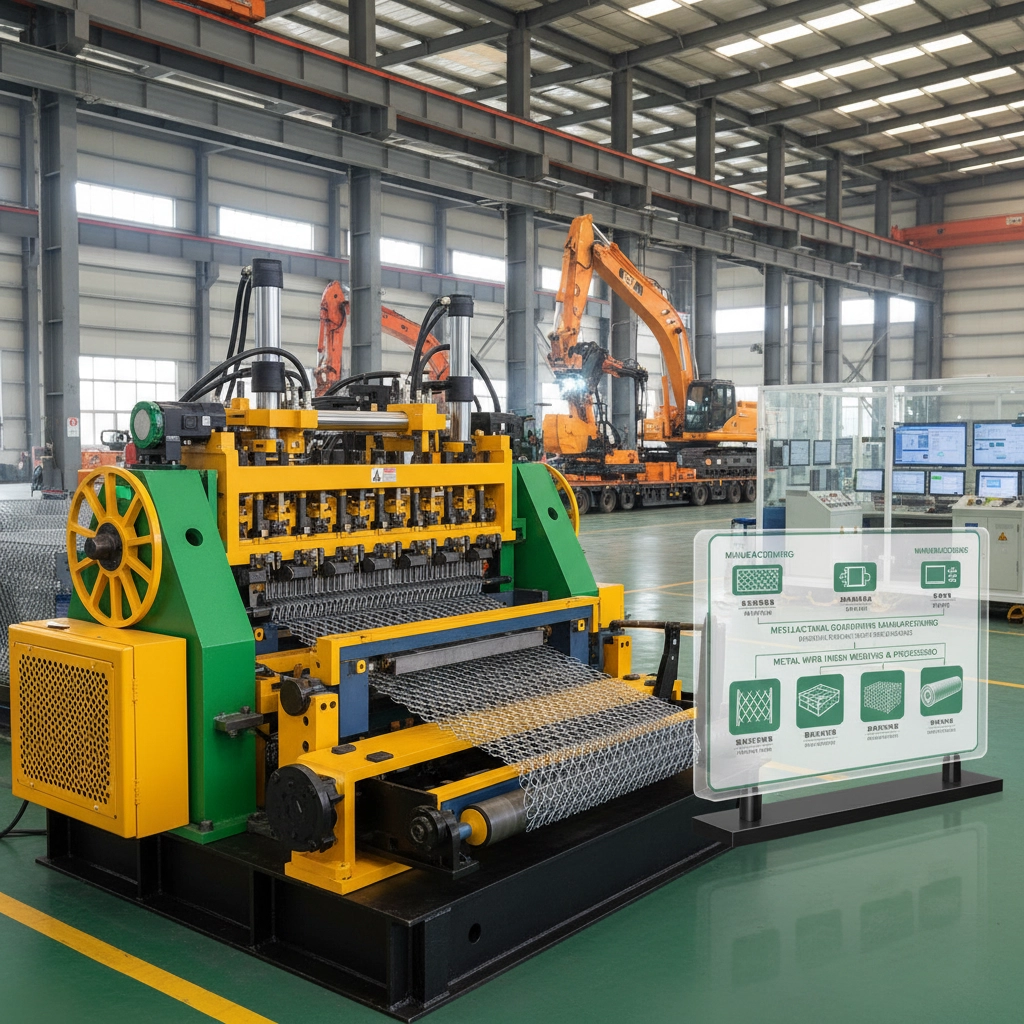
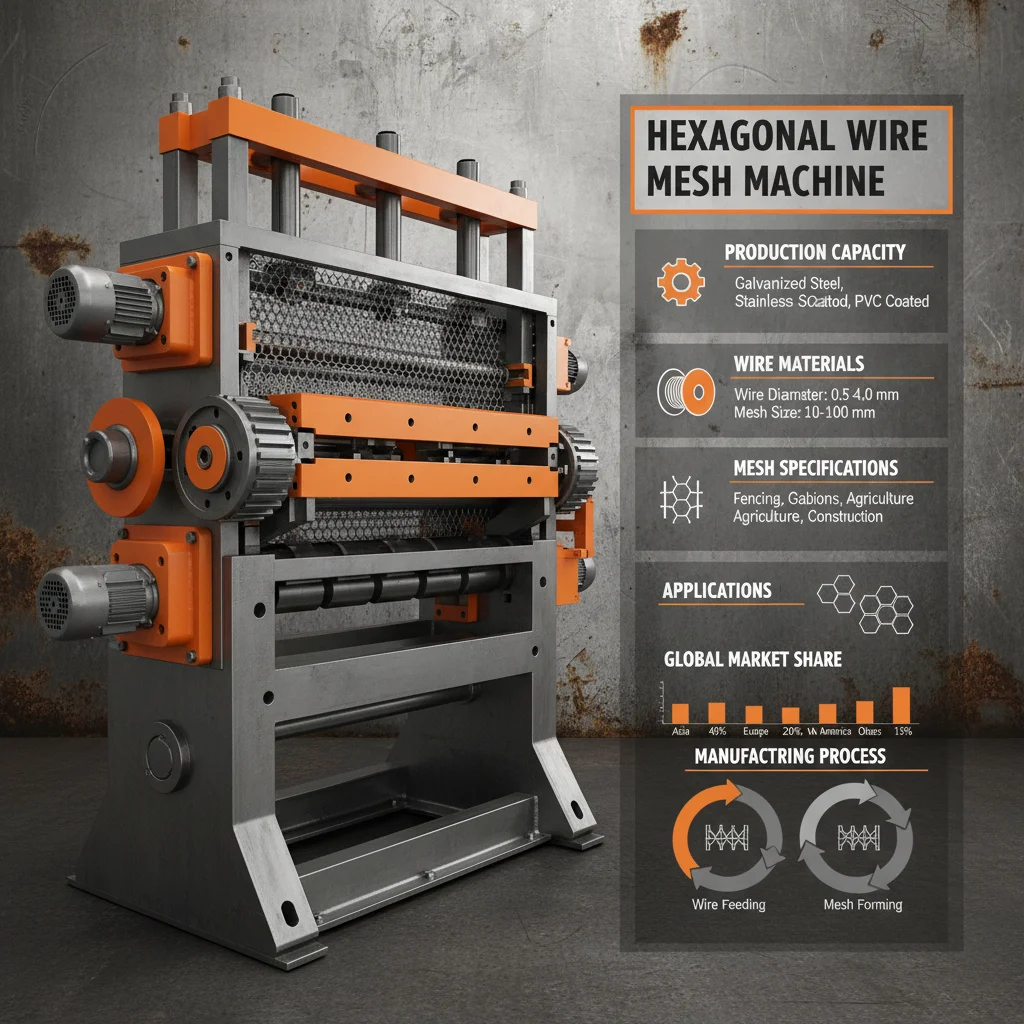
At its core, a gabion wire mesh machine is a specialized piece of industrial equipment designed to weave heavy-gauge galvanized steel wire into a hexagonal pattern. Unlike standard fence weaving, the gabion process involves a unique "double-twist" mechanism. This means that the wires are twisted around each other in a way that keeps the mesh closed even if a wire is cut or broken, making it ideal for containing heavy rocks.
In the context of modern industry, these machines serve as the intersection between metallurgical science and civil engineering. They transform raw wire coils into structural textiles that provide essential support for highways, bridges, and flood defense systems. The transition from manual weaving to fully automatic CNC-controlled systems has significantly lowered the per-unit cost of gabion baskets while increasing the safety margins of the resulting structures.
Beyond industrial utility, the output of these machines addresses urgent humanitarian needs. In post-disaster relief, quickly deployed gabion walls created from machine-woven mesh are used to prevent landslides and secure temporary housing sites, proving that the technology behind the gabion wire mesh machine has direct implications for saving lives and protecting property.
Core Components for Operational Excellence
The reliability of a gabion wire mesh machine depends heavily on the precision of its weaving head. This component must handle high tensions and maintain a consistent twist angle to ensure the hexagonal cells remain uniform. Any deviation in the weaving head's alignment can result in warped mesh, which renders the final gabion basket unstable under load.
Another critical factor is the tension control system. A high-end gabion wire mesh machine utilizes automated tensioning sensors that adjust in real-time to the variations in the wire coil. This prevents wire breakage and ensures that the mesh density is consistent throughout the entire roll, which is paramount for projects requiring strict ISO or ASTM certification.
Finally, the material feeding system and the take-up reel work in harmony to maintain a continuous flow. For manufacturers scaling their operations, the ability to quickly change wire gauges and mesh sizes without extensive downtime is a key competitive advantage. Modern machines incorporate quick-change tooling and digital presets to minimize these transitions.
Key Performance Factors and Efficiency Metrics
When evaluating a gabion wire mesh machine, operators typically look at "Production Velocity vs. Twist Stability." While high speed is desirable, the integrity of the double-twist must not be compromised. The efficiency is measured by the linear meters produced per hour and the percentage of waste wire generated during the startup and shutdown phases.
Additionally, energy efficiency has become a primary KPI. With the rise of electricity costs and carbon taxes, machines that utilize variable-frequency drives (VFDs) to optimize power consumption during different stages of the weaving process are seeing a higher return on investment.
Production Efficiency Analysis by Machine Configuration
Global Applications and Strategic Use Cases
The output of a gabion wire mesh machine is utilized in a vast array of civil engineering projects. In mountain-prone regions like the Alps or the Himalayas, gabion baskets are essential for slope stabilization and preventing debris flows. The flexibility of the mesh allows the structure to deform slightly without failing, a property that rigid concrete walls lack.
Furthermore, in urban landscape architecture, gabion walls are increasingly used for aesthetic retaining walls and noise barriers. In these cases, the machine must produce a mesh with a very clean, uniform appearance, as the cages are often visible in high-end commercial developments. This shift from purely functional to aesthetic use has pushed manufacturers to refine the finishing capabilities of their gabion wire mesh machine setups.
Long-Term Economic and Environmental Value
Investing in a high-quality gabion wire mesh machine provides substantial long-term economic value through the reduction of material waste and labor costs. By automating the double-twist process, factories can reduce their reliance on skilled manual weavers and decrease the rate of defective rolls, which directly impacts the bottom line and enhances the manufacturer's reputation for reliability.
From an environmental perspective, gabion systems are inherently more sustainable than traditional concrete. They are permeable, allowing water to drain naturally and reducing hydrostatic pressure. Because the mesh is produced by a machine that can use recycled steel wire, the carbon footprint of a gabion wall is significantly lower than that of a reinforced concrete wall.
Ultimately, the social impact of this technology is found in the resilience it provides to vulnerable communities. By enabling the affordable production of flood defenses, the gabion wire mesh machine contributes to the safety and dignity of people living in flood-prone river basins, turning industrial capacity into humanitarian protection.
Future Innovations in Wire Mesh Automation
The next generation of the gabion wire mesh machine is moving toward "Industry 4.0" integration. We are seeing the introduction of IoT sensors that monitor wear and tear on the weaving needles in real-time, predicting failures before they happen. This predictive maintenance reduces unplanned downtime and ensures that production schedules are met with pinpoint accuracy.
Moreover, there is a growing trend toward the use of advanced alloys and polymer coatings. Future machines will need to be adapted to handle "smart wires" that can detect structural shifts within the gabion wall via embedded sensors. This will transform gabion baskets from passive containers into active monitoring systems for infrastructure health.
As sustainability policies tighten, the gabion wire mesh machine will also evolve to optimize the use of bio-degradable coatings and high-strength recycled polymers, ensuring that the industry remains viable in a circular economy.
Comparative Analysis of Gabion Machine Technology Generations
| Technology Era |
Control System |
Waste Rate |
Typical Application |
| Mechanical Era |
Manual Levers |
High (8-12%) |
Local Small Projects |
| Early Automation |
Basic PLC |
Medium (5-8%) |
Regional Infrastructure |
| CNC Era |
Digital Interface |
Low (2-4%) |
National Highways |
| Smart Industry |
IoT & AI Cloud |
Very Low (<2%) |
Global Export Markets |
| Eco-Integrated |
Energy-Saving VFD |
Minimal (<1%) |
Green Cities/Coastal |
| Hybrid Era |
Multi-Material Logic |
Low (1-2%) |
Specialized Engineering |
FAQS
The primary difference lies in the "double-twist" weaving mechanism. A standard machine typically creates a single-twist or a simple weave that can unravel if a wire is cut. A gabion wire mesh machine ensures that the wires are twisted twice, creating a self-locking structure that remains intact even under extreme pressure or physical damage, which is critical for containing heavy rock fill.
The wire gauge determines the required torque and tension capacity of the machine. Heavier gauges used for industrial-grade gabions require more robust frames and higher-powered motors to maintain the weave speed without stressing the mechanical components. Choosing a machine with adjustable gauge settings allows for greater versatility in the types of gabion baskets you can produce.
Yes, high-quality gabion wire mesh machines are designed with specialized guides and smooth-surface rollers to prevent abrasion. By optimizing the tension and reducing friction points, the machine ensures that the PVC coating remains intact throughout the weaving process, preserving the mesh's corrosion resistance for saltwater or acidic soil environments.
Daily maintenance typically involves lubrication of the weaving head and checking for wire residue. A comprehensive mechanical audit is usually recommended every 3 to 6 months, focusing on the alignment of the twist-forming tools and the calibration of the tension sensors to prevent "mesh drifting" and maintain consistent aperture sizes.
While the gabion wire mesh machine produces the continuous mesh rolls, the cutting and folding are typically handled by secondary specialized equipment or manual labor. However, some advanced production lines integrate automatic cutting systems that synchronize with the weaving machine to produce pre-sized sheets for immediate basket assembly.
The key is to upgrade to a CNC-controlled machine with a high-precision tensioning system. By stabilizing the wire feed and reducing vibration through a heavier, reinforced machine chassis, you can increase the RPM of the weaving head while ensuring the double-twist remains tight and the hexagonal cells remain uniform.
Conclusion
The gabion wire mesh machine is more than just a piece of factory equipment; it is a critical tool in the global effort to build resilient, sustainable, and eco-friendly infrastructure. By bridging the gap between heavy-duty industrial weaving and geotechnical necessity, these machines enable the creation of structures that protect our coastlines, stabilize our mountains, and integrate seamlessly with the natural environment. From the precision of the double-twist weave to the integration of IoT-driven maintenance, the evolution of this technology continues to drive efficiency and reliability in the construction sector.
Looking forward, the industry must continue to embrace automation and sustainable materials to meet the challenges of a changing climate. For manufacturers, the transition to smart, energy-efficient machinery is no longer optional but a prerequisite for staying competitive in a global market. By investing in advanced weaving technology, producers can ensure they provide the safety and durability that modern civil engineering demands. Visit our website to explore our full range of solutions: www.htmeshmachines.com