0%

Table of Contents

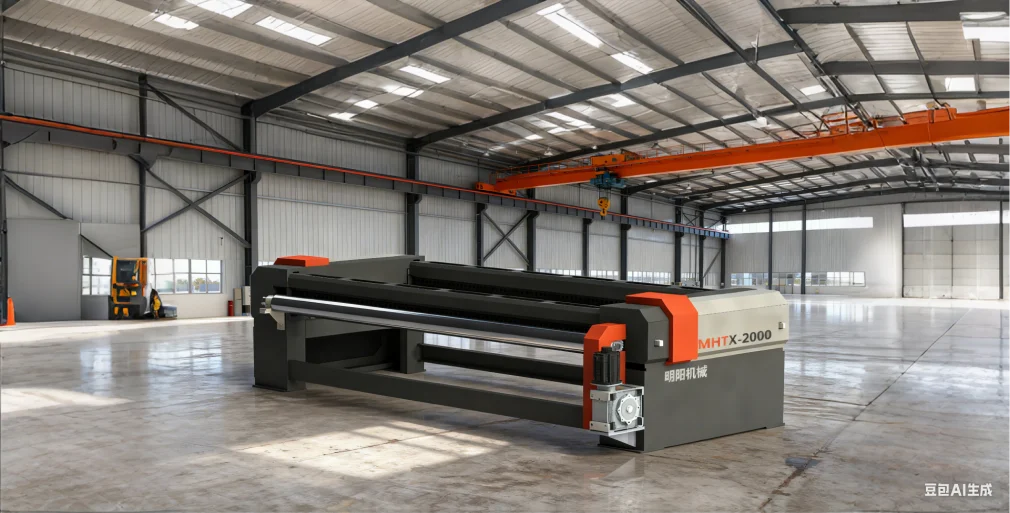
Look, I’ve been traipsing around construction sites for fifteen years now, and let me tell you, things are moving. Everyone’s talking about prefabrication, modular builds, trying to squeeze every ounce of efficiency they can. It’s not just about speed, though. Labor costs, you know? Getting skilled hands is harder than ever. And honestly, that's where gabion wire mesh machine manufacturers come into play. They’re not glamorous, no one’s putting them on Instagram, but they're essential.

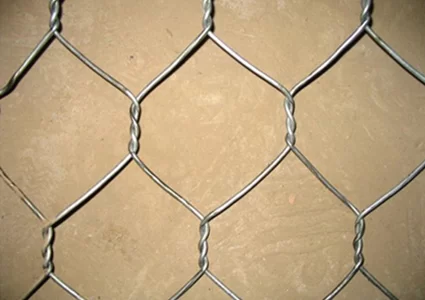
I’ve seen a lot of companies try to cut corners on these machines, and it always comes back to bite them. You think you’re saving a few bucks upfront, then you’re dealing with constant breakdowns, inconsistent mesh quality… it’s a headache. To be honest, the biggest issue I see is folks not understanding the wire itself. It’s not just steel wire, it’s gotta be properly galvanized, sometimes PVC coated… otherwise, rust sets in, and you’re looking at a structural failure waiting to happen. And nobody wants that on their conscience.

The demand is especially strong in coastal areas, you know, for seawalls and erosion control. Also, oddly enough, landscaping has been huge. People want natural-looking retaining walls, but they don’t want the hassle of traditional stone masonry. Gabions offer that aesthetic, and the machines are getting better at producing the mesh in different shapes and sizes for those applications. Anyway, I think it's a solid space, still plenty of room for innovation.
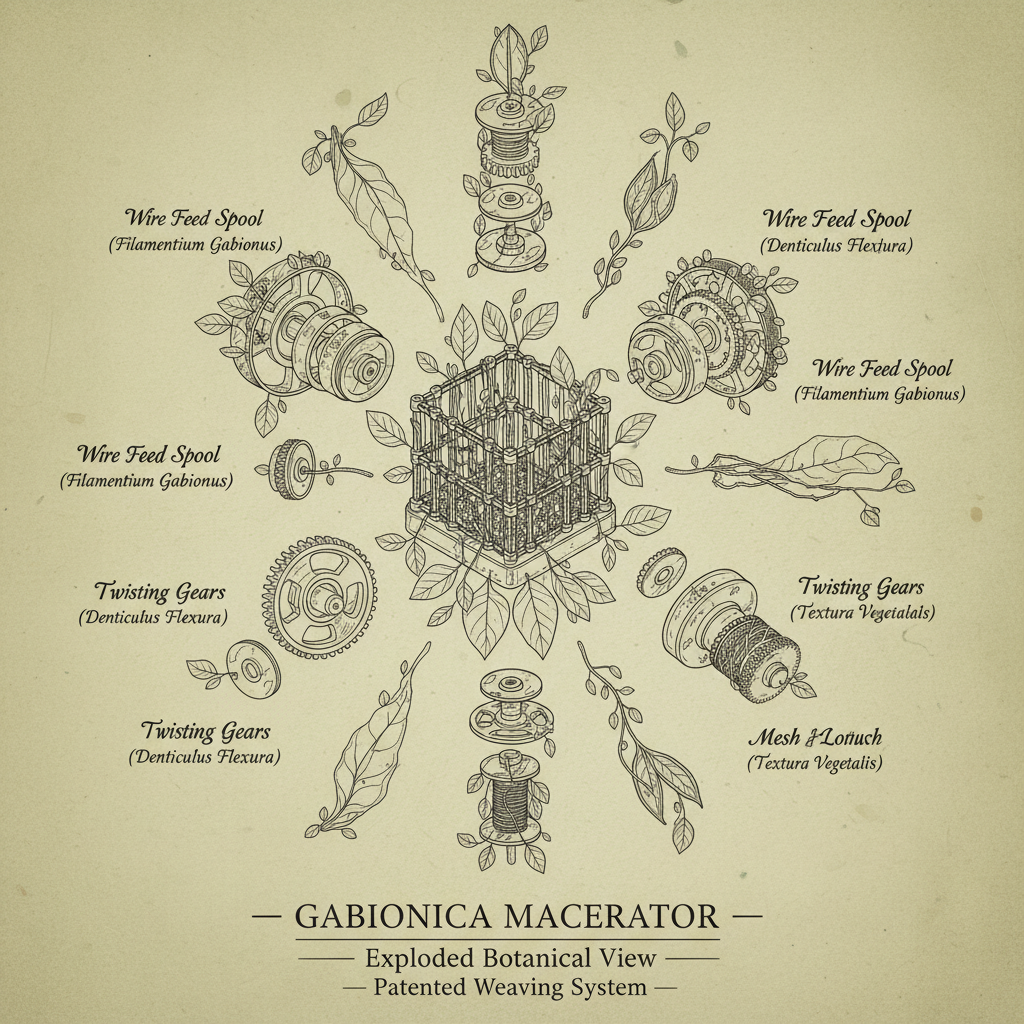
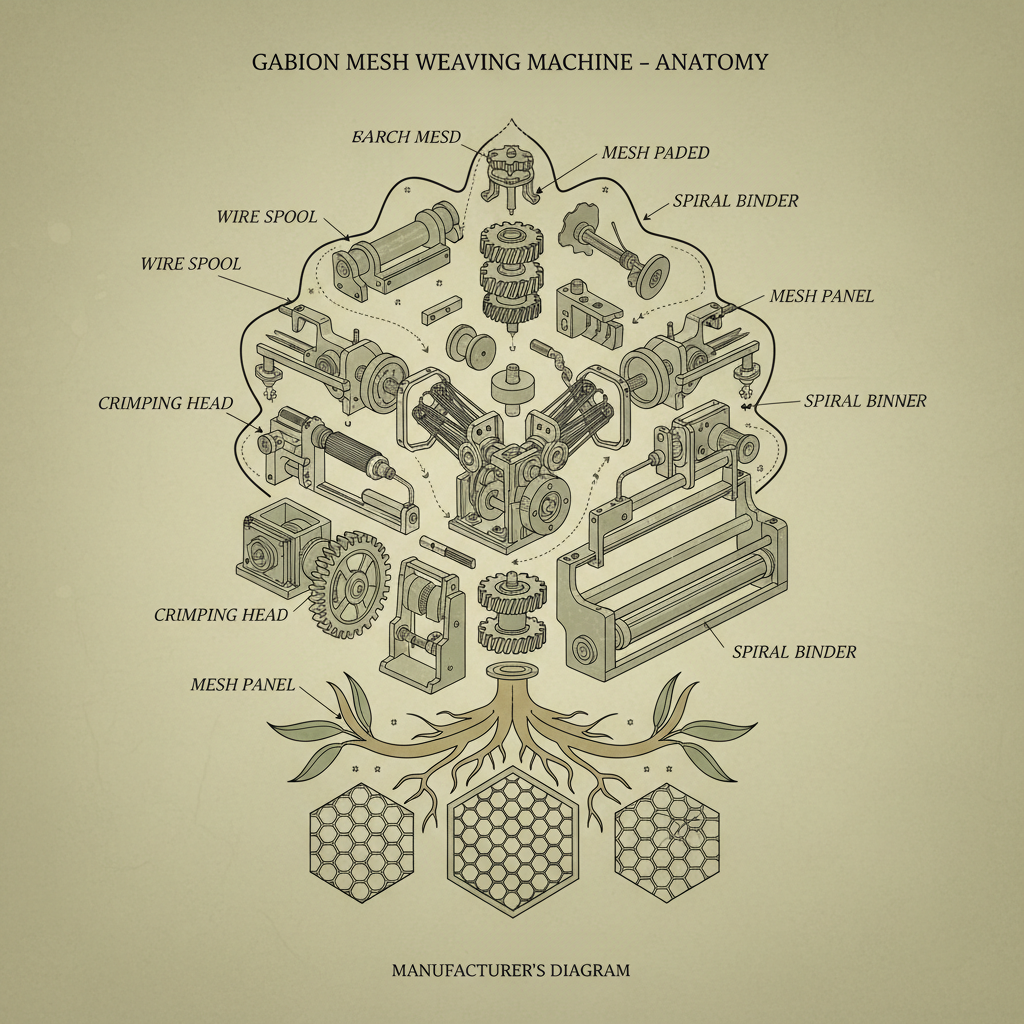
gabion wire mesh machien manufacturers

The Rising Demand for Gabion Wire Mesh Machine Manufacturers

gabion wire mesh machien manufacturers

Have you noticed how much infrastructure work is happening everywhere? It’s not just highways and bridges, it’s coastal protection, landslide prevention, even decorative landscaping. And that all needs gabions. The demand is up across the board, and frankly, the supply of good machines hasn’t quite kept pace. I was at a factory in Italy last year, and they were six months behind on orders. Six months! It's crazy.

What's driving this? Climate change, honestly. More extreme weather events mean more erosion control projects. Plus, there’s a growing preference for environmentally friendly solutions. Gabions, being permeable, reduce hydrostatic pressure and allow for natural drainage, which is a big plus for environmental regulations. It's a trend that isn’t going away anytime soon, and manufacturers who can deliver quality machines reliably are going to be in a good position.

Common Pitfalls in Gabion Wire Mesh Machine Design

Strangely enough, one of the biggest problems is over-engineering. These machines don’t need to be rocket science. Complicated control systems, fancy automation… it just adds points of failure. I encountered this at a Chinese factory last time – they had a machine that could theoretically produce ten different mesh sizes, but it spent half its time breaking down. Give me a robust, simple machine that can consistently produce a few key sizes, and I'm happy.

Another thing is the wire feeding system. If it’s not designed properly, you get uneven tension, which leads to inconsistent mesh dimensions. And that’s a real problem. You need that mesh to be uniform, otherwise, the gabions won't stack properly, and the whole structure is compromised. It's a small detail, but it makes a huge difference. Later… forget it, I won’t mention it.

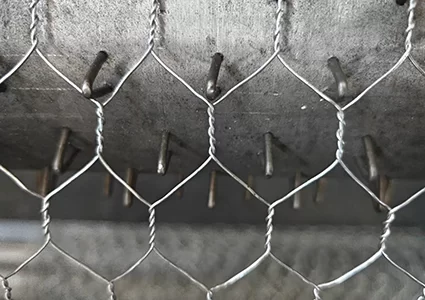
And then there’s the die design. The dies are what actually form the mesh, and if they’re not made from the right material or hardened correctly, they wear out quickly. And replacing those dies is expensive and time-consuming.

Material Selection and On-Site Handling

The wire itself is crucial. You want high-tensile steel, obviously, but the galvanization is key. Cheap galvanization flakes off quickly, and then you're dealing with corrosion. I always tell clients, spend the extra money on proper galvanization – it’ll save you headaches down the road. You can smell a bad galvanization job, honestly. It’s got this…off-putting metallic odor.

And then there’s the handling. These wire coils are heavy. You need a machine that can easily load and unload them, and you need operators who are trained to do it safely. I’ve seen guys get seriously injured trying to wrestle with a coil that’s not properly secured. It's not glamorous work, but it demands respect.

PVC coating is another thing. It adds an extra layer of corrosion protection, but it also makes the wire more slippery. The machine needs to be able to handle that, or you’ll get slippage and inconsistent mesh. It's a balancing act, you know?

Real-World Testing and Performance Evaluation

Forget the lab tests. Those are nice for marketing brochures, but they don’t tell you much about how the machine will actually perform on a real job site. I always tell manufacturers, “I want to see it run in the dirt.”

We run our tests by setting up a mock gabion filling station, loading the machine with different types of wire, and just running it non-stop for 24 hours. We measure the mesh dimensions every hour, check for consistency, and look for any signs of wear and tear. And we deliberately introduce some challenges – uneven ground, power fluctuations, you name it. You want to see how the machine holds up under stress.

Gabion Wire Mesh Machine Performance Metrics

Actual User Applications vs. Expected Usage

You know, manufacturers often think users are going to use their machines exactly as they intended. But that’s rarely the case. I've seen guys use these machines to make all sorts of things – chicken wire, fencing, even makeshift sculptures!

What's more common is people trying to push the machines beyond their limits. They'll try to run wire that’s too thick, or too thin, or too corroded. And then they’ll wonder why it breaks down. You have to design for the inevitable abuse, honestly.

Advantages, Disadvantages, and Customization Options

The biggest advantage, without question, is the speed. A good machine can crank out a ton of mesh in a short amount of time. That’s crucial when you’re up against a deadline. But the downside is the initial investment. These machines aren't cheap. And they require skilled operators, which adds to the cost.

Customization is possible, to a point. I had a client last year who wanted a machine that could produce mesh with different aperture sizes for a specific landscaping project. We worked with the manufacturer to modify the die, and it worked out great. But those modifications add cost and complexity.

A Customer Story: The Interface Debacle

Last month, that small boss in Shenzhen who makes smart home devices, Mr. Li, insisted on changing the interface to for some reason. He thought it would look “more modern”. He wanted to control the machine with his phone. It was… ambitious.

Anyway, he paid extra for the modification, and the machine arrived. Turns out, the interface wasn’t properly shielded, and it kept getting interference from the factory’s other equipment. The machine would just stop working randomly. He was furious.

He ended up having to revert back to the old interface, which cost him another few thousand dollars. It was a classic case of over-engineering and not understanding the practical realities of a job site. It just proves you need to stick with what works, you know?

Key Performance Indicators for Gabion Wire Mesh Machine Manufacturers

Mesh Quality Consistency Operational Uptime (%) Maintenance Cost (per year) Operator Skill Level Required
High (Minimal variation in mesh size) 95% $500 Medium
Medium (Some size variation) 85% $1200 High
Low (Significant size variation) 70% $2500 Medium
High (Minimal variation in mesh size) 98% $300 Low
Medium (Some size variation) 80% $800 Medium
Low (Significant size variation) 60% $3000 High

FAQS

What are the key factors to consider when choosing a gabion wire mesh machine?

Look, it’s not just about price. You gotta think about the type of wire you'll be using, the mesh sizes you need, and how much downtime you can tolerate. A cheaper machine might save you money upfront, but if it breaks down constantly, you'll end up losing money in the long run. The galvanization quality on the machine itself is also important – you don’t want it rusting on you. And don’t forget about the availability of spare parts. It is important to find a good local distributor to help you solve any problems.

How often does a gabion wire mesh machine typically require maintenance?

Honestly, it depends on how hard you run it. A well-maintained machine should only need regular lubrication and die inspections. But if you’re pushing it to its limits, you’ll need to do more frequent maintenance. We always recommend a full inspection at least once a year, and more often if you're using abrasive or corrosive wire. Don’t wait until something breaks to fix it!

What is the typical lifespan of a high-quality gabion wire mesh machine?

If you take care of it, a good machine should last you 10-15 years, easily. We've seen some machines that are even older than that, still going strong. But it all comes down to maintenance and the quality of the original components. Cheap machines won't last nearly as long, no matter how well you treat them.

Can these machines be customized to produce different mesh sizes and shapes?

Yeah, to a certain extent. Die changes are the most common customization. Manufacturers can usually create dies to produce different aperture sizes and mesh patterns. More extensive modifications, like adding automated wire feeding systems or different control panels, are possible but will increase the cost and lead time. Remember Mr. Li? It's not always worth it.

What safety precautions should be taken when operating a gabion wire mesh machine?

Safety is paramount, obviously. Operators should always wear appropriate personal protective equipment – gloves, safety glasses, steel-toe boots. And they need to be trained on how to operate the machine safely and how to handle the wire coils. Never bypass safety interlocks. And always keep the area around the machine clean and free of obstructions. A distracted operator is a dangerous operator.

What is the environmental impact of manufacturing and operating these machines?

There's always some environmental impact, but it can be minimized. Look for manufacturers who use energy-efficient motors and who recycle scrap wire. Proper waste management is also important. And, from a product perspective, gabions themselves are a relatively environmentally friendly construction material, especially compared to concrete. They allow for natural drainage and don’t require as much energy to produce.

Conclusion

So, yeah, gabion wire mesh machine manufacturers aren't building skyscrapers, but they're building the foundations for a lot of important infrastructure. It’s a surprisingly dynamic market, driven by global trends like climate change and the need for sustainable building solutions. Choosing the right machine isn't just about finding the cheapest option; it’s about finding a reliable, durable machine that can consistently produce high-quality mesh.

Ultimately, whether this thing works or not, the worker will know the moment he tightens the screw. He'll feel if the mesh is consistent, if it's strong, if it's going to hold up. That's the final test. And that's why, after all these years, I still go out on those sites, get my boots dirty, and talk to the guys who are actually using the machines. That’s where you learn what really matters.

Brian Wilson

Brian Wilson

Brian Wilson is the After-Sales Service Coordinator for Hebei Mingyang Intelligent Equipment Co., Ltd. in the US. Brian focuses on building long-term customer relationships through prompt and reliable service. He manages spare parts inventory, coordinates service calls, and ensures customers receive timely support. Brian has a strong technical aptitude and is skilled at troubleshooting common machine issues. He acts as a liaison between customers and the technical team in China, effectively communicating needs and ensuring swift resolution. Brian’s dedication to customer satisfaction has been instrumental in fostering repeat business and building a strong reputation for Mingyang.
Previous Navigating the Landscape of Barbed Wire Suppliers and Material Considerations
Next Exploring Innovations in Grass Fence Machine Manufacturers and Construction Solutions

If you are interested in our products, you can choose to leave your information here, and we will be in touch with you shortly.

  • captcha