Understanding Lathe Net Fishing: A Global Perspective
Lathe net fishing—a term many might not hear daily, yet it holds significant relevance in fisheries across the world. At its core, this method combines age-old techniques with precise engineering, enabling effective harvesting of aquatic life while minimizing environmental impact. Globally, fisheries account for a whopping 57 million jobs according to the FAO, and methods like lathe net fishing play a crucial part in sustainable practices that support livelihoods and food security in coastal communities.
Why does it matter? Think about it: with declining fish stocks and increasing demand for seafood, the efficiency and sustainability of fishing techniques directly influence global health and economies. Lathe net fishing has emerged as a promising solution to balance productivity with ecological care.
Mini takeaway:
Lathe net fishing isn't just a niche method; it's a key player in satisfying global seafood demand responsibly.
Introduction: Global Context and Challenges in Sustainable Fishing
The fishing industry is facing unprecedented pressure. With over 80% of global fish stocks exploited beyond safe biological limits (FAO, 2022 report), innovative solutions like lathe net fishing could tip the scales back toward sustainability.
This technique reduces bycatch and habitat destruction compared to traditional trawl methods. Yet, challenges remain—like deploying nets efficiently in diverse oceanic environments or balancing cost with durability. Various coastal nations — from Southeast Asia to Scandinavia — are experimenting with lathe net fishing equipment to comply with increasingly strict international environmental regulations, partly driven by ISO standards on fishing gear sustainability.
Mini takeaway:
Lathe net fishing addresses both ecological and regulatory challenges, signaling a shift toward responsible fishing worldwide.
What Is Lathe Net Fishing?
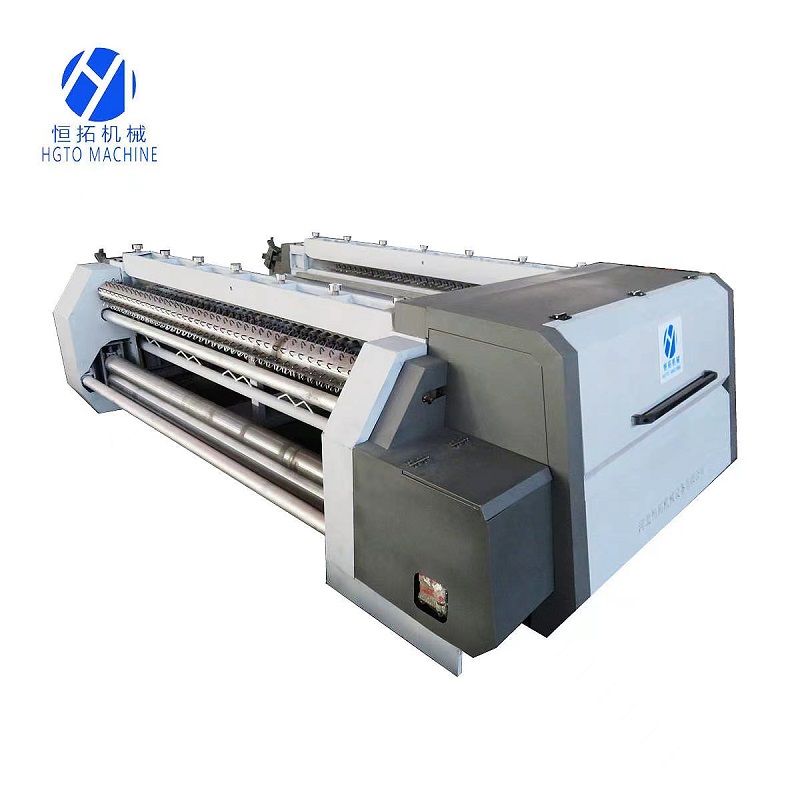
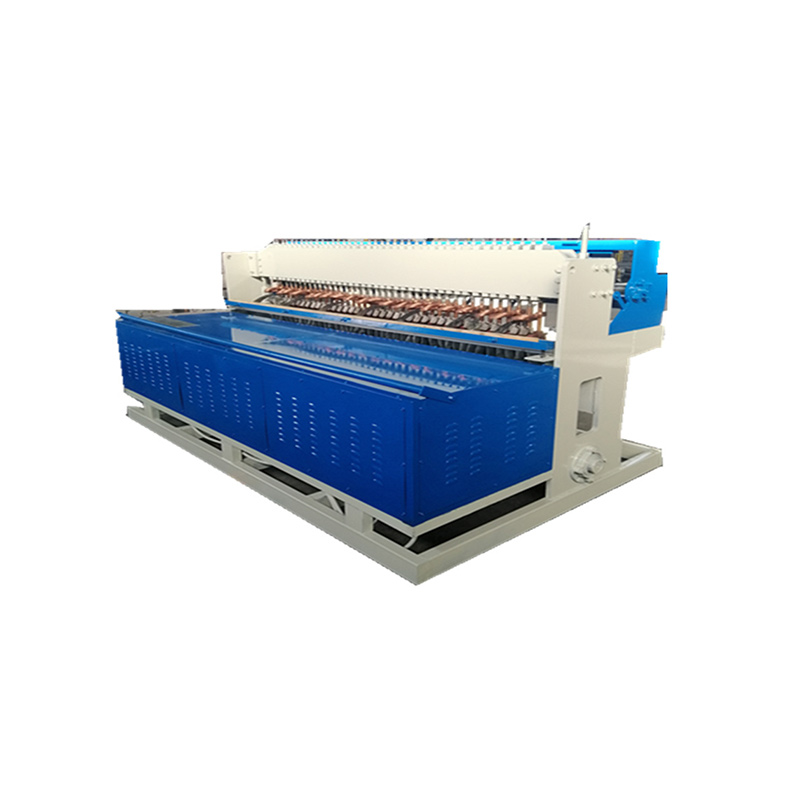
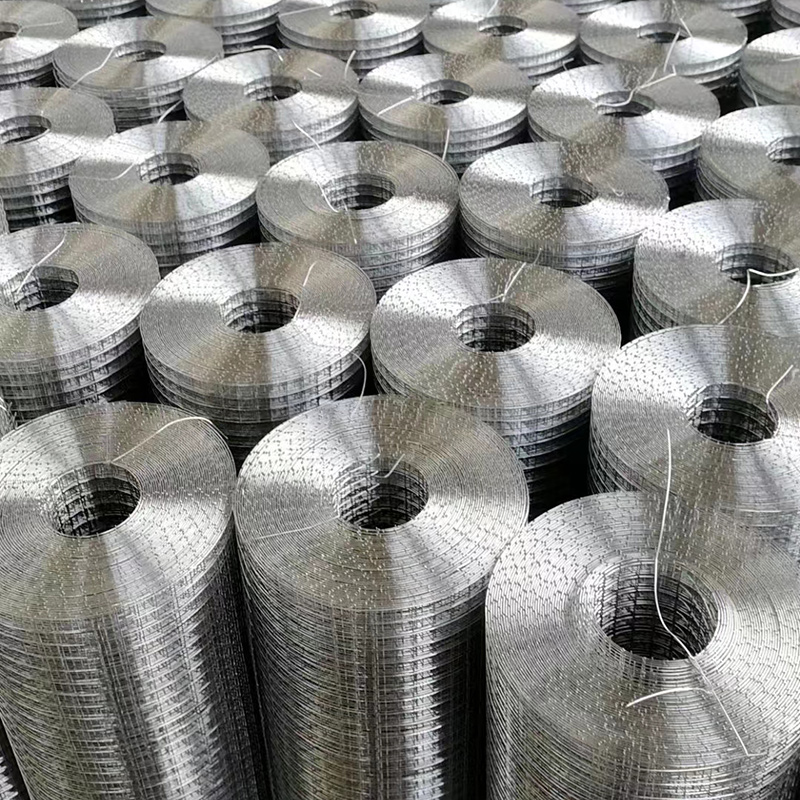
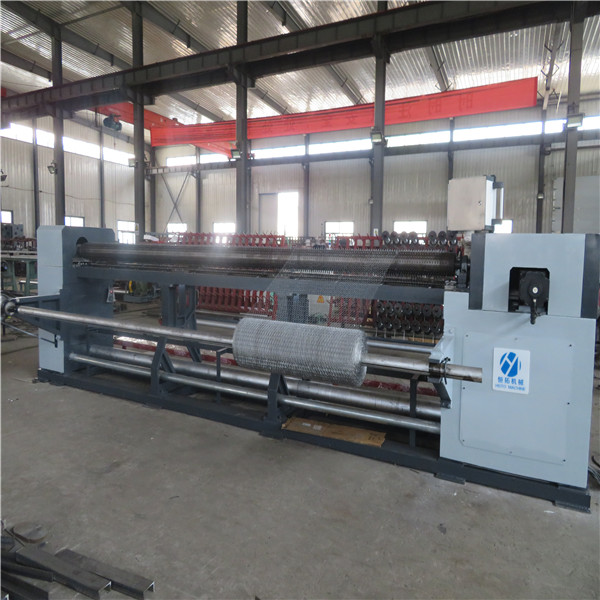
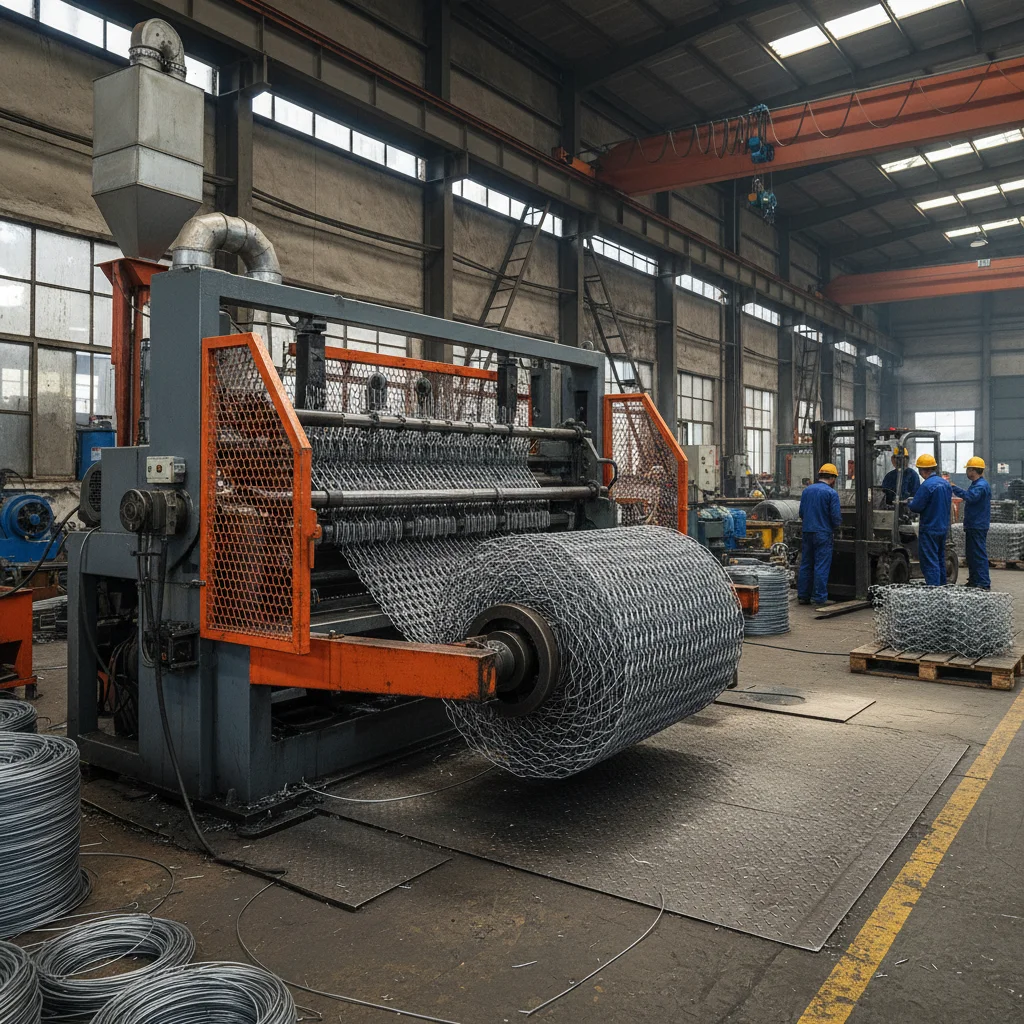
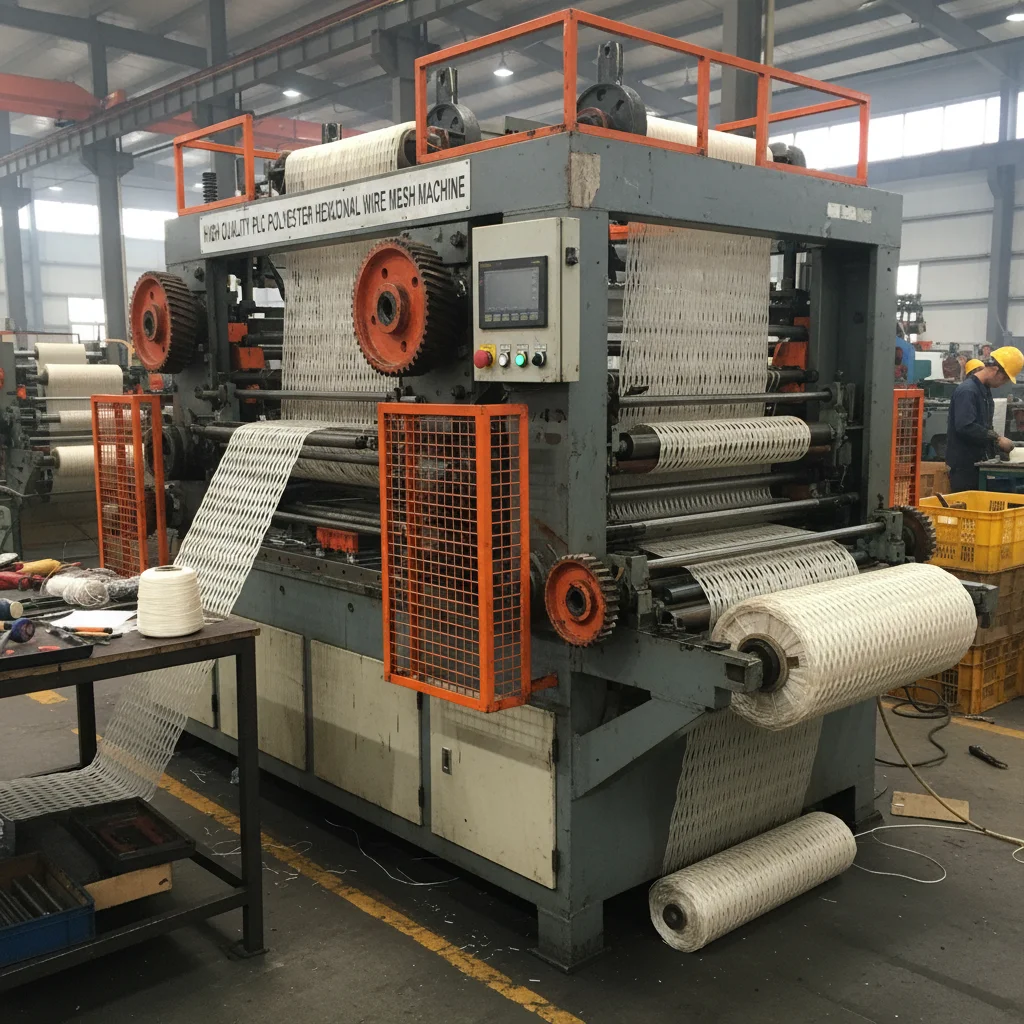
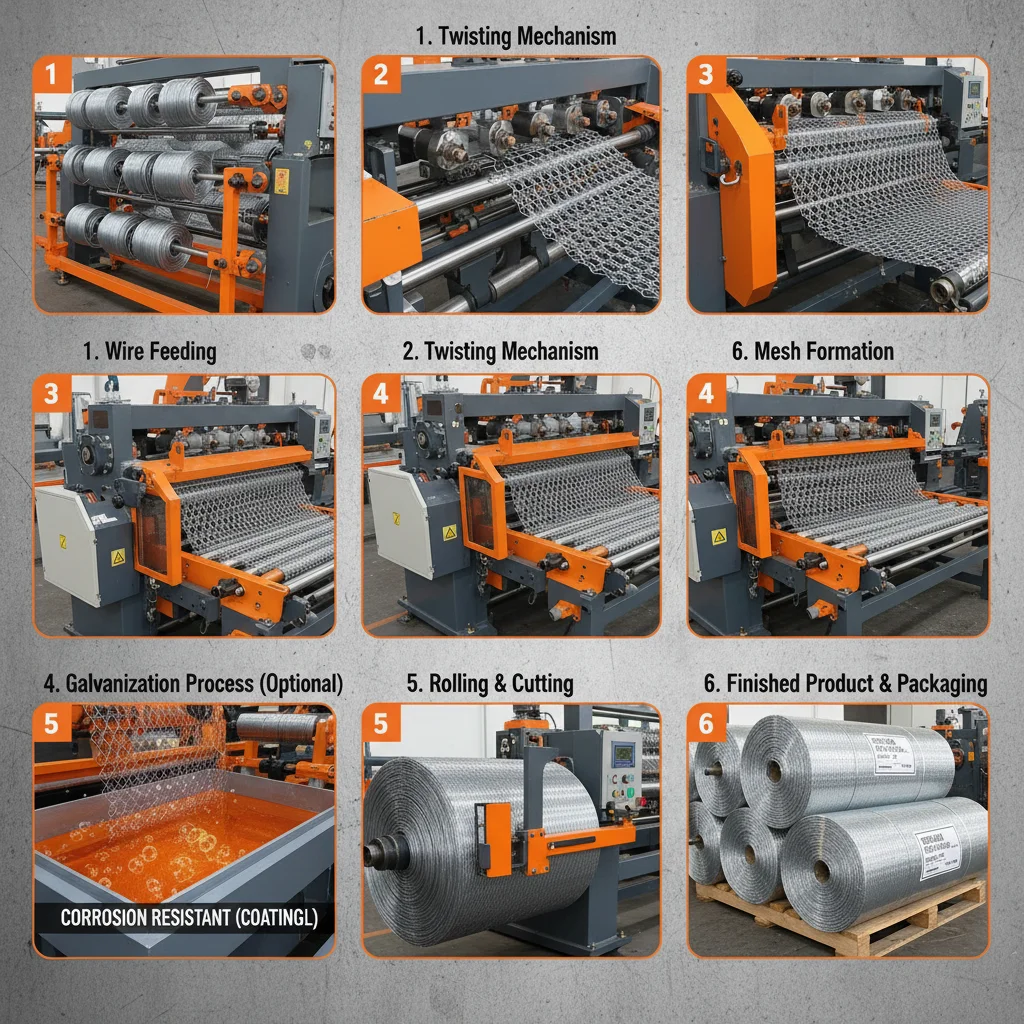
Simply put, lathe net fishing uses mechanically crafted mesh nets—often produced via lathe machines—to create highly precise and durable fishing nets. This contrasts with handmade nets, providing consistency that translates to better net performance in rough sea conditions.
Industrially, lathe net fishing is linked to modern fisheries seeking to reduce waste and improve catch quality. Humanitarian-wise, its efficiency supports coastal economies and food security, especially in developing regions where fishing is a primary livelihood.
Mini takeaway:
“Lathe net fishing” is the art and science of manufactured precision nets designed to catch fish more effectively and sustainably.
Core Components of Effective Lathe Net Fishing
Durability
The materials used—typically nylon or polyethylene—must withstand saltwater corrosion and physical wear. Nets produced on lathe machines can have uniform thickness and knot strength, which greatly extends net life.
Scalability
With mechanical production, net sizes and mesh variations can be custom-designed quickly, facilitating small artisanal fisheries or large commercial fleets alike.
Cost Efficiency
While the initial investment in lathe net equipment is higher, the longer lifespan and reduced maintenance lower costs over time.
Environmental Compatibility
Maintaining mesh sizes that prevent juvenile fish capture, and using biodegradable net materials, reduces ecological damage.
Ease of Repair
Because lathe-produced nets are consistent, repairs can be standardized and simplified—a boon for fishermen at sea.
Mini takeaway:
Precision manufacturing equips lathe net fishing with durability and adaptability that meet real-world demands.
Global Applications & Use Cases of Lathe Net Fishing
Across Southeast Asia, countries like Vietnam and Indonesia leverage lathe net fishing to support millions of smallholder fishers while adhering to tighter sustainability policies. On the other side of the world, Scandinavian fisheries integrate these nets for cod and herring harvests, ensuring selectivity and minimizing bycatch.
In post-disaster relief scenarios—say, after typhoons that destroy boats—lathe nets can be rapidly produced and supplied to affected communities, enabling families to resume fishing quickly.
Even aquaculture operations are benefiting by incorporating lathe nets in containment systems to improve water flow and reduce escapes.
Mini takeaway:
Lathe net fishing techniques are versatile, supporting various fisheries and social necessities across the globe.
Advantages and Long-Term Value of Lathe Net Fishing
The precise manufacturing process translates to lower net failure and less lost gear — a major source of ocean “ghost fishing.” Cost reductions from fewer repairs and longer net lifespan improve profitability. Socially, reliable equipment fosters confidence and safety among fishers, reinforcing dignity and community resilience.
From an environmental view, better selectivity prevents unnecessary ecosystem harm, promoting biodiversity for future generations. Innovation fosters trust between fishing communities and regulators, paving the way for sustainable fisheries management.
Product Specification Table
| Feature |
Specification |
| Mesh Material |
High-density Nylon 6,6 |
| Mesh Size |
Customizable 10-60 mm |
| Net Dimensions |
Variable (up to 500 m length) |
| Knot Type |
Double Fisherman’s Knot |
| UV Resistance |
Up to 12 months exposure |
| Coating |
Eco-friendly silicone based |
Leading Vendors in Lathe Net Fishing Equipment
| Vendor |
Product Range |
Global Reach |
Price Level |
Sustainability Certification |
| Htmesh Machines |
Custom lathe nets, repair kits |
Asia, Europe, N.America |
Mid |
ISO 16604 |
| NetWorks Global |
Large-scale industrial nets |
Europe, South America |
High |
Marine Stewardship Council |
| BlueWave Solutions |
Modular nets & accessories |
Asia-Pacific, Africa |
Low |
ISO 20623 |
Looking Ahead: Future Trends in Lathe Net Fishing
Lathe net fishing is not frozen in time; it’s evolving. Recent advances include biodegradable polymers to combat ghost fishing and AI-assisted net deployment systems that optimize catch while minimizing waste. Solar-powered drying and repair machines are surfacing in remote areas, driven by green energy goals. Digitization is reshaping inventory and maintenance via IoT sensors embedded in nets—maybe it feels a little sci-fi, but it's true.
Mini takeaway:
Innovation in materials and technology ensures lathe net fishing remains sustainable and efficient well into the future.
Common Challenges and Solutions
Of course, no method is perfect. Durability in extreme weather sometimes falters, and initial capital costs can be a barrier for small fishers. There’s also a learning curve to adopt automated deployment systems. However, NGOs and government subsidies increasingly support training and financing. Hybrid nets combining traditional and lathe technology also help ease transitions.
FAQ: Frequently Asked Questions About Lathe Net Fishing
- What makes lathe net fishing better than traditional hand-knotted nets?
- Lathe nets offer uniform mesh size and stronger, consistent knots, increasing durability and selectivity. This reduces bycatch and extends net life, ultimately saving costs.
- How long can lathe nets typically last in saltwater conditions?
- With high-density nylon and protective coatings, lathe nets commonly last 12-18 months under normal use, which is considerably longer than traditional nets.
- Are lathe-produced nets environmentally friendly?
- Yes, many manufacturers incorporate eco-coatings and biodegradable materials to reduce environmental impact and ghost fishing risks.
- How difficult is it for small-scale fishermen to switch to lathe nets?
- While upfront costs and training are needed, partnerships with local organizations and financing options help small fishers adopt lathe nets without undue burden.
- Can lathe net fishing technology be combined with other modern fisheries tools?
- Absolutely. Many fleets integrate lathe nets with sonar and GPS technology to maximize catch efficiency sustainably.
Conclusion: Why Lathe Net Fishing Is a Sustainable Choice
In the grand scheme, lathe net fishing embodies a practical, sustainable approach that benefits fishers, regulators, and the environment alike. It’s a promise of better yields, safer practices, and a future where fishing communities thrive without depleting the oceans.
If you’re curious to explore lathe net fishing solutions firsthand, do check out our comprehensive resources and products at lathe net fishing. The future of fishing is precise, responsible, and quite exciting.
References:
- FAO Fisheries and Aquaculture Department
- International Organization for Standardization (ISO)
- Wikipedia: Fishing Industry Overview