Understanding the Polyester Hexagonal Mesh Machine: A Gateway to Advanced Textile Manufacturing
If you've ever wondered how those incredibly strong yet lightweight hexagonal mesh fabrics come to life, chances are you've encountered the polyester hexagonal mesh machine—the unsung hero of modern textile industry. Globally, industries ranging from construction and agriculture to humanitarian aid rely on these machines for producing durable meshes that solve complex problems. Knowing what they do and why they matter offers insight not only into textile manufacturing but also into crucial applications like erosion control, safety netting, and more. So, let's unravel this topic and see why it’s not just industrial jargon but something that impacts real lives worldwide.
Polyester Hexagonal Mesh Machine: Why It Matters Globally
The global demand for technical textiles is growing rapidly; according to the International Organization for Standardization (ISO), market value exceeds USD 250 billion and continues to climb steadily. The polyester hexagonal mesh machine plays an important role here by producing structured meshes that balance strength and flexibility, which traditional woven fabrics can't achieve easily. Whether cushioning infrastructure from natural disasters or providing breathable, protective covers in agri-sectors, this machine addresses a critical gap.
One persistent challenge the machinery solves is creating a mesh that is durable enough for harsh environments yet lightweight and cost-efficient—something many industries have struggled with. It's no surprise then that sectors in Southeast Asia, Europe, and North America are heavily investing in these machines to optimize their mesh production.
Mini takeaway: The polyester hexagonal mesh machine is more than a textile tool; it’s a linchpin for global industries dealing with tough environmental, safety, and efficiency demands.
What Exactly Is a Polyester Hexagonal Mesh Machine?
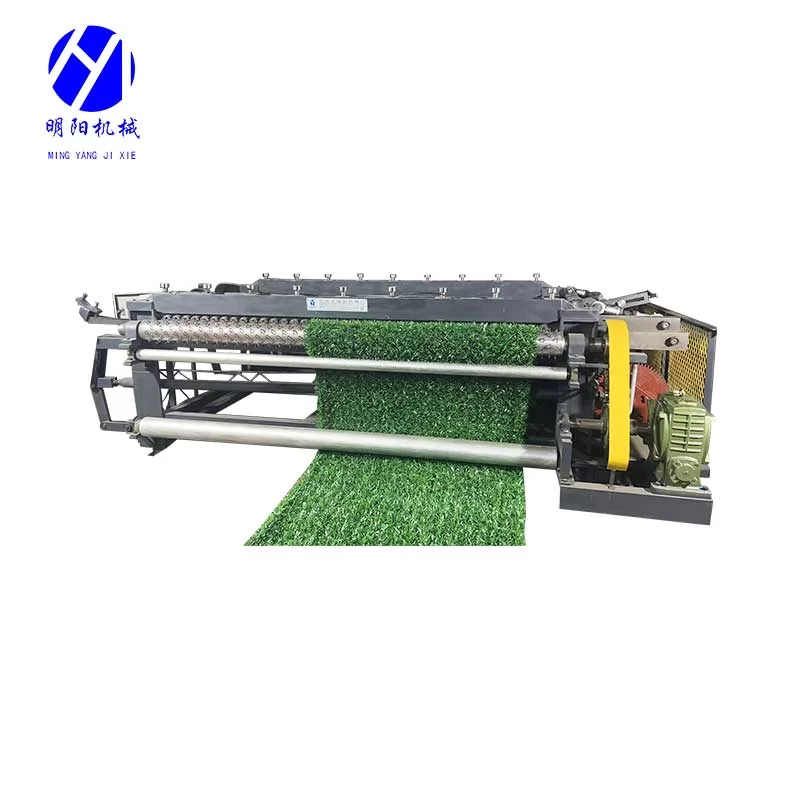
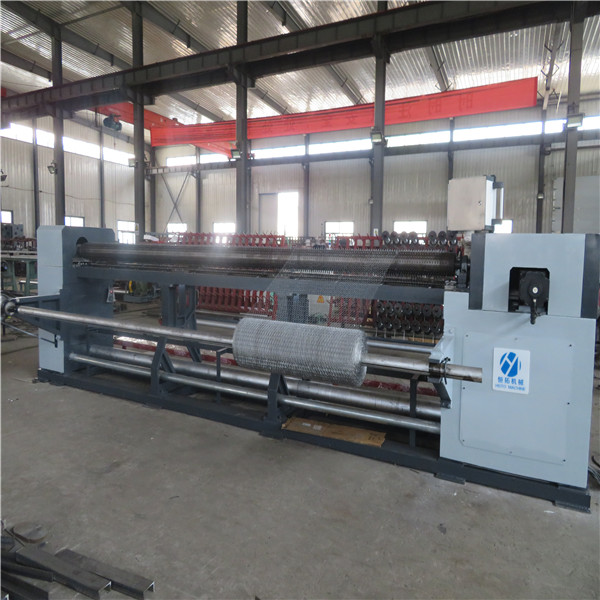
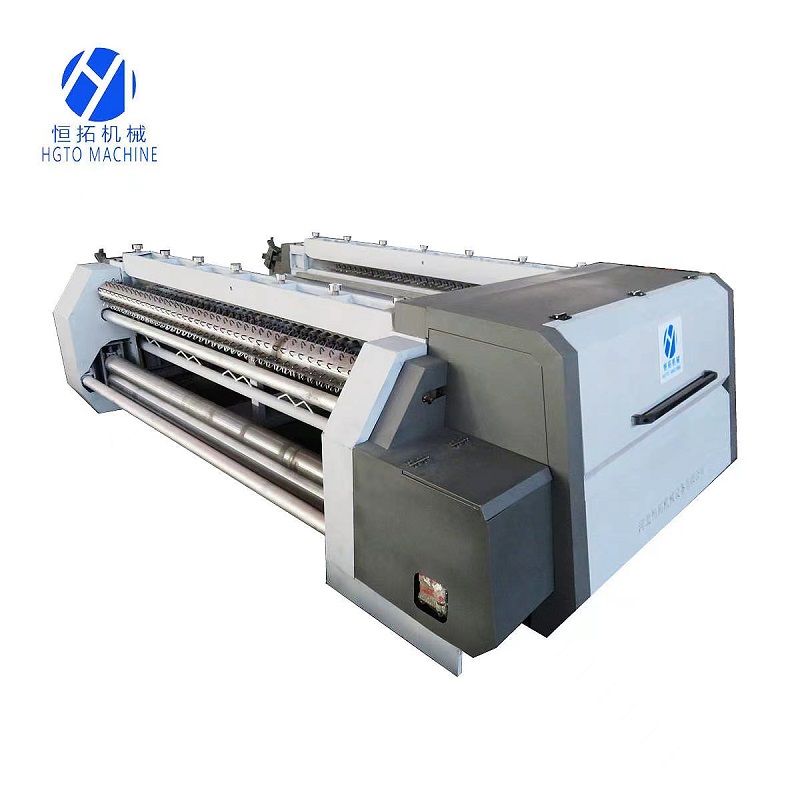
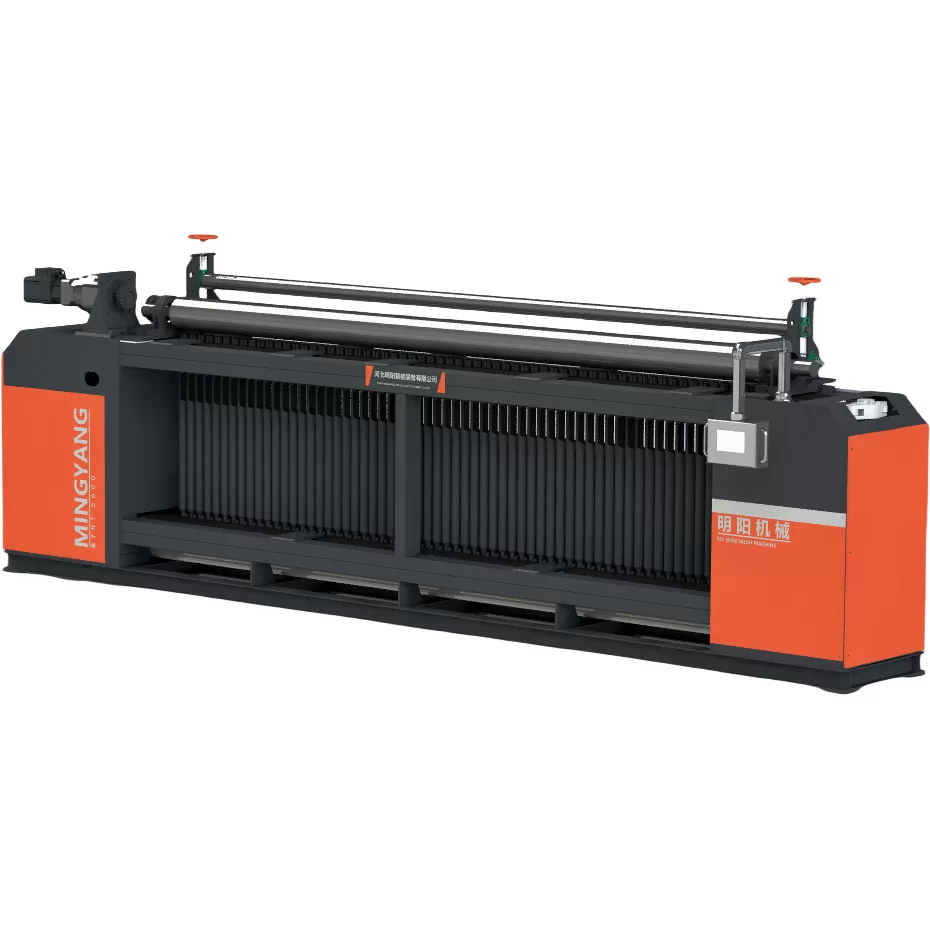
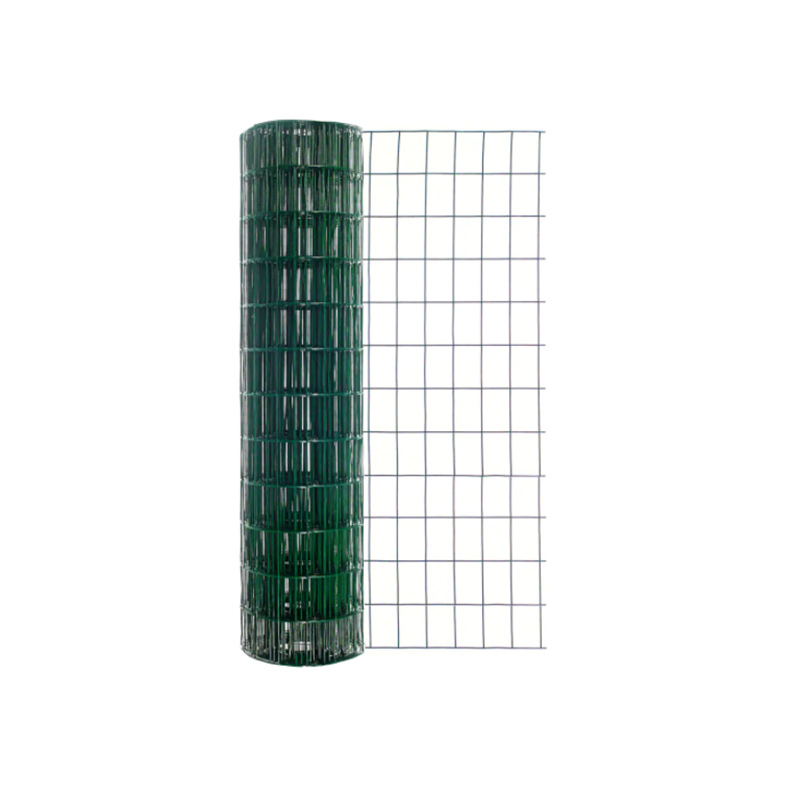
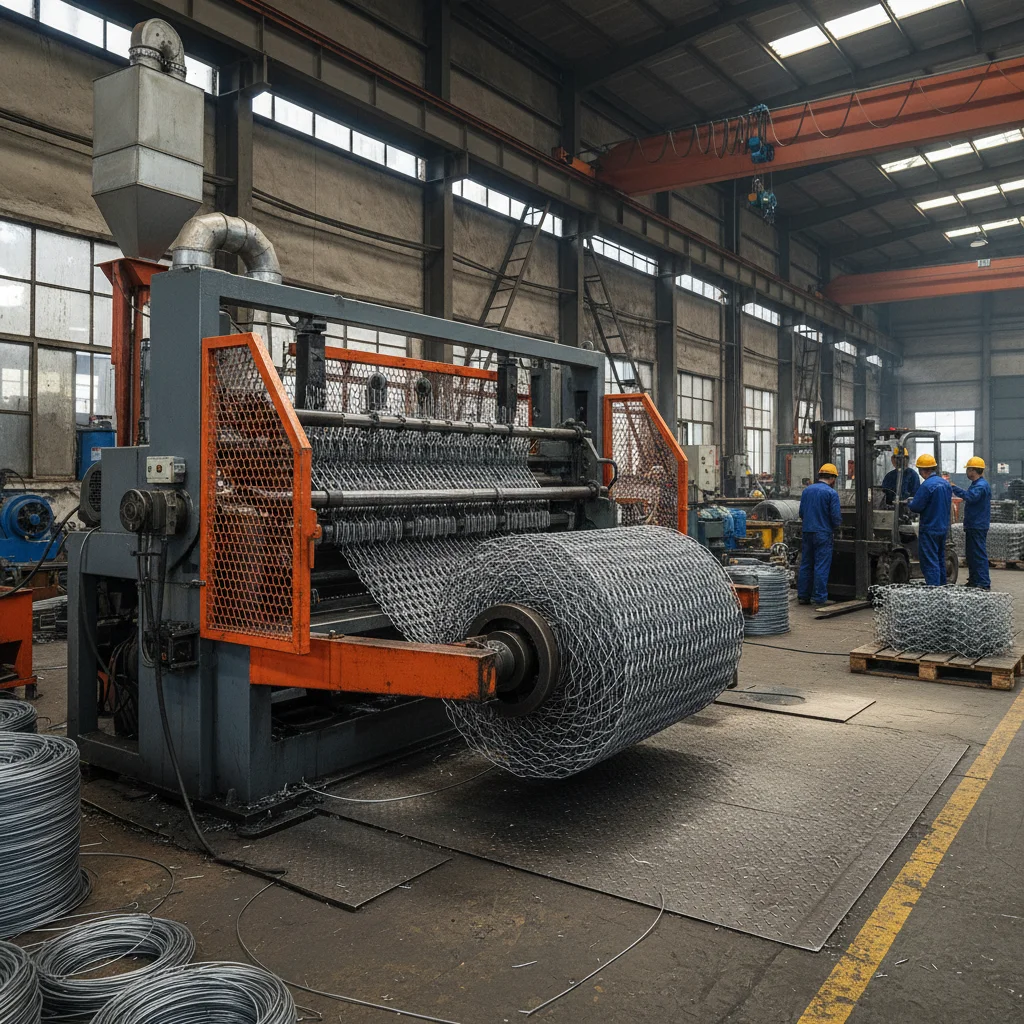
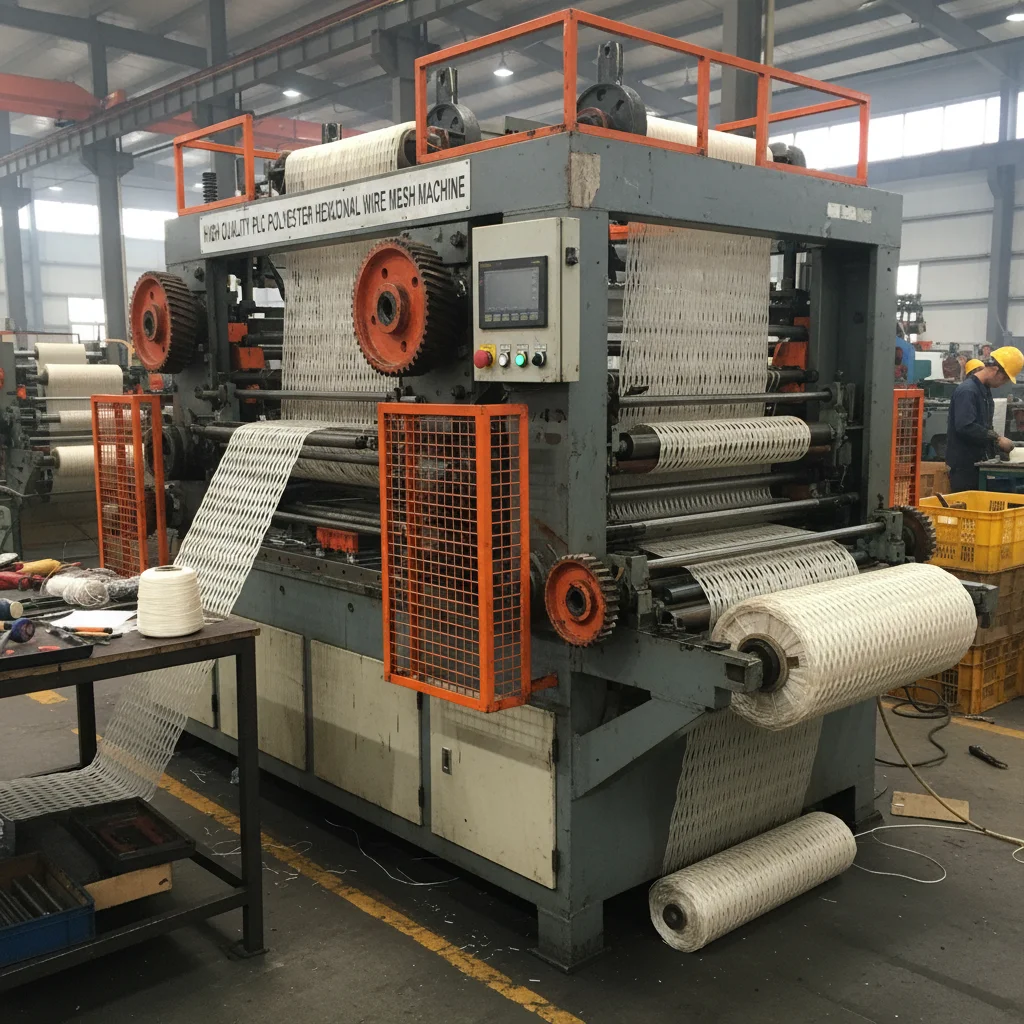
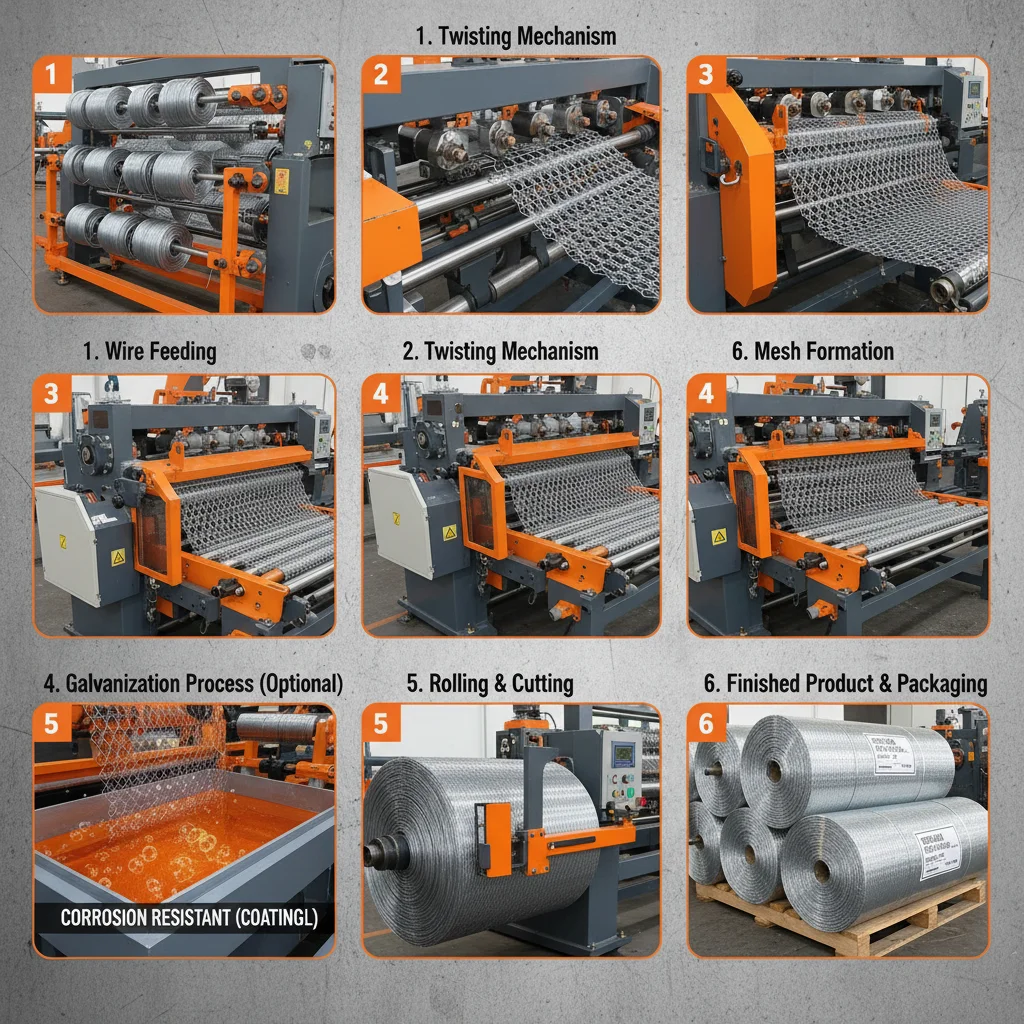
At its core, this machine specializes in manufacturing hexagonal mesh fabrics from polyester threads. Picture a giant, highly technical knitting or weaving apparatus programmed to form hexagonal patterns repeatedly and accurately. The resulting mesh is lightweight but extremely strong — perfect for protective coverings, fencing, or reinforcement.
Unlike plain weaving or knitting machines, the polyester hexagonal mesh machine automates creating that signature honeycomb pattern, which imparts flexibility and stability. In humanitarian contexts, for example, this mesh can be fashioned into temporary shelters or erosion control fabrics that save lives and resources.
Mini takeaway: The machine’s special feature is how it precisely shapes polyester yarns into hexagonal patterns that outperform conventional textiles in strength and durability.
Key Features of a Polyester Hexagonal Mesh Machine
1. Durability and Material Compatibility
These machines work specifically with polyester, favored for resistance to UV rays, moisture, and chemicals—which is why the mesh holds up outdoors far better than cotton or nylon alternatives. The synthesis of material and pattern creates an unmatched defense against wear.
2. Precision Engineering for Scalability
You’re not just getting a hexagonal mesh — you get consistency. Modern machines boast high-speed operation with tight tolerance controls, ensuring every mesh produced meets exact standards, whether for small batches or industrial volumes.
3. Energy and Cost Efficiency
Many polyester hexagonal mesh machines now incorporate energy-saving motors and automated tension regulation, cutting power costs and reducing waste. For companies competing on cost, this synergy is key.
4. Automation and User Interface
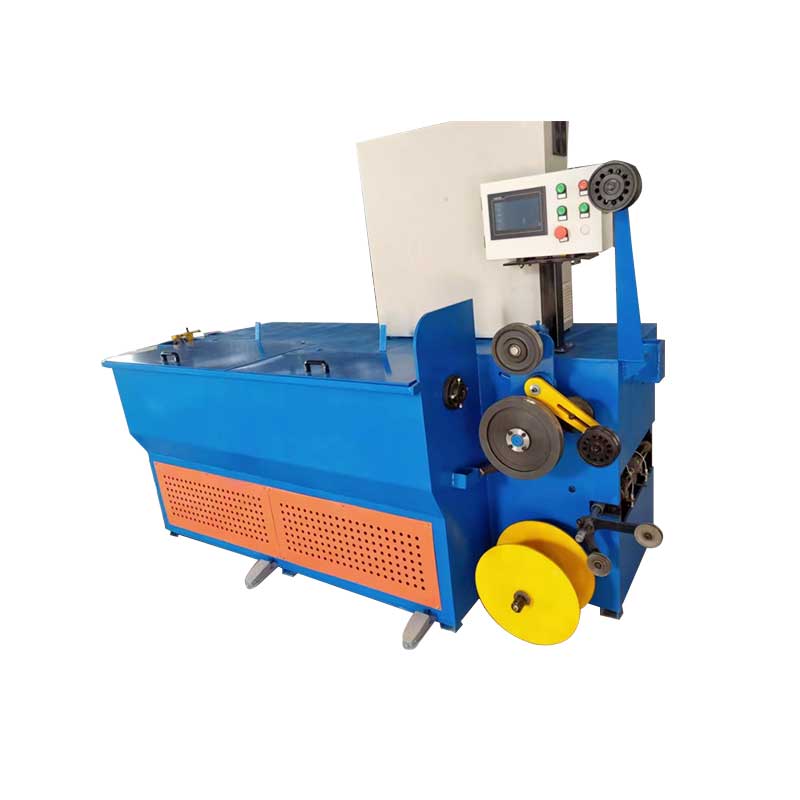
A lot of these machines are fitted with user-friendly digital controls and touchscreen interfaces, making setup and error detection smoother. Operators can tweak mesh density, pattern size, and length on the fly — useful for adapting to diverse client needs.
5. Robust Construction and Maintenance
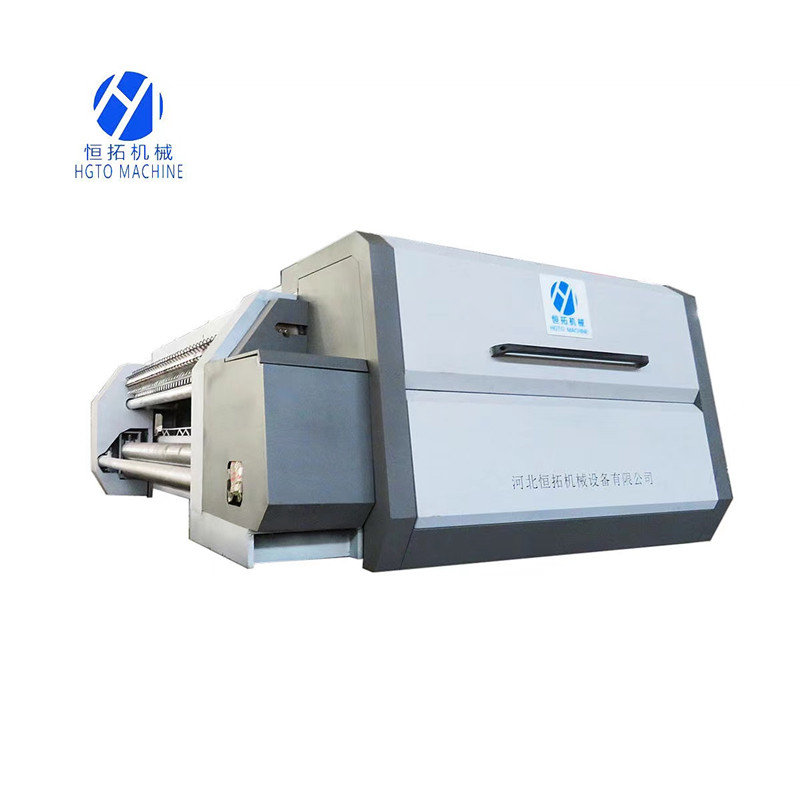
Designed for long-term use, many models feature stainless steel frames and easy-access panels for maintenance, reducing unplanned downtime. This durability is especially important in rugged factory environments.
Product Specifications at a Glance
| Specification |
Details |
| Material Compatibility |
Polyester yarns (varied deniers) |
| Mesh Pattern |
Hexagonal (customizable size) |
| Max Production Speed |
Up to 60 meters/min |
| Power Requirement |
380V, 50Hz, 15 kW |
| Control System |
PLC with touchscreen interface |
| Typical Dimensions |
4500 mm (L) x 1500 mm (W) x 2000 mm (H) |
Global Applications: Who Benefits and How?
Poly hexagonal mesh machines are not just for factory floors; their outputs serve a plethora of global industries:
- Agriculture: Meshes protect crops from pests and harsh sunlight, especially in Mediterranean countries.
- Construction: Reinforcement meshes for concrete work are essential across urbanizing regions in Asia and Africa.
- Environmental Protection: Erosion control nets along coastlines and slopes benefit communities, for instance, the UN Environmental Programme cites extensive usage in South America.
- Humanitarian Aid: Lightweight, durable fabric used in shelters or fencing in post-disaster zones — NGOs like the Red Cross depend heavily on such meshes.
For those curious about production sources, the Polyester hexagonal Mesh machine manufacturers primarily focus on export hubs in China and Germany—places with strong engineering culture.
Mini takeaway: The machines' applications are as diverse as the regions that rely on them — feeding into agriculture, construction, environmental, and humanitarian sectors alike.
Comparing Some Leading Polyester Hexagonal Mesh Machine Vendors
| Vendor |
Price Range (USD) |
Production Speed (m/min) |
Automation Level |
Warranty |
| TexMesh Co. |
$75,000 - $110,000 |
50 |
Semi-Automated |
2 years |
| Global Mesh Machinery |
$90,000 - $130,000 |
60 |
Fully Automated |
3 years |
| Econet Industrial |
$70,000 - $95,000 |
45 |
Manual + Automated |
1.5 years |
Advantages and Long-Term Value of Investing in Polyester Hexagonal Mesh Machines
Frankly, if you’re thinking about the bottom line, polyester hexagonal mesh machines offer some seriously strong ROI. Here’s why:
- Cost-Effectiveness: Automated production translates to lower labor costs and less material scrap.
- Environmental Sustainability: Polyester’s durability means fewer replacements and waste, aligning well with ISO’s environmental guidelines.
- Reliability and Safety: The precision of these machines ensures uniform mesh quality, which improves safety in construction and disaster recovery applications.
- Community and Social Impact: Providing materials that allow NGOs and governments to deploy quick solutions builds long-term trust and dignity.
With a bit of patience, adopting these machines doesn’t just make business sense—it supports innovation and social good at the same time.
What’s Next? Future Trends in Polyester Hexagonal Mesh Technology
The industry isn’t standing still. Manufacturers are exploring:
- Eco-Friendly Polymers: Biodegradable or recycled polyester blends to further reduce environmental footprint.
- Smart Automation: AI and IoT integration to enable predictive maintenance and remote monitoring.
- Customization: Machines capable of producing variable mesh sizes and mixed-patterned fabrics on demand.
- Energy Efficiency: Use of green energy sources within facilities and highly efficient motors to cut emissions.
So, while the core technology remains proven, the future is looking greener, smarter, and more adaptable—a trend that’s exciting for engineers and end-users alike.
Challenges and How Experts Are Tackling Them
No piece of equipment is perfect — polyester hexagonal mesh machines face hurdles such as:
- High Initial Investment: The upfront cost might deter smaller producers, but leasing options and modular upgrades help.
- Material Handling Complexity: Managing polyester yarn tension and preventing breakage requires skilled operators and fine calibration.
- Technical Downtime: Like any machinery, unexpected faults can halt production, but manufacturers offer remote diagnostics and rapid support.
Innovators in this field continuously improve user interfaces and maintenance protocols to reduce these barriers.
FAQ: Common Questions About Polyester Hexagonal Mesh Machines
- Q1: What makes polyester hexagonal mesh better than other mesh types?
-
Polyester combined with the hexagonal pattern provides superior tensile strength, UV resistance, and flexibility compared to traditional knitted or woven meshes, making it ideal for outdoor and industrial use.
- Q2: How long can meshes from these machines last in harsh environments?
-
With proper use, polyester hexagonal meshes can last 5-10 years outdoors, thanks to their resistance to UV degradation and chemical corrosion.
- Q3: Can these machines be tailored for different mesh sizes?
-
Absolutely. Most modern machines allow customization in mesh size and density, enabling producers to meet specific client requirements.
- Q4: Are polyester hexagonal mesh machines energy-efficient?
-
Newer models incorporate energy-saving technologies and optimized motor controls, often reducing power consumption by up to 20% compared to older equipment.
- Q5: How can small-scale businesses acquire these machines?
-
Many vendors offer financing, leasing, or modular systems that allow smaller producers to enter the market without a huge upfront investment.
Wrapping Up: Why You Should Consider Investing in a Polyester Hexagonal Mesh Machine
To sum it all up, the polyester hexagonal mesh machine is more than a niche device; it’s a versatile, highly efficient piece of equipment enabling industries to produce strong, lightweight, and eco-friendly mesh fabrics. These meshes have far-reaching implications — from infrastructure reinforcement to humanitarian efforts — touching millions of lives worldwide with tangible benefits.
If your business is looking at innovation, cost efficiency, and sustainability, I’d say this machine deserves a closer look. For a deeper dive or to explore machines that suit your production goals, feel free to visit: Polyester hexagonal Mesh machine.
References:
- ISO Technical Textiles Standards
- Technical Textiles - Wikipedia
- UN Environment Technical Textiles Report