Understanding Hexagonal Wire Mesh Machines: The Unsung Heroes of Modern Industries
Hexagonal wire mesh machines might not be in your everyday conversations, but their influence is quietly ubiquitous, spanning agriculture, construction, and disaster relief worldwide. At a glance, these machines produce wire meshes with hexagonal patterns—widely regarded for their flexibility and strength. This simple geometry translates into countless benefits: creating sturdy barriers, reinforcing materials, and even aiding in humanitarian infrastructure. Knowing about these machines is not just for engineers; it gives you insight into a technology that helps shape safer, more resilient environments globally.
Why Hexagonal Wire Mesh Machines Matter Globally
Looking at the bigger picture, the demand for durable yet lightweight construction materials is soaring, especially in developing economies and regions prone to natural disasters. The World Bank estimates that over 1.6 billion people worldwide live in inadequate housing conditions, many relying on cost-effective building solutions. This is where hexagonal wire mesh machines come into play, aiding manufacturers in producing materials crucial for fencing, gabion walls, and wire cages.
Oddly enough, despite the simplicity of the hexagonal pattern, the machine’s precision and efficiency in creating such meshes impact everything from soil erosion control in Africa to poultry fence manufacturing in Europe. The ISO recognizes hexagonal wire mesh as a standard in quality and strength for wire products, emphasizing its global industrial role.
Yet, with expanding demand and environmental concerns, challenges like material waste and energy consumption in manufacturing have spurred innovation. This makes understanding hexagonal wire mesh machines not only technically interesting but vital for sustainable industrial progress.
What Exactly is a Hexagonal Wire Mesh Machine?
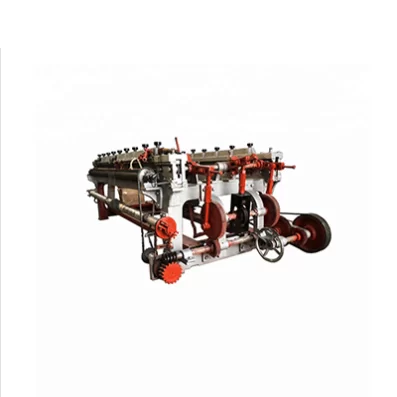
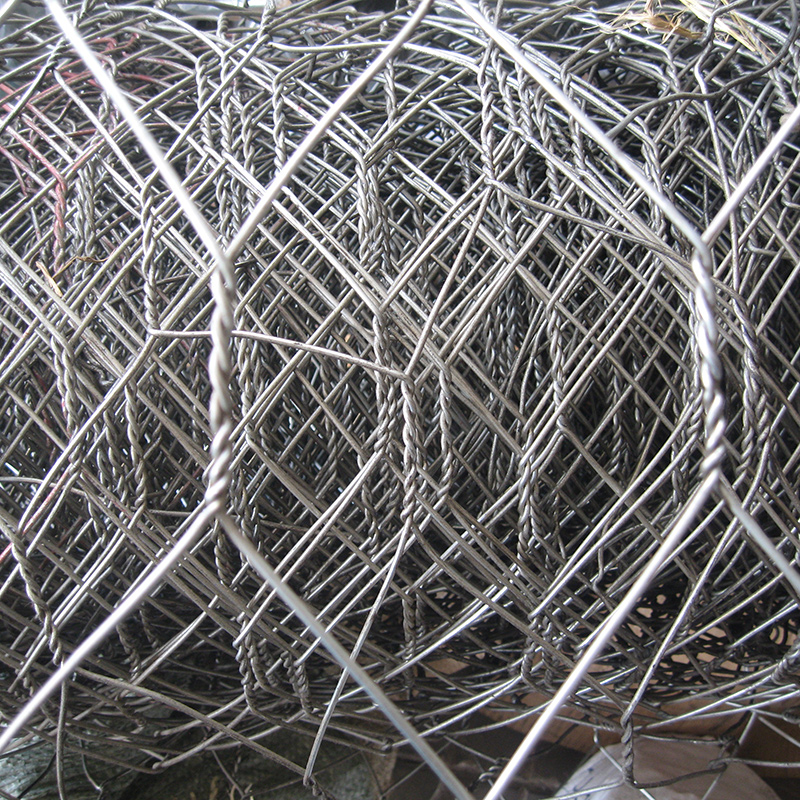
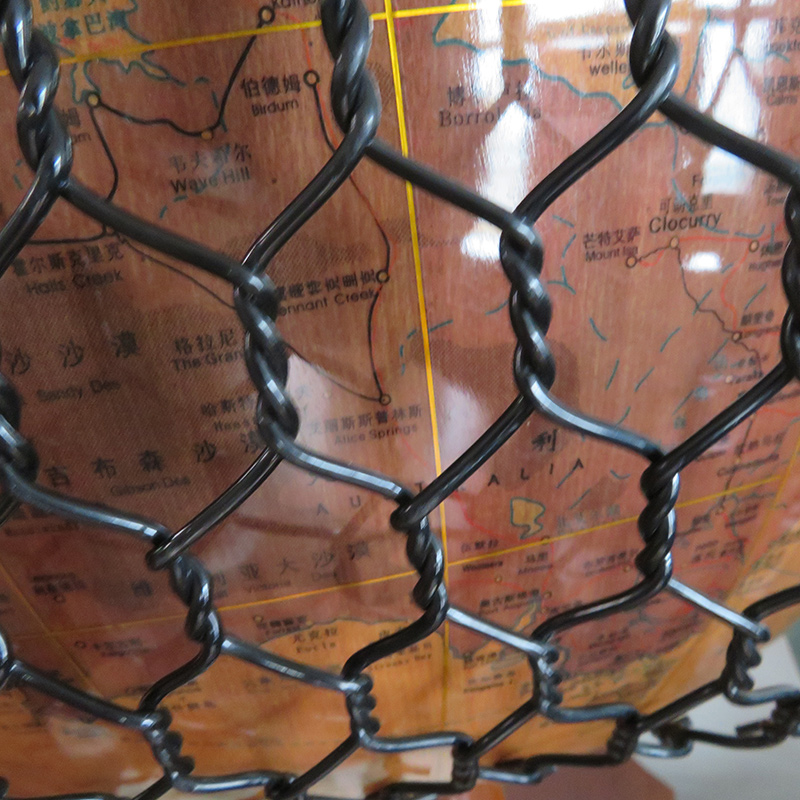
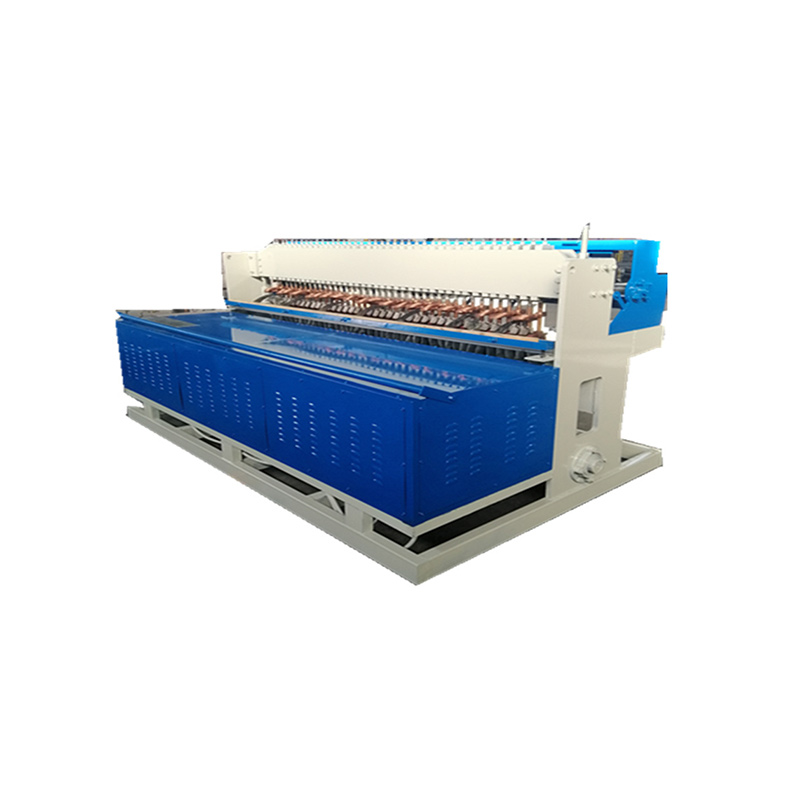
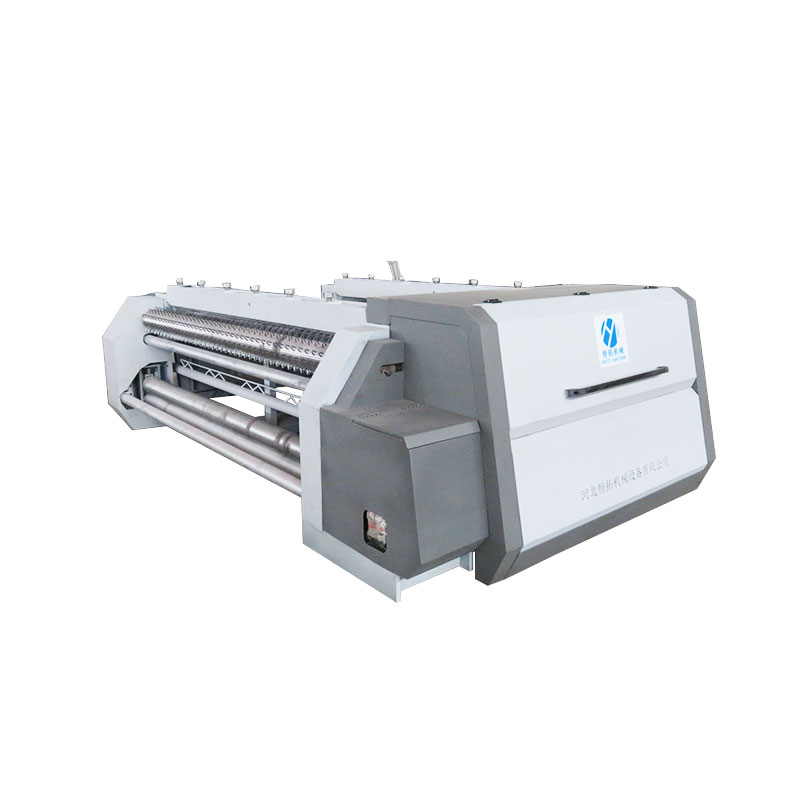
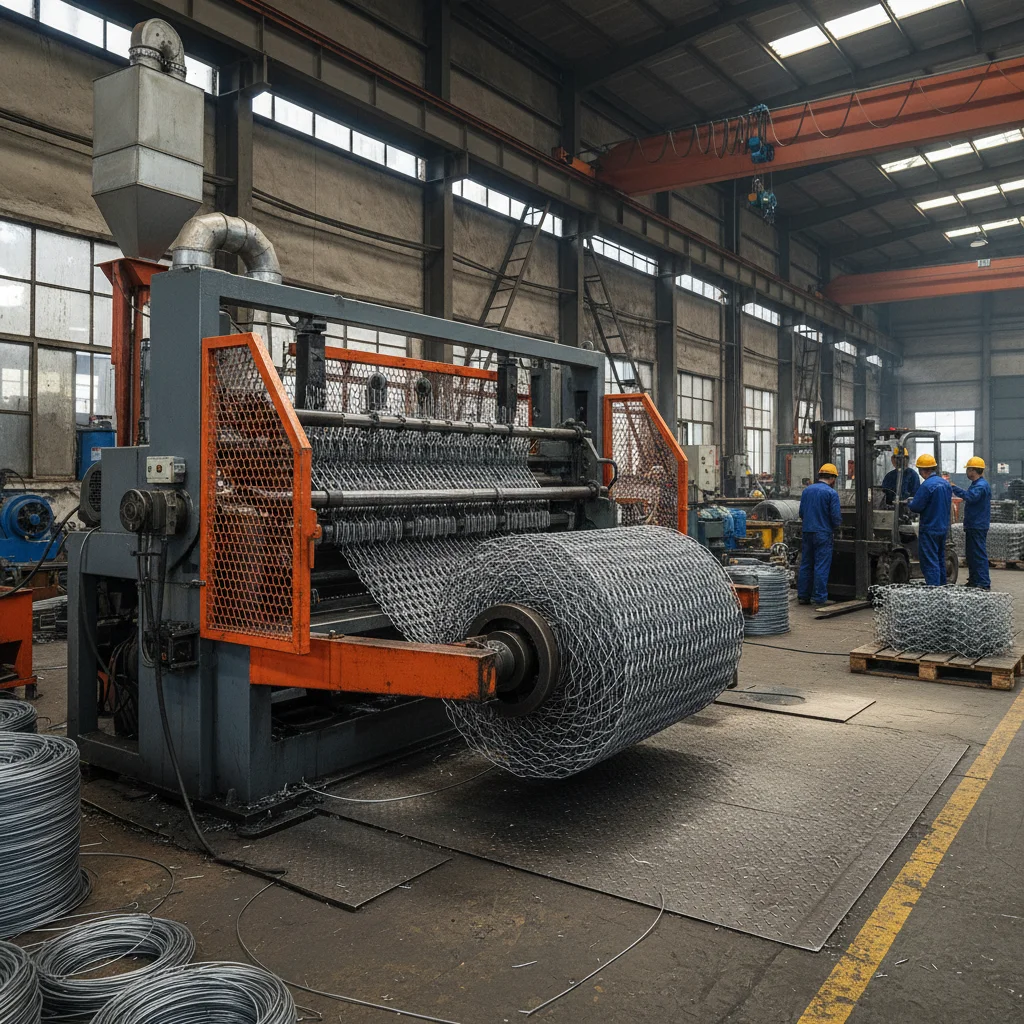
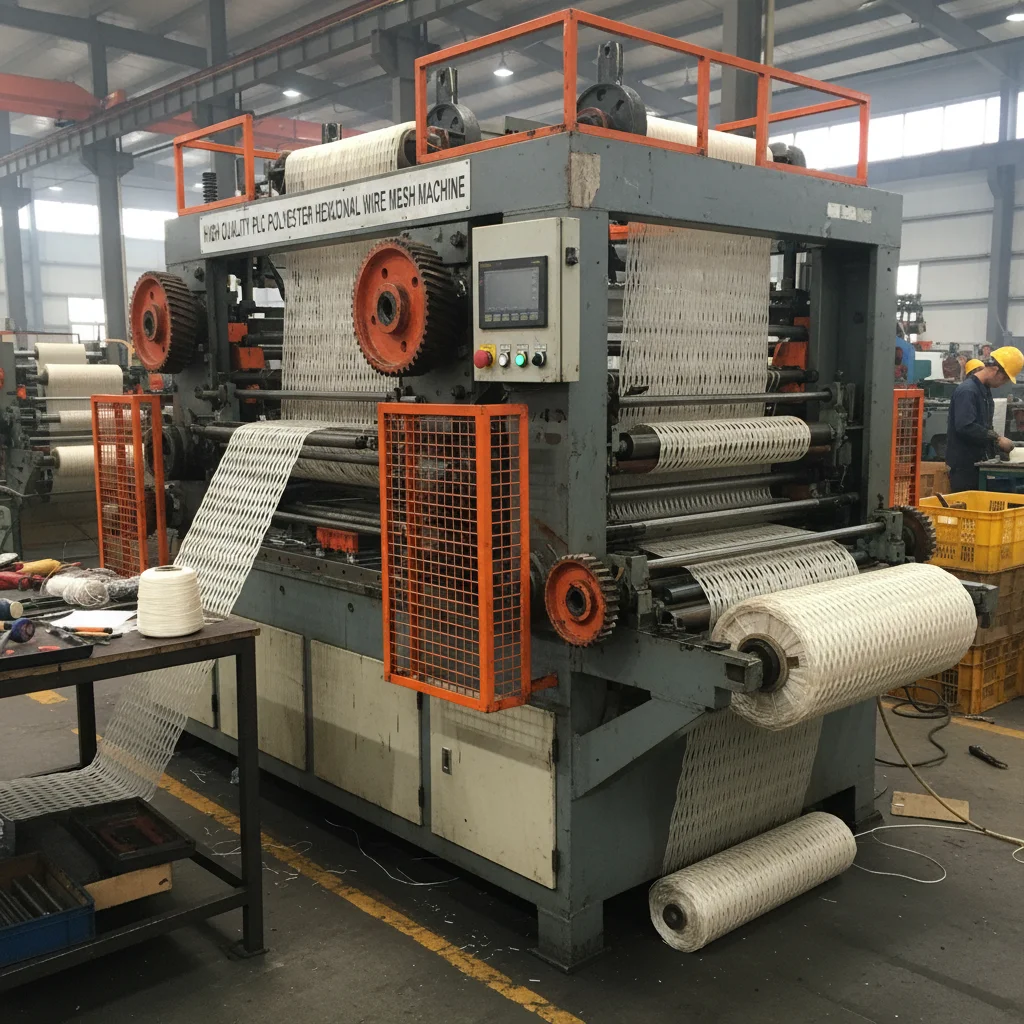
In straightforward terms, a hexagonal wire mesh machine is a mechanical device designed to weave or twist wires into tightly knit hexagonal patterns. These machines range from manual wire twisting setups to fully automated production lines that manage wire feeding, twisting, and mesh cutting. The hexagonal pattern isn’t random — it offers enhanced flexibility, preventing cracks and breaks better than square meshes.
This functionality explains why they’re beloved in industries prioritizing strength and adaptability. For example, in construction, the mesh reinforces concrete or soil, preventing deformation. In humanitarian contexts, woven hex meshes are used for making gabion boxes, helping stabilize riverbanks or rebuild infrastructure after floods.
Mini takeaway:
Simply put, these machines are foundational tools that turn raw wire into versatile, durable mesh products — essential for modern building, farming, and rescue efforts.
Core Components and Key Features of Hexagonal Wire Mesh Machines
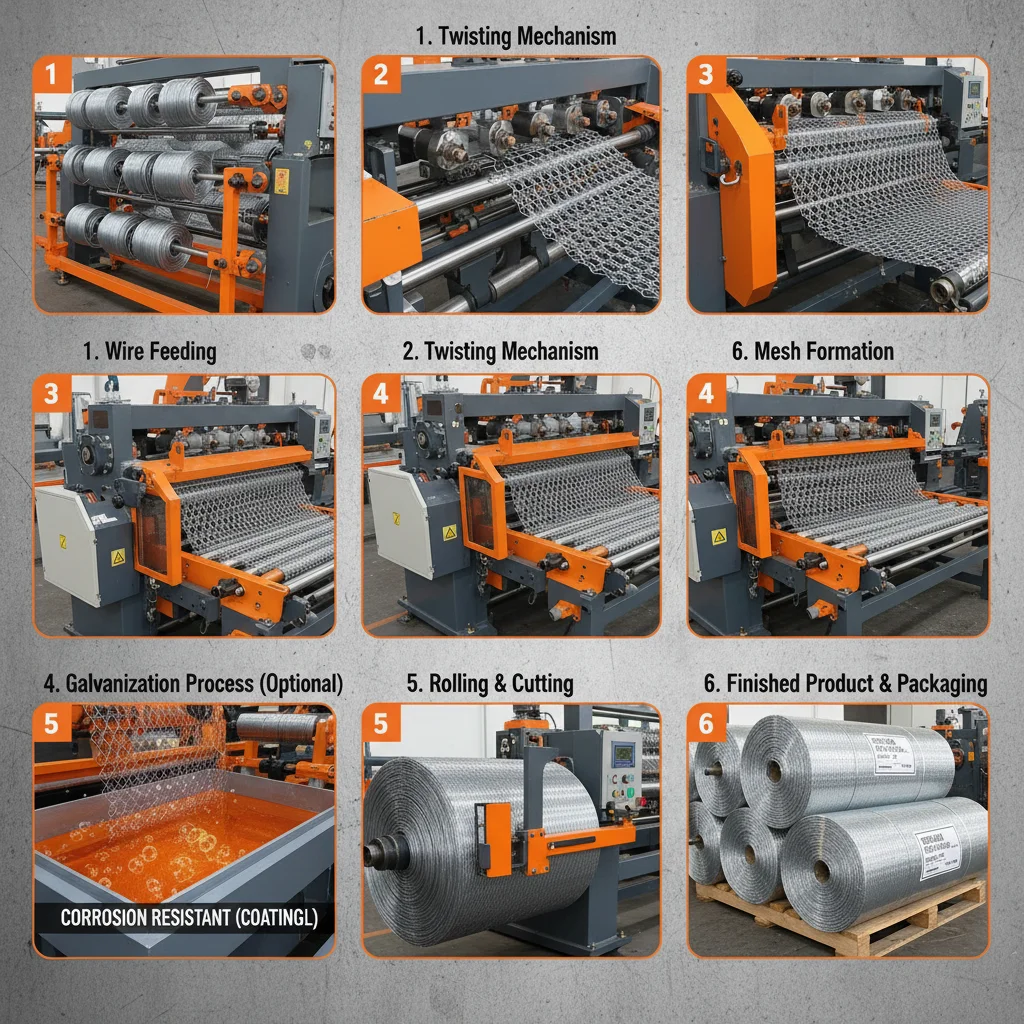
1. Wire Feeding System
This controls the wire’s consistent supply, ensuring uninterrupted mesh production. A steady feed improves precision and reduces waste, which manufacturers care deeply about.
2. Twisting Mechanism
The heart of the machine, this section twists wire pairs or singles into the hexagonal patterns. The design influences mesh strength and knot quality.
3. Automated Cutting and Unwinding
Post-production, this system slices the mesh according to size requirements, adjusting easily between different widths and lengths.
4. Durability & Material Compatibility
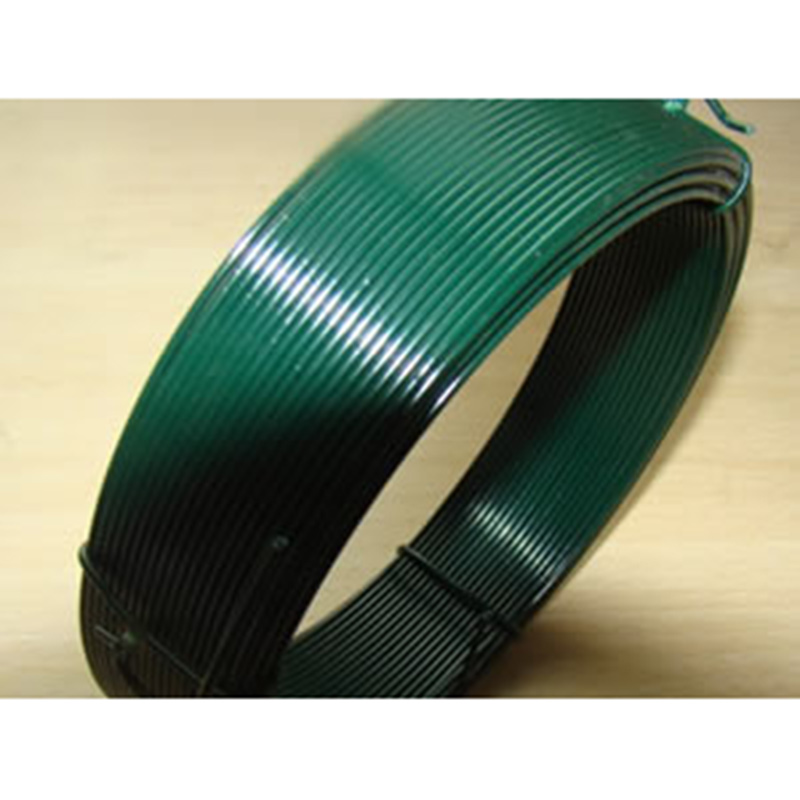
Most machines work with galvanized, stainless steel, or PVC-coated wires. High-grade machinery handles harder wires, extending application scope.
5. Scalability and Customization
Modern hexagonal wire mesh machines support customization in mesh size, wire gauge thickness, and production speeds, adapting to small workshops or large factories.
Mini takeaway:
The performance of these components deeply impacts quality, cost-efficiency, and customer satisfaction — the trifecta most businesses aim for.
Global Applications: From Rural Farms to Urban Megasites
The true marvel of hexagonal wire mesh machines lies in their versatility:
- Agriculture: Wire mesh fences protect livestock and crops across regions like South America and Southeast Asia.
- Construction: Gabion walls reinforced with hex mesh create durable retaining structures, often seen in mountainous Europe.
- Disaster Relief: NGOs use gabion cages filled with local stone to rebuild flood- or earthquake-damaged embankments rapidly.
- Mining and Industry: Mesh screens for mineral sorting run through machines that require consistent, fine mesh patterns.
In real terms, a manufacturer in India told me how the versatility of automated hexagonal wire mesh machines helped them double production during a government housing program — partly thanks to custom wire thickness options.
Practical Benefits and Long-Term Impact
What strikes many engineers is the blend of strength and flexibility offered by products from these machines. Cost savings come from reduced material breakage and long service life, which in agriculture translates to fewer repairs, and in construction, greater structural resilience.
There's also a socially impactful angle: these meshes improve living conditions by providing safer fencing and elevated infrastructure. It makes a difference in disaster zones where rebuilding rapidly yet sustainably is crucial.
Hexagonal Wire Mesh Machine Specifications
| Specification |
Typical Range |
Notes |
| Wire Diameter |
0.5 mm – 2.5 mm |
Depends on material, stainless steel or galvanized |
| Mesh Size (Hexagon Side Length) |
10 mm – 80 mm |
Adjustable per demand |
| Production Speed |
5 – 15 m/min |
Depends on automation level |
| Mesh Width Capacity |
Up to 2,500 mm |
Suitable for large-scale panels |
| Power Consumption |
1.5 – 10 kW |
Varies with machine size and automation |
Comparing Top Hexagonal Wire Mesh Machine Vendors
| Vendor |
Automation Level |
Customization Options |
Price Range (USD) |
Suitable For |
| SteelMesh Pro |
Semi-Automatic |
Basic mesh size & wire thickness |
15,000 – 30,000 |
Small factories, startups |
| HexaWeave Industries |
Fully Automated |
Full customization (speed, size, wire types) |
50,000 – 90,000 |
Large-scale manufacturers |
| Global Mesh Tech |
Manual + Motorized |
Limited customization |
8,000 – 18,000 |
Small workshops, remote zones |
Looking Ahead: Innovations in Hexagonal Wire Mesh Technologies
One exciting direction is incorporating IoT and automation for real-time monitoring during production — reducing human error and downtime. Eco-conscious manufacturers are experimenting with recycled metal wires, linking these machines to circular economy models. Digital controls offering touch screens with AI-powered adjustments are slowly becoming standard for premium models, making production more adaptable to market demands.
In humanitarian efforts, modular mesh panels produced via these machines are enabling faster and greener infrastructure setups after natural disasters. The hexagonal wire mesh machine thus becomes a tool not just for industrial output, but a bridge to sustainable development.
Challenges and Practical Solutions in Current Use
Despite their advantages, these machines present obstacles, such as:
- High Initial Investment: Advanced models require significant capital.
- Technical Expertise: Operators need training to handle automation effectively.
- Wire Quality Variance: Lower-grade wire can cause production halts or mesh inconsistencies.
Some manufacturers are tackling these by offering leasing models, combined training programs, and collaborating with wire suppliers for quality assurance — a trend that’s making adoption smoother worldwide.
FAQs About Hexagonal Wire Mesh Machines
Q1: What wire materials can these machines handle?
A: Most hexagonal wire mesh machines work with galvanized steel, stainless steel, and PVC-coated wires. Some advanced models can handle harder alloys, expanding their range for different industrial needs.
Q2: How does mesh size impact the end product?
A: The mesh size (hexagon side length) affects flexibility and strength. Smaller sizes provide better containment (e.g., for poultry fencing), while larger sizes suit applications like gabion walls.
Q3: Can these machines be customized for small production runs?
A: Absolutely. Many machines allow easy adjustments of mesh width, wire diameter, and speed — perfect for companies testing new products or serving niche markets.
Q4: Are hexagonal wire mesh-based structures eco-friendly?
A: Yes, especially when made with recyclable materials. These meshes often extend infrastructure lifespans, reducing resource need for replacements, while modular uses foster sustainable construction.
Q5: How can international NGOs acquire these machines?
A: NGOs should consult regional suppliers or international vendors offering export support and training. Many vendors maintain contact points for after-sales service to aid deployment in challenging environments.
Wrapping It Up: Why The Hexagonal Wire Mesh Machine Still Matters
Ultimately, the humble hexagonal wire mesh machine stands at a crossroads of tradition, technology, and sustainability — quietly supporting sectors critical to global development. From speeding up rebuilding efforts to enabling cost-efficient production, it’s a versatile tool that merits more attention.
Thinking about how your business or project could benefit? Take a closer look at hexagonal wire mesh machines for scalable solutions sure to keep evolving alongside industry needs.
References
- ISO Standards for Wire Mesh Products
- World Bank: Urban and Housing Development
- Wikipedia: Wire Mesh