Concrete Nailers: The Backbone of Industrial Fastening
I’ve been around industrial equipment for years, and I can tell you: the humble concrete nailer is one of those tools that rarely gets the spotlight but is absolutely critical on job sites. Frankly, it's the kind of gadget that, once you rely on it, you realize how much smoother your workflow runs.
Concrete nailers are designed for the rugged job of fastening into masonry, concrete, and other tough materials. Unlike your typical nail gun, these machines have to blast nails with enough force to penetrate rock-hard surfaces without misfires or jams. I’ve noticed over the years how nailers have evolved — from clunky, heavy beasts to sleek, more precise tools that reduce operator fatigue.
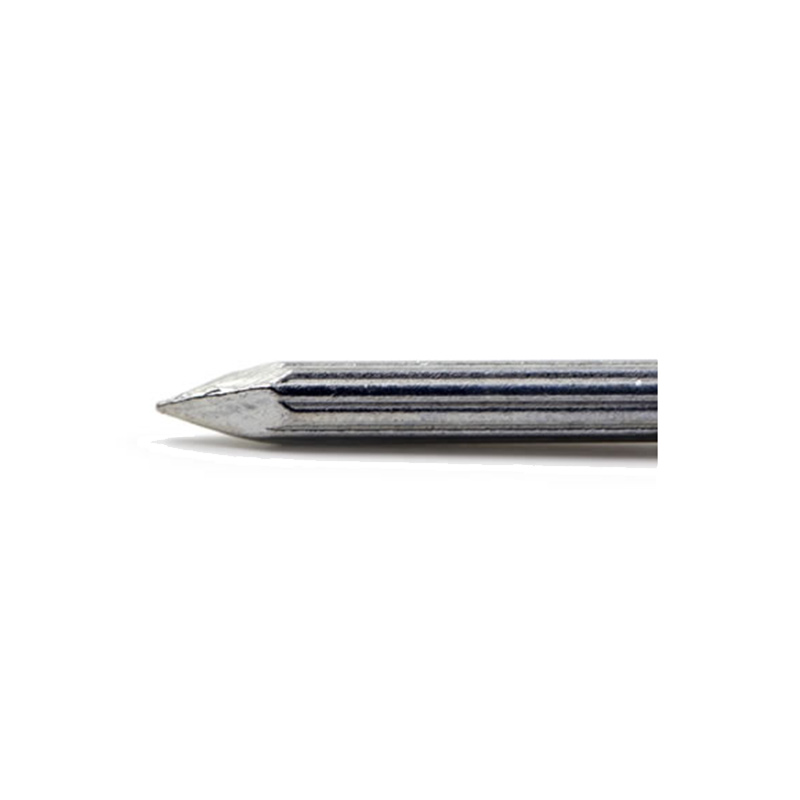
Oddly enough, it feels like the secret sauce lies in the combination of a powerful drive system and high-quality fasteners. Some manufacturers use a powder-actuated method, which is essentially a controlled mini-explosion pushing the nail. Others employ compressed air or fuel cells, each with their own pros and cons. In real terms, the choice depends on job frequency and operator comfort.
Key Features And Specifications
| Feature |
Typical Spec |
| Nail Diameter Range |
0.12" to 0.18" |
| Fastener Type |
Powder-Actuated Nails / Pins |
| Operating Pressure (if pneumatic) |
90 - 120 psi |
| Weight |
4.5 to 7 lbs |
| Length |
12 to 15 inches |
| Recommended Materials |
Concrete, Masonry, Steel |
One thing I keep coming back to is the ergonomics. You know, if you’re on a site all day, lugging a heavy tool around, even the toughest nailer has to feel comfortable. Manufacturers nowadays often add rubber grips, balanced weight distribution, and anti-vibration features. These improvements may seem minor, but they make a huge difference in operator fatigue and accuracy. I’ve tried a bunch of models, and honestly, the difference in user experience is night and day.
Comparing Leading Concrete Nailer Vendors
| Brand |
Drive Type |
Weight (lbs) |
Notable Features |
Price Range |
| Hilti DX 5 |
Powder-actuated |
6.3 |
Efficient nail placement, balanced design |
$300 - $350 |
| Paslode CN90i |
Pneumatic (fuel cell) |
5.8 |
Cordless convenience, ergonomic grip |
$400 - $450 |
| Ramset Dinamap |
Powder-actuated |
7.0 |
Durable metal body, quick reload |
$280 - $320 |
When I first brought a concrete nailer to a crew working on a commercial project, one seasoned foreman told me, “This makes concrete feel as easy as wood.” Though I smiled, it highlighted how the right nailer changes the game at site level. Efficiency, reliability, and safety all improve when you trust your tool — and concrete nailers, in their many forms, fit that bill.
In terms of trends, there’s a push toward cordless options, which is exciting because it means fewer cables and more mobility—always a good thing on a crowded job site. Sustainability is slowly creeping in too, with manufacturers experimenting with less toxic propellants. But frankly, it’s the precision and durability that buyers tend to prioritize first. You want a nailer that’s going to withstand the beating of rough concrete surfaces day in and day out.
Still, customization is something I think more vendors should explore. Tool users have different preferences and project demands, so a few adaptable settings or modular parts could really help cater to niche needs. It’s something I hope to see more of in upcoming models.
Ultimately, I’d say the concrete nailer is a prime example of how industrial equipment quietly evolves — blending power, finesse, and reliability into a compact package. You use it once, and you’re hooked.
1. Hilti Product Data Sheets, Hilti.com
2. Paslode Technical Specifications, Paslode.com
3. Ramset User Manuals, Ramset.com