Concrete Nail Material: What It Is and Why It Matters Globally
If you’ve ever tried nailing something into concrete, you might have become painfully aware of the special type of nails needed—concrete nail material is what makes this possible. It’s not just a simple nail; these materials are engineered to tackle the stubborn toughness of concrete and masonry. Globally, understanding the right concrete nail materials matters a lot, especially as urbanization pushes for stronger infrastructure and faster construction.
From massive skyscraper projects in Asia to emergency shelters in earthquake zones, the right nails can mean the difference between fast, safe construction and costly delays. Plus, when industries—construction, manufacturing, and repairs—choose optimal concrete nail materials, they’re investing in durability and cost-efficiency that trickles down to the consumers, workers, and communities relying on those structures.
Mini takeaway: Concrete nail materials are specialized tools critical for modern construction and infrastructure resilience, notably in a world increasingly built on concrete and masonry.
Introduction: The Global Importance of Concrete Nail Material
Concretely speaking (no pun intended), the world’s urban population grew to 56% in 2020, according to the UN’s World Urbanization Prospects. As cities expand, so does the need for reliable fastening solutions. In the construction sector alone, material failures lead to billions in losses annually, reported by the International Organization for Standardization (ISO 17065). One overlooked hero in this narrative? Concrete nail materials.
Confounding, right? We don’t usually pause to think about nails as critical tech, but they solve a massive problem: how to fix and attach components to harsh, unforgiving substrates like concrete walls and floors. Without the right nail materials—often specially alloyed, hardened steel—those fastenings can fail, jeopardizing safety and efficiency worldwide.
Mini takeaway: Concrete nail materials solve fundamental challenges in construction quality and safety, fulfilling a global need shaped by accelerating urban expansion.
What Is Concrete Nail Material?
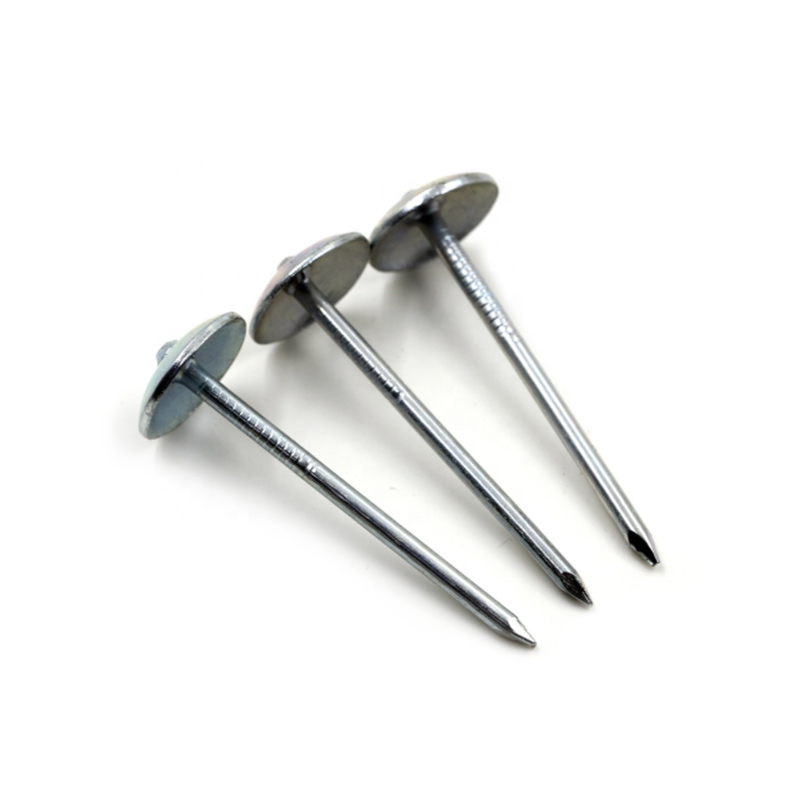
Simply put, concrete nail material is a type of hardened steel wire or alloy specifically designed to penetrate and hold firm in concrete or masonry without bending or breaking. These nails usually have a fluted or grooved shank to grip concrete securely. Unlike standard nails used in wood, concrete nails must resist higher compressive forces and abrasion.
They’re more than just tools. Advances in metallurgy have made them indispensable in modern industry, from securing electrical fixtures to setting concrete formwork. In humanitarian contexts, these nails enable fast, durable shelter construction—think of post-earthquake housing or rapid hospital repairs.
Mini takeaway: Concrete nail materials are specially engineered for toughness, forming the backbone of secure and long-lasting fastening in concrete and masonry work.
Core Components and Key Factors of Concrete Nail Material
1. Durability
Concrete nails must be highly durable. This means resistance to corrosion and mechanical wear is paramount, especially in outdoor or humid environments. Galvanized or stainless steel options offer additional longevity.
2. Hardness and Brittleness Balance
Many engineers I’ve spoken to emphasize this: too soft, and the nail bends; too hard, it snaps. Manufacturers optimize steel alloys to strike the perfect balance, often by tweaking carbon content and heat treatment.
3. Scalability in Manufacturing
From small batches for bespoke contractors to massive runs for global firms, the production of concrete nails has to be scalable yet consistent. This impacts pricing and availability across markets.
4. Cost Efficiency
Cost isn’t just the price per nail but includes the tool wear and installation speed. The right material can reduce equipment strain and labor time dramatically.
5. Environmental Impact
New trends focus on eco-friendly steel sources and recycling scrap nail material. Some vendors now offer nails manufactured using lower carbon footprint processes, responding to sustainable construction demands.
| Specification |
Typical Value |
Notes |
| Material Type |
Hardened Steel Alloy (often carbon-based) |
Heat-treated for balance of hardness and flexibility |
| Length Range |
15–100 mm |
Depending on application |
| Diameter |
2–5 mm |
Thicker nails for heavier loads |
| Surface Finish |
Galvanized / Stainless / Plain |
Corrosion resistance varies |
| Shear Strength |
Up to 1700 MPa |
Depends on alloy composition |
Mini takeaway: Concrete nail materials fuse durability, optimized hardness, and efficient manufacturing with growing eco-conscious trends.
Global Applications & Use Cases
- Construction Industry: In both residential and commercial buildings worldwide, concrete nails are the standard for fast and reliable component attachment.
- Post-Disaster Relief: NGOs and governments rely on concrete nails to build or repair shelters quickly after events like earthquakes or hurricanes.
- Infrastructure Maintenance: Railways, bridge construction, and utility installation often demand nails that hold up in harsh environmental conditions.
- Industrial Manufacturing Zones: In remote or developing regions, local producers use concrete nails for machinery assembly and facility upkeep.
For example, in Southeast Asia’s rapidly urbanizing cities, concrete nails help speed up affordable housing projects. In the Mediterranean, corrosion-resistant variants prove essential where salt air breaks down typical fasteners.
Mini takeaway: Concrete nail materials find versatile use from mega cities to remote relief areas, showcasing their universal reliability and importance.
Advantages & Long-Term Value
The tangible benefits of good concrete nail materials are numerous. Cost-efficiency stands out, as these materials reduce failures and reworks. Durability contributes to sustainability by enabling longer-lasting structures, thus minimizing waste. Let’s not forget the human factor: increased safety, faster builds, and the dignity of stable housing.
Logically, investing in quality concrete nail materials translates to less downtime and lower total operational costs in construction and repair cycles. Emotionally, it offers peace of mind — knowing the job won’t come apart in harsh conditions.
Emerging Trends and Innovations
Interestingly, the future of concrete nail material ties into broader themes of green technology and digitalization:
- Eco-Friendly Manufacturing: Efforts to recycle steel and reduce carbon footprints in production echo industry-wide sustainability goals.
- Smart Fastening Systems: Embedded tech or coatings that can report stress or corrosion levels remotely could be a game changer, particularly for critical infrastructure projects.
- Automation & Robotics: Automated nail guns calibrated for newer materials transform installation speed and precision.
Though these are still emerging fields, it feels like the next decade will see concrete nail materials stepping into smarter, greener roles.
Challenges & Solutions
Concrete nail material isn’t without its hurdles. Issues like brittleness under extreme cold or price fluctuations for alloy metals can pose problems. Installation errors—using the wrong nail length or material—are common but preventable with better training and specification clarity.
Experts suggest suppliers could improve by offering more comprehensive product data sheets and user education. Plus, innovation with composite materials may reduce brittleness without sacrificing hardness.
Frequently Asked Questions About Concrete Nail Material
- What types of concrete nail materials are best for outdoor use?
- Galvanized or stainless steel nails are preferred for outdoor applications due to their corrosion resistance, prolonging nail lifespan in moist or salty environments.
- How long can concrete nails last in harsh environments?
- With proper material choice and finish, concrete nails can last several decades. However, environmental factors like humidity, temperature swings, and chemical exposure influence longevity.
- Is using concrete nails more cost-effective than other fastening methods?
- Generally, yes. Concrete nails are faster to install and require less maintenance compared to adhesives or bolts, reducing labor and material costs over time.
- Can concrete nail materials be used in seismic-prone areas?
- Yes, but nails must meet specific standards for flexibility and shear strength to accommodate movement without failure. Consulting regional codes is advisable.
Conclusion: The Enduring Importance of Concrete Nail Material
Honestly, concrete nail materials may seem small in the grand scheme of infrastructure, but they shoulder huge responsibilities. From bolstering safety and ensuring speed in construction projects to enabling durable shelter in crisis zones, their role is foundational. As the world builds taller, stronger, and greener, the humble concrete nail remains a vital link.
Curious to explore more about the latest in concrete nail material? Visit our website for detailed product lines and expert advice.
| Vendor |
Product Range |
Price Level |
Sustainability Efforts |
Lead Time |
| SteelFast Inc. |
Basic to premium hardened steel nails |
$$ |
Recycling initiatives & reduced-carbon steel |
2 weeks |
| ConcreteFix Co. |
Corrosion-resistant and specialty-coated nails |
$$$ |
Sustainable sourcing certifications |
3 weeks |
| EcoNail Solutions |
Eco-friendly alloy nails |
$$$ |
Lean manufacturing with low emissions |
4 weeks |
To sum it up, getting the right concrete nail material right matters more than meets the eye. It touches on safety, efficiency, economy, and even environmental responsibility—the nuts and bolts of sustainable global development.
Mini takeaway: Choosing concrete nail material carefully affects everything from project costs to long-term infrastructure resilience and environmental impact.
References:
- United Nations World Urbanization Prospects
- International Organization for Standardization
- Wikipedia: Concrete nail (general overview)