Why Using concrete nails is a Game-Changer in Industrial Construction
Having spent over a decade in the industrial equipment sector, I’ve had my fair share of encounters with the humble concrete nail. You might think it’s just another piece of hardware, but frankly, the right concrete nail can make a huge difference in the reliability and speed of your projects — especially on rugged sites.
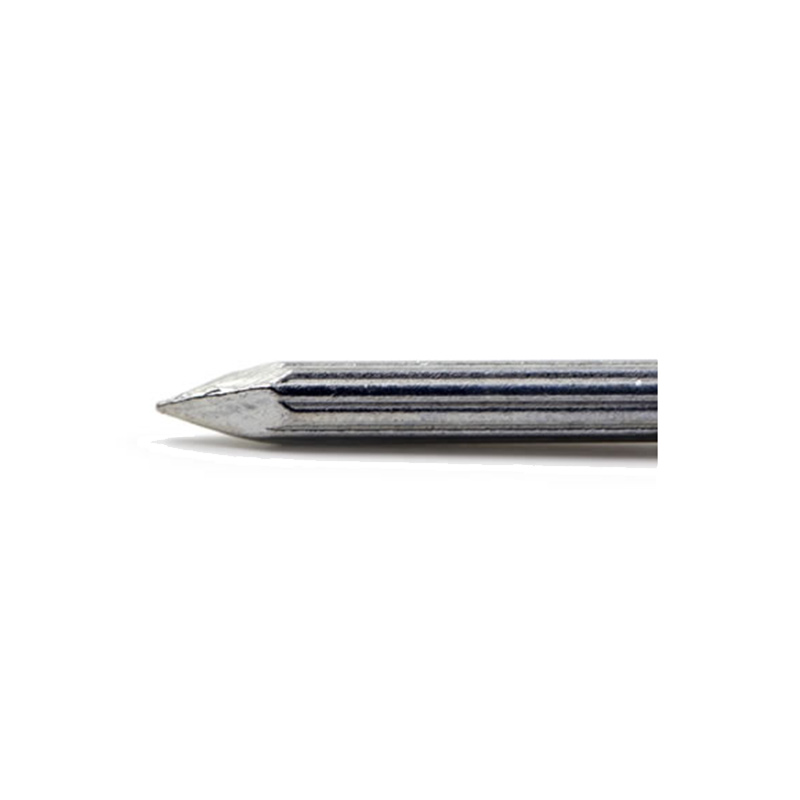
Concrete nails are specifically engineered to secure materials into hard substrates like concrete and masonry. The unique challenge here lies in piercing dense, often unforgiving surfaces without causing cracking or damage. It feels like a small detail, but trust me, the right product and technique save hours — sometimes days — of labor.
Oddly enough, many newcomers overlook the material composition of concrete nails. High-carbon steel tends to be the go-to because it combines strength with adequate flexibility. A brittle nail will snap, and a soft one won’t penetrate properly. Some manufacturers further enhance their nails by heat treating them or adding a phosphate coating to resist corrosion. This matters especially when nails are used outdoors or in humid environments.
Before deployment, many engineers run tests — hammering a few nails into sample blocks of concrete to see how well they hold and whether the material cracks. I recall a project where a team insisted on using standard nails, ignoring this testing phase. Result? Excessive spalling in concrete panels and expensive rework. Lesson learned: always value testing and quality control.
Concrete Nail Specifications You Should Know
| Specification |
Details |
| Material |
High-carbon steel, heat treated |
| Length |
1.5" to 3.5" (varies by application) |
| Diameter |
10 to 16 gauge (thicker for tougher concrete) |
| Coating |
Phosphate, zinc, or galvanized for corrosion resistance |
| Head Type |
Flat or clipped for countersinking |
It’s also interesting to see how different vendors stack up on quality, speed of delivery, and customization options. You know, not every project calls for off-the-shelf nails — sometimes you need specialty lengths or coatings.
Comparing Top Concrete Nail Vendors
| Vendor |
Material Quality |
Customization |
Lead Time |
Price Range |
| HT Mesh Machines |
High-carbon, heat treated |
Custom lengths & coatings |
2-3 weeks |
$$$ |
| BuildPro Fasteners |
Medium-grade steel, galvanized |
Limited |
1 week |
$$ |
| Masonry Nails Inc. |
High-quality steel, basic coating |
Standard sizes only |
3-4 weeks |
$ |
On one occasion, we had a large infrastructure project that required nails with a special anti-corrosion finish due to nearby saltwater exposure. HT Mesh Machines rose to the occasion by delivering custom-coated nails on time, saving the project from potential delays. It’s these small but critical moments where vendor responsiveness truly shines.
In real terms, using the right concrete nails isn’t just about holding materials together — it’s about enhancing safety, improving workflow efficiency, and sometimes, avoiding costly downtime. If you’re involved in specifying or procuring construction fasteners, I’d say paying attention here is non-negotiable.
One quick tip: always store nails in dry conditions to avoid rust before use, and check for any batch certifications or QA documents when possible. Many engineers swear by maintaining traceability for critical materials.
So, if you haven’t already checked out concrete nails suited to your needs, it’s worth a look. Small hardware goes a long way — and sometimes the smallest details do the most work.
— From someone who's been in the trenches and knows that a well-chosen nail can hold more than just concrete.
References:
- "Industrial Fasteners Handbook," 4th Edition, 2020.
- American Concrete Institute (ACI), Fastening Standards, 2023.
- Personal field experience and vendor discussions, 2012–2023.