Hit enter to search or ESC to close
10 February 2026
When venturing into aquaculture, understanding the fish farming net price is crucial for budget planning and maximizing profitability. Fish farming nets are essential for containing fish, protecting them from predators, and facilitating efficient harvesting. This article will delve into the factors influencing net pricing, different net types, and how to choose the right net for your specific needs. Investing in quality nets directly impacts fish survival rates and overall farm efficiency. HTM Mesh Machines provides high-quality fish farming nets tailored to various aquaculture applications.
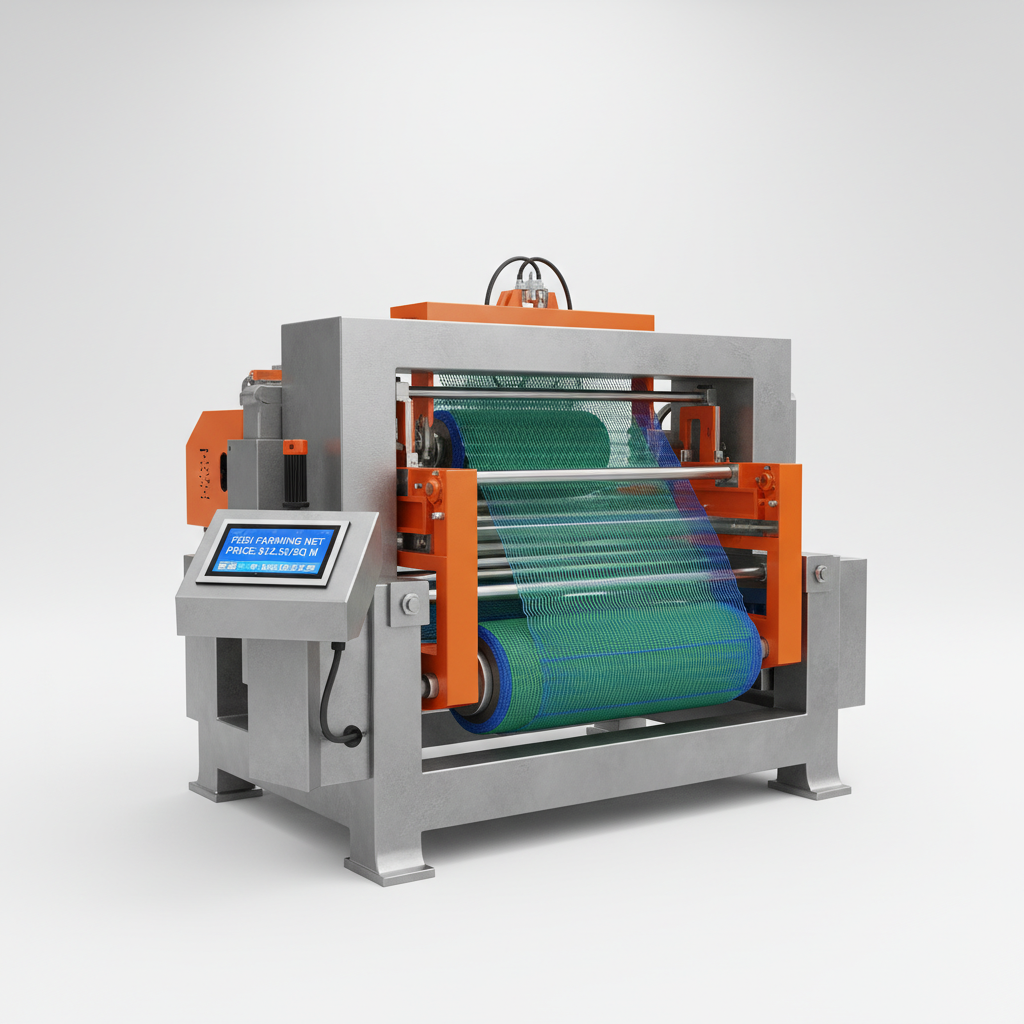
Several key factors contribute to the final fish farming net price. These include the material used (nylon, polyethylene, polypropylene), mesh size, net depth and length, twine thickness, and knot type. The manufacturing process and the supplier's location also play a role. Higher-quality materials and more complex constructions typically command higher prices. Bulk orders usually qualify for discounts. Understanding these factors allows you to make informed decisions and optimize your investment.
Key Considerations: Material quality, mesh size, and net dimensions directly impact the net's durability, fish containment, and overall cost.
Different aquaculture applications require different types of nets. Some common options include monofilament nets, multifilament nets, and raschel nets. Monofilament nets are known for their strength and resistance to tangling, while multifilament nets offer greater softness and are less abrasive to fish scales. Raschel nets are a more economical option, often used for temporary enclosures. The price of fish farming nets varies significantly based on the type, size, and material.
Net Type Comparison:
• Monofilament: Strong, durable, tangle-resistant – higher price point.
• Multifilament: Soft, fish-friendly, less abrasive – moderate price point.
• Raschel: Economical, suitable for temporary use – lower price point.
The material used in the net significantly influences its cost and performance. Here’s a comparative look at the typical price ranges (per square meter, approximate) for common materials:
Selecting the optimal fish farming net requires careful consideration of your specific needs. Factors include the fish species being farmed, the farm's location, the desired stocking density, and potential predator threats. Mesh size is particularly important – it should be small enough to prevent escapes but large enough to allow for proper water flow and waste removal. Consulting with experienced aquaculture professionals and suppliers like HTM Mesh Machines can help you make the best choice.

While quality shouldn't be compromised, there are strategies to minimize net costs. Consider purchasing in bulk, comparing quotes from multiple suppliers, and opting for raschel nets for less critical applications. Proper net maintenance, including regular cleaning and repair, can also extend its lifespan and reduce the need for frequent replacements. Exploring seasonal sales and discounts offered by suppliers like HTM Mesh Machines can also lead to significant savings.
Understanding the fish farming net price and the factors that influence it is vital for successful aquaculture operations. By carefully considering your specific needs and choosing high-quality nets from reputable suppliers like HTM Mesh Machines, you can maximize efficiency, minimize losses, and ensure the long-term profitability of your farm. Don’t hesitate to invest in nets that provide optimal performance and durability.
For tilapia farming, a mesh size of 12.5mm to 25mm is generally recommended, depending on the size of the tilapia and the stocking density. Smaller mesh sizes are used for juvenile tilapia to prevent escapes, while larger mesh sizes are suitable for adult fish. The goal is to balance preventing escapes with ensuring adequate water flow and minimizing stress on the fish. A reputable supplier like HTM Mesh Machines can offer expert advice on selecting the ideal mesh size for your specific tilapia farm.
The lifespan of a fish farming net varies depending on the material, water conditions, UV exposure, and maintenance. Typically, nylon monofilament nets can last 3-5 years, while polyethylene multifilament nets may last 2-4 years. Raschel nets have a shorter lifespan, generally lasting 1-2 years. Regular cleaning and prompt repairs can extend the net's lifespan. Investing in higher-quality materials and UV-stabilized nets can also increase durability.
Knotless nets, such as raschel nets, offer several advantages in fish farming. They are less abrasive to fish scales, reducing stress and the risk of infection. They also have a smoother surface, minimizing tangling and making them easier to clean. While they may not be as strong as knotted nets, they are a cost-effective option for applications where durability is less critical, such as temporary enclosures or nursery ponds.
Proper maintenance is crucial for extending the lifespan of your fish farming nets. Regularly inspect the nets for tears, holes, and abrasion. Promptly repair any damage to prevent it from worsening. Clean the nets periodically to remove algae, debris, and biofouling. Store the nets properly when not in use, protecting them from direct sunlight and harsh chemicals.