Hit enter to search or ESC to close
7 November 2025
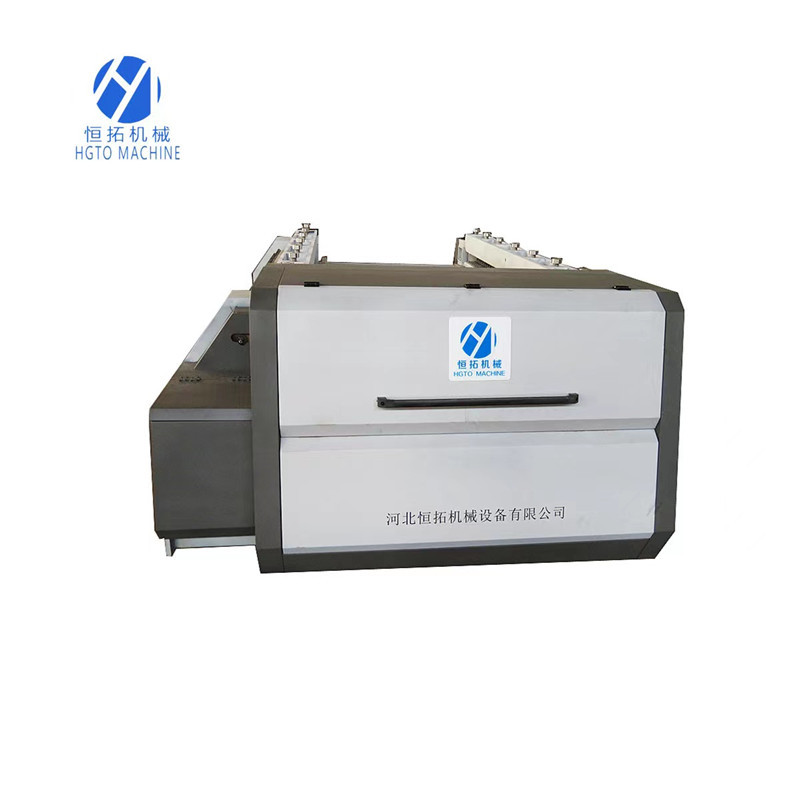
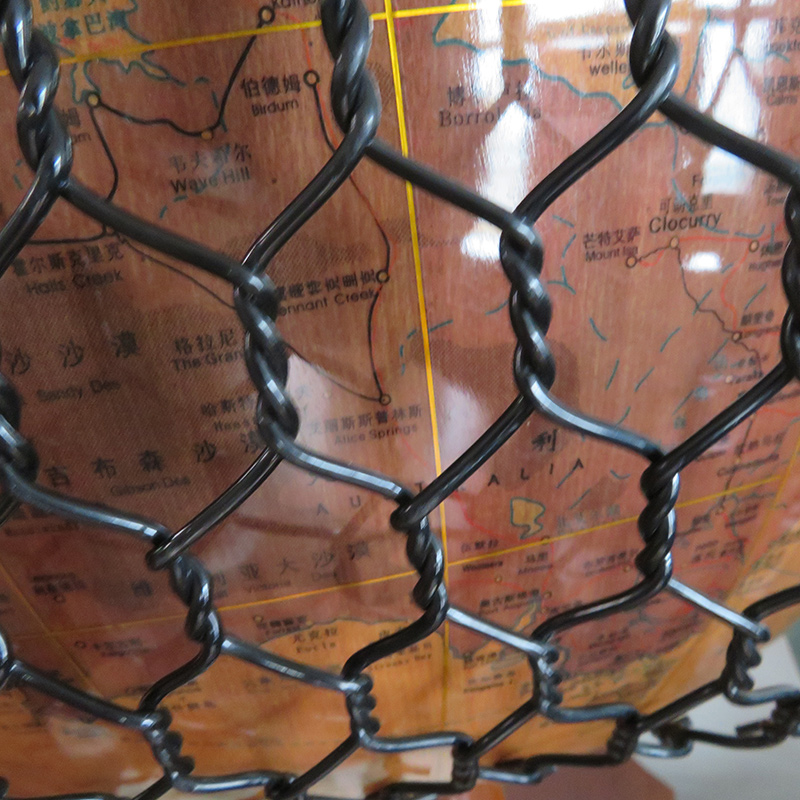
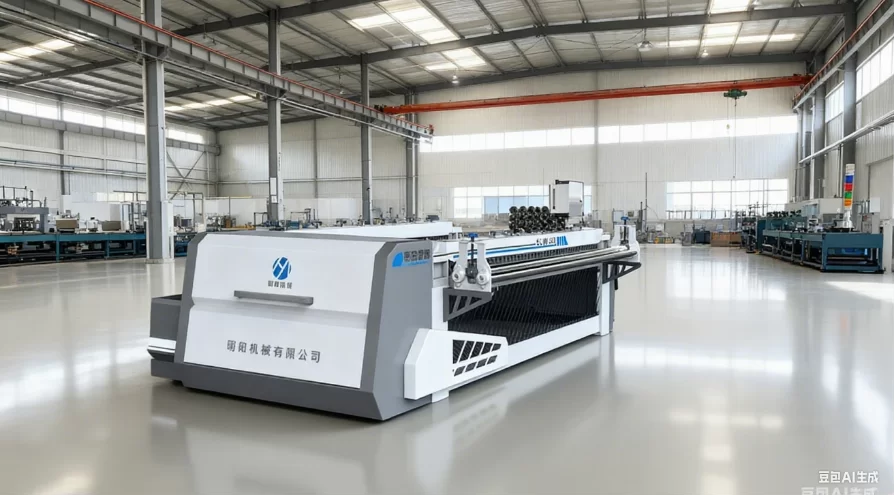
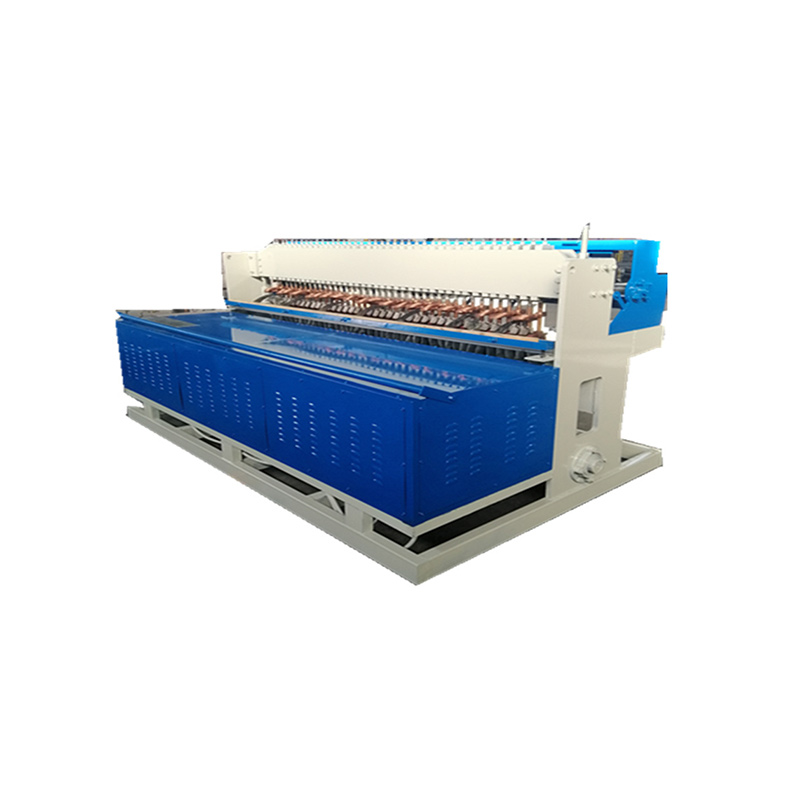
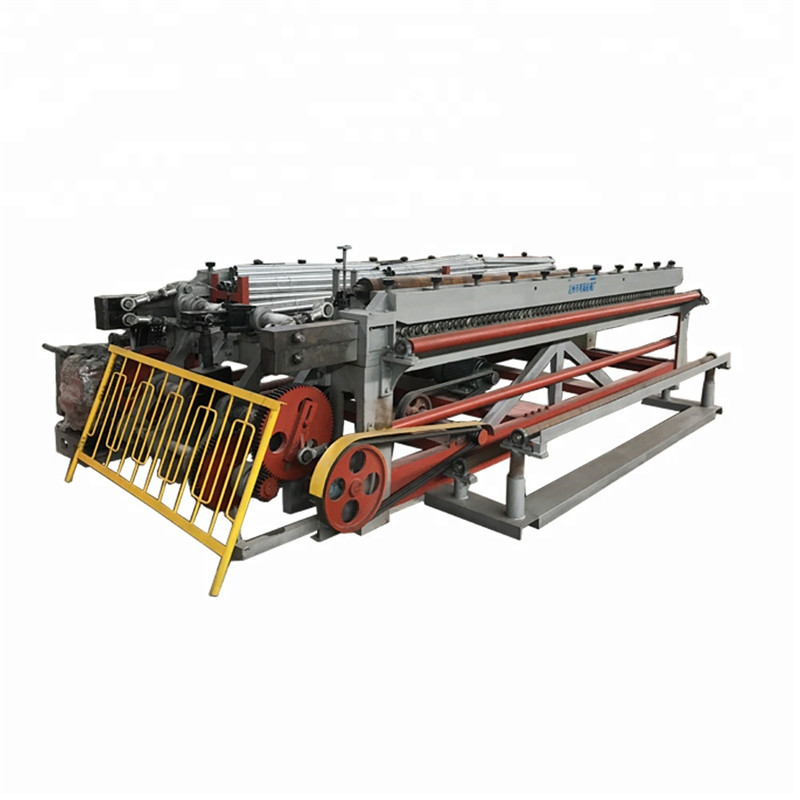
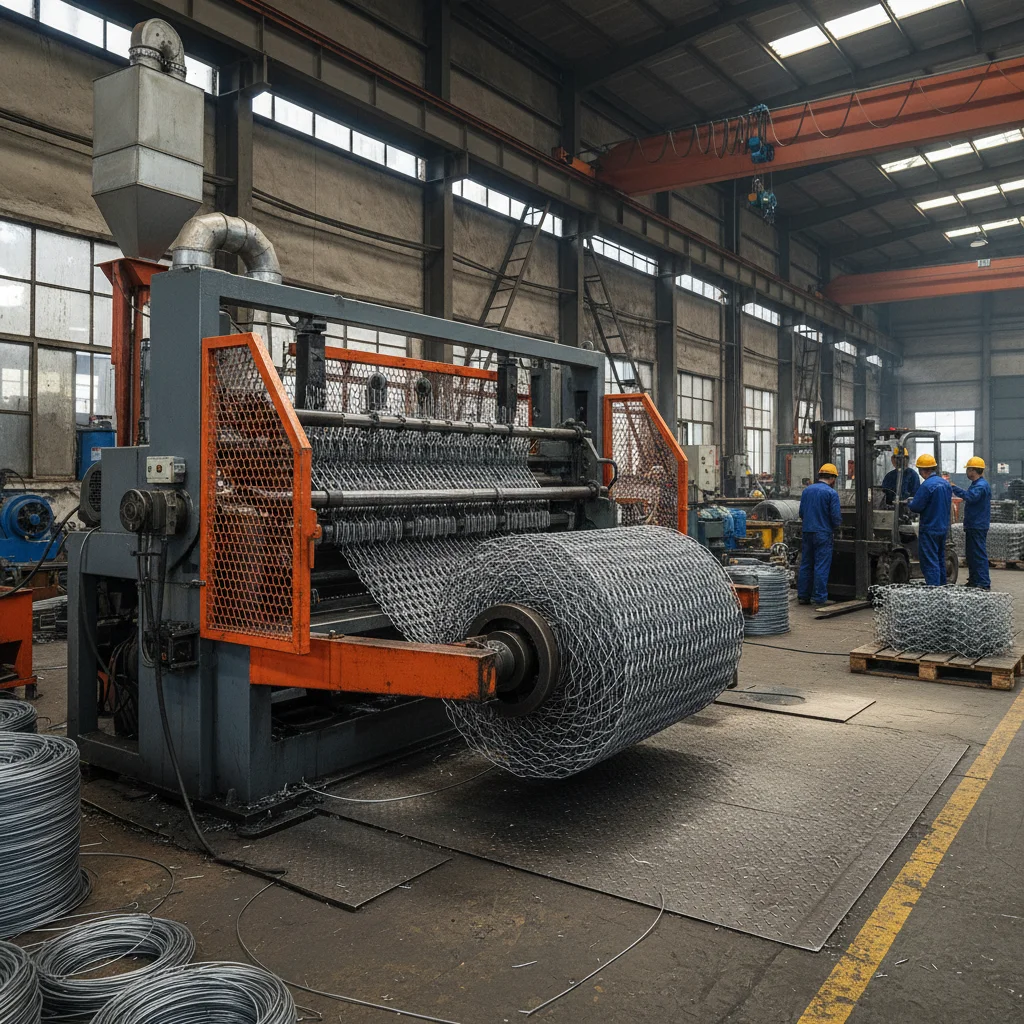
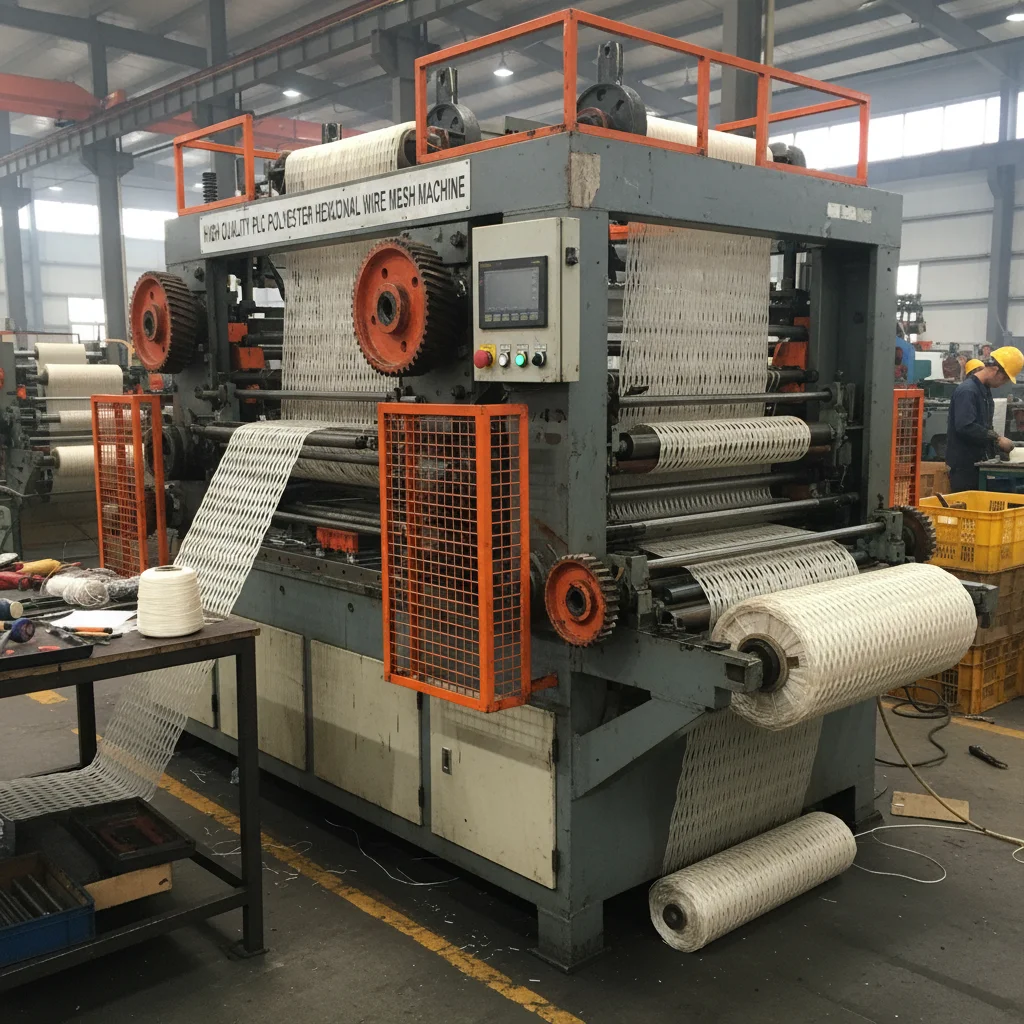
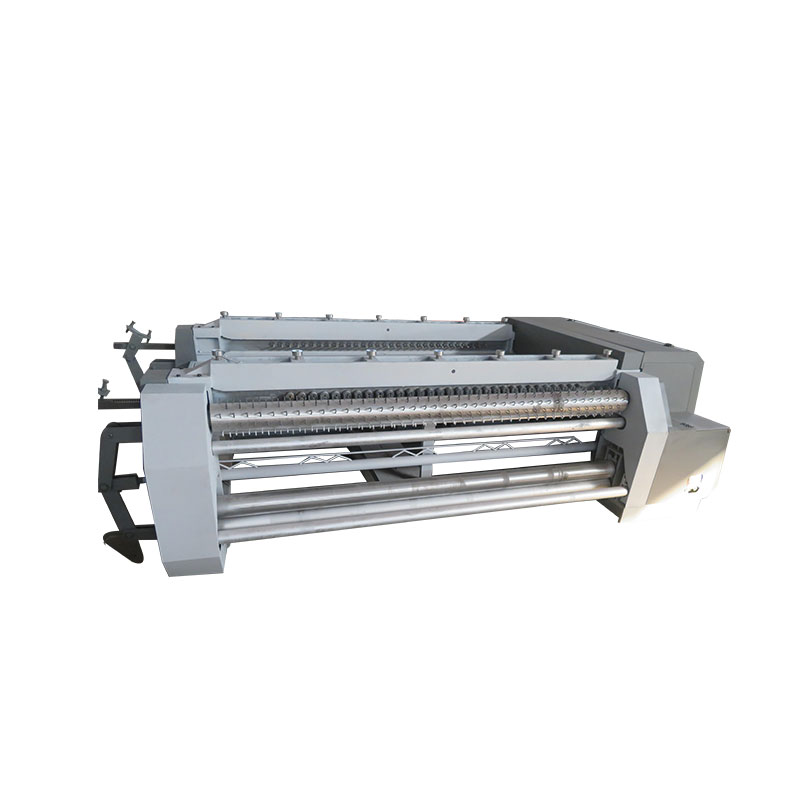
When people ask me about Aquaculture Fish Farming Cage Machine Service, I tend to start with what’s changed offshore. In the last five years, farms have pushed deeper, regulators have tightened risk rules, and nylon fouling costs have quietly eaten margins. That’s why the Polyethylene Terephthalate Aquaculture Net Machine from Hebei Hengtuo (origin: China) keeps popping up in my notebook. PET hexagonal mesh is semi‑rigid, tough, and surprisingly light in the water column—many customers say it’s “less drama” during storms.
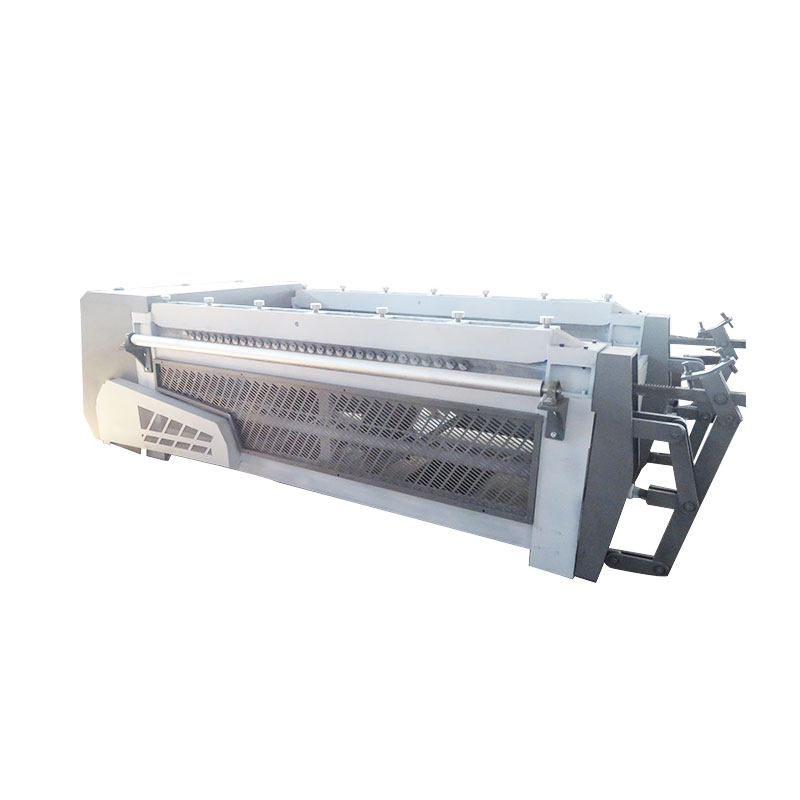
Deep-sea cages need higher stiffness-to-weight, cleaner flow, and longer intervals between net changes. PET meets that brief with good creep resistance and low water absorption. In fact, several Norwegian and East Asian operators told me PET hex mesh reduced biofouling attachment versus nylon, which tracks with lab data on surface energy. It’s not magic—just better fit-for-purpose when currents get pushy.
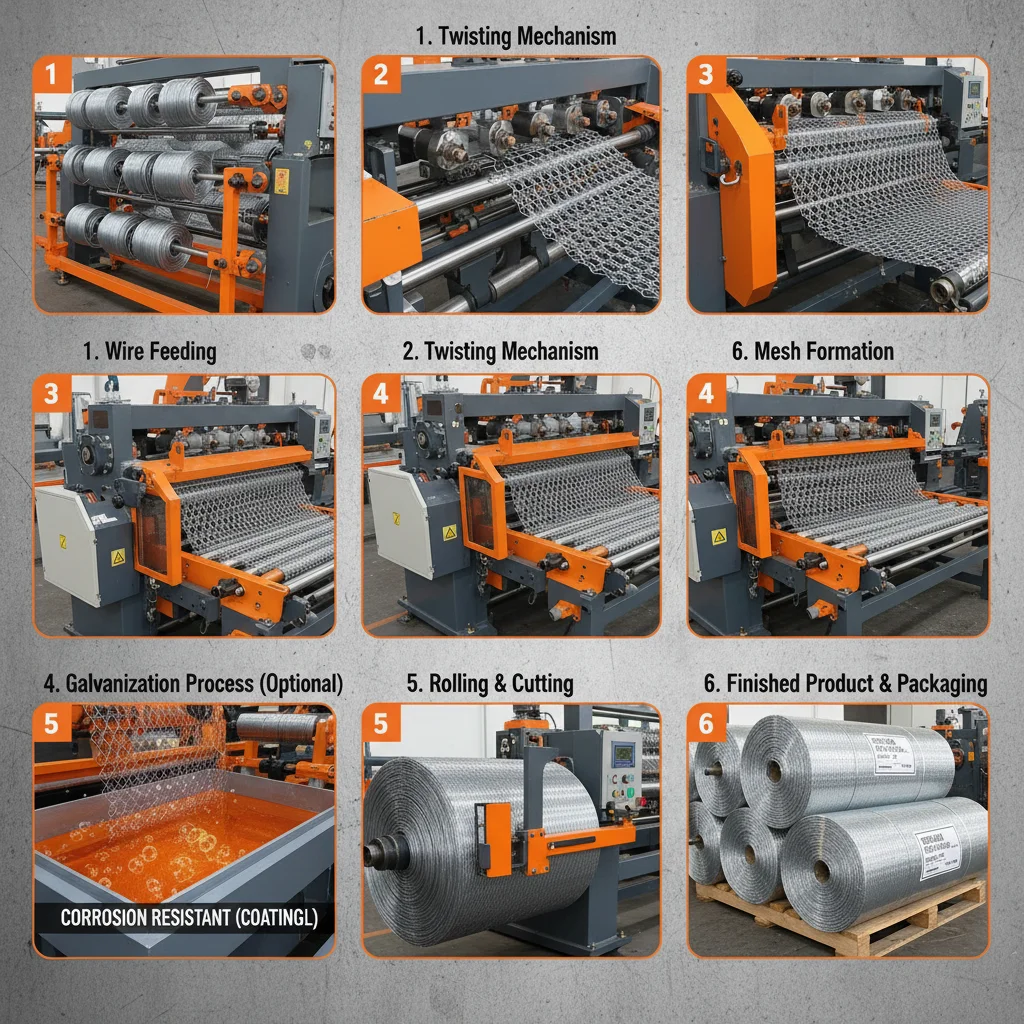
Materials: high IV PET chips (dryer to ≈−40°C dew point) → extrusion and orientation → hexagonal mesh forming → thermal setting for semi‑rigidity → optional anti‑UV/anti-fouling additives → spooling and inspection. QA labs typically run tensile (ASTM D638), mesh breaking force (ISO 1806), UV weathering (ISO 4892-2), and salt-spray or seawater aging (ISO 9227/field tanks). Real-world service life offshore is around 8–12 years, depending on site class and cleaning regime.
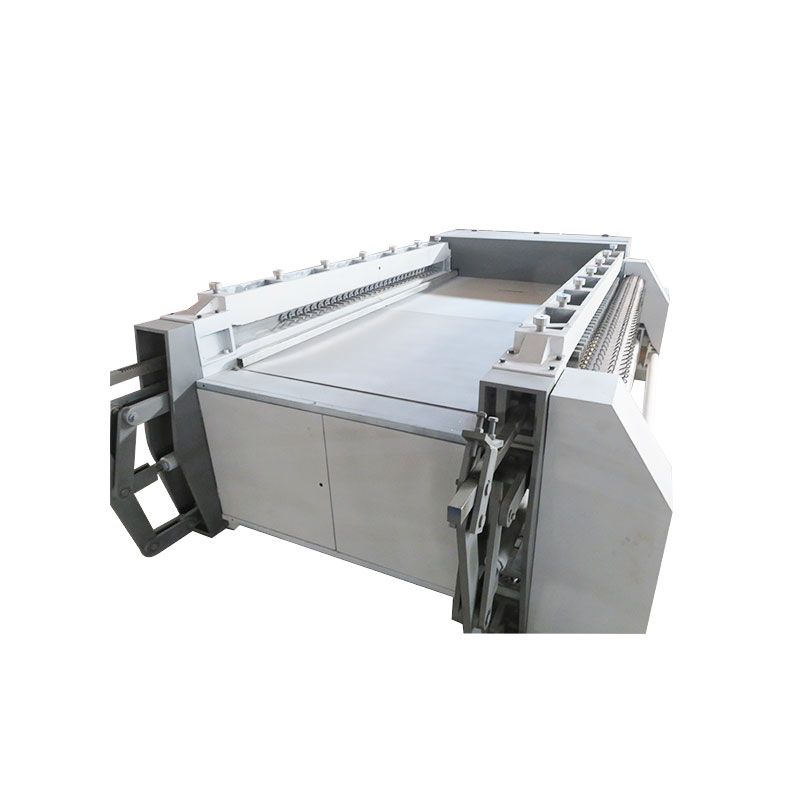
Developed by Hebei Hengtuo Machinery Equipment Co., Ltd., with multiple patents on PET hexagonal wire mesh machines. The polyester hex mesh is also crossing over to gabions for slope/dam protection—an unexpected but logical move given stiffness and corrosion resistance.
| Spec | PET Hex Mesh Line (≈ real‑world) |
|---|---|
| Mesh aperture | 30–80 mm (custom) |
| Strand diameter | 1.4–3.2 mm |
| Tensile strength | ≥ 600 MPa equivalent fiber strength (ASTM D638) |
| Output capacity | ≈ 120–300 kg/h (depends on mesh size) |
| Power draw | ≈ 80–140 kW |
| UV stabilization | HALS + carbon black options |
| Service life | 8–12 yrs offshore (site-dependent) |
| Cert & testing | ISO 9001 plant; ISO 1806, ISO 4892-2, ISO 9227 as applicable |
| Criteria | Hebei Hengtuo (PET) | Vendor B (HDPE-only) | Vendor C (Imported PET) |
|---|---|---|---|
| Mesh range | 30–80 mm | Knotless HDPE; limited hex | 20–70 mm |
| Patents | Multiple PET hex machine patents | — | Some |
| Lead time | ≈ 45–75 days | ≈ 30–60 days | ≈ 90–140 days |
| Certs | ISO 9001; CE for line | ISO 9001 | ISO 9001; CE |
| Offshore track record | Growing; pilots in fjords/typhoon belts | Strong in inshore HDPE | Premium, fewer installs |
| Price band | Mid | Low–Mid | High |
Mesh aperture, strand thickness, anti-fouling package, and net depth are all configurable. The Aquaculture Fish Farming Cage Machine Service teams I’ve dealt with also tweak feeder interfaces and spooling to match cage installers’ rigs. To be honest, integration calls with mooring engineers are where projects succeed—or stumble. Ask about NS 9415-aligned documentation if you’re exporting to Norway.
Maintenance tip: keep jet pressures moderate; PET hates sharp, localized cuts more than it hates UV. Simple, but it saves headaches.
Aquaculture Fish Farming Cage Machine Service isn’t just installation—think lifecycle testing, training, and spares. If a vendor glosses over test certificates (ISO 1806, tensile curves, UV hours), that’s your red flag.