Understanding Bull Block Wire Drawing Machine: The Backbone of Modern Wire Production
The bull block wire drawing machine might not be a term you stumble on daily unless you’re in wire manufacturing or industrial engineering circles, but it plays a crucial role worldwide. Essentially, this machinery smooths the path for countless wires that power our homes, industries, and communications. From telecommunications cables to construction reinforcements, the demand for high-quality wire is escalating — making the bull block wire drawing machine indispensable. Grasping why and how this piece of equipment operates not only illuminates a key industrial process but also highlights its ripple effect on global infrastructure and even humanitarian efforts.
The Global Context: Why the Bull Block Wire Drawing Machine Matters
Globally, the wire drawing industry is valued in the billions, with increasing demand driven largely by urbanization, renewable energy projects, and expanding telecommunication networks. According to the International Organization for Standardization (ISO), quality wire production hinges substantially on consistent and efficient wire drawing practices. However, the industry faces challenges: fluctuating raw material costs, energy consumption concerns, and the need for precision that minimizes waste. The bull block wire drawing machine addresses these by improving processing precision and operational stability — vital factors that enable manufacturers to produce thinner, stronger wires without sacrificing output.
Mini takeaway: The bull block wire drawing machine is a linchpin for sectors reliant on wire products, helping meet growing global infrastructure demands through improved efficiency and quality control.
Defining the Bull Block Wire Drawing Machine
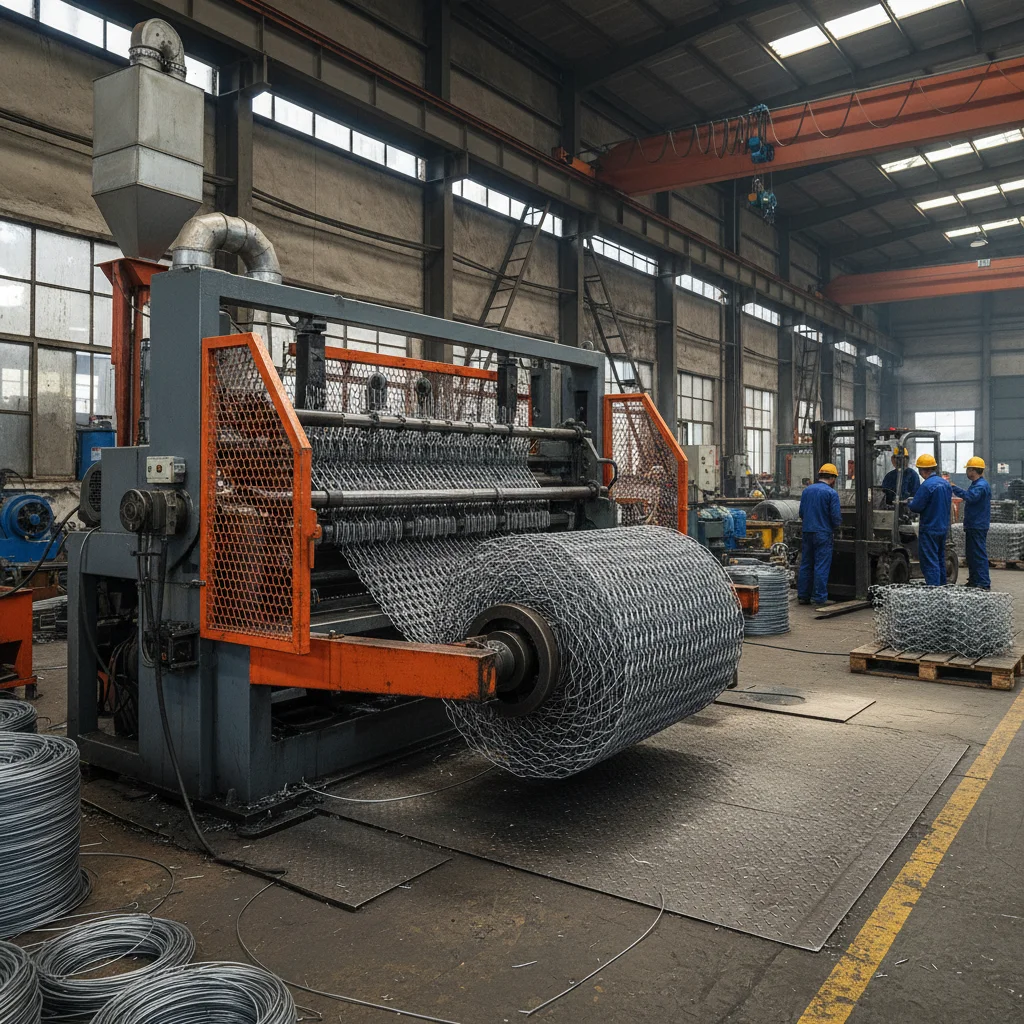
Simply put, a bull block wire drawing machine uses a controlled pulling mechanism to reduce the diameter of metal wire. This “bull block” is the main driving unit, gripping and drawing the wire through progressively smaller dies — think of it like coaxing a thick rope through variously sized eyelets until it becomes a sleek cable. This technology dates back to early industrial uses but has evolved remarkably with modern materials and automation. Its main goal is to refine raw metal from bulk sizes into usable wire, critical for everything from electrical cabling to mesh fencing.
Connection to Industry and Humanitarian Needs
In humanitarian contexts — post-disaster infrastructure rebuilds or remote community electrification projects — durable, reliable wire often comes through such machinery. The ability to produce consistent wire quickly can literally re-electrify a region or rebuild communication lines swiftly.
Core Components and Critical Features of Bull Block Wire Drawing Machines
1. Durability and Build Quality
These machines are often made with high-grade steel frames to withstand continuous heavy loads. Well-built units resist vibrations and mechanical wear, ensuring consistent performance. Many manufacturers invest in corrosion-resistant coatings, especially if the units serve humid or coastal zones.
2. Precision and Scalability
Wire drawing requires micro-level precision. The bull block machine’s adaptability to different wire gauges is fundamental. Some models offer modular components enabling manufacturers to scale production up or down without costly replacements.
3. Cost Efficiency & Energy Consumption
Modern bull block wire drawing machines integrate energy-saving motors and optimized die arrangements, reducing electricity use and thereby operational costs. For big factories, these savings accumulate substantially.
4. Automation and Control Systems
The latest iterations feature computerized controls that adjust drawing speed, tension, and lubrication in real-time — reducing human error and improving consistency. This automation facilitates high throughput without sacrificing quality.
5. Safety Features
Given the sheer force involved, integrated safety mechanisms like emergency stops and protective covers are standard to guard operators.
Mini takeaway: The success of a bull block wire drawing machine depends as much on sturdy design as on flexibility and smart automation.
Real-World Applications of Bull Block Wire Drawing Machines
The applications are as extensive as they are varied:
- Construction and Infrastructure: Producing galvanized steel wire for reinforcing concrete or fencing.
- Telecommunications: Drawing fine copper wire for high-quality cables and fiber optic support structures.
- Post-Disaster Relief: Quick setup of electrical grids and communication networks using locally drawn wire.
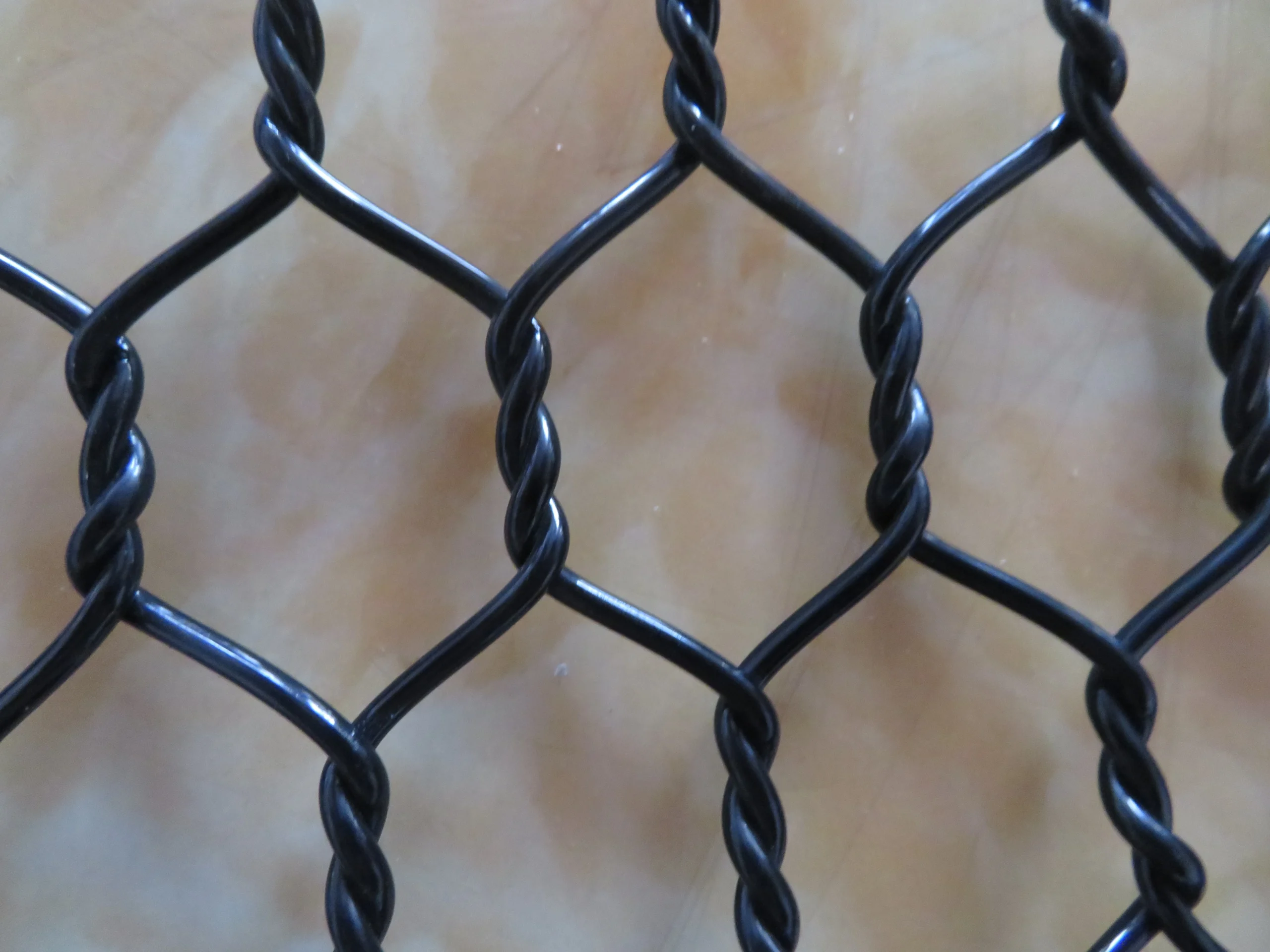
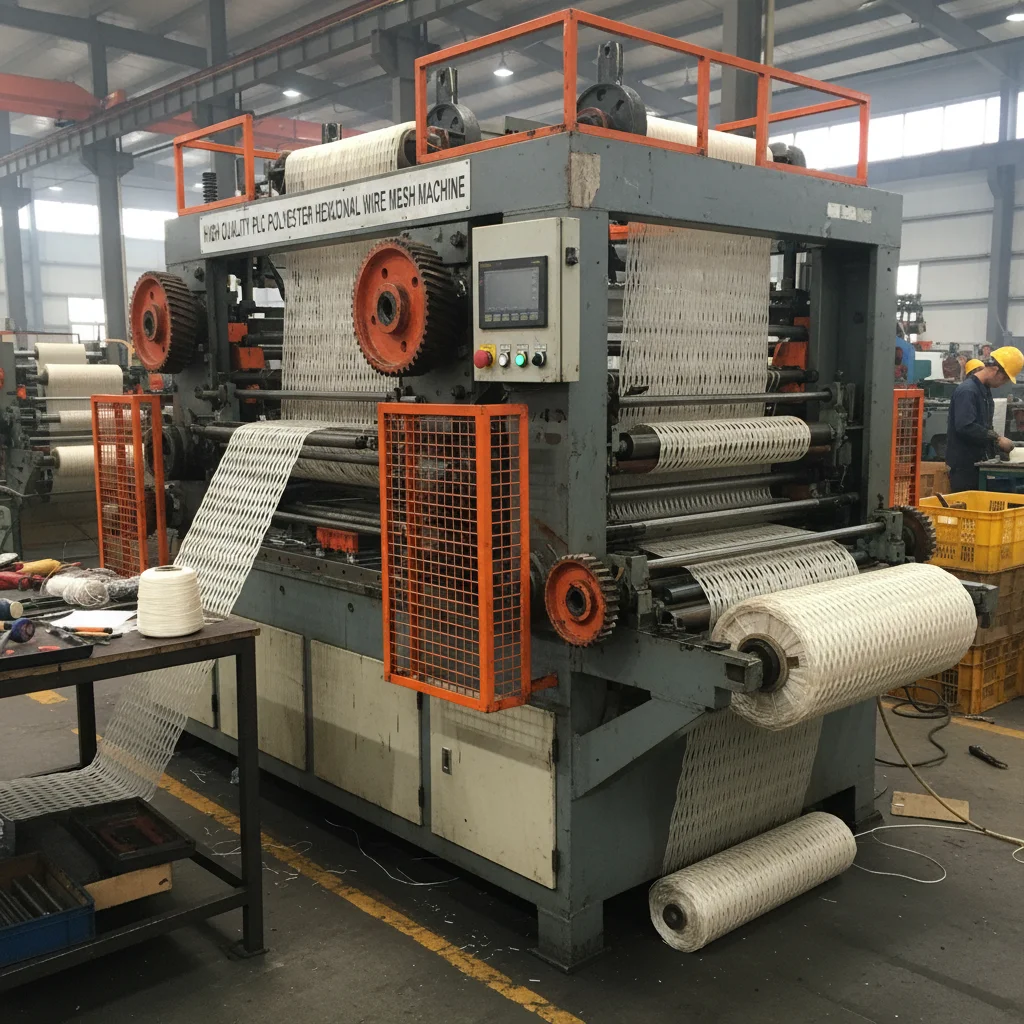
- Manufacturing of Mesh and Netting: Wire drawing machines supply the foundation wire needed for agricultural netting and industrial meshes.
Industrial hubs in Asia and Europe dominate production, but emerging markets in Africa and South America increasingly rely on compact bull block machines to support local industries.
Advantages and the Long-Term Value of Bull Block Wire Drawing Machines
- Cost Savings: Reduced waste and energy efficiency cut operational expenses.
- Reliability: Consistent wire quality reduces product rejection rates.
- Sustainability: Using less raw material and energy aligns with global environmental goals.
- Worker Safety: Enhanced features protect employees from accidents.
Beyond numbers, these machines represent the trust companies place in technology — a silent promise to deliver quality wires for critical infrastructures worldwide. It’s odd how machinery like this often goes unnoticed, yet it holds so much weight for safety and innovation.
Product Specification Table
| Specification |
Details |
| Wire Diameter Range |
0.5 mm – 12 mm |
| Drawing Speed |
Up to 120 m/min |
| Motor Power |
15 kW (Energy efficient brushless motor) |
| Control System |
PLC with HMI touchscreen interface |
| Machine Dimensions |
3 m (L) x 1.2 m (W) x 1.5 m (H) |
| Weight |
1,200 kg |
Vendor Comparison: Leading Bull Block Wire Drawing Machine Providers
| Feature |
HT Mesh Machines |
WireTech Global |
DrawPro Systems |
| Energy Efficiency |
A+ |
B+ |
A |
| Automation Level |
Full PLC |
Semi-automatic |
Full PLC |
| Customization Options |
High |
Medium |
Low |
| After-Sales Support |
24/7 Global |
Business hours |
Limited |
| Price Range |
$$$ |
$$ |
$ |
Looking Ahead: Future Trends in Wire Drawing Technology
The world is turning green, and the bull block wire drawing machine is not immune. Emerging models incorporate smart sensors to reduce waste further and enable predictive maintenance — cutting downtime, which frankly can make or break production schedules. Automation is ramping up, with AI-assisted control systems optimizing tension and speed dynamically. Moreover, manufacturers are experimenting with new, eco-friendly lubricants and incorporating recycled materials without losing wire integrity. It feels like the industry’s repositioning itself for sustainability but also for versatility as different markets grow (think EV batteries demanding specialized wire). There’s a lot to keep an eye on.
Challenges and How Innovators Are Tackling Them
Despite the tech improvements, the bull block wire drawing process isn’t without its hiccups:
- Material Fatigue: Repeated drawing can weaken metals if not monitored carefully.
- Energy Consumption: Though improved, the machines still demand considerable power.
- Maintenance Complexity: As controls grow sophisticated, trained operators become essential.
Solutions are emerging — like hybrid electric drives, remote monitoring platforms, and design improvements in die materials that extend their life spans. Many technicians say investing in operator training is the best ROI in this space.
Frequently Asked Questions About Bull Block Wire Drawing Machine
- 1. What types of wire materials can a bull block wire drawing machine handle?
- These machines typically work with a range of metals including copper, aluminum, steel, and galvanized steel. The exact compatibility depends on the die sets and tension controls installed.
- 2. How does the machine handle different wire diameters?
- By pulling the wire through successively smaller dies, the machine reduces the diameter in stages. Adjustable tension and speed settings allow processing from thick gauge stock to very fine wire.
- 3. Can these machines be used in remote or less-industrialized regions?
- Yes, especially models designed with modular designs and lower power requirements. They are often deployed in remote industrial zones or disaster recovery efforts, where immediate wire production is critical.
- 4. What is the typical maintenance schedule for a bull block wire drawing machine?
- Regular lubrication, die inspection, and control system diagnostics every few weeks are common. A comprehensive maintenance check is recommended quarterly to ensure long-term reliability.
- 5. How does this machine contribute to sustainability goals?
- By optimizing raw material use, reducing wastage, and incorporating energy-saving motor technologies, bull block wire drawing machines help minimize the environmental footprint of wire production.
Conclusion: Why Investing in a Bull Block Wire Drawing Machine Makes Sense
From the technical precision demanded by modern industries to the pressing need for sustainable manufacturing, the bull block wire drawing machine stands at an interesting crossroads. It’s a tool, yes — but one that echoes far beyond the factory floor, into the cables that empower cities and the meshes that safeguard communities. Whether you’re a manufacturer chasing efficiency or a project manager in urgent need of reliable wire supply, understanding this machine’s value is step one towards smarter investment.
For a deeper dive, or to explore reliable options with robust support, visit our website and discover how the latest bull block wire drawing machines can help transform your wire production journey.
References:
- Wire Drawing - Wikipedia
- ISO Standards for Wire Products
- World Bank Data on Internet Usage and Infrastructure