Understanding the Fish Net Making Machine Price: What It Means for Industry and Beyond
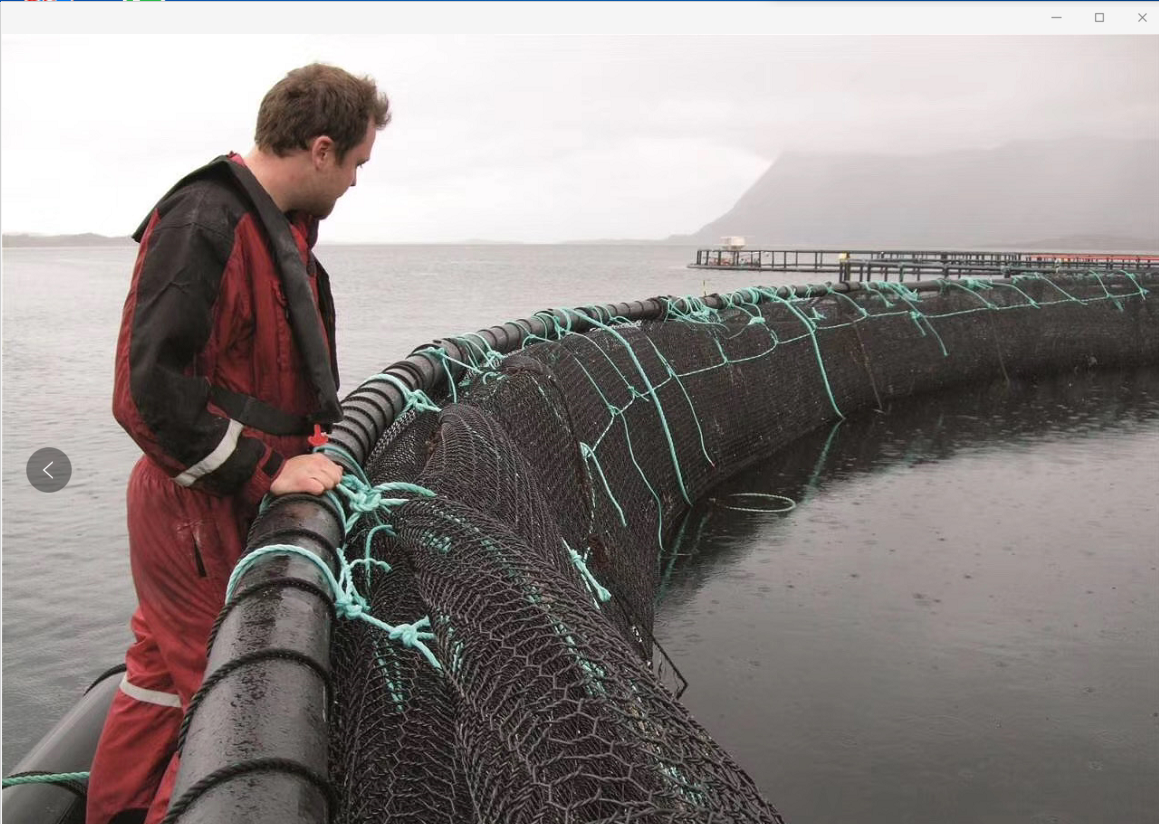
If you’re involved in the fishing industry, textiles, or manufacturing equipment procurement, you've probably wondered about the fish net making machine price. But beyond just numbers, why does it matter so much on a global scale? Well, think about it: fish is a staple food for billions, and efficient fish net production supports an entire supply chain — from small coastal communities to large-scale commercial enterprises. Getting a handle on machine prices is essential not only for budgeting but for knowing what technology can deliver in terms of durability, output, and long-term value.
Simply put, understanding these costs can lead to smarter investments, which means better quality fishing gear and ultimately more sustainable seafood supplies worldwide.
A Global Perspective: Why Fish Net Making Machine Prices Demand Attention
It’s worth noting that fish production has touched over 179 million tons globally, according to the Food and Agriculture Organization (FAO) of the United Nations (1). With fishing supporting roughly 10% of the global population's livelihoods (2), the demand for quality nets has skyrocketed. Here’s the rub: fish net making machines vary widely in price depending on their features, origins, and capabilities.
Many developing countries rely heavily on cost-effective yet durable machines to support their coastal fishing villages. But the challenge is, many affordable machines out on the market might compromise on quality or efficiency—leading to higher repair costs or lower output. Conversely, higher-priced equipment, while featuring innovation and longevity, can be a stretch for small businesses.
So understanding the fish net making machine price in this light is not just about economics, but about balancing affordability with performance.
Key takeaway: The global balance of quality and cost in fish net machinery influences fishing communities and the sustainability of aquatic resources.
What Does the Fish Net Making Machine Price Actually Represent?
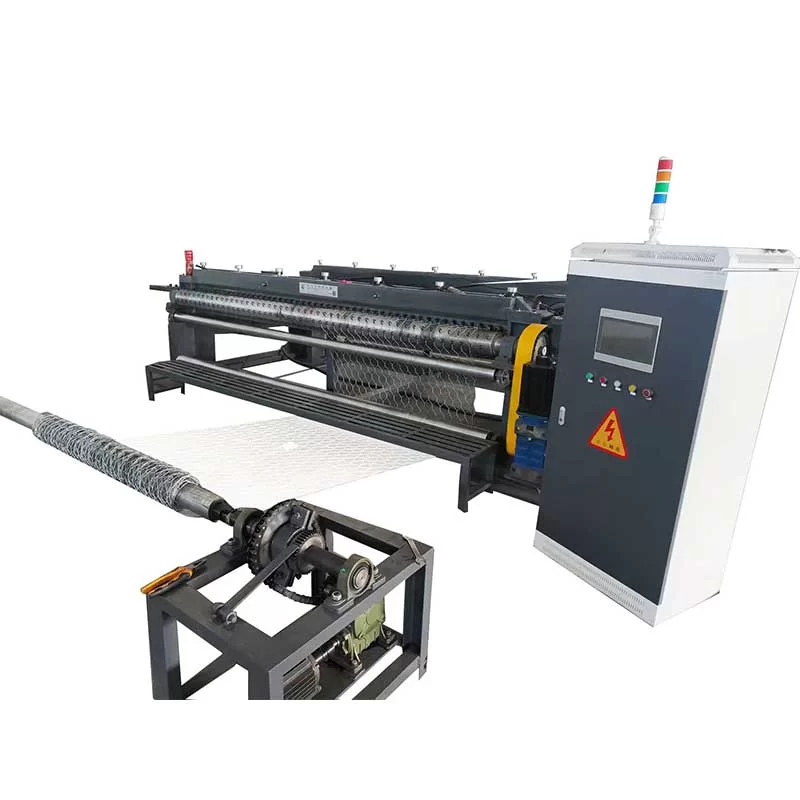
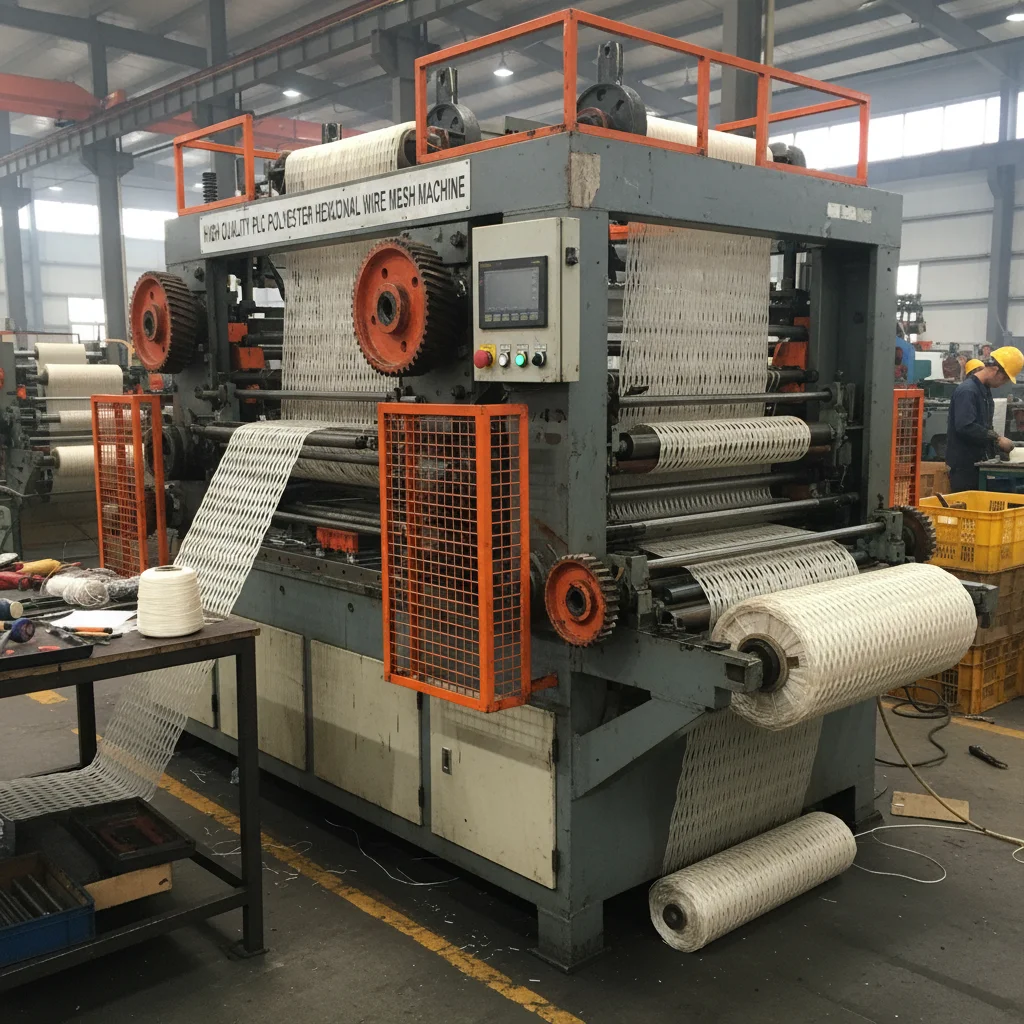
In essence, the fish net making machine price is the market cost for machinery specifically designed to weave or knot fishing nets. These machines range from fully automated high-speed models to semi-manual ones that require an operator’s attention. The price factors in manufacturing quality, speed, the type of net (mono-filament, braided nylon, etc.), and technological innovations like digital controls or energy efficiency.
But it’s more than just hardware. The price also often reflects how well a machine meets industry demands in terms of sustainability and adaptability — something increasingly important as regulations tighten globally about bycatch and ocean conservation.
Mini takeaway: The price sets expectations about the machine’s capabilities and its alignment with modern fishing industry's practical and ethical needs.
Core Factors Influencing Fish Net Making Machine Price
1. Durability and Build Quality
Machines constructed with high-grade steel and corrosion-resistant materials naturally cost more but outlast cheaper alternatives, especially in salty marine environments.
2. Production Capacity and Speed
Faster machines with automated feeding and net shaping drive up the price but are worth it for large-scale factories.
3. Technological Features
Digital interfaces, programmable weaving patterns, and energy-efficient motors impact both price and usability.
4. Scalability and Customization
Some vendors offer modular machines where you can add or adjust components — this influences initial and maintenance costs.
5. Energy Consumption
Green and power-saving options might raise upfront costs but drastically cut operational expenses in the long run.
6. Vendor Support and Warranty
Machines from reputable vendors who provide reliable after-sales service and warranties may appear more expensive initially but reduce downtime and repair costs.
Summary: Price = a mix of specs, tech, capacity, and reliability rolled into one.
Fish Net Making Machines Around the World: Use Cases and Regional Highlights
Fishing is a global affair, and so is net production:
- Asia: Countries like China and India have vibrant manufacturing scenes producing affordable, semi-automated machines ideal for coastal villages.
- Europe: Advanced machines with automation and precision customization cater to commercial fisheries and aquaculture farms.
- Africa & South America: Emphasizing cost efficiency, with a focus on rugged, easy-to-maintain models suited to remote fishing communities.
For example, in post-disaster relief operations, quickly producing replacement nets is vital to restore livelihoods disrupted by storms or floods. In remote industrial zones, machines that operate on low power but still deliver strong, consistent nets are invaluable.
Mini takeaway: Varied global demands shape machine pricing and feature sets—a clear example is the contrast between high-tech and budget-friendly models.
Specification Table: Typical Fish Net Making Machine Features & Prices
| Feature |
Basic Model |
Mid-Range Model |
Premium Model |
| Price Range (USD) |
$3,500 - $5,000 |
$7,000 - $12,000 |
$15,000 - $30,000+ |
| Max Net Width |
1.2 m |
2.5 m |
Up to 5 m |
| Production Speed |
10 m/hr |
30 m/hr |
60 m/hr |
| Material Types Supported |
Nylon, Polypropylene |
Nylon, Polyester, Monofilament |
Wide variety incl. ecological fibers |
| Automation Level |
Manual/Semi- |
Automated Controls |
Fully Automated with PLC |
| Warranty |
6 months |
1 year |
2 years+ |
Vendor Comparison: Who’s Offering What?
| Vendor |
Price Range (USD) |
Unique Selling Point |
Support & Warranty |
| HT Mesh Machines |
$4,000 - $25,000 |
Customizable automation, eco-friendly materials |
24/7 support, 2-year warranty |
| NetsPro Tech |
$3,000 - $15,000 |
Affordable semi-automatic machines suited for small businesses |
Email support, 1-year warranty |
| AquaWeave International |
$10,000 - $35,000 |
Cutting-edge automation & IoT integration |
Onsite training, 3-year warranty |
Advantages of Investing in the Right Fish Net Making Machine
It’s not just about the initial machine cost — it’s what you get over time. Here’s why choosing wisely matters:
- Cost Efficiency: Durable machines reduce downtime and maintenance expenses.
- Sustainability: Modern machines can use eco-friendly fibers, reducing ocean pollution.
- Job Creation: Efficient machines increase production, providing more employment.
- Safety and Quality: Better tech reduces accidents and improves net strength, preventing frequent replacements.
- Innovation and Trust: When buyers trust machinery to perform consistently, supply chains are more reliable and adaptable.
Quick takeaway: Fishing communities and manufacturers both gain long-term dividends by factoring fish net making machine price into a broader value context.
Looking Ahead: Trends That Will Shape Fish Net Machine Pricing
With the global economy leaning toward sustainability and smart manufacturing, here’s what’s next:
- Green Energy-Powered Machines: Solar or hybrid-powered systems to lower carbon footprints and operating costs.
- AI & Automation: Predictive maintenance and real-time quality controls improving productivity.
- Advanced Materials Handling: Machines able to work with biodegradable fibers.
- Remote Monitoring: IoT-enabled devices letting users track operations from anywhere.
- Regulatory Compliance: Machines built to meet stricter standards, impacting design and cost.
Challenges in Buying and Using Fish Net Making Machines & How to Overcome Them
Sure, investing in such equipment can be daunting:
- Initial Capital Constraints: Many small businesses find prices upfront challenging. Leasing or financing options may help.
- Technical Skill Gaps: Operators require training; hence vendors providing on-site instruction add real value.
- Supply Chain Disruptions: Global shipping delays increase lead times; local vendors or stock awareness can mitigate this.
- Maintenance and Repairs: Without nearby service centers, repair downtime can hurt profits. Choosing reputable vendors with solid support is critical.
Frequently Asked Questions About Fish Net Making Machine Price
- Q: What factors most influence fish net making machine price?
- A: Material quality, automation level, production speed, vendor support, and warranty length are the biggest drivers of price variation.
- Q: Are more expensive fish net machines always better?
- A: Not necessarily. Sometimes mid-range machines offer an excellent balance of features and durability, especially for small-to-medium operations.
- Q: Can fish net making machines use eco-friendly materials?
- A: Yes, several manufacturers now offer machines compatible with biodegradable fibers, supporting environmental goals.
- Q: How important is vendor support in choosing fish net machines?
- A: Very important. Machines can be complex, so ongoing technical support and warranty coverage reduce costly downtime.
- Q: Is it possible to customize fish net making machines?
- A: Many vendors provide customization options for size, speed, and automation levels to fit specific production needs.
Conclusion: Why Understanding Fish Net Making Machine Price Pays Off
In the end, the fish net making machine price is more than just a number — it’s a gateway to decisions that affect productivity, sustainability, and livelihood resilience worldwide. While the upfront costs may seem intimidating, understanding the specifications, vendor options, and future trends ensures that investments lead to value and growth.
So if you’re looking to upgrade or purchase new machinery, don’t just shop around mindlessly. Make sure the machine fits your production demands and sustainability goals. And for reliable, innovative solutions, I’d recommend visiting fish net making machine price to explore your options today.
Here’s to smarter choices and stronger nets—may the catch always be plentiful!
References
- FAO: The State of World Fisheries and Aquaculture 2022, www.fao.org
- UN Department of Economic and Social Affairs: Fishing Industry and Employment Data
- ISO Standards on Fisheries Equipment and Sustainability, iso.org