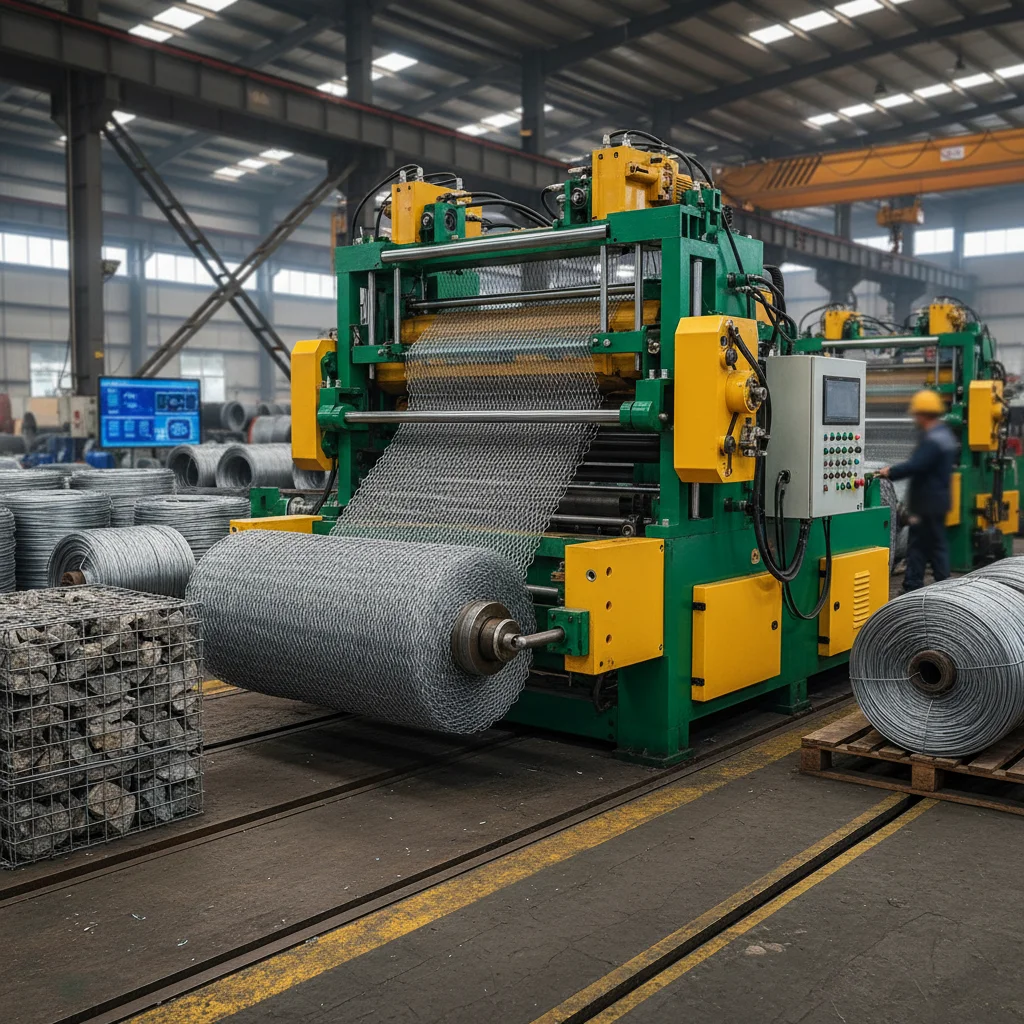
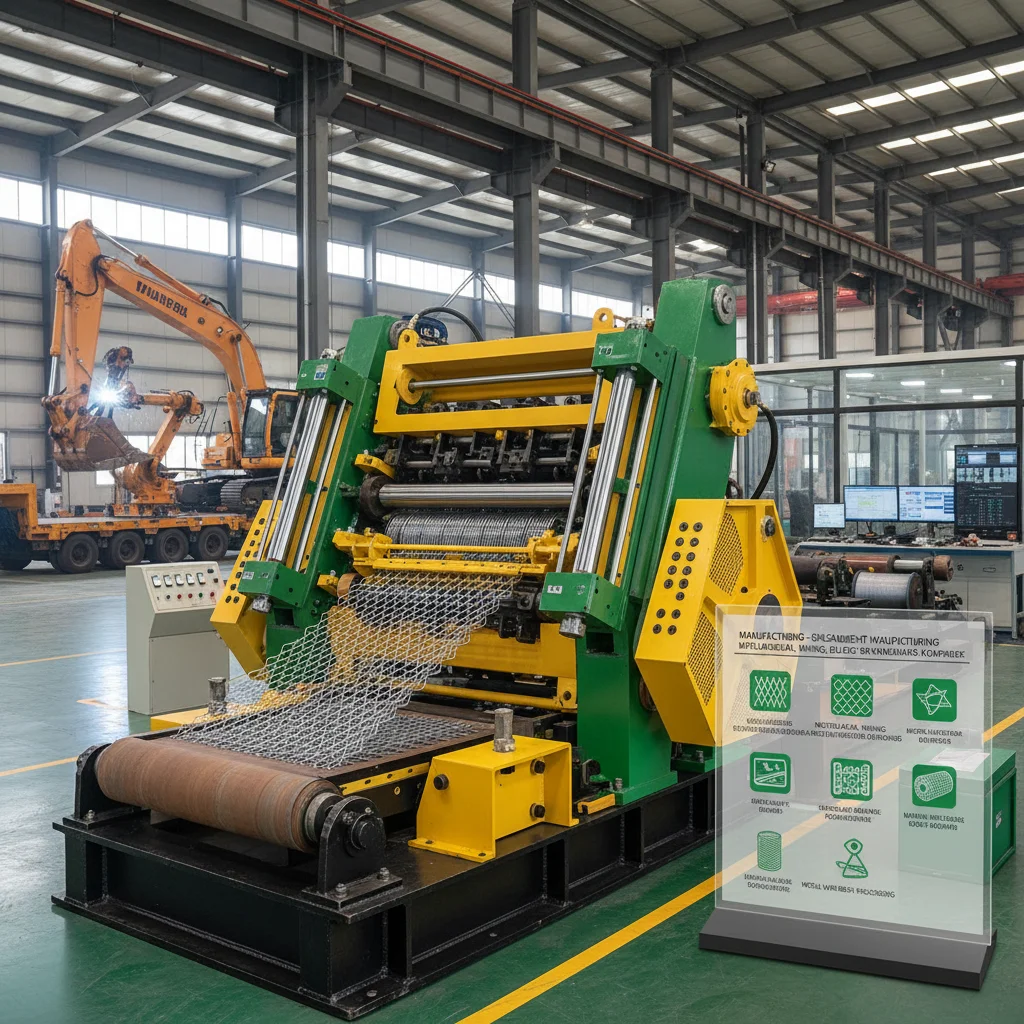
The Copper Wire Drawing Machine: Why It’s a Game Changer in Global Industry
Whether you’re an engineer, a factory manager, or just someone curious about how your electronics get their wiring, the copper wire drawing machine is a quiet hero behind the scenes. At first glance, it’s just machinery pulling copper wire thinner and thinner, but globally, this process impacts everything from telecommunications networks to green energy installations. Understanding it isn’t just a niche industrial curiosity — it’s a window into how modern society keeps its pulse beating. Plus, mastering such machines means better efficiency, sustainability, and wide-reaching economic benefits from the factories in Shenzhen to workshops in Eastern Europe.
Global Context: Why Copper Wire Drawing Machines Matter More Than Ever
Today’s industrial world runs on copper wire. According to the World Bank, global copper demand has surged, especially as renewable energy infrastructure grows and high-speed internet becomes essential everywhere. However, traditional wire production can be energy-intensive and costly, especially in emerging economies. The copper wire drawing machine addresses these challenges by refining raw copper rods into thin, uniform wire strands efficiently. The International Copper Association estimates that about 40% of global energy losses could be reduced in electrical wiring systems by improving copper quality and wire properties — wire drawing plays a key role here.
Still, scaling this technology to meet expanding demands without a corresponding rise in resource consumption is a tough, ongoing challenge.
Mini takeaway:
- Copper wire drawing machines play a critical role in global infrastructure and energy networks.
- Efficiency and quality improvements in wire drawing translate directly to cost savings and lower environmental impact.
What Exactly Is a Copper Wire Drawing Machine?
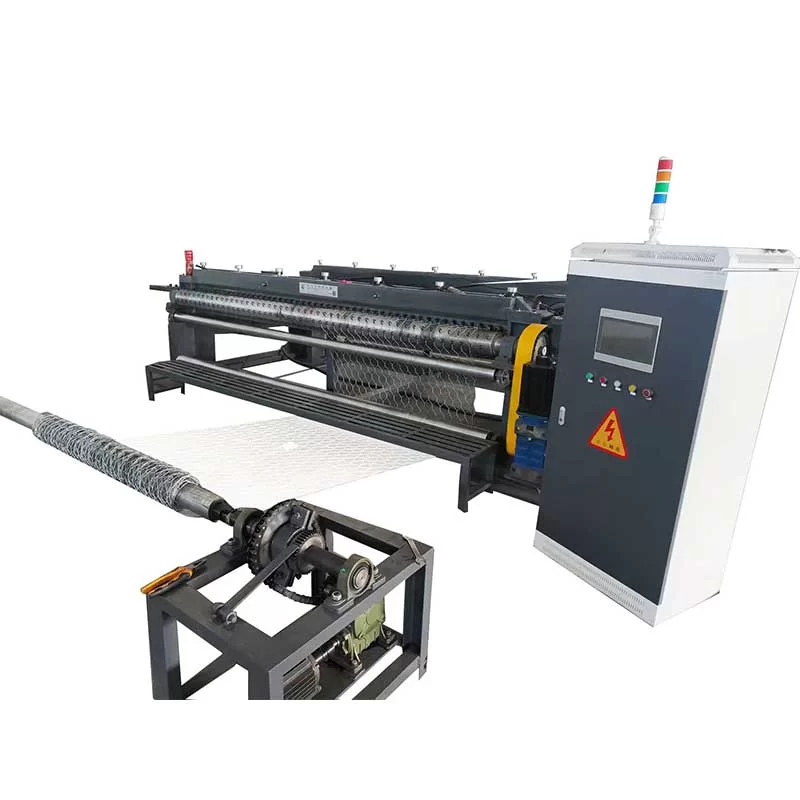
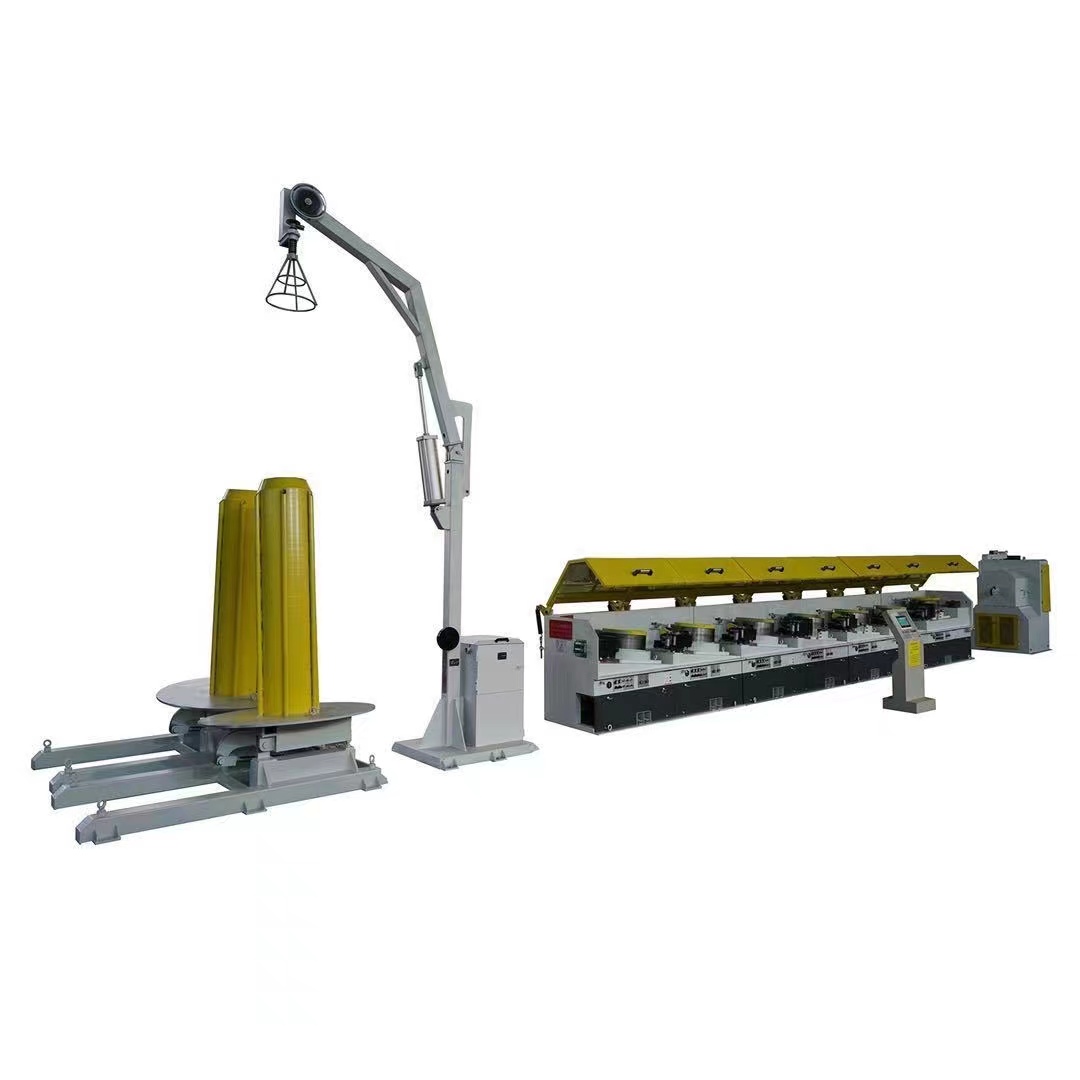
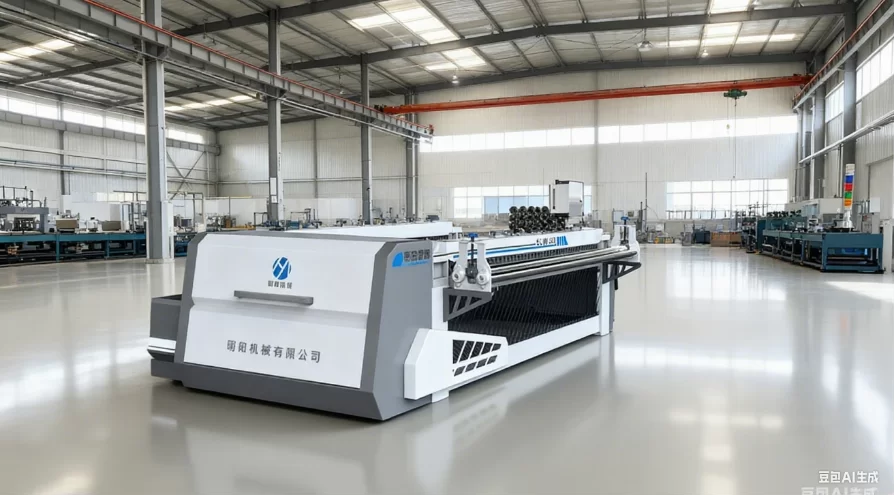
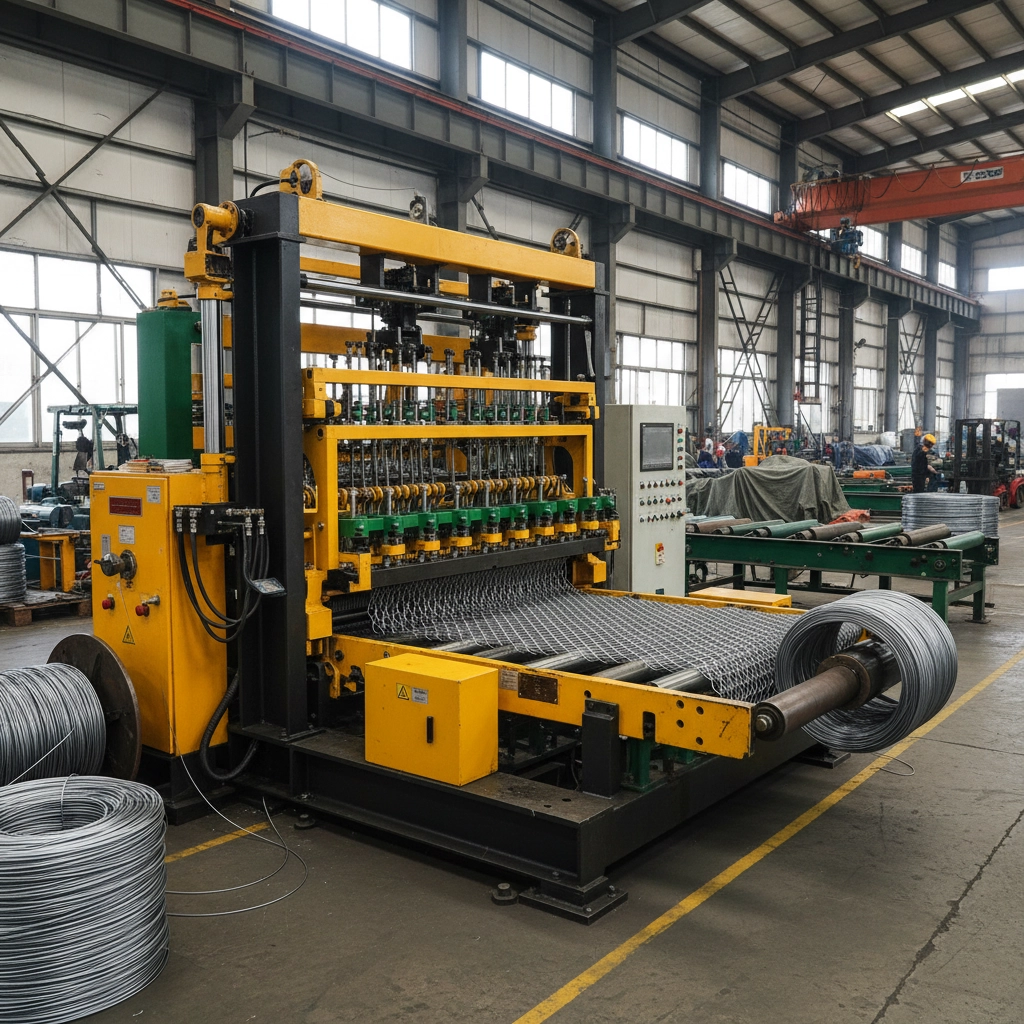
In simplest terms, a copper wire drawing machine is a piece of industrial equipment designed to reduce the diameter of copper rods into thinner wire by pulling, or “drawing,” the copper through a series of increasingly narrow dies. This isn’t just about making wire smaller — the process improves the wire’s mechanical strength, surface quality, and conductivity. It’s similar to pulling taffy to just the right firmness, but with precision engineering and extremely tight tolerances.
For modern industries, from electronics manufacturing to automotive wiring and even humanitarian aid projects needing reliable electrical systems, these machines ensure wire quality meets exacting standards.
Mini takeaway:
- Wire drawing machines reduce copper rods into usable wire while enhancing strength and electrical quality.
- The machines are essential for producing everything from tiny circuit wiring to heavy-gauge electrical cables.
Core Aspects of Copper Wire Drawing Machines
Durability and Build Quality
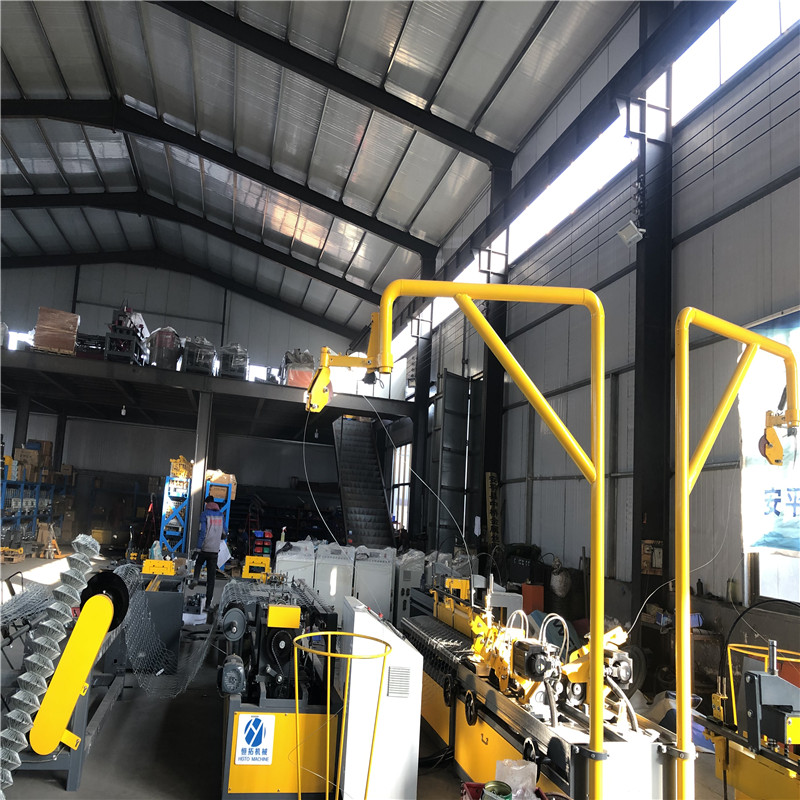
These machines often operate continuously in challenging industrial environments. Their frames are typically made from heavy-duty steel, with precision components designed to last years without significant degradation. Engineers value ruggedness because downtime means lost production and potential faults in the wire.
Scalability and Flexibility
Good machines accommodate various wire gauges, from fine electronics wire less than 0.1 mm in diameter to large cables exceeding several millimeters. Many modern designs include modular tooling so operators can swap dies quickly for different projects.
Energy Efficiency
Besides mechanical design, some units feature advanced motors and feedback systems that optimize power consumption. Since wire drawing is continuous, even marginal savings per hour add up to big reductions annually — plus less heat generation improves working conditions.
Automation and Control
Modern copper wire drawing machines include computerized controls for precise speed regulation, tension control, and quality monitoring. This prevents wire breakage and waste, improving overall throughput and consistency.
Cost Efficiency
While quality machines require upfront investment, the reduction in scrap material, labor costs, and energy consumption often means a rapid return on investment.
Mini takeaway:
- Durability and flexibility ensure longevity and product range versatility.
- Automation and energy efficiency help meet modern sustainability goals.
Global Applications: Where Copper Wire Drawing Machines Make a Difference
This may sound dry, but these machines are quietly backstage in so many real-world scenarios:
- Renewable Energy Projects: In solar panel manufacturing and wind turbines, high-quality copper wire is critical for efficient power transmission.
- Disaster Relief and Infrastructure Rebuilding: After events like earthquakes or hurricanes, rapid installation of reliable wiring depends on ready availability of good wire, often produced locally.
- Telecommunications: Telecom giants in Asia and Europe rely heavily on copper wiring for legacy infrastructure and hybrid systems.
- Automotive Manufacturing: Electric vehicles, increasingly popular worldwide, demand durable, lightweight copper wire for battery connections and controls.
Regions with expanding electricity access in Africa and South America also have startups using these machines to boost local manufacturing — a kind of industrial empowerment.
Mini takeaway:
- Copper wire drawing machines support cutting-edge sectors like green energy and EVs.
- They’re pivotal in both established markets and emerging economies, including humanitarian scenarios.
Advantages & Long-Term Value of Copper Wire Drawing Machines
You might think this is all just about mechanical engineering, but honestly, the impact goes beyond dollars and millimeters. Reliable wire production means:
- Economic benefits: Lower production costs and less material waste.
- Sustainability: Energy savings, reduced scrap, supporting eco-friendly goals.
- Social impact: Safer electrical networks, improved energy access in underserved communities.
- Technological innovation: Precise wire quality boosts durability of electronics and infrastructure.
Companies investing in advanced machines often report better client trust and staff safety — it turns out, consistency and quality feel good, not just look good.
Product Specification Table
| Specification |
Typical Range |
Details |
| Wire Diameter |
0.05 mm – 8 mm |
Variable by die sets and machine model |
| Drawing Speed |
0.5 – 3 m/s |
Programmable speed control for quality adjustment |
| Motor Power |
15 - 100 kW |
Depends on capacity and throughput requirements |
| Automation Level |
Semi to fully automated |
Includes tension control, wire break detection |
| Energy Efficiency |
Up to 25% less consumption (vs. older models) |
Through motor and friction reduction techniques |
Vendor Comparison: Leading Copper Wire Drawing Machine Providers
| Vendor |
Pricing (USD) |
Automation Level |
Energy Efficiency |
Global Support |
| HT Mesh Machines |
$100,000 - $250,000 |
High (Smart CNC Control) |
Up to 25% Reduction |
Excellent (24/7 Hotline) |
| CopperWorks Ltd. |
$90,000 - $230,000 |
Moderate (Semi-automatic) |
20% Reduction |
Good (Regional Offices) |
| WireTech Solutions |
$110,000 - $280,000 |
Full Automation |
Up to 30% Reduction |
Fair (Online Support) |
Future Trends and Innovations in Copper Wire Drawing Machines
Looking ahead, the push toward sustainable manufacturing is reshaping wire drawing tech. For example, new materials and coatings on the dies reduce friction further, lowering energy use. Then there’s automation with AI-powered monitoring that predicts wire defects before they happen — many engineers say this will be a big step for reducing waste.
On the policy side, tighter ISO energy management standards are motivating manufacturers to invest in next-gen machines — not just because of cost, but to meet global climate goals.
Challenges & How Experts Suggest Overcoming Them
One noteworthy hurdle is the high initial cost and the technical expertise required for operating advanced machines, especially in less developed regions. Plus, maintenance downtime can be costly.
Experts recommend incremental upgrades and comprehensive training programs, rather than wholesale replacements, for emerging factories. Some also turn to modular machines that allow progressive scaling and easier repairs. Enhanced remote monitoring systems help spotlight issues before they become expensive problems — an increasingly popular approach.
FAQ: Copper Wire Drawing Machines
- Q1: What factors affect the quality of wire produced by a copper wire drawing machine?
- A: Quality mainly depends on the precision of the dies, control of drawing speed, and lubrication. High-quality machines offer advanced tension control and real-time monitoring to minimize defects such as wire breakage or inconsistent thickness.
- Q2: How energy-efficient are modern copper wire drawing machines compared to older models?
- A: Modern equipment can reduce energy consumption by up to 25-30% through improved motor technology, friction reduction techniques, and automation that optimizes drawing speed and tension continuously.
- Q3: Can a copper wire drawing machine be customized for different wire gauges and materials?
- A: Yes. Most machines are modular, allowing tooling changes for different wire diameters and even other metals like aluminum. Customizable software controls help set appropriate drawing speeds and tensions for various materials.
- Q4: How long does a typical copper wire drawing machine last under continuous operation?
- A: With proper maintenance, such machines often remain productive for 10+ years. Key to longevity is regular replacement of consumables like dies and bearings, and timely lubrication.
- Q5: Where can I learn more about buying a copper wire drawing machine?
- A: For reliable models and support, check manufacturers like HT Mesh Machines who offer detailed specs, consultations, and worldwide shipping.
Conclusion: Why Invest in a Copper Wire Drawing Machine?
At the end of the day, the copper wire drawing machine isn’t just heavy equipment — it’s a cornerstone of modern electrical and industrial progress. From cutting costs to shrinking environmental impact, these machines offer a smart path forward with both immediate and long-term rewards. Whether you’re boosting factory output or looking to support sustainable growth, looking into a machine from trusted suppliers like HT Mesh Machines is definitely worth a closer look.
As global infrastructure grows and tech evolves, the ability to produce reliable, high-quality copper wire efficiently becomes even more essential — the machine is where it all begins.
References
- World Bank - Energy Overview
- Wikipedia - Copper Wire
- ISO 50001 Energy Management