Types of Nails for Building: What You Need to Know
When you think about construction, you probably picture huge machines or towering skyscrapers, but honestly, it’s often the small things — like nails — that form the backbone of any project. The types of nails for building cover everything from framing houses to fixing furniture, yet their differences and applications remain overlooked by many outside the trade. Globally, knowing your nails can save time, dollars, and sometimes even lives, especially when working in environments with limited resources or demanding standards. This guide will walk you through the essentials of construction nails, why they matter, and how innovation is shaping their future.
Introduction: A Global Perspective on Construction Nails
It may seem odd to start with something so humble, but nails are a silent pillar in global infrastructure. The World Bank estimates that the construction sector accounts for over 13% of global GDP, and nails form a fundamental component of that in literally billions of buildings around the world. From the timber-framed homes of Scandinavia to the steel-reinforced high-rises of Asia’s megacities, different types of nails for building meet varying structural and environmental demands. The challenge? Selecting the right nail isn’t as obvious as you might think — mismatches can lead to weak structures, costly repairs, or delays in humanitarian efforts where speed and reliability are key.
Definition & Meaning
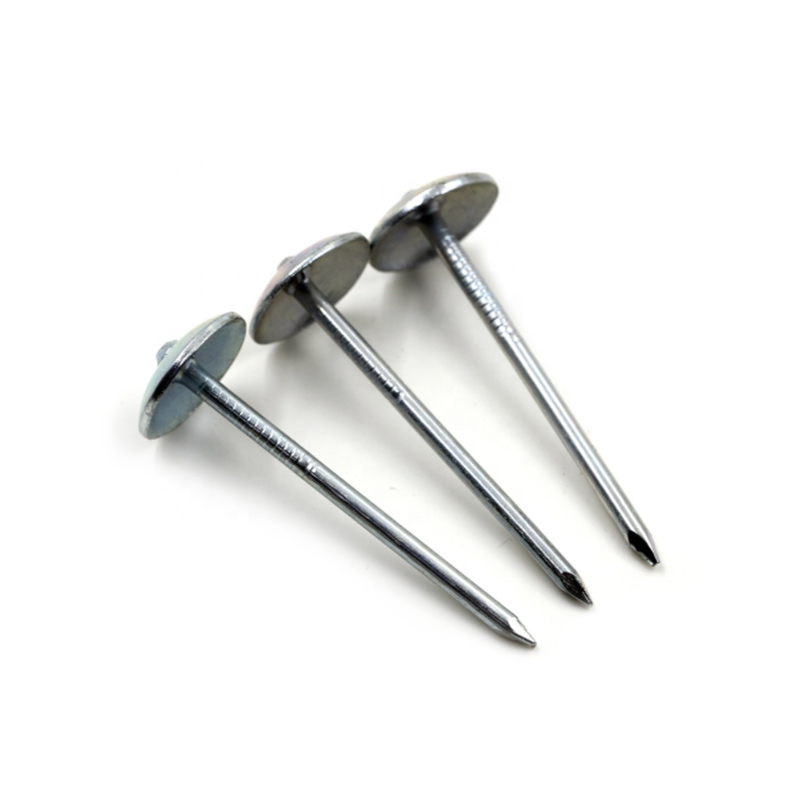
Types of nails for building refers to the range of fasteners designed specifically to join materials like wood, metal, and drywall in construction projects. These nails vary by size, shape, material, and coating, with each variant engineered to suit different load requirements, environmental conditions, and installation methods. They represent an intersection of simple mechanics and modern materials science — a basic yet critical element connected to both traditional carpentry and high-tech prefabrication.
Key Factors or Core Components to Consider
1. Durability
Nails in construction endure stress from both structural loads and environmental conditions. Rust-resistant coatings like galvanization or vinyl coatings prolong nail lifespan, which is especially important in outdoor or humid settings.
2. Size and Shape
Length, diameter, and head shape impact the holding power and suitability for specific tasks. For example, framing nails are longer and thicker for heavy timber, while finishing nails have smaller heads for detail work.
3. Material Composition
Beyond steel, some nails are made from stainless steel or copper for corrosion resistance or aesthetic reasons. The choice often depends on the structural requirements and exposure conditions.
4. Application Method
Whether driving nails by hand or using pneumatic nailers influences the nail choice, with collated nails facilitating rapid assembly, crucial in industries like modular housing.
5. Environmental Impact
Recyclability and low-toxicity coatings contribute to greener building practices, increasingly demanded by codes and consumers alike.
Global Applications & Use Cases
Various industries leverage specific nail types to meet local challenges. In earthquake-prone areas like Japan and California, specialized ring-shank nails improve structure resilience. Meanwhile, the logistics of post-disaster relief — say after an earthquake in Nepal or flooding in Mozambique — require durable, quick-to-use nails to erect temporary shelters. Industrial zones in the Middle East often prefer galvanized or stainless steel nails due to corrosive environments. And oddly enough, in remote places where power tools aren’t accessible, traditional cut nails still play a role because of their grip and ease of use.
Product Specification Table: Common Types of Nails
| Nail Type |
Material |
Typical Use |
Corrosion Resistance |
Length Range |
| Common Nails |
Steel |
Framing, general construction |
Basic galvanization |
1–4 inches |
| Finishing Nails |
Steel, stainless steel |
Trim, cabinetry |
High (vinyl or stainless steel) |
1–2.5 inches |
| Ring Shank Nails |
Steel, galvanized |
Decking, outdoor framing |
Excellent |
1.5–3.5 inches |
| Masonry Nails |
Hardened steel |
Concrete, brick fastening |
Basic galvanization |
1.25–3 inches |
Vendor Comparison Table: Leading Nail Manufacturers
| Company |
Product Range |
Sustainability Initiatives |
Global Reach |
Pricing |
| Acme Nails |
Full range: framing to finishing |
Recycled steel nails |
North America, Europe |
Mid-range |
| GreenBuild Fasteners |
Focus on eco-friendly coatings |
Biodegradable coatings, low emissions |
Europe, Asia |
Premium pricing |
| DirectFast |
Price-focused, bulk options |
Limited |
Global; emerging markets |
Low-cost |
Advantages & Long-Term Value of Choosing the Right Nail Types
Choosing the correct nail type affects cost efficiency tremendously. Using a cheap, non-galvanized nail outdoors can lead to corrosion, structural failure, and repeat repairs. On the flip side, investing slightly more in durable nails ensures safety, longevity, and peace of mind. Socially, in disaster zones, reliable nails mean faster, sturdier shelters — which directly translates to dignity and security for displaced populations. Logically, innovation in nail coatings and designs cuts waste and supports eco-conscious building efforts, which is a big growing concern worldwide.
Future Trends & Innovations in Building Nails
The future looks quite interesting. Imagine nails embedded with RFID chips that track installation dates for asset management or nails made from emerging biodegradable materials that dissolve after fulfilling their purpose. Industry-wide pushes toward sustainability are encouraging manufacturers to experiment with green coatings and recycled metals. Automation also means collated nails optimized for high-speed robotic nailers are becoming standard in prefab housing plants.
Challenges & Solutions
Frankly, the biggest issues with nails today are corrosion and improper selection causing structural weaknesses. Experts recommend thorough training for builders on correct nail choices based on climate and material. New certifications for manufacturers that standardize corrosion resistance (think ISO standards) are helping address quality variances. Meanwhile, innovations in coating technologies, like ceramic or polymer layers, promise better protection but at a still-developing price point.
FAQ: Frequently Asked Questions About Types of Nails for Building
- Q: What nail type is best for outdoor decking?
A: Ring shank galvanized nails are preferred because their grip and corrosion resistance resist weather and wood movement.
- Q: Can I use finishing nails for framing?
A: Usually not. Finishing nails lack the length and thickness needed to securely hold framing lumber under load.
- Q: How do I know if a nail is corrosion-resistant?
A: Look for galvanization, stainless steel, or specific coatings listed on packaging. Certifications or standards can help verify this.
- Q: Are stainless steel nails always the best choice?
A: Stainless steel nails resist rust well but are more costly and sometimes harder to drive. Choose them when corrosion risk is high.
Conclusion: Why Knowing Your Nails Matters
It might seem trivial, but the know-how around types of nails for building is critical for safe, efficient, and sustainable construction worldwide. Whether you’re a builder, engineer, or project planner, making informed choices about nails ensures better project outcomes and long-term value. Curious to explore more or find specific products? Visit our website: https://www.htmeshmachines.com to get started.
In the end, it’s often the smallest parts that hold everything together — literally and figuratively.
References
- World Bank Construction Sector Overview
- Wikipedia - Nail (fastener)
- ISO 10683: Fasteners - Electrodeposited coatings of zinc with supplementary treatments