What Is a Fine Wire Drawing Machine and Why Does It Matter Worldwide?
In an increasingly interconnected world, the tiny threads that make up our cables, electronics, and even surgical tools are becoming ever more vital. A fine wire drawing machine may not be a phrase that comes up in daily conversation, but it plays a crucial role behind the scenes in modern manufacturing. By transforming thicker metal rods into finely calibrated wires with outstanding precision, these machines empower industries from telecommunications to renewable energy. Understanding how this machine works — and why it’s critical to global supply chains — can help us appreciate the tiny yet mighty components shaping our future.
The Global Context: Why Are Fine Wire Drawing Machines Becoming Indispensable?
Globally, the demand for slender and high-quality wire materials is soaring. According to the International Organization for Standardization (ISO), standards for precision wire gauge have tightened over the last decade, driven by industries like electronics, automotive, and aerospace. The World Bank also notes that rising investments in infrastructure and green energy, especially in Asia and Europe, depend heavily on copper and aluminum wires that start out fine and only get finer.
However, this sharp increase in demand poses challenges. Traditional wire drawing methods often hit bottlenecks related to precision, energy consumption, and waste generation. The fine wire drawing machine addresses these pain points head-on, offering scalability and efficiency. In post-disaster scenarios or rapidly developing remote industrial zones, reliable production of fine wires can mean everything from restoring communications to building safe electrical frameworks.
Mini takeaway:
- The fine wire drawing machine is a quiet powerhouse supporting global modernization and humanitarian efforts alike.
- Demand growth forces innovation in wire drawing technology to meet quality and sustainability goals.
Defining the Fine Wire Drawing Machine in Plain Terms
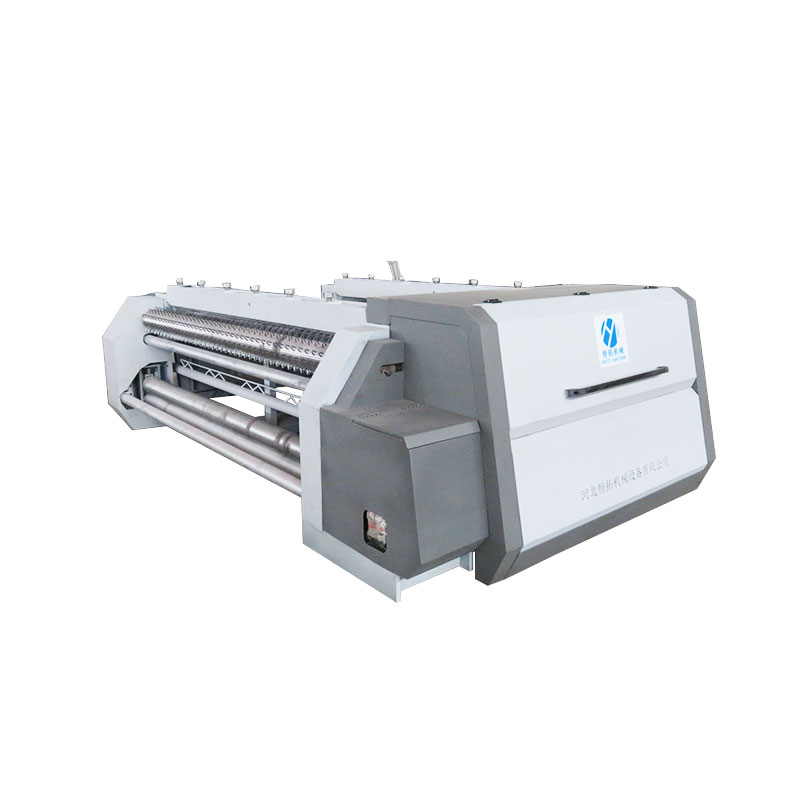
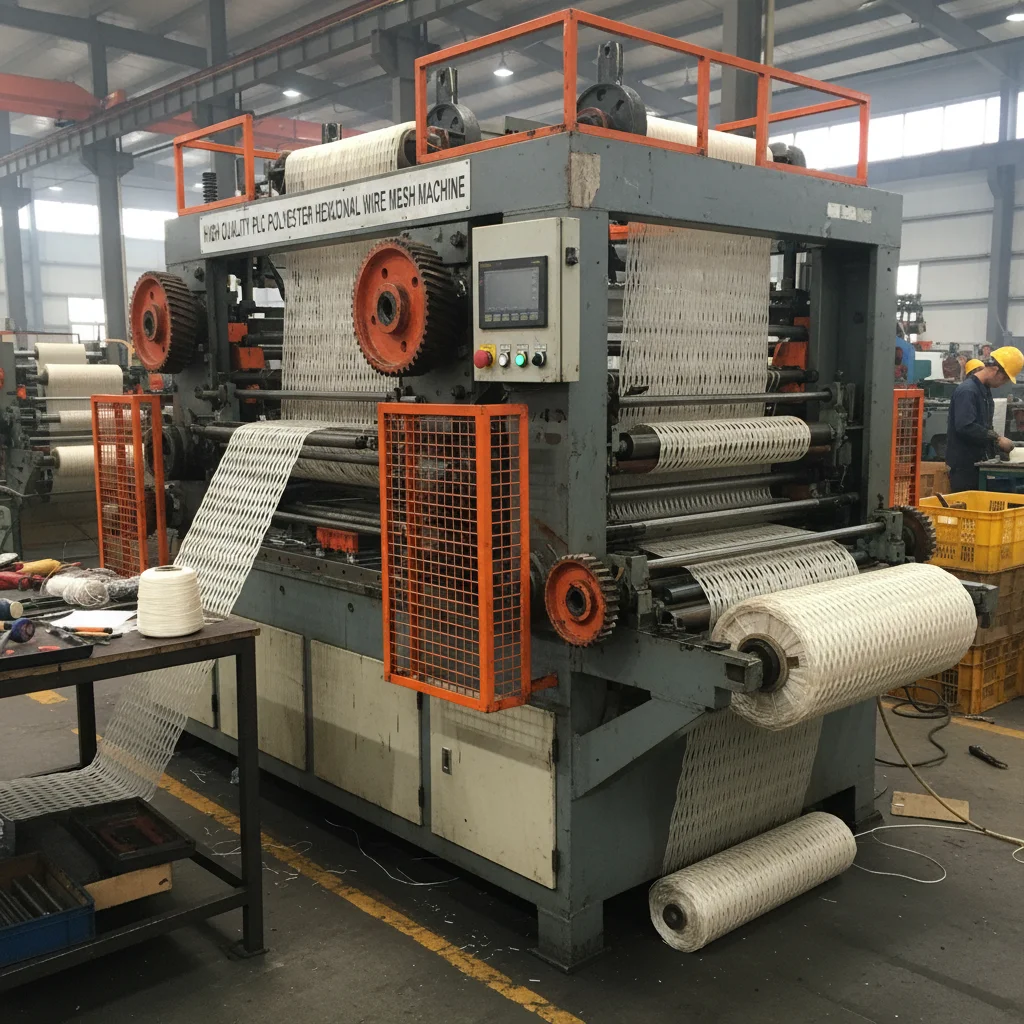
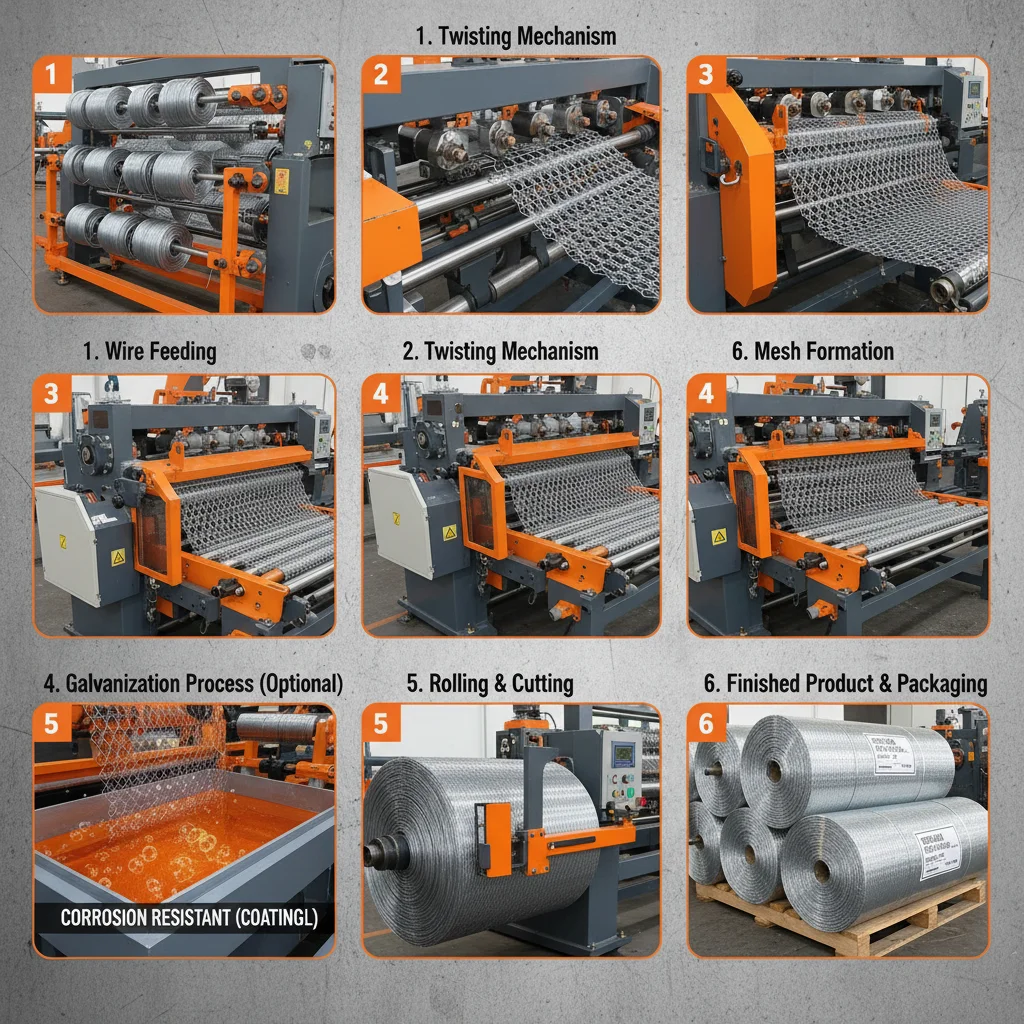
At its core, a fine wire drawing machine is equipment designed to reduce the diameter of metal wire by pulling it through progressively smaller dies or drawing plates. Imagine drawing a tough piece of metal through a needle’s eye again and again until it’s thinner, longer, and uniform in thickness. This process enhances mechanical properties like tensile strength and smooth surface finish, making wire suitable for delicate applications.
This might sound simple, but the precision and engineering behind it is anything but. These machines are typically automated and capable of handling diverse metals — copper, aluminum, stainless steel — transforming raw materials into indispensable components for electronics, medical instruments, construction materials, and more. In humanitarian contexts, such as rebuilding electrical networks after disasters, these machines provide the fine wiring needed for rapid restoration efforts.
Mini takeaway:
- A fine wire drawing machine reliably manufactures precise, high-quality wire for endless industry needs.
- Its role spans commercial, industrial, and even humanitarian spheres.
Core Components and Key Factors to Consider
1. Precision and Die Quality
The heart of any fine wire drawing machine is its set of dies — tiny openings that shape the wire. Superior die materials (like tungsten carbide) and precision engineering ensure uniform wire diameter and reduce waste. Engineers often say the quality of dies is what separates “good enough” wire from truly high-performance material.
2. Durability and Build Quality
Since these machines often operate continuously in demanding industrial environments, robust components, reliable motors, and corrosion-resistant frames matter. A durable machine reduces downtime and maintenance costs.
3. Scalability and Flexibility
Modern machines come with modular designs allowing shifts between wire diameters and materials without lengthy retooling. This scalability makes them invaluable for manufacturers addressing diverse client needs or fluctuating production volumes.
4. Energy Efficiency
Wire drawing is energy-intensive. Machines optimized for lower power consumption not only cut costs but align with global sustainability ambitions.
5. Automation and Digital Control
Advanced models include computer control, real-time monitoring, and automated fault detection — features that minimize human error and maximize precision.
Product Specification Table
| Specification |
Typical Range/Value |
Notes |
| Wire Diameter Range |
0.05 mm to 2 mm |
Suitability depends on die selection |
| Materials Supported |
Copper, Aluminum, Stainless Steel, Brass |
Adaptable depending on wire specs |
| Drawing Speed |
5-20 m/min |
Variable by machine model |
| Power Consumption |
2-5 kW |
Depends on automation features |
| Automation Level |
Manual to Fully Automated |
Affects cost and precision |
Global Applications and Real-World Use Cases
Fine wire drawing machines find their way into a surprising variety of industries and regions.
- Electronics Manufacturing: In East Asia, these machines underpin the production of micro-coaxial cables and wiring for smartphones and laptops. The need for ultra-thin wires is only growing as devices get smaller.
- Medical Equipment: Stainless steel drawn wire is crucial for surgical instruments and implantable devices. Precision matters — a lot.
- Renewable Energy: Europe’s solar panel and wind turbine manufacturers rely on fine copper wiring to conduct electricity efficiently and reliably.
- Post-Disaster Relief: Humanitarian organizations in Southeast Asia have used mobile versions of wire drawing machines to restore damaged electrical networks quickly after typhoons.
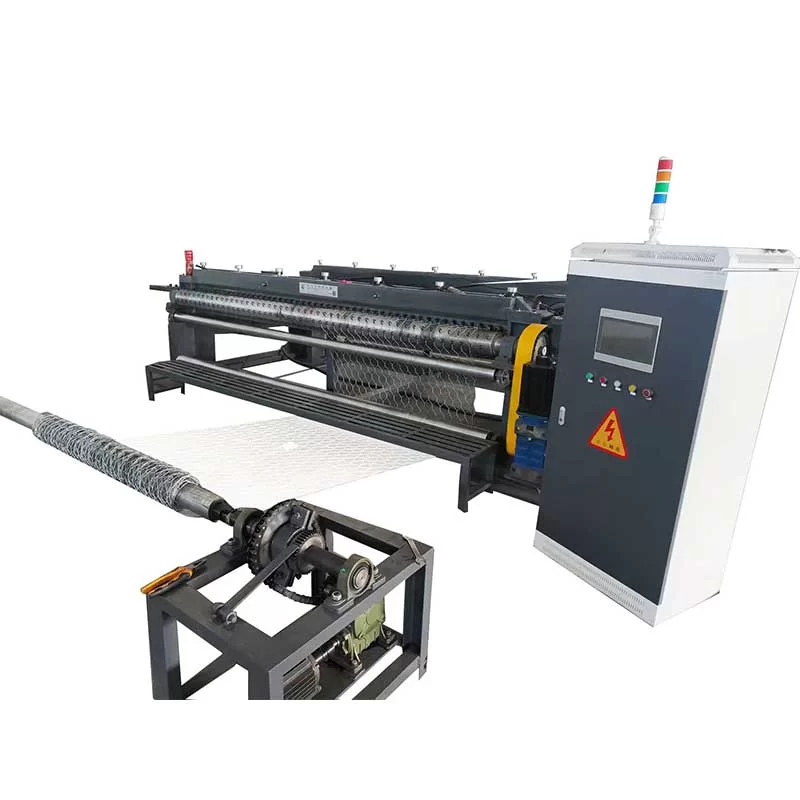
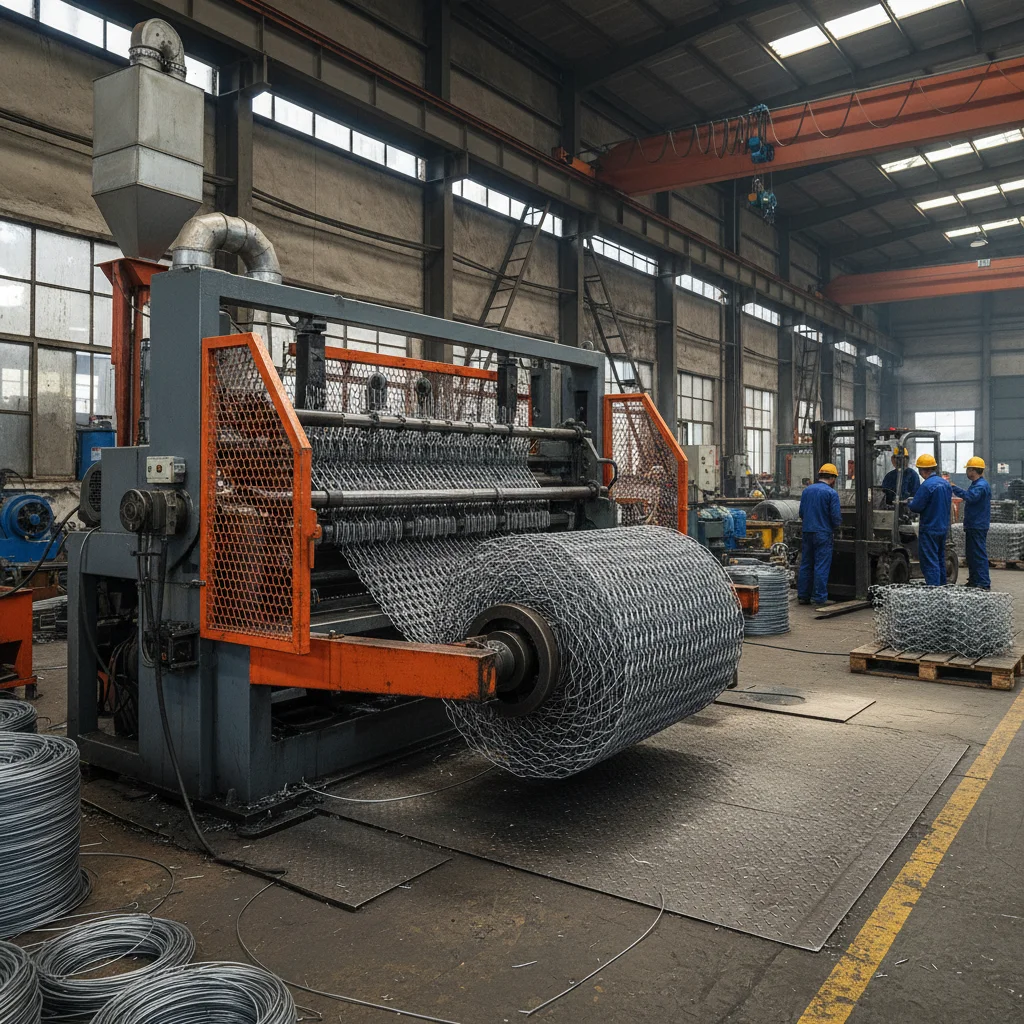
- Construction and Automotive: Wire mesh and specialized cables made with fine wire machines are key in reinforcing buildings and building safe vehicles worldwide.
Mini takeaway:
- The fine wire drawing machine is a cornerstone technology supporting highly varied sectors across the globe.
- Its versatility enables usage in advanced tech hubs as well as fragile post-crisis environments.
The Long-Term Advantages of Investing in Fine Wire Drawing Technology
When companies buy or upgrade their fine wire drawing equipment, they’re thinking long-term:
- Cost Efficiency: Superior machines lower material waste and reduce energy bills.
- Sustainability: Reduced waste, energy-conscious designs, and longer machine life contribute to greener manufacturing.
- Reliability & Quality: Consistently precise wires reduce downstream defects and improve product lifespan.
- Social Impact: Enhanced production capabilities in developing regions help create jobs and infrastructure.
- Innovation Facilitation: Access to advanced wire types opens doors to new product developments.
There’s also an emotional angle here — companies can trust their machines to deliver quality that reflects their brand’s integrity. And workers gain safer, less frustrating operational environments.
Emerging Trends: What’s Next for Fine Wire Drawing Machines?
Automation and digital integration are revolutionizing fine wire drawing. Today’s machines are quickly becoming “smart,” with sensors and AI helping operators optimize speed, detect faults preemptively, and even predict maintenance windows.
In parallel, research into new die materials and wire coatings promises longer die life and superior wire properties. Sustainability is another hot topic: newer machines aim to cut power consumption drastically and recycle scrap wire on-site.
There’s also growing interest in eco-friendly metals and alloys, a subject tied closely with fine wire drawing machine innovations, especially as green technologies demand cleaner, lighter wiring solutions.
Common Challenges and How Experts Are Tackling Them
Despite exciting advances, several challenges remain:
- Die Wear and Replacement: Even the best dies degrade, affecting output quality. New surface treatments and die fabrication methods are helping to prolong life.
- Material Limitations: Drawing ultra-hard wires takes special machines and techniques — ongoing R&D is essential.
- Energy Costs: Energy efficiency is improving, but wire drawing remains power-intensive. Renewable energy use alongside machines is a promising trend.
- Operator Skill Gaps: Advanced machines mean more complex controls; training and user-friendly interfaces are priorities.
Collaborations between machine manufacturers and end-users often lead to tailored solutions — from modular designs to hybrid manual/automated systems.
Vendor Comparison: Leading Fine Wire Drawing Machines
| Brand |
Automation Level |
Power Consumption |
Ideal Use Case |
Price Range |
| HTM WireTech |
Fully Automated |
~3.5 kW |
High-volume electronics |
$$$ |
| Precision Draw Co. |
Semi-Automated |
~4.2 kW |
Medical & aerospace |
$$$$ |
| EcoDraw Machines |
Manual to Automated |
~2.8 kW |
Small to medium enterprises |
$$ |
FAQ: The Most Asked Questions About Fine Wire Drawing Machines
- What metals can fine wire drawing machines work with?
- Mostly copper, aluminum, stainless steel, and brass — though some advanced machines handle specialty alloys with proper dies and settings.
- How fine can the wire diameter get using these machines?
- Typically down to around 0.05 mm diameter, depending on the machine and die configuration. For extremely fine wire, specialized ultrathin wire drawing tech exists.
- Are these machines energy-intensive?
- Yes, but new models focus on energy efficiency through automation and optimized motor controls, cutting consumption by up to 30% compared to older models.
- Can these machines be used in remote or disaster-affected areas?
- Some manufacturers offer portable or modular fine wire drawing units ideal for quick deployment in challenging environments, aiding rapid infrastructure rebuild.
Conclusion: Why Investing in a Fine Wire Drawing Machine Is a Smart Move
From manufacturing the delicate wiring in your smartphone to rebuilding essential electrical networks after a storm, the fine wire drawing machine quietly advances industries and communities around the globe. Its blend of precision, durability, and adaptability makes it a cornerstone in the modern supply chain. For businesses looking to stay competitive or humanitarian agencies aiming for rapid recovery, these machines offer long-term value — both economic and social.
If you're curious to explore the latest models or want to discuss the best fit for your needs, I highly recommend visiting https://www.htmeshmachines.com. Sometimes the smallest wire can make the biggest difference.
References:
- International Organization for Standardization (ISO)
- World Bank - Infrastructure Statistics
- Wikipedia: Wire Drawing