Why the Fish Net Weaving Machine Matters Worldwide
Fish net weaving machines might not be something you discuss at dinner parties, but their impact is surprisingly vast. Globally, fishing supports over 200 million people’s livelihoods and provides nearly 17% of the world’s animal protein intake — according to FAO data. Producing durable, reliable fishing nets is foundational for this sector.
Understanding fish net weaving technology is not just about machines; it's about food security, sustainable fishing, and economic growth in coastal communities. If nets are weak or poorly made, it means lost catch, wasted effort, and environmental harm. The right weaving machines can help reduce bycatch, support responsible fishing methods, and empower small-scale fishermen.
Quick takeaway: Improving fish net weaving technology is a direct path to enhancing global food security and sustainable fisheries management.
The Global Context for Fish Net Weaving Machines
Fish net weaving machines aren't niche—they’re essential in a global industry worth billions annually. The United Nations Food and Agriculture Organization estimates that fish consumption per capita rose dramatically over the past decades. However, this demand puts pressure on net quality and production speed.
One challenge is balancing efficiency with environment-friendly methods. Overfishing and net loss in oceans cause ecological damage. Fish net weaving machines that allow precision and custom mesh sizes help make nets fit for targeted species, reducing unwanted catch and waste.
Interestingly, Asia dominates the production of fish nets, with China and India among the leaders, but the technology and machinery are spreading worldwide. Even remote regions in Africa and South America increasingly depend on modern weaving machines for their local fisheries to thrive.
Mini takeaway:
- The global fishing industry relies heavily on quality nets produced efficiently.
- Fish net weaving machines help address environmental and economic concerns by improving net design and production speed.
What Exactly Is a Fish Net Weaving Machine?
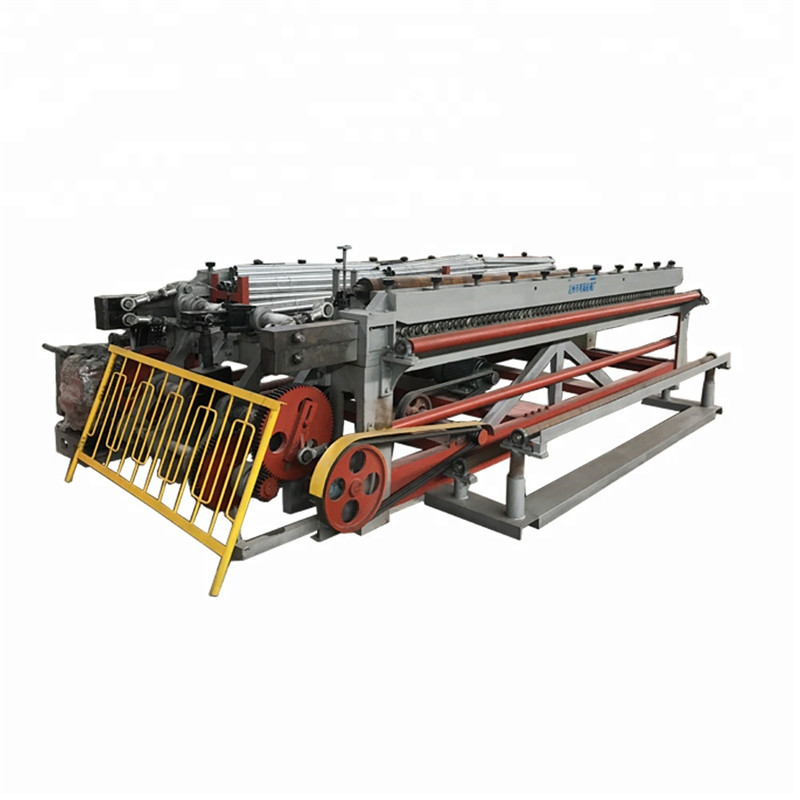
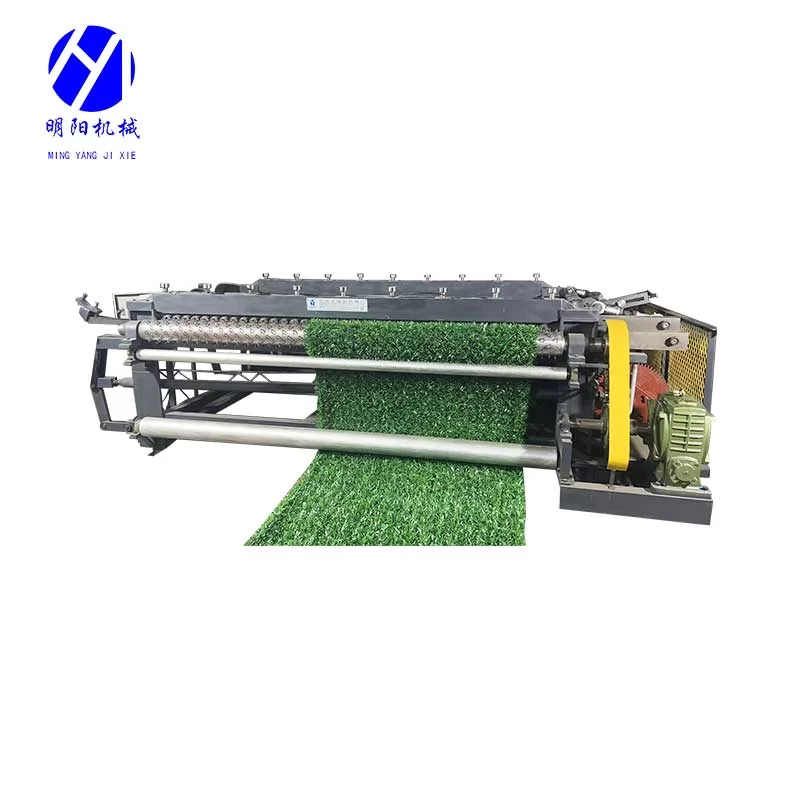
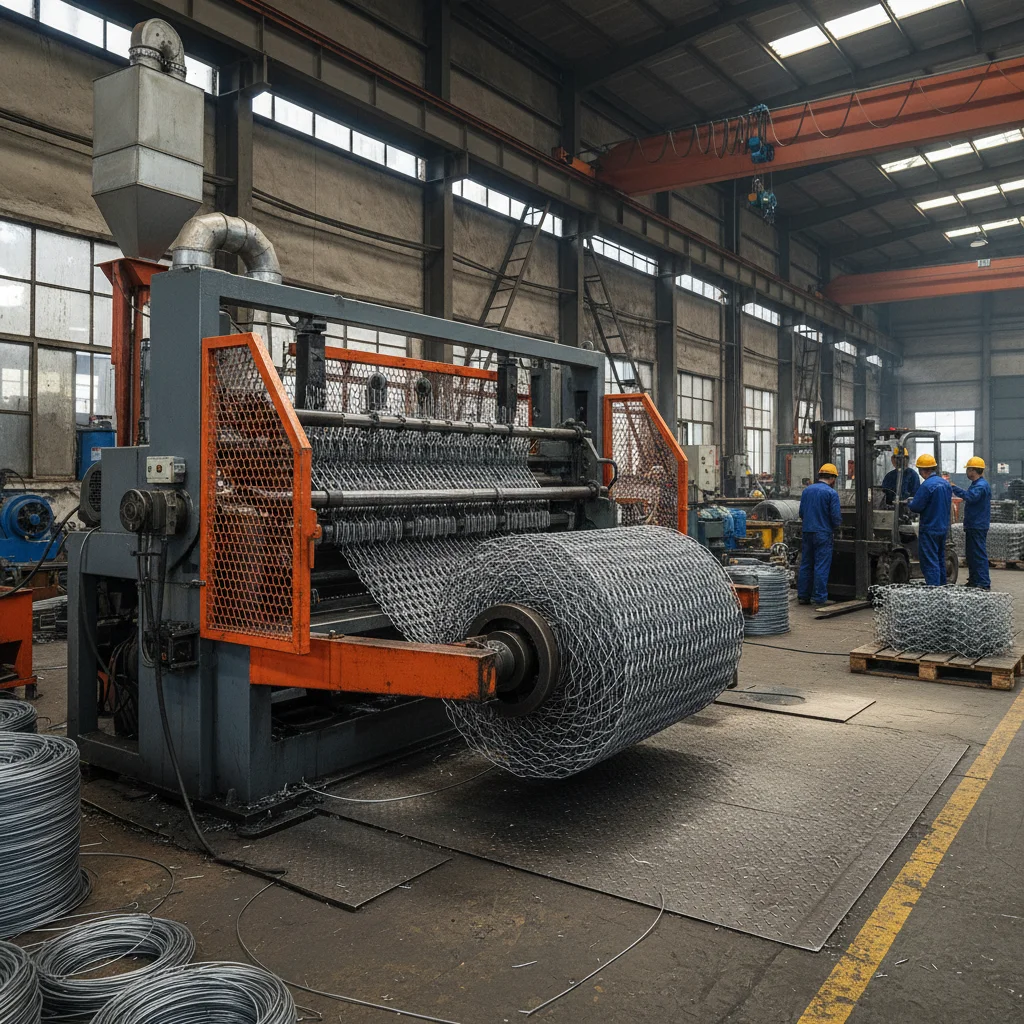
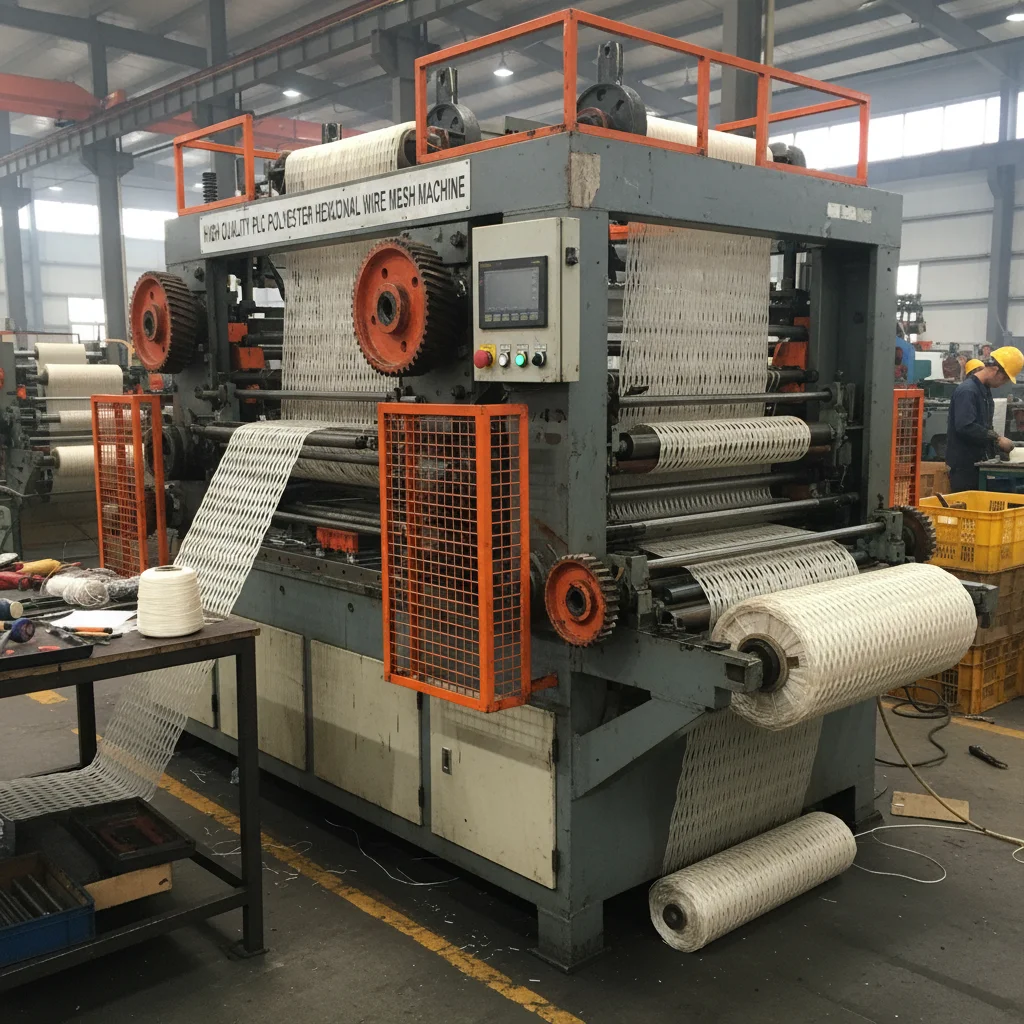
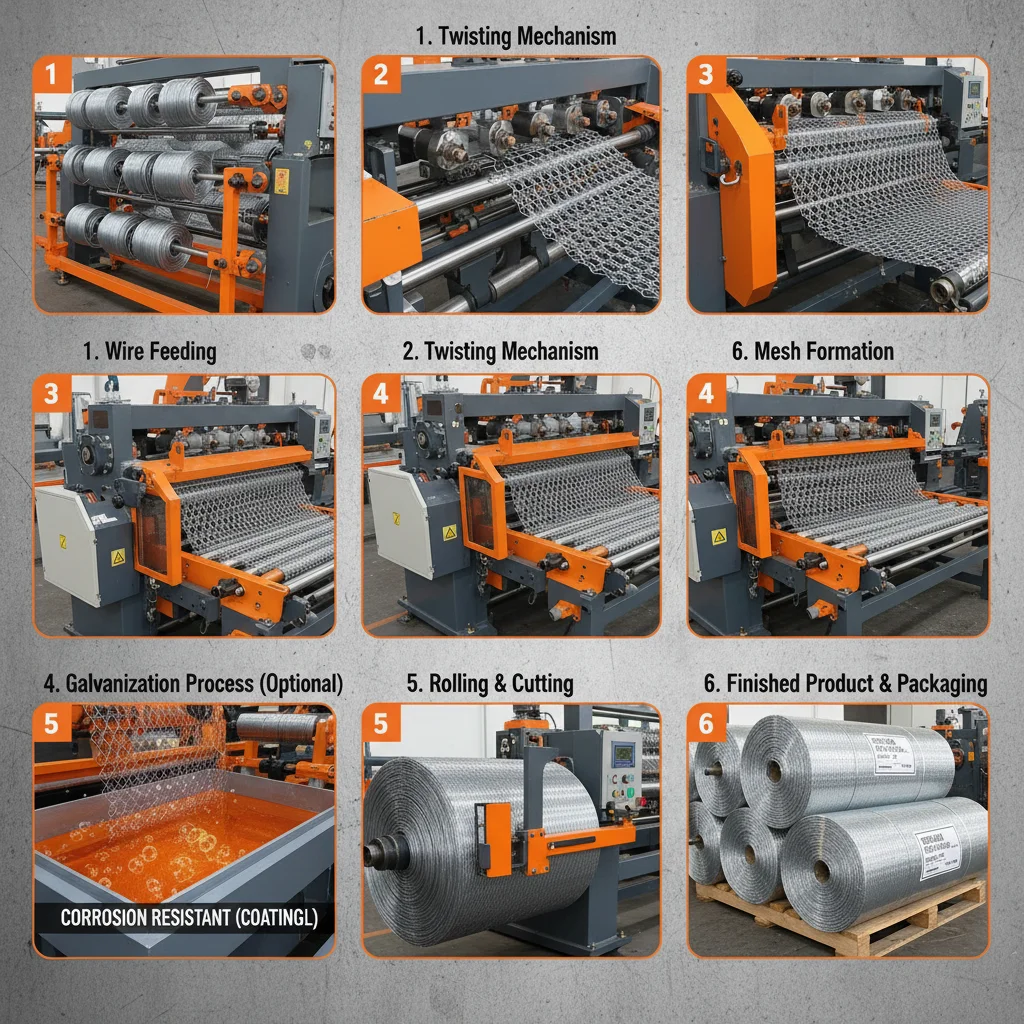
At its core, a fish net weaving machine is specialized equipment designed to produce fishing nets by interlacing threads or twines into a consistent mesh. These machines vary in complexity—from manual shuttle types to fully automated warp or knotting machines.
Imagine a loom but for strong synthetic or natural fibers like nylon, polyethylene, or cotton. The goal? To automate net creation with uniform mesh size and knot strength, which are critical for catching desired fish species and withstanding harsh marine environments.
Beyond just fishing, these machines also support industries like aquaculture, sports netting, and protective barrier production. The versatility of the fish net weaving machine ties modern manufacturing to traditional crafts, ensuring durability and consistency far beyond what manual methods can achieve.
Key takeaway:
You can think of the fish net weaving machine as the backbone of fishing gear manufacturing—a blend of precision mechanics and material science.
Core Components and Features of Fish Net Weaving Machines
1. Durability and Material Compatibility
Good machines can handle diverse fibers—nylon, HDPE, polyester—with tension regulation that prevents fraying or breaking during weaving. This affects the net’s lifespan at sea.
2. Scalability and Output Rates
From small workshops producing artisanal nets to large factories outputting tons daily, machines vary hugely in speed, automation, and mesh size versatility.
3. Cost Efficiency
With cheaper raw materials available but rising labor costs, many operators look for low-maintenance, energy-saving models that optimize yarn usage and reduce waste.
4. Precision in Mesh Design
Modern machines allow adjustable mesh sizes and shapes, critical for targeting various fish species while balancing environmental impact.
5. Ease of Maintenance and Customization
Modular parts, easy access for repairs, and options to upgrade controls—often computerized—help extend the machine’s service life.
Example Fish Net Weaving Machine Specification
| Feature |
Specification |
| Max Mesh Size |
150 mm x 150 mm |
| Max Output Speed |
12 m/min |
| Power Consumption |
4 kW |
| Material Types Supported |
Nylon, HDPE, Polyester |
| Machine Weight |
450 kg |
| Control System |
PLC with touchscreen interface |
Summary:
Choosing the right machine depends on what you prioritize: speed, durability, or fine mesh control. A fish net weaving machine isn’t just a purchase — it’s an investment into product quality and business reliability.
How Fish Net Weaving Machines Serve Diverse Global Markets
In Southeast Asia, these machines power massive net factories supplying the aquaculture boom. In East Africa, local fishermen rely on manually operated weaving equipment for small-scale fishing that sustains their communities. Meanwhile, European manufacturers focus on high-tech automated machines with smart sensors for precision control, targeting niche markets.
Notably, humanitarian organizations have turned to these machines for rapid deployment nets in disaster relief, for example:
- Quick-setup fishing nets for coastal communities after hurricanes or tsunamis
- Durable barriers to protect aquaculture pens in remote industrial zones
- Custom-sized nets tailored to conserve endangered species through selective fishing
This field’s diversity means a technological leap in even one region cascades benefits elsewhere — sharing know-how, boosting incomes, and sustaining ecosystems.
Vendor Comparison: Popular Fish Net Weaving Machine Brands
Vendor Features at a Glance
| Vendor |
Automation Level |
Price Range |
Ideal Use Case |
Support / Warranty |
| Alpha Mesh Tech |
Fully Automated |
$30,000 - $50,000 |
Large-scale production |
2 years |
| Coastal Weave Solutions |
Semi-automatic |
$12,000 - $25,000 |
Medium-scale & artisanal |
1 year |
| FisherPro Machines |
Manual & Semi |
$5,000 - $15,000 |
Small-scale, remote use |
6 months |
The Advantages and Lasting Value of Investing in Quality Fish Net Weaving Machines
What really stands out, beyond just numbers, is the social impact. Reliable nets mean better catches, better income stability for fishermen, and safer working conditions. High-quality machine-made nets reduce accidents caused by weak or tangled nets.
From an environmental angle, the precision in mesh size helps limit bycatch — one of the fishing industry's notorious problems. This aligns well with global sustainability goals, reinforcing fishing as a responsible livelihood rather than a destructive force.
And yes, from a business perspective, faster production with fewer rejects means better margins and less waste. It kind of ties everything together: technical performance, social responsibility, and profit.
Emerging Trends and Innovations in Fish Net Weaving Technology
Automation is moving fast. Machine learning algorithms are increasingly incorporated for quality control, instantly adjusting tension or mesh size to keep nets flawless. Some innovators are developing solar-powered units to lower energy costs in remote areas.
Novel materials like biodegradable nets are entering the scene, driven by the push to reduce marine pollution from plastic waste. This adds an exciting layer of sustainable design to machine compatibility requirements.
In real terms, digital transformation means fish net weaving machines can soon be networked, remotely monitored, and integrated with supply chain software, creating smarter, more agile production environments.
Challenges and How Industry Leaders Are Tackling Them
On the flip side, many manufacturers face cost pressures that make high-end machines inaccessible to smaller operators. The complexity of some models also requires highly skilled technicians, which might be scarce in rural settings.
To bridge this, several firms now offer hybrid machines with modular components, blending affordability with automation. Training programs supported by NGOs and governments are also vital to boost local capacity.
So, while the tech looks shiny, the human factor remains crucial — without proper knowledge transfer, innovation risks remaining stuck behind factory walls.
FAQ: Quick Answers on Fish Net Weaving Machines
- Q: What types of materials can fish net weaving machines handle?
A: Most machines support synthetic fibers like nylon, polyethylene, and polyester, plus occasionally natural fibers such as cotton. Compatibility depends on tension controls and feeding mechanisms designed for specific yarn thickness.
- Q: How do I choose between manual and automated net weaving?
A: Automated machines suit high volume, consistent output needs, whereas manual or semi-automatic ones offer flexibility and lower upfront costs, ideal for artisanal or small-scale operations.
- Q: Can fish net weaving machines be customized for different mesh sizes?
A: Yes, most modern machines allow adjustable mesh sizes and shapes, which helps target specific fishing practices and species.
- Q: How long does a typical fish net weaving machine last?
A: With regular maintenance, machines can function well over 10 years, but lifecycle varies depending on use intensity and material quality.
- Q: Where can I find spare parts or maintenance help?
A: Established vendors usually provide warranties and parts supply chains. Additionally, local technicians trained by suppliers or NGOs offer onsite support in many regions.
Conclusion: Making the Most of Your Fish Net Weaving Machinery
Investing in a fish net weaving machine is more than an industrial purchase—it’s about securing livelihoods, promoting sustainable fishing, and fostering innovation in a global sector that feeds millions. Whether upgrading a small workshop or outfitting a large factory, choosing the right technology and vendor makes all the difference.
Seek out trusted brands, consider future-proof features like automation and energy efficiency, and never overlook training and local support. If you want to explore cutting-edge Fish Net Weaving Machine options, visit our website — because behind every great catch is a reliable net.
Final thought:
It’s kind of poetic — the humble fish net weaving machine helping to connect oceans, communities, and economies, one knot at a time.
References
- FAO Fisheries and Aquaculture Statistics
- ISO Standards for Fishing Nets
- Fish Net - Wikipedia