Why the Fish Netting Machine Still Reigns in Industrial Mesh Production
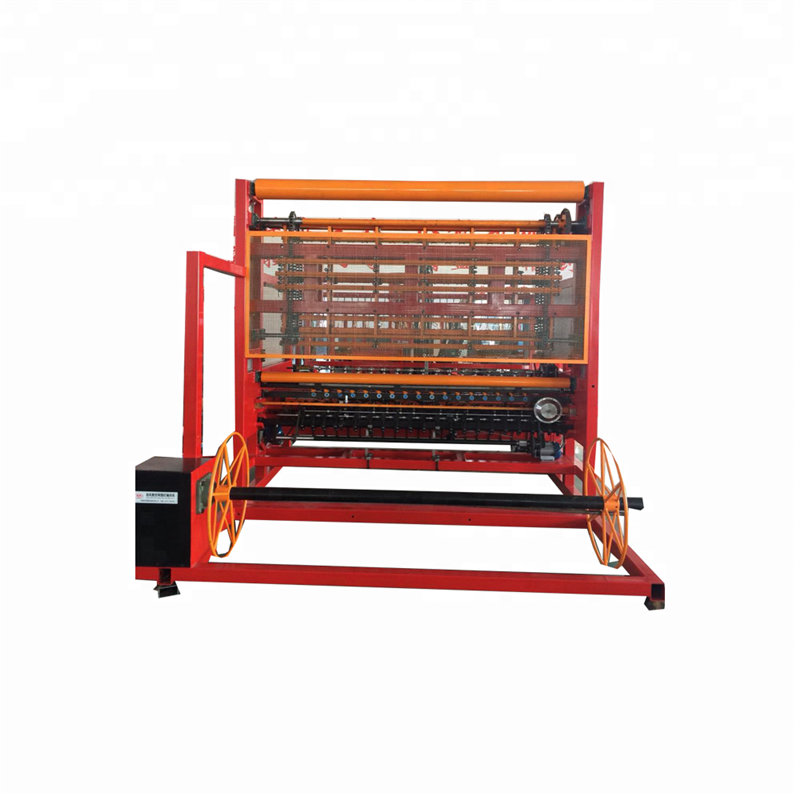
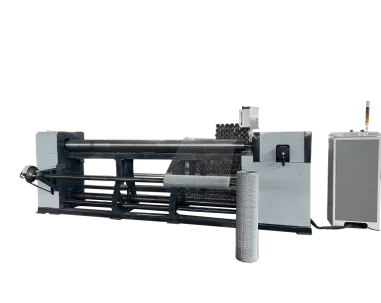
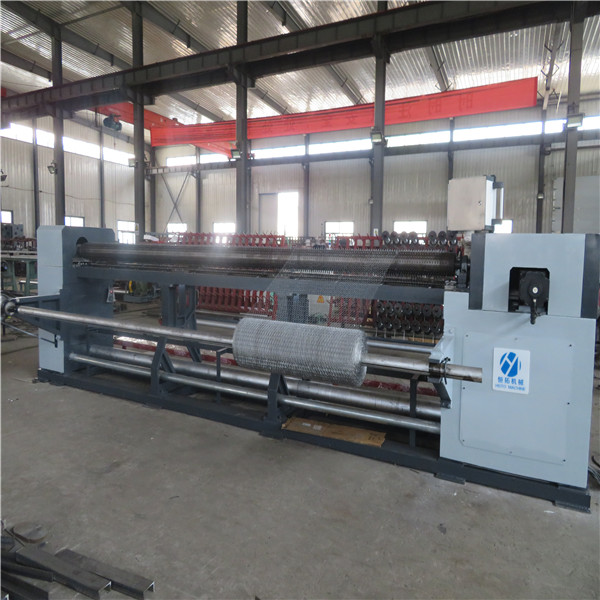
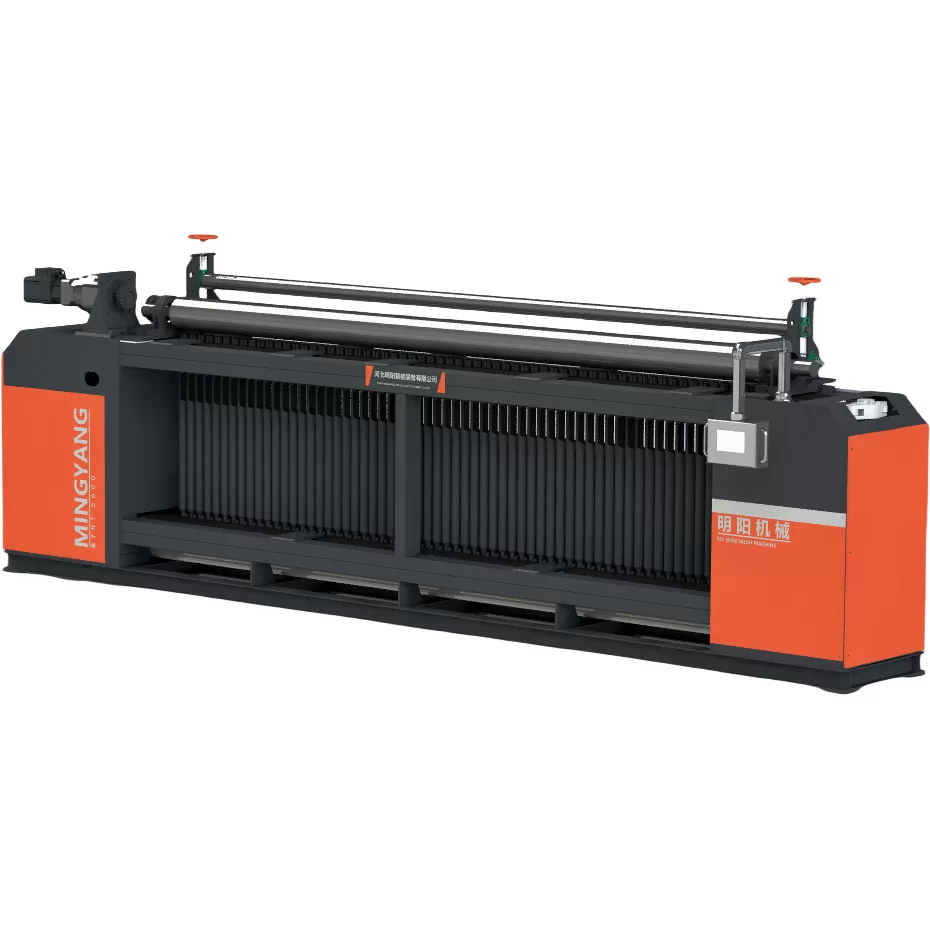
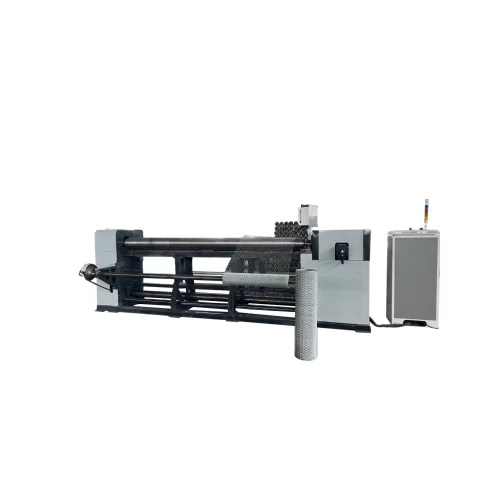
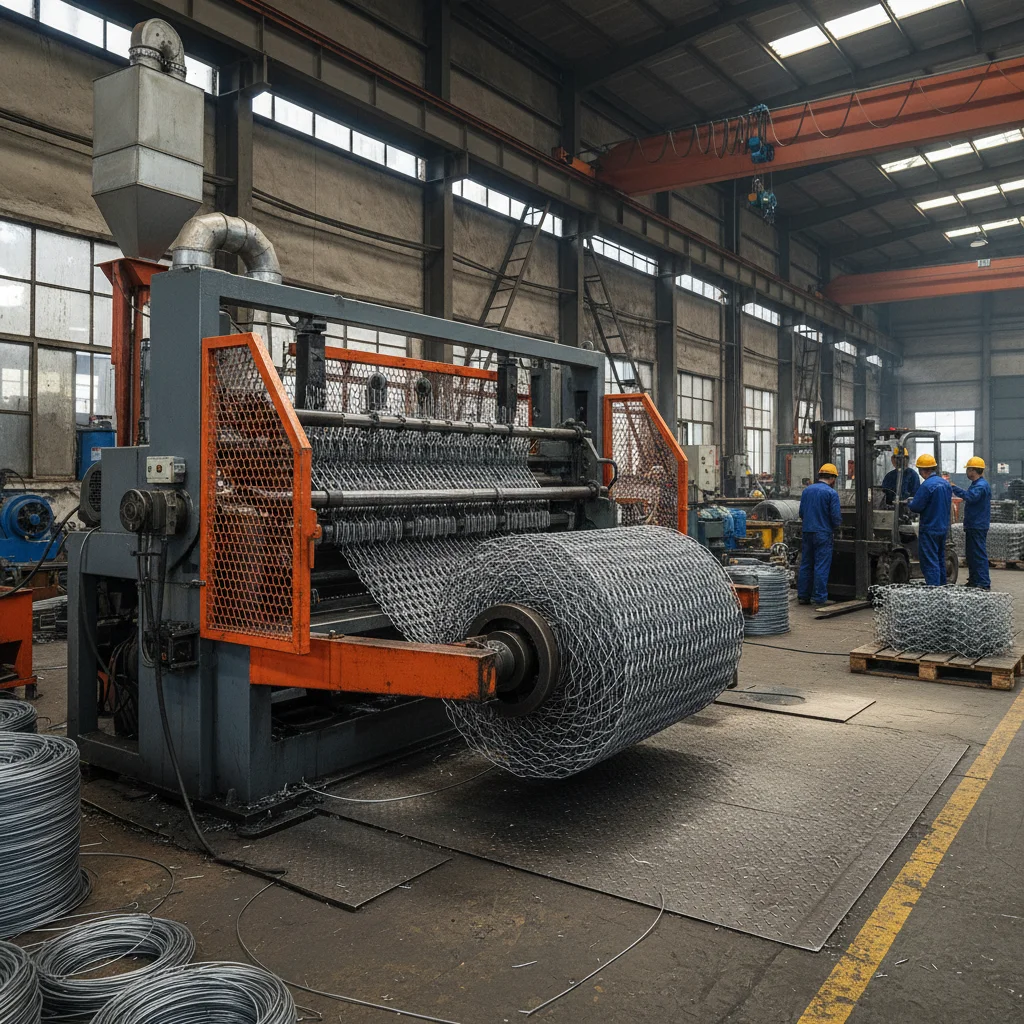
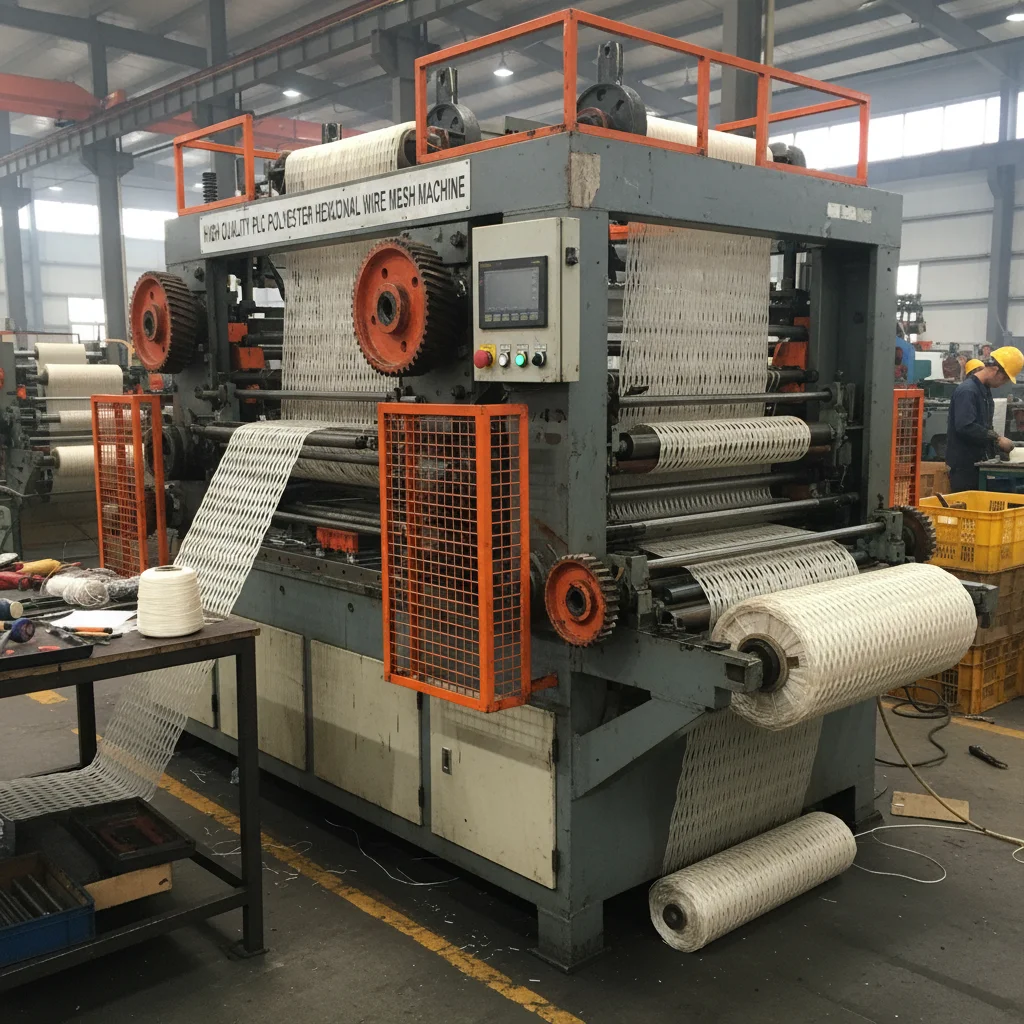
After spending more than a decade in the industrial equipment sector, I can say fish netting machines are one of those quietly indispensable tools that keep things flowing — literally. Oddly enough, while they might look like simple contraptions at first glance, the engineering behind them is pretty neat. From delivering consistent mesh fabrics used in fishing, agriculture, and even construction, these machines pack a surprising punch.
The core charm for me? It’s how these machines blend old-school mechanical grace with modern advances — speed, precision, and, increasingly, customization. I remember back in the day when netting was all handcrafted; now, thanks to automated systems, what used to take days happens in hours.
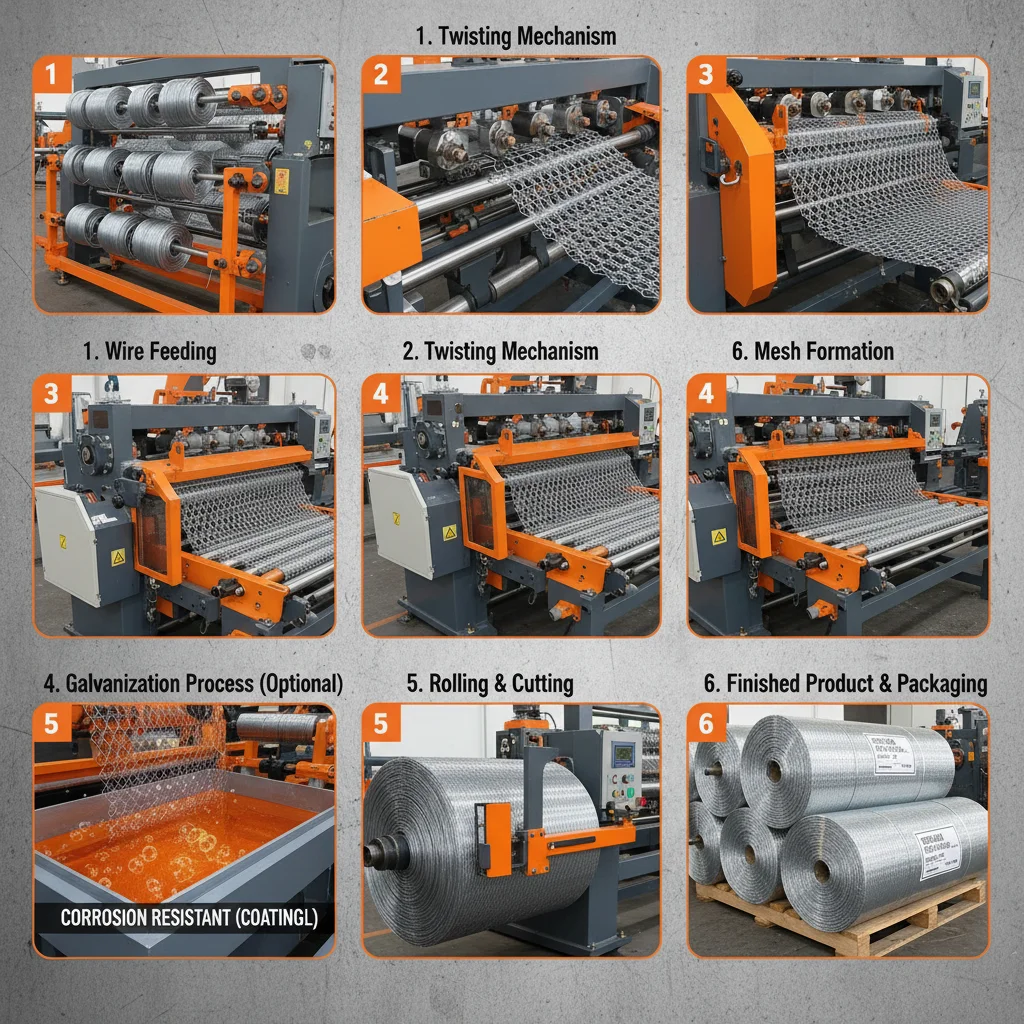
Manufacturers have stepped up their game. It’s not just about tossing threads together anymore — the design focuses on ease of operation, minimal downtime, and adaptability. For example, many machines let you quickly change mesh size or fabric type without disassembling half the equipment.
Material quality is a huge deal. You want stainless steel parts for corrosion resistance, especially if you’re weaving nets destined for marine use. Many engineers I’ve worked with swear by machines that include automated tension controllers; it might sound small, but getting that tension right prevents weak spots in the net.
Fish Netting Machine Specifications at a Glance
| Specification |
Details |
| Mesh Size Range |
5 mm – 50 mm (adjustable) |
| Max Weaving Width |
3 meters |
| Material Compatibility |
Nylon, HDPE, Polyester, Polypropylene |
| Operating Speed |
Up to 25 meters/min |
| Power Requirement |
3-phase, 380V / 50Hz |
| Control System |
PLC + Touchscreen Interface |
| Machine Weight |
Approx. 2800 kg |
Comparing Top Fish Netting Machine Vendors
I’ve had the chance to evaluate various suppliers over the years. The choices can be overwhelming, for sure, but here’s a straightforward comparison for what I see as three solid options out there:
| Vendor |
Customization |
Warranty |
Support |
Price Range |
| HT Mesh Machines |
High (mesh size, materials) |
2 years (standard parts) |
24/7 online & on-site |
$$$ |
| NetoTech |
Moderate (limited mesh types) |
1 year |
Business hours only |
$$ |
| AquaNet Industries |
Basic |
6 months |
Limited to EU regions |
$ |
A Real-World Glimpse: How Fish Netting Machines Fit Into Modern Workflows
I recently caught up with a fishery operation in the Pacific Northwest that installed a new machine less than a year ago. They told me how the shift to automated netting cut their production time in half — and reduced waste significantly. Because the machine’s fish netting machine design included user-friendly controls, even their seasoned staff adapted quickly.
One interesting side-note: the nets they produce go beyond fishing. These days, many customers demand multipurpose netting — for erosion control, bird protection, and even lightweight fencing. The versatility of these machines means manufacturers can respond fast to evolving market needs.
Of course, no machine is without quirks. A little maintenance goes a long way, especially checking the tensioners and replacing worn-out needles promptly. But that’s par for the course with industrial equipment, really.
In all, the fish netting machine continues to be a foundational asset for mesh production, blending tradition with innovation — which is, honestly, a recipe for staying power.
Wrapping It Up
If you’re looking to invest in reliable mesh manufacturing tools, don’t underestimate the nuances of a good fish netting machine. Check specs carefully, weigh vendor support, and consider the evolving ways your nets will be used — you might even find yourself appreciating the art behind the engineering.
References & Musings:
- HT Mesh Machines official site and product brochures, 2024
- Industry talks & anecdotes from fishery operations, Pacific Northwest, 2023
- Technical seminars on mesh machinery advances, MeshCon 2024