Hit enter to search or ESC to close
6 November 2025
If you work with fencing, fasteners, or construction consumables, you watch the market the way farmers watch the sky. Prices move; timelines slip. And, to be honest, the Galvanized Steel Wire Price is the weather system that decides a lot downstream—from mesh and barbed wire to everyday nails.
Right now, pricing is being nudged by a few familiar drivers: wire-rod feedstock volatility, zinc (LME) swings, energy costs in coating lines, and freight. Many buyers say it feels “sticky” on the way down—surprisingly resilient even when demand softens. In fact, galvanizing lines running EN 10244 or ASTM A641 specs keep margins by prioritizing higher-coating orders first.
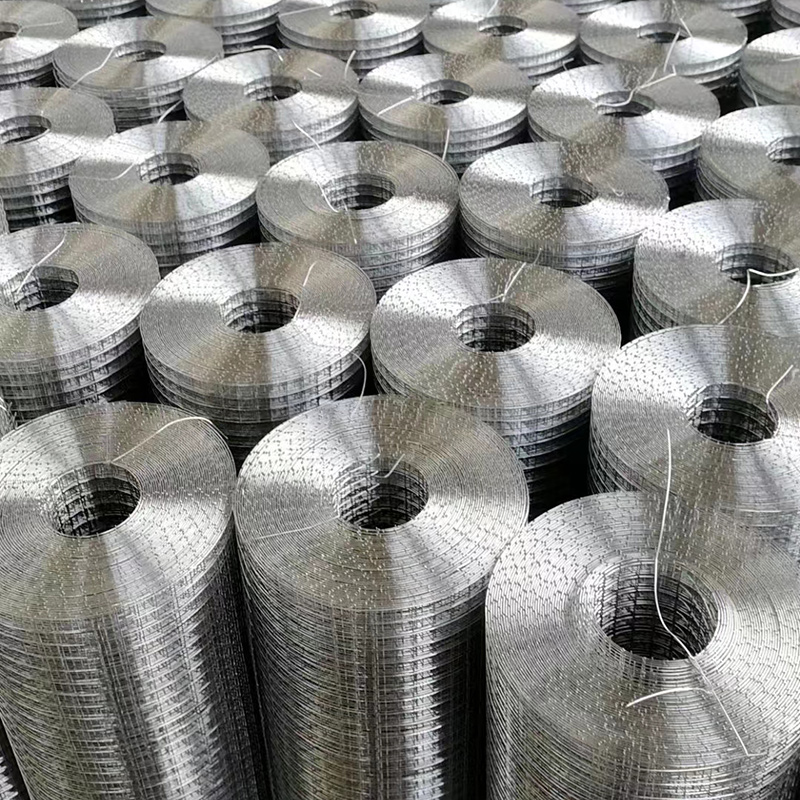
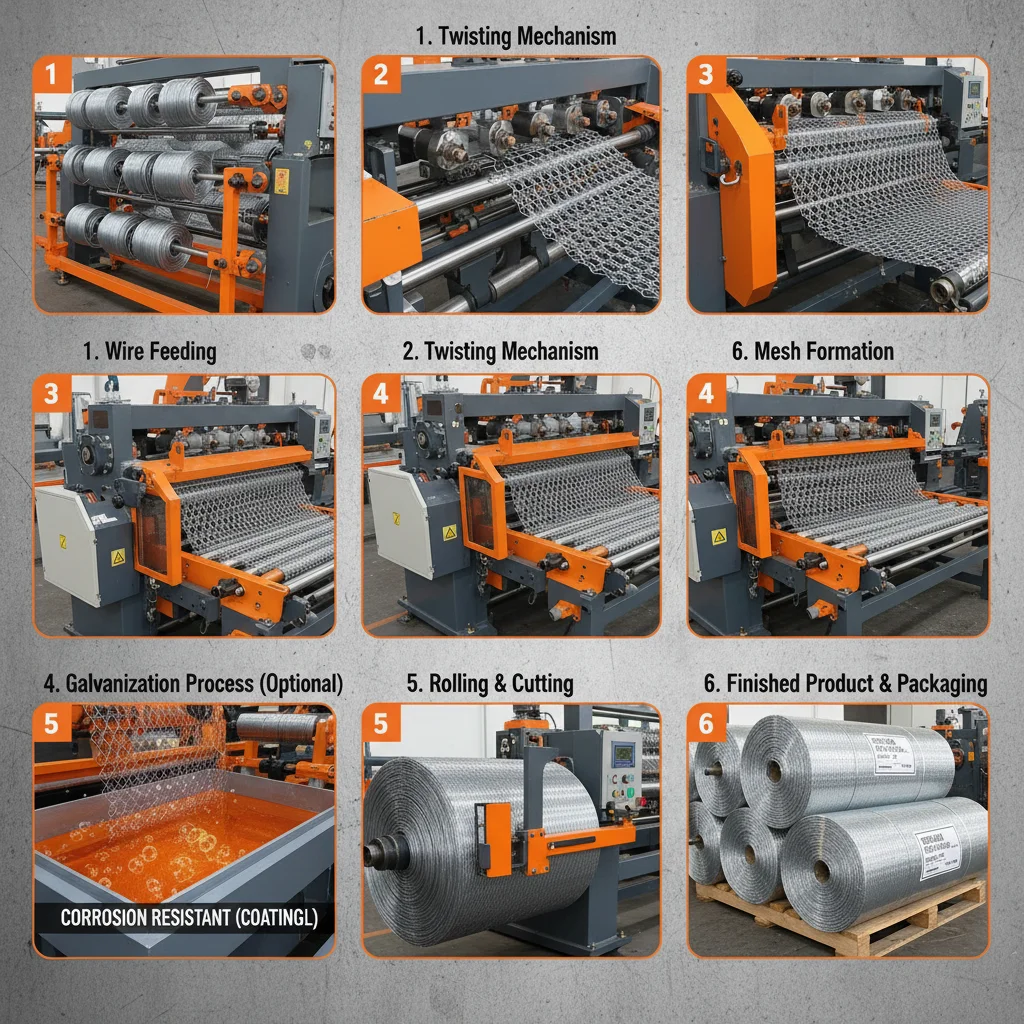
Materials: low-carbon wire rod (Q195/Q235 equivalents) → pickling → cold drawing → annealing (optional) → hot-dip or electro-galvanizing → spooling → QA tests. Methods and testing standards typically reference ASTM A641/A641M, EN 10244-2, ISO 1461 (coating), and tensile tests per ISO 6892. Service life? Around 5–20 years in real-world conditions, depending on coating mass (≈30–275 g/m²), humidity, salinity, and abrasion.
Downstream factories that make smooth shank iron nails—often from Q195/Q235—track Galvanized Steel Wire Price because it signals rod and zinc trends. One practical example is the Smooth Shank High Quality Low Carbon Steel Iron Nails from China: the line covers 3/4″ × 18G through 6″ × 6G with polished finish, flat head, and diamond point. I visited a similar plant last quarter; their most advanced production line ran tighter tolerances after a tooling refresh, which quietly cut scrap rates 2–3%.
| Size | Gauge | Material | Finish | Tensile Strength |
|---|---|---|---|---|
| 3/4″–6″ | 18G–6G | Q195/Q235 (low carbon) | Good polished, flat head, diamond point | ≈ 350–550 MPa (real-world use may vary) |
Fencing, vineyard trellising, bale ties, cable armoring, gabions, and—of course—fasteners. Construction and agriculture still dominate. One distributor told me their utility contractors pay a small premium for higher zinc classes because callbacks cost more than wire.
| Vendor Type | MOQ | Lead Time | Certs | Zn Options | Typical Price |
|---|---|---|---|---|---|
| Mill-direct (China) | ≈ 10–25 t | 15–25 days | ISO 9001, CE | 30–275 g/m² | $600–$880/t |
| Regional distributor | 1–5 t | Stock/7–10 days | ISO 9001 | Light–medium | $780–$1,050/t |
| Trading house | 5–10 t | 20–35 days | Varies | Custom | $700–$960/t |
Note: Ranges are indicative; the Galvanized Steel Wire Price moves with zinc, energy, and logistics.
A Midwest fencing outfit shifted to higher zinc (≈200 g/m²) after winter failures. Yes, unit cost rose ~7%, but service calls dropped 60% over two seasons. Their buyer told me, “We stopped chasing the absolute lowest Galvanized Steel Wire Price and started buying lifespan.” Sensible.
If you’re sourcing nails or wire, match coating to environment, insist on test data, and compare landed cost—not just list price. The cheapest spool isn’t cheap once rust shows up.