Wire Drawing Machines for Sale: Why They Matter More Than You Think
If you're not in manufacturing, “wire drawing machine for sale” might sound pretty niche — and honestly, it kind of is. Yet those unassuming machines have a massive role in global industries, from electronics to construction. Wire drawing is the process of pulling metal wire through a die to reduce its diameter. This sounds simple, but the quality, efficiency, and capabilities of the machines doing this make a tangible difference in product reliability, cost, and innovation worldwide.
In a world increasingly dependent on smaller, stronger, and more conductive wires — whether in renewable energy tech, automotive wiring harnesses, or even disaster-relief shelter construction — understanding wire drawing machines is surprisingly important. They’re the silent workhorses behind many modern conveniences that we tend to take for granted.
---
The Global Pulse Behind Wire Drawing Machines
A quick glance at international manufacturing stats reveals tangible growth in wire production. According to the
International Organization for Standardization (ISO) and World Bank data, global wire and cable manufacturing has expanded steadily — roughly 3-5% annually over the last decade. Why? Urbanization in Asia, electrification projects in Africa, and the green revolution in Europe demanding ever more sophisticated wiring.
Yet a core challenge remains: how to produce high-strength wire quickly and sustainably while keeping costs manageable. That's where seeking a
wire drawing machine for sale becomes critical. Companies want machines that can handle diverse metals — copper, aluminum, steel — with precision and minimal waste.
Mini takeaway:
Wire drawing machines aren't just factory fixtures; they reflect much broader industrial shifts — from sustainability commitments to electrification booms. When you think wire drawing, think global progress.
---
What Exactly Is a Wire Drawing Machine?
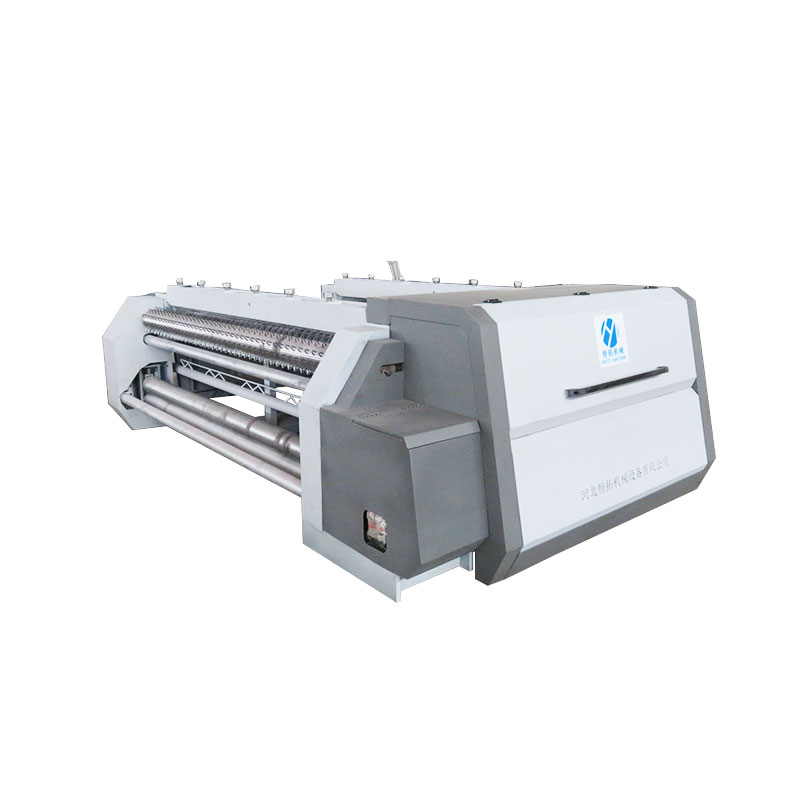
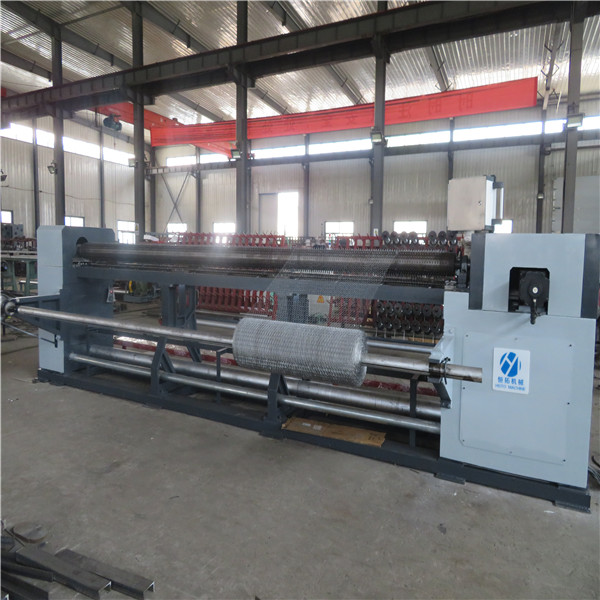
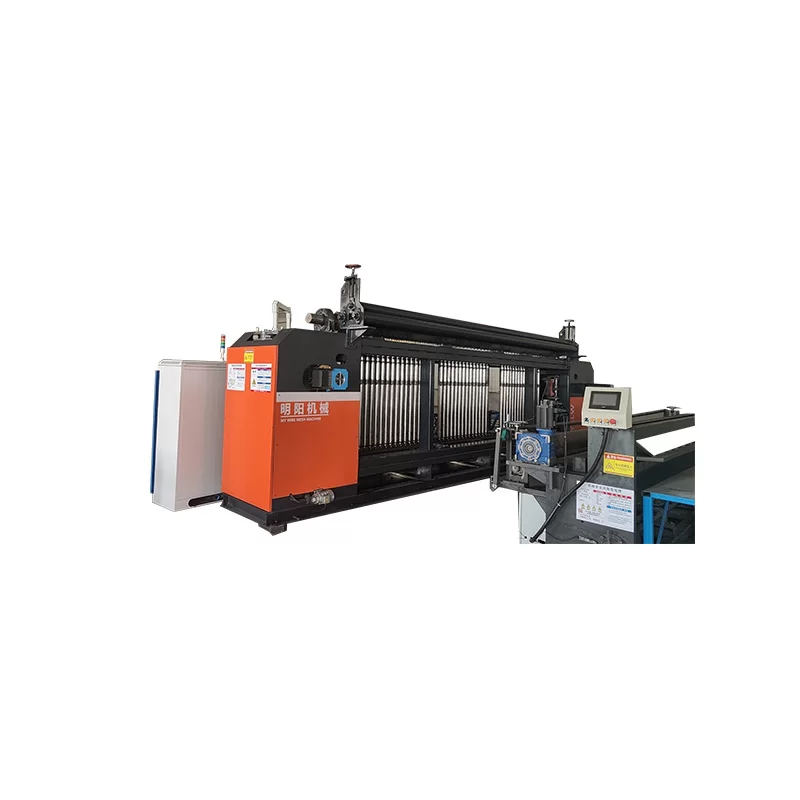
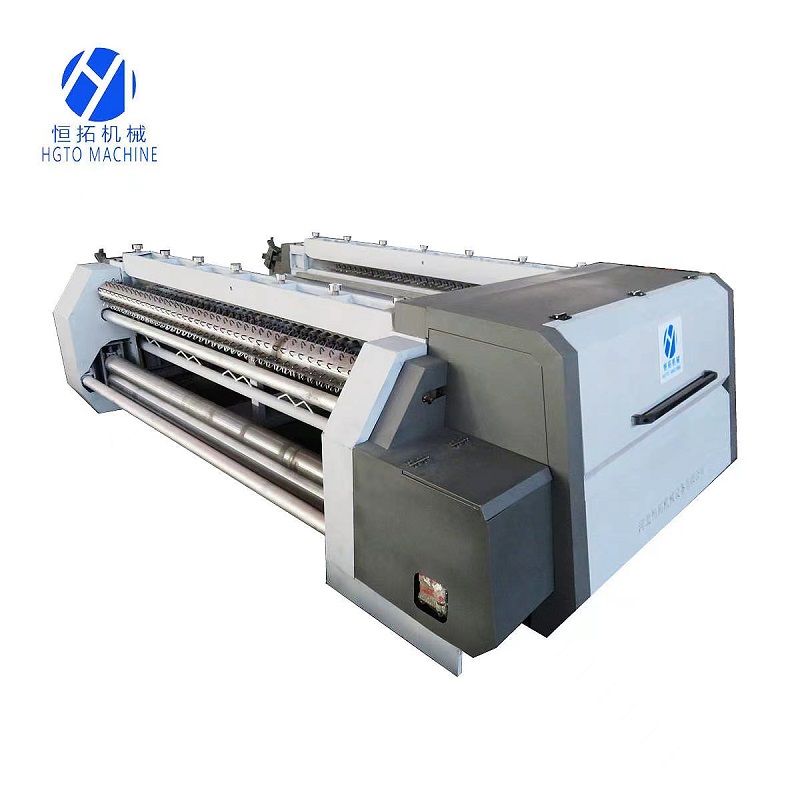
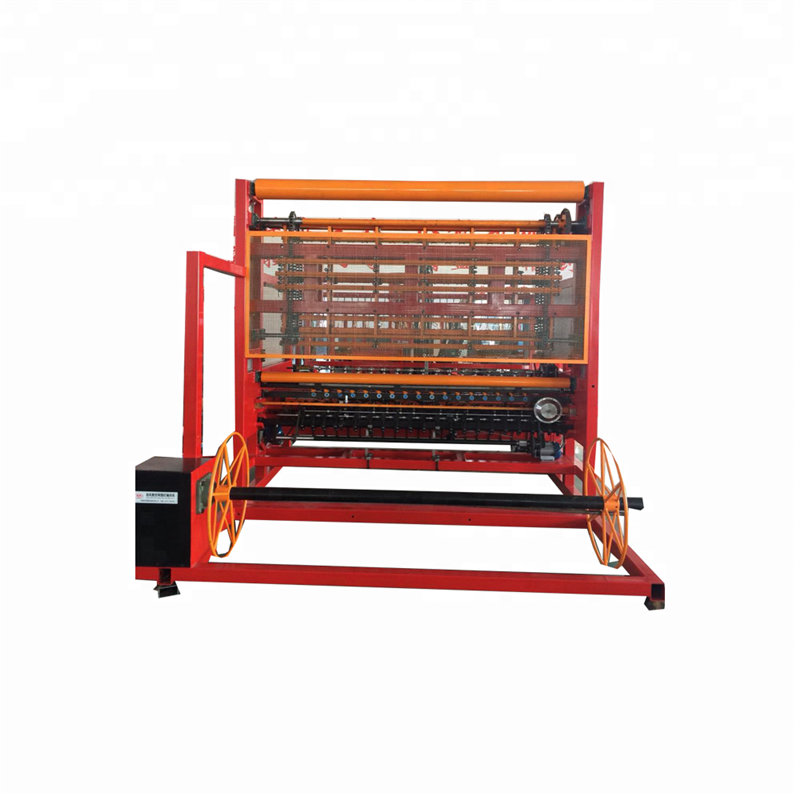
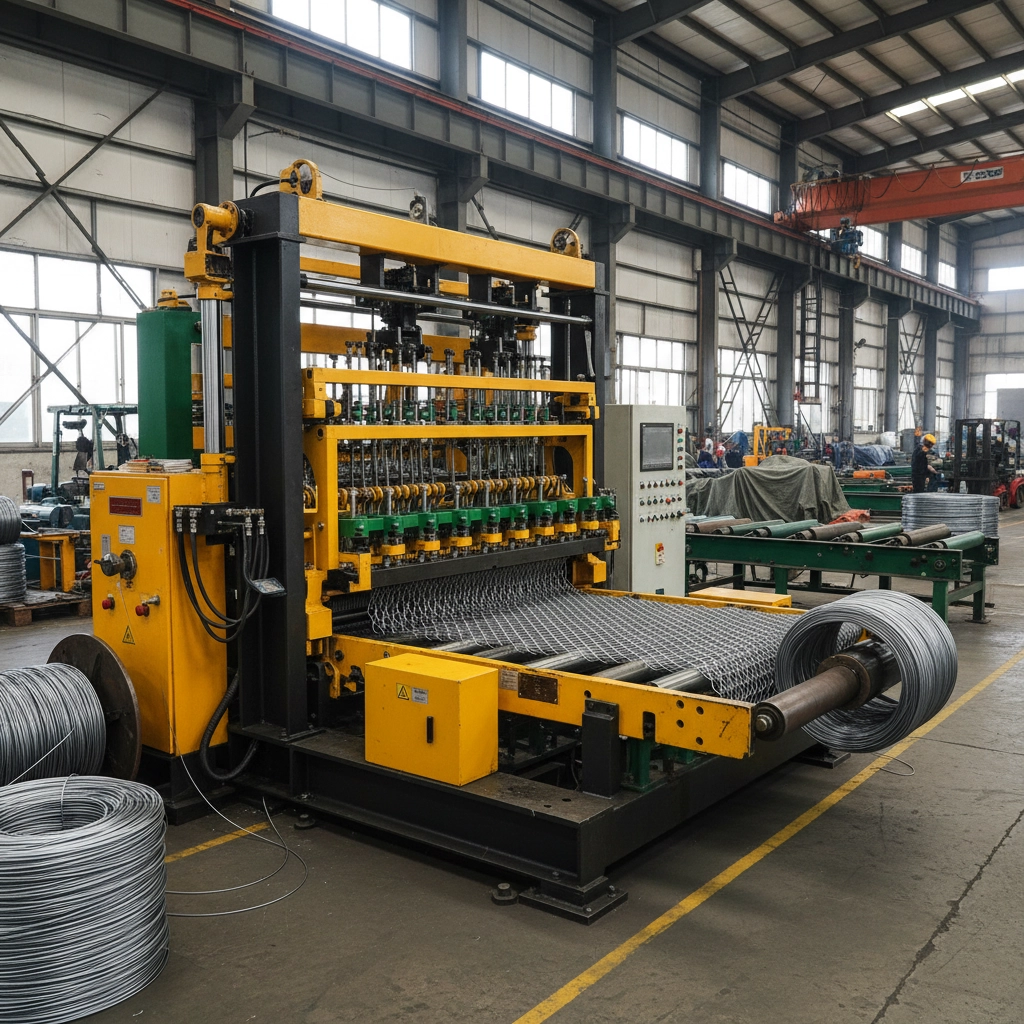
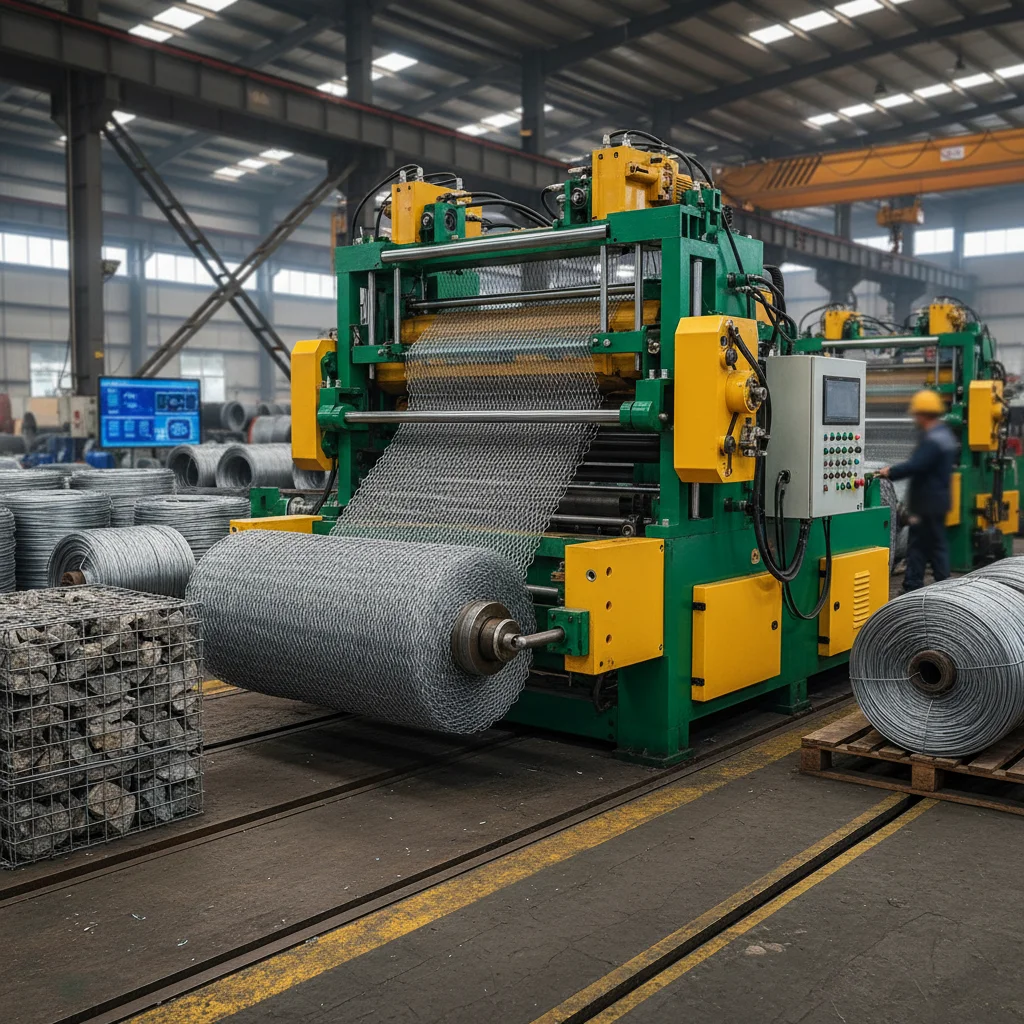
In simple terms, a wire drawing machine pulls raw wire stock through a tightly calibrated die or series of dies, stretching and thinning it. This controlled deformation improves the wire’s mechanical properties like tensile strength and surface finish. The end product? Wire that fits exact diameters required for everything from earbuds to skyscraper wiring.
Modern wire drawing machines often feature automated controls, lubrication systems, and cooling units, which improve operation consistency and reduce downtime. On a more humanitarian note, efficient wire production supports infrastructure in developing regions: reliable wiring for clinics, schools, or emergency shelters isn't trivial.
---
Core Components to Consider When Buying a Wire Drawing Machine
1. Durability and Build Quality
Since wire drawing is often a continuous, highly repetitive process, industrial-grade machines must handle sustained stress without frequent breakdowns. Look for frames and rollers made from hardened steel with anti-corrosive coatings to guarantee longevity.
2. Scalability
Does your business plan demand occasional pilot runs or high-volume output? Machines with modular designs or variable speed controls let you scale production easily and switch materials when needed — which is a huge advantage.
3. Cost Efficiency
Initial cost is one thing, but energy consumption, maintenance, tooling replacement all factor into the total price of ownership. Some newer wire drawing machines come with energy-saving drives and optimized lubrication to cut down operational costs sharply.
4. Precision Controls
Microscopic diameter differences can mean the difference between a mechanically sound wire or a product failure. Look for machines with digital diameter monitoring, tension balancing, and feedback loops to maintain consistent output quality.
5. Flexibility on Wire Materials
Your line may need copper, stainless steel, aluminum, or even special alloys like beryllium copper. Machines prepped for multi-metal compatibility reduce the need for multiple setups or specialized equipment.
Mini takeaway:
Choosing your wire drawing machine isn’t just about price or brand— it’s about knowing what fits your production goals, what materials you’ll use, and how automated or hands-on you want your process to be.
---
Real-World Use Cases Around the World
- Asia’s electronics manufacturing hubs: Japan, South Korea, and China rely on ultra-fine wire drawing machines—think diameters below 0.1mm—feeding the smartphone and semiconductor supply chain.
- European automotive sectors: Germany and Italy favor high-precision, energy-efficient machines for wiring harnesses that must meet stringent safety specs.
- African infrastructure expansion: Countries like Kenya and Nigeria invest heavily in cost-effective wire drawing equipment for rural electrification and telecommunication cabling projects.
- Disaster-relief NGOs: In immediate post-disaster zones, locally produced wires help rebuild power or communication lines, enabling faster recovery.
Honestly, this wide range of applications underscores how versatile wire drawing machines need to be and how vital they are beyond the factory floor.
---
Why Investing in the Right Wire Drawing Machine Pays Off
There are obvious logistical benefits — reduced waste, faster production, consistent quality. But less obvious are the social impacts: safer buildings, better healthcare infrastructure, and even opportunities for local industries to climb the value chain.
Here’s a quick list of tangible advantages:
- Cost savings: Minimized material waste and energy use.
- Sustainability: Lower scrap rates and environmentally friendlier lubricants.
- Reliability: High uptime and consistent product specs build buyer trust.
- Innovation enabling: Supports production of ultra-thin or exotic alloy wires for cutting-edge tech.
From an emotional standpoint, many engineers say the pride that comes with manufacturing “bulletproof” wiring products — ones that literally keep people safe — is hard to beat.
---
Wire Drawing Machine Specs and Vendor Comparison
Typical Wire Drawing Machine Specifications
| Parameter |
Range/Value |
Notes |
| Wire diameter |
0.05 mm – 10 mm |
Varies by machine model |
| Speed |
Up to 200 m/min |
Higher speeds for thinner wires |
| Motor power |
5 – 30 kW |
Depends on wire thickness |
| Lubrication |
Oil or synthetic |
Automated systems preferred |
| Control system |
PLC + HMI touchscreen |
For precision and automation |
Vendor Comparison for Wire Drawing Machines
| Vendor |
Price Range (USD) |
Key Features |
Support & Warranty |
| HTM Mesh Machines |
$35,000 – $80,000 |
Energy efficient, multi-metal compatible, digital controls |
2 years, on-site training |
| WirePro Solutions |
$30,000 – $70,000 |
Compact design, automated re-lubrication, easy die change |
1 year, remote support |
| Global WireTech |
$40,000 – $90,000 |
High-speed models, advanced PLC system, energy saver mode |
3 years, global service network |
---
What’s Next? Emerging Trends in Wire Drawing
Wire drawing machines are evolving fast, and it’s not just about faster or cheaper. Smart factories are integrating IoT sensors to monitor tension, temperature, and wear in real-time — reducing downtime. On the materials front, the rise of lightweight alloys for aerospace and electric vehicles demands finer control over wire thickness and flexibility.
Green technology is also reshaping design: more efficient motors, recyclable lubricants, and lower energy footprints align with ISO 50001 energy management standards. Automation paired with AI-driven quality checks promises a future where defects become nearly extinct. It feels like a small machine but with a huge role in the sustainability race.
---
Facing Challenges Head-On
However, it’s not all smooth sailing. Some common hurdles include:
- High upfront costs for advanced machinery.
- Skilled operator shortages in developing regions.
- Maintenance complexity due to the precision required.
Smart vendors often offer modular service contracts, on-site operator training, and user-friendly interfaces to overcome these barriers. Additionally, partnerships with local companies or NGOs can facilitate financing and adoption in emerging markets.
---
FAQs About Wire Drawing Machines for Sale
Q1: How do I choose the right wire drawing machine for my business?
A: Consider the wire diameters you need, production volume, material type, and desired level of automation. Also factor in total cost of ownership including energy and maintenance. Consulting with a vendor like
HTM Mesh Machines can provide tailored advice.
Q2: Can wire drawing machines handle multiple metals without retooling?
A: Some advanced machines are designed for quick die changes and adjustable settings to work with copper, aluminum, and steel. However, extreme changes in metal hardness might require specific tooling.
Q3: What maintenance is required to keep machines running smoothly?
A: Regular lubrication, die inspection, roller alignment, and cleaning are essential. Automated lubrication systems reduce operator error and downtime.
Q4: Are energy-efficient wire drawing machines worth the investment?
A: Absolutely. Reduced energy consumption and longer component lifespans translate to significant savings in high-volume productions.
Q5: How can small manufacturers get financing for these machines?
A: Many vendors offer leasing or payment plan options. Also, international development grants related to infrastructure or sustainable manufacturing may be available.
---
Wrapping Up: Why Your Wire Drawing Machine Choice Is a Big Deal
Ultimately, investing in the right wire drawing machine for sale means more than a transaction; it’s about upgrading your capability in an unfolding industrial landscape. You’re ensuring reliability and precision, advancing sustainability goals, and supporting economic growth in varied contexts.
Curious to take your production to the next level? Visit
our website today to explore options tailored to your needs!
---
References
- ISO Standards on Wire Drawing and Machinery
- World Bank Industrial Production Data
- Wikipedia: Wire Drawing