Why Aquaculture Fish Farming Cage Machines Matter Globally
Aquaculture, particularly fish farming, has emerged as a vital solution to the pressing global demand for sustainable protein sources.
With wild fish stocks declining due to overfishing and environmental changes, Aquaculture Fish Farming Cage machines
are more than just industrial tools—they represent an innovative approach to feeding a growing population responsibly.
These machines and systems allow for contained, efficient fish growth in natural or semi-natural water bodies, reducing the footprint on marine ecosystems while ramping up production capabilities.
Understanding their workings and advantages is critical not only for commercial fish farmers but for policymakers, environmentalists, and tech innovators alike.
Introduction: The Global Context of Aquaculture and Cage Systems
According to the UN’s Food and Agriculture Organization (FAO), aquaculture accounts for over 50% of world fish consumption — a figure that’s only rising.[1]
Fleet overfishing, habitat degradation, and climate change threaten the stability of wild fisheries, thereby making fish farming cage systems indispensable in scaling up sustainable production.
However, the industry faces challenges, from contamination risks and structural durability to ecological impacts like waste buildup. This is exactly where the Aquaculture Fish Farming Cage machine steps in, bringing automation, precision, and robust engineering to the table.
Without these machines, many of the ambitious goals for sustainable seafood production would remain out of reach.
Defining the Aquaculture Fish Farming Cage Machine
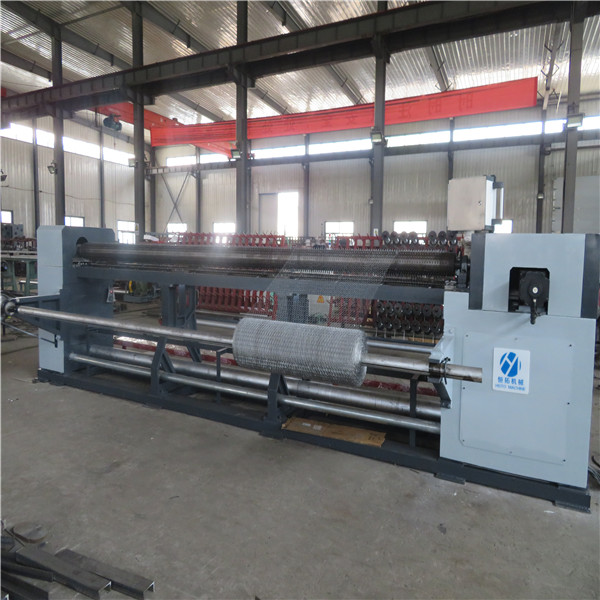
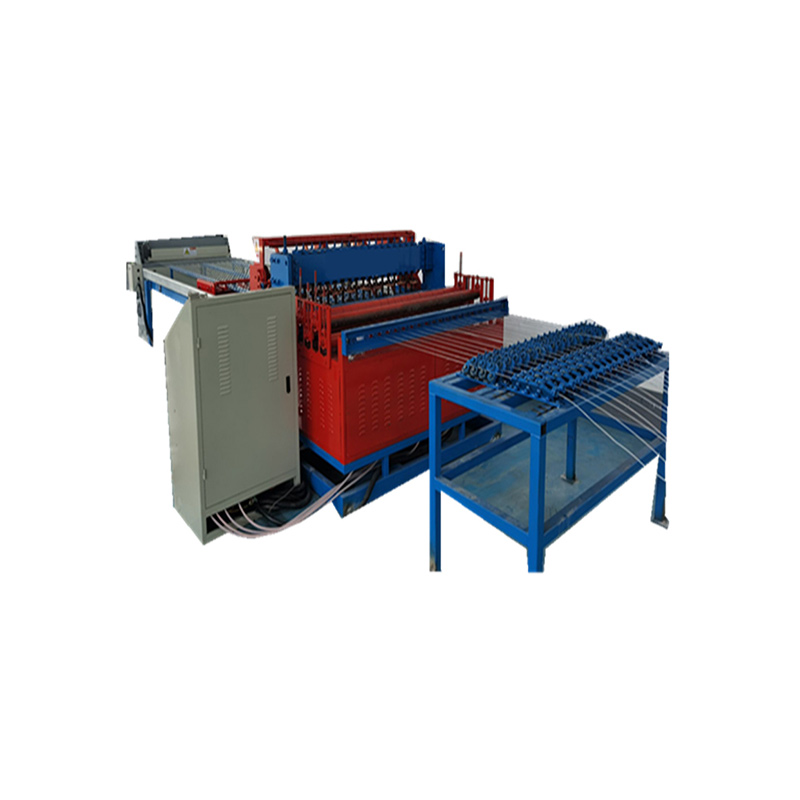
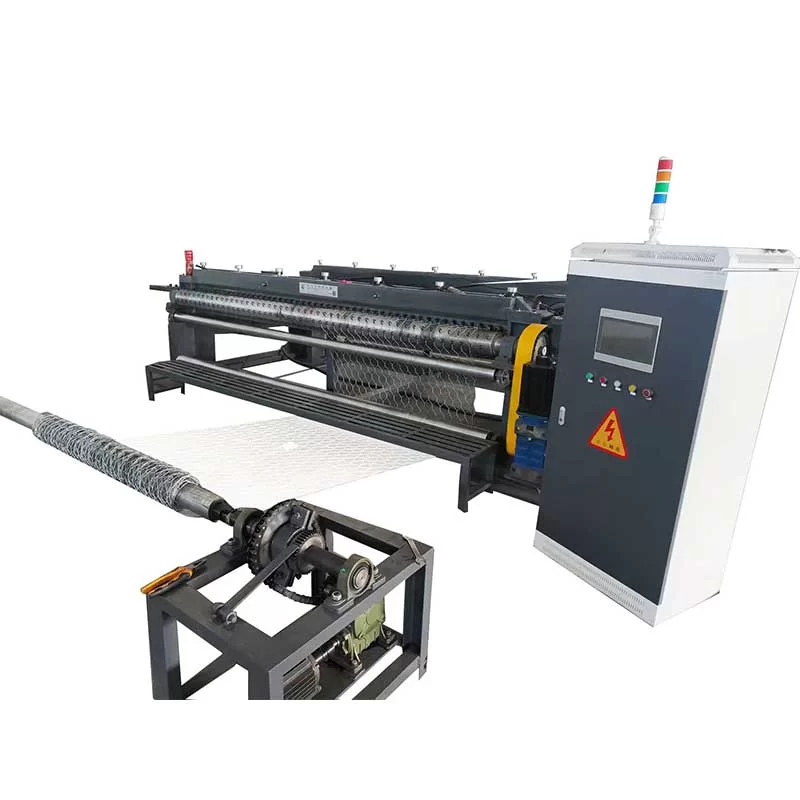
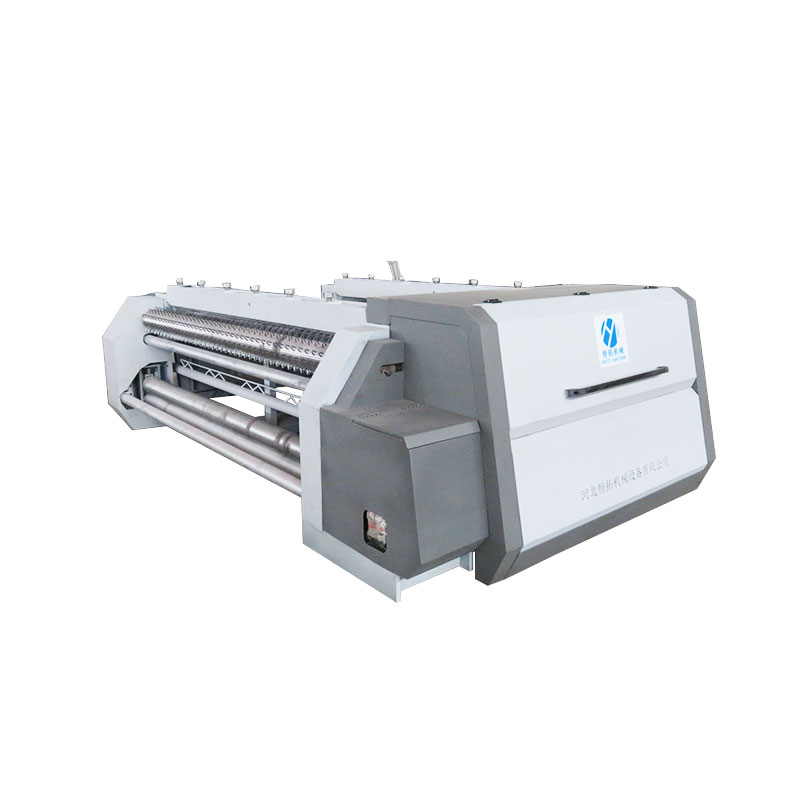
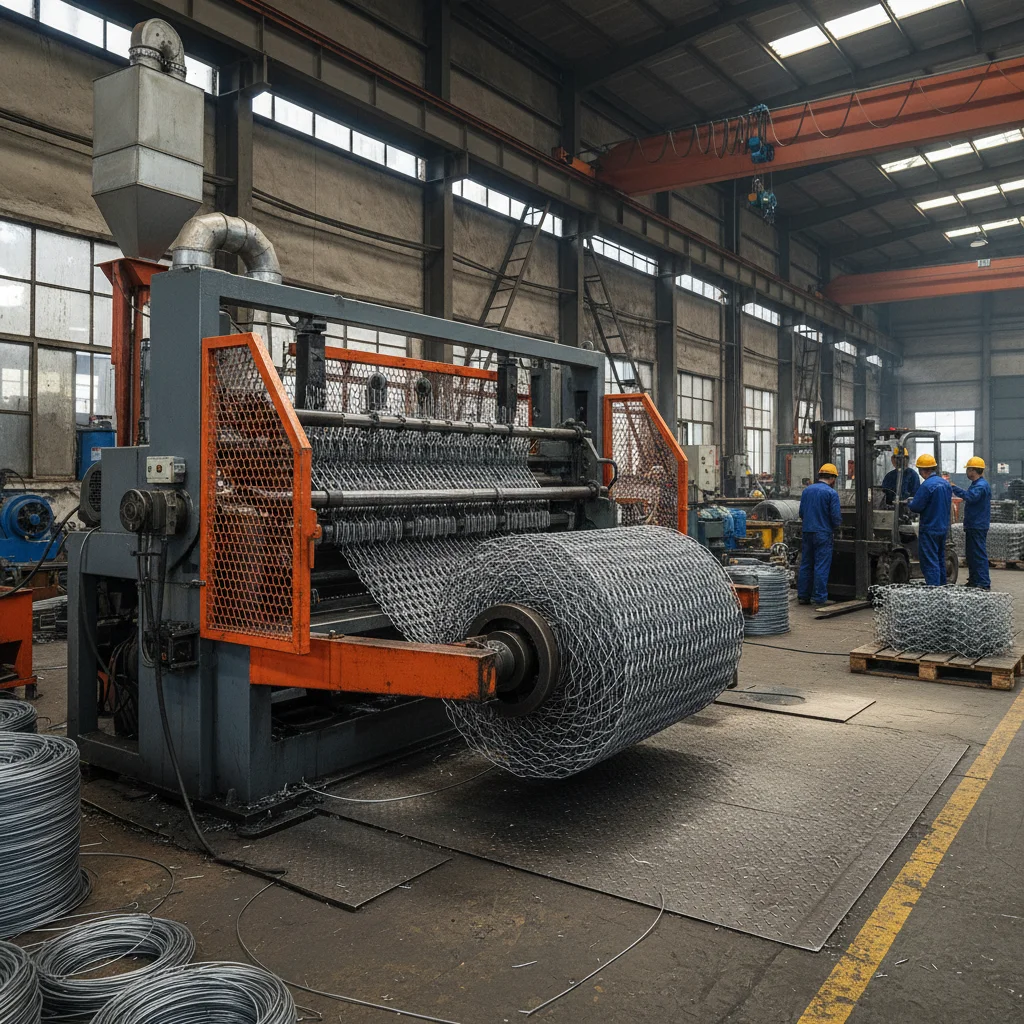
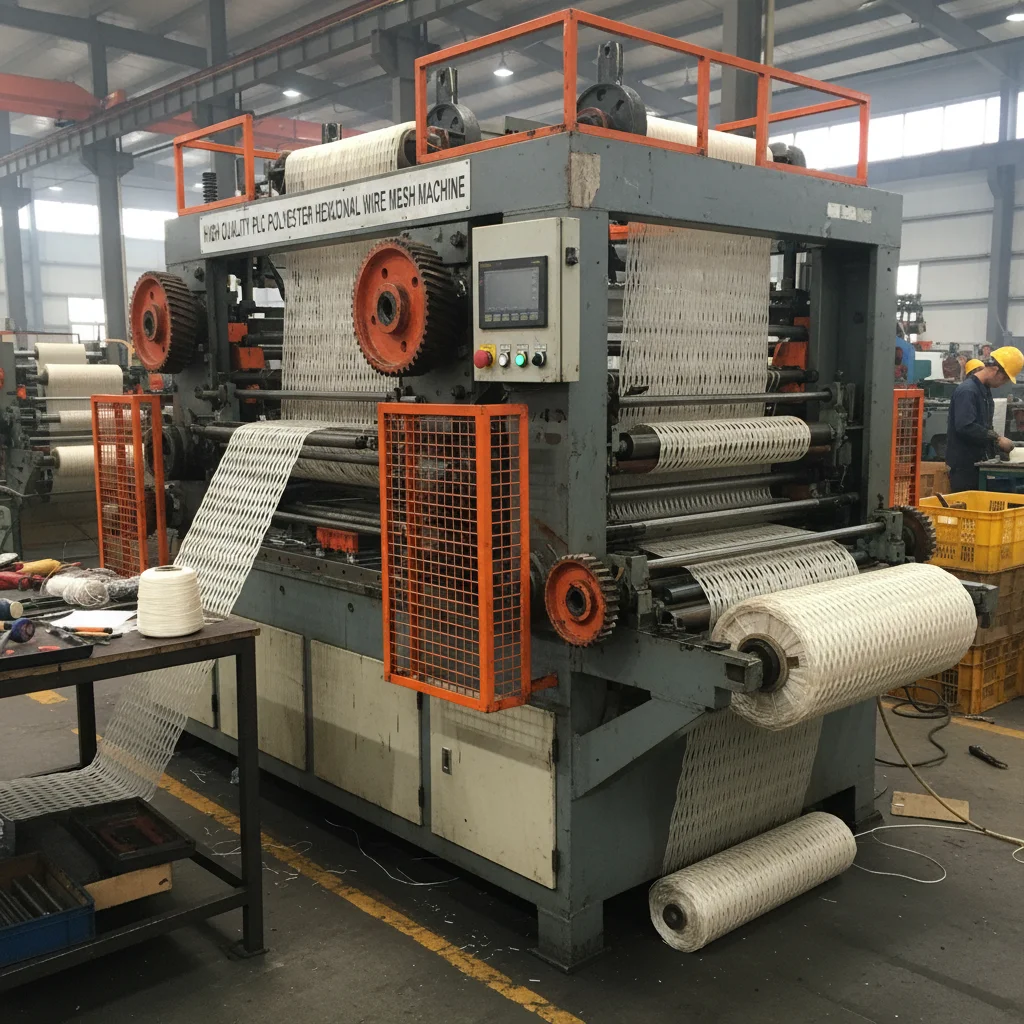
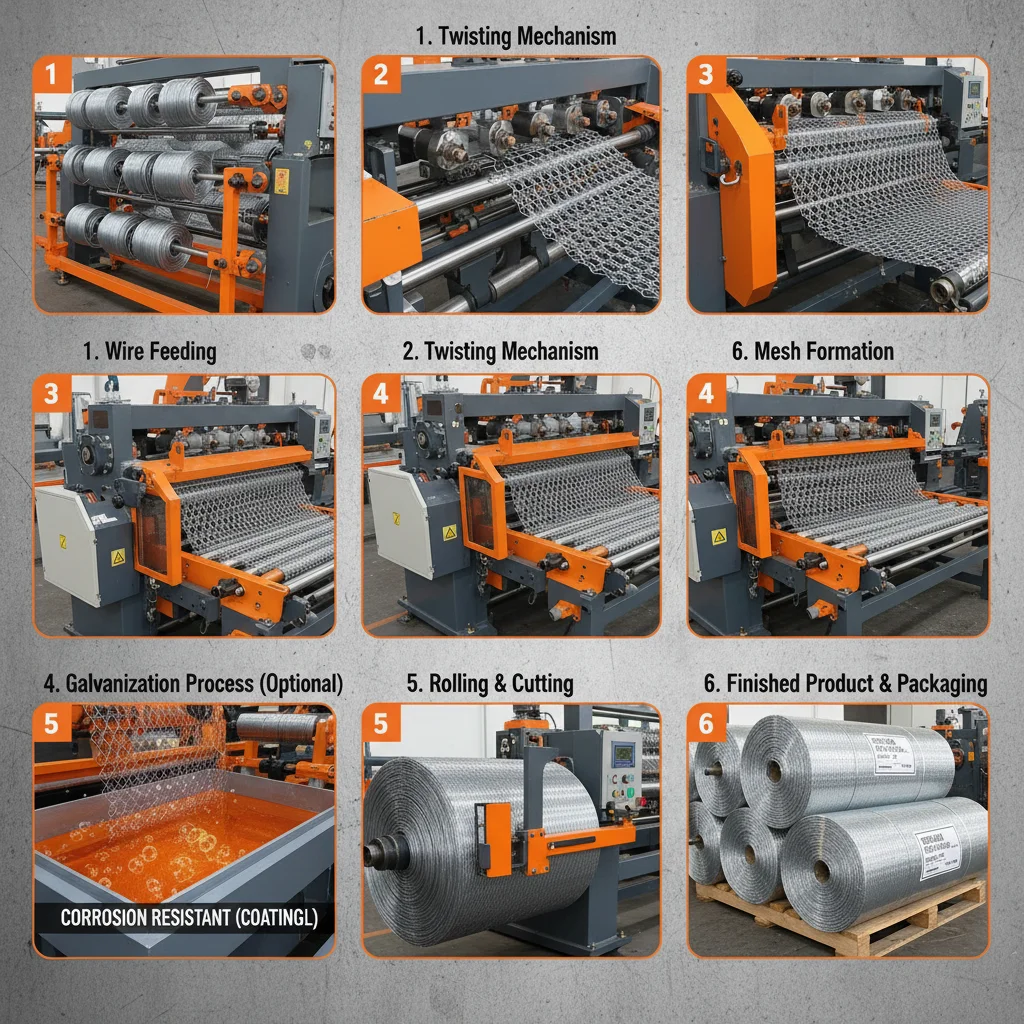
Simply put, an Aquaculture Fish Farming Cage machine is a mechanical or semi-automated system that helps build, maintain, or operate fish cages in various bodies of water—be it lakes, rivers, or coastal zones.
These cages confine farmed fish, allowing water to flow through but keeping fish contained and protected.
The machine typically handles netting installation, cage frame assembly, or even feed distribution and water quality monitoring, depending on the model.
It represents a merging of marine engineering with aquaculture biology and is crucial for modern food production infrastructure.
Core Components and Key Factors of Cage Machines
Durability and Material Composition
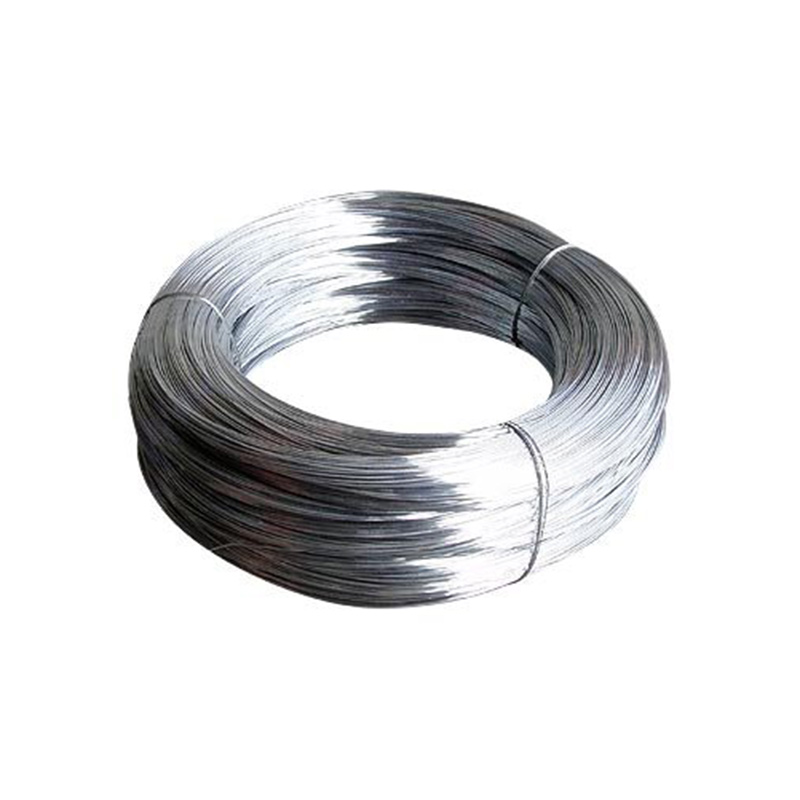
The marine environment is harsh; think saltwater corrosion, UV exposure, and physical stresses from waves. The cage machines often use galvanized steel frames, high-density polyethylene nets, or even titanium-oxide-treated materials.
Durability impacts maintenance intervals and long-term ROI, so many farmers prefer machines with components designed to last years without major repairs.
Scalability and Modularity
One thing I noticed is how these machines can be adapted for small village setups or massive commercial farms with dozens of cages. Modular designs let operators add or remove cage sections quickly, responding to fish stock changes or seasonal demands.
That flexibility is gold in uncertain markets.
Cost Efficiency and Automation Level
Machines range from low-tech manual assembly aids to fully automated, smart systems—feeding fish automatically, monitoring oxygen levels, or managing cage tension.
Automation cuts labor costs but comes with a higher upfront price. Choosing the right balance depends on scale, budget, and skill level on the farm.
Environmental Impact Mitigation
Modern cage machines integrate sediment monitoring and waste management tech to minimize environmental footprints.
Some even incorporate solar-powered components to reduce reliance on fossil fuels. This feels especially important given rising green certifications for aquaculture.
Product Specification Table: Typical Aquaculture Fish Farming Cage Machine
| Feature |
Specification |
| Frame Material | Galvanized Steel |
| Net Material | High-Density Polyethylene (HDPE) |
| Diameter Range | 10 to 40 meters |
| Automation Level | Manual to Semi-Automatic |
| Power Source | Electric, Solar-Assist Optional |
| Weight Capacity | Up to 100 Tons per Cage |
Global Applications & Use Cases
Aquaculture cage machines are employed worldwide—from Norway’s cold Atlantic fjords to the tropical waters of Southeast Asia.
Norway, with its vast salmon farming industry, is renowned for fully automated cage systems equipped with real-time water quality sensors.
Meanwhile, small-scale fish farmers in developing countries rely on simpler machines to boost local food security, often supported by NGOs or government programs.
Oddly enough, in post-disaster recovery, mobile cage farming setups have helped coastal communities restart livelihoods when fishing infrastructure was damaged.
Some remote industrial zones utilize cages operated by these machines to provide protein for workers without burdensome supply chains.
Check out our detailed product info for varied options at Aquaculture Fish Farming Cage machine.
Advantages & Long-Term Value of Using Cage Machines
- Cost Reduction: Automation reduces labor and monitoring expenses.
- Environmental Protection: By controlling fish density and waste, cages minimize ecosystem disruption.
- Consistent Production: More reliable yields improve market predictability and income stability.
- Safety and Animal Welfare: Proper cage design reduces disease outbreaks and stress among fish.
- Scalability: Expand or downsize farms easily according to market needs.
In emotional terms, farmers feel more secure investing in this technology because it demonstrates commitment to sustainable practices, a growing concern among consumers worldwide.
Future Trends & Innovations To Watch
The future is decidedly smart—AI-powered monitoring systems that analyze water quality and fish health in real time are already being tested.
Integration of renewable power sources, especially floating solar panels, helps reduce carbon footprints.
Additive manufacturing also promises custom cage parts for rapid repairs and design improvements.
Interestingly, blockchain traceability for farmed fish will probably enhance consumer trust even further.
Challenges and How Industry Innovators Are Overcoming Them
Current limitations include high initial investment costs, biosecurity risks, and occasional mechanical failure due to harsh marine conditions.
To counter these, many vendors offer modular leasing or rental options—sort of an equipment “try-before-you-buy” approach.
Fine-tuned filtration systems are addressing contamination, while improved predictive maintenance software reduces downtime.
Lastly, industry collaboration on environmental standards is advancing to ensure that as aquaculture grows, it doesn't unintentionally harm surrounding ecosystems.
Vendor Comparison Table: Leading Aquaculture Cage Machine Providers
| Vendor |
Automation Level |
Price Range (USD) |
Global Reach |
Eco Certifications |
| BlueWave Tech | Fully Automated | $200k - $400k+ | Global (Europe, Asia, Americas) | ASC, GlobalGAP |
| MarineCage Solutions | Semi-Automatic | $100k - $250k | Europe, Asia | ISO 14001 |
| AquaNet Systems | Manual to Semi-Auto | $50k - $150k | Asia, Africa | Local Certifications |
FAQ: Common Questions About Aquaculture Fish Farming Cage Machines
Q1: How durable are fish farming cages in harsh marine environments?
Most cages built with galvanized steel frames and HDPE nets last 5-10 years, but regular maintenance is key.
Modern cage machines help by using corrosion-resistant materials and automated tensioning to prevent damage,
which significantly prolongs lifespan.
Q2: Can these machines be adapted for small-scale ponds?
Absolutely. Many vendors offer modular, customizable solutions that work in various water bodies, including freshwater ponds.
While automation may be limited, manual or semi-automatic systems are popular among small farmers to improve efficiency.
Q3: What environmental safeguards do aquaculture cage machines offer?
Integrated water quality monitors, sediment traps, and low-impact feeding systems help mitigate pollution.
Plus, innovations like biodegradable nets are emerging for reducing microplastic pollution.
Q4: How complicated is the installation and training?
It varies. Manual equipment can be set up with a day or two of training, while full automation requires professional installation and ongoing support.
Many manufacturers now provide remote training modules and on-site assistance upon purchase.
Q5: Are these cages safe for fish health?
Properly designed cages, maintained by reliable machines, reduce stress and disease outbreak by ensuring adequate space, fresh water flow, and easy feeding.
Monitoring tech in automated systems further enhances fish welfare.
Conclusion and Next Steps
Clearly, the Aquaculture Fish Farming Cage machine revolutionizes how we approach sustainable seafood production, delivering efficiency, environmental care, and scalability all at once.
Whether you’re a commercial farmer eyeing expansion or a development organization supporting food security programs, investing in these machines makes sense for the long haul.
Ready to dive deeper? Explore our latest products and innovations by visiting Aquaculture Fish Farming Cage machine today.
Mini Takeaways
- Aquaculture cage machines power the future of sustainable fish farming worldwide.
- Durability, scalability, and automation levels define usability and ROI.
- New tech and materials keep pushing boundaries toward eco-friendly, cost-effective solutions.
References
- FAO Fisheries and Aquaculture Department
- Wikipedia: Aquaculture
- International Organization for Standardization (ISO)