What is a Multi Wire Drawing Machine and Why it Matters Globally
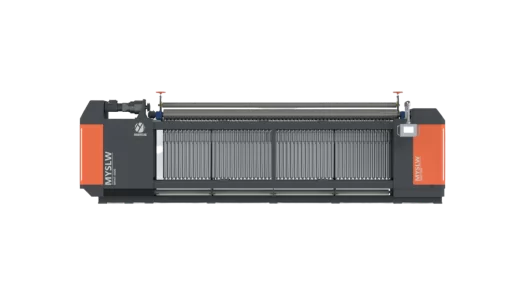
In the ever-evolving world of manufacturing, especially for industries like electrical wiring, construction, and telecommunications, the multi wire drawing machine plays a quietly powerful role. Simply put, it’s a sophisticated piece of equipment designed to reduce the diameter of multiple metal wires simultaneously, enhancing productivity while maintaining quality.
Why does it matter globally? Consider this: the world’s infrastructure depends heavily on wiring — from the cables beneath cities to the fine wires in consumer electronics. The demand for finer, stronger wires at faster production rates is increasing in regions from Asia to Europe.
Understanding this machine not only helps manufacturers stay competitive but also supports large-scale projects that improve connectivity, safety, and even humanitarian relief efforts.
The Global Industry Context of Multi Wire Drawing Machines
Did you know that according to the International Copper Association, global copper consumption for electrical wiring is growing at about 2.5% annually? With the rise of smart grids, renewable energy, and automotive electric vehicles, reliable wire production has never been this critical.
However, the challenge arises with the need for precision and speed. Producing thin, uniform wires—sometimes from difficult alloys—requires advanced machinery. This is where the multi wire drawing machine shines: it addresses the bottleneck of mass wire production while keeping material wastage minimal.
In many developing economies, lack of efficient wire drawing technology means slower industrial growth, affecting everything from construction quality to telecom expansion. Thus, investments in these machines impact industrial self-sufficiency and economic resilience.
What Exactly is a Multi Wire Drawing Machine?
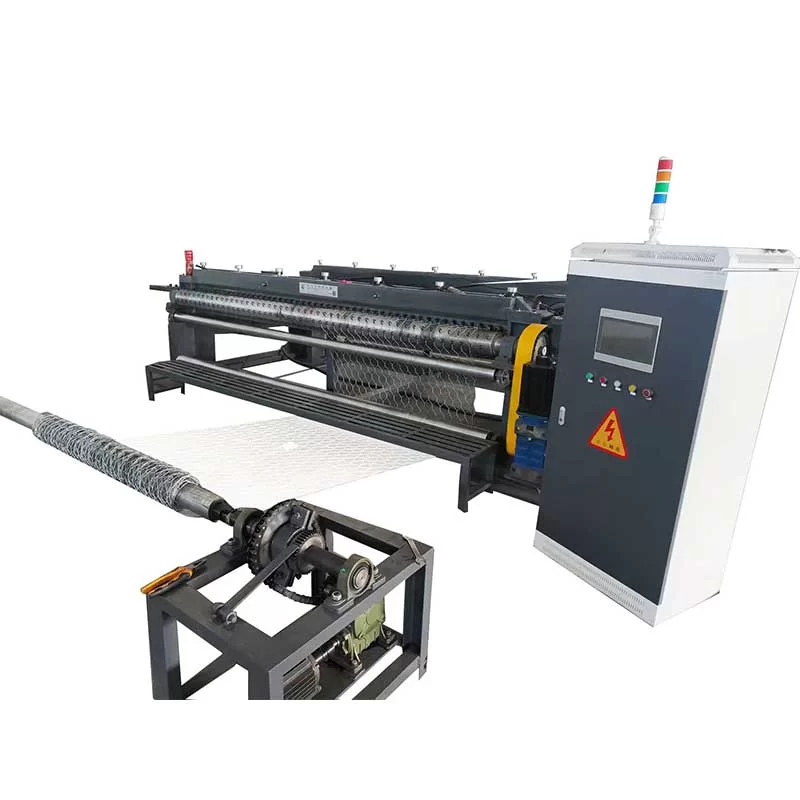
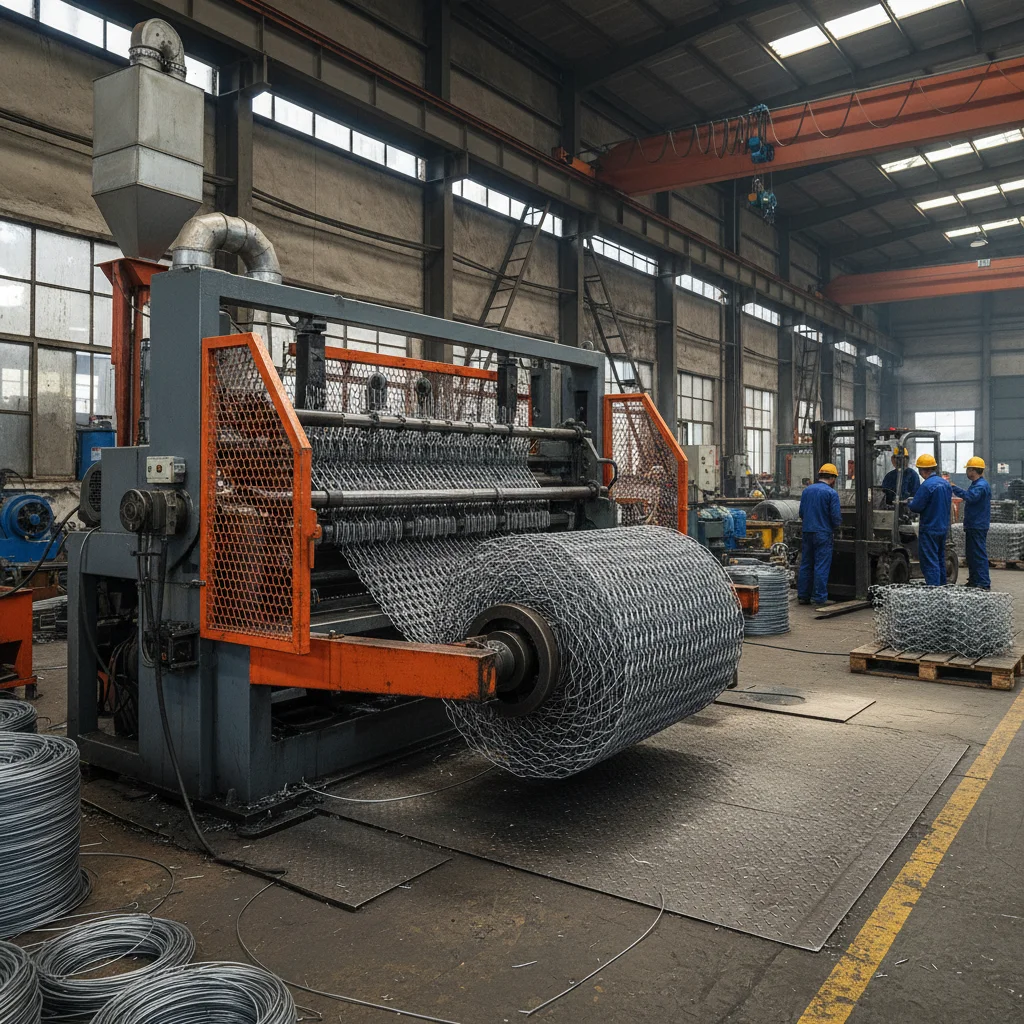
At its core, a multi wire drawing machine simultaneously pulls several metal wires through specially designed dies to reduce their diameters. Imagine pulling taffy but with precise, consistent tension across multiple strands at once.
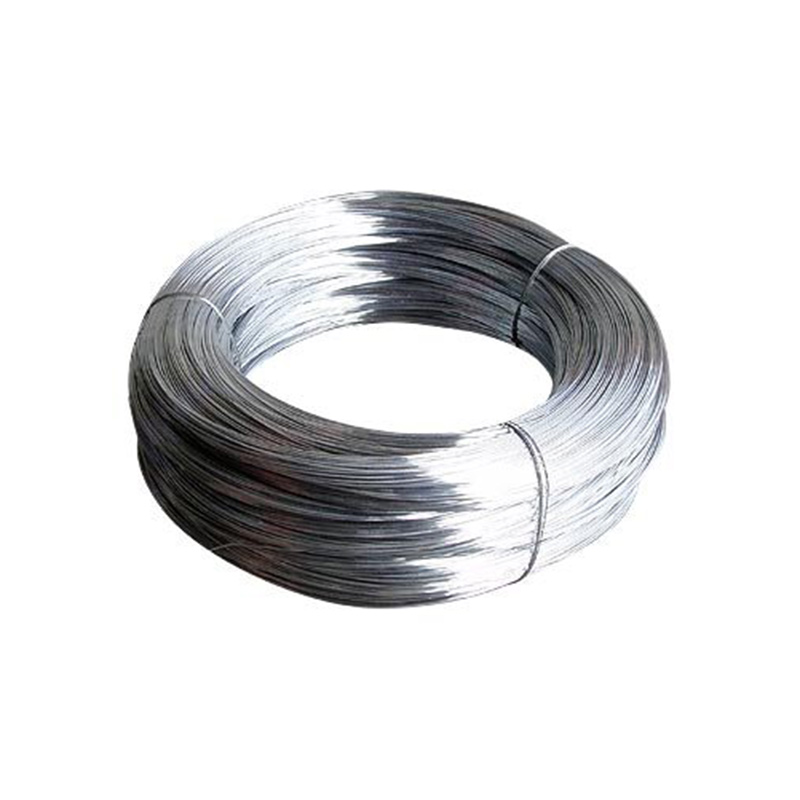
These machines are engineered to handle metals like copper, aluminum, and sometimes special alloys that require fine tolerances. The process improves wire strength due to work hardening and ensures dimensional uniformity crucial for applications in electronics and power transmission.
More broadly, such machines support modern industries, from large-scale construction (think steel reinforcements or cabling) to humanitarian needs where the rapid production of wiring for emergency shelters and power generation can save lives.
Core Components That Make the Difference
1. High-Precision Drawing Dies
The heart of any wire drawing setup, these are carefully crafted to exact dimensions. High-quality dies reduce friction, improve lifespan, and guarantee wire surface finish. Many manufacturers now use diamond dies or tungsten carbide for durability.
2. Automated Tension Control Systems
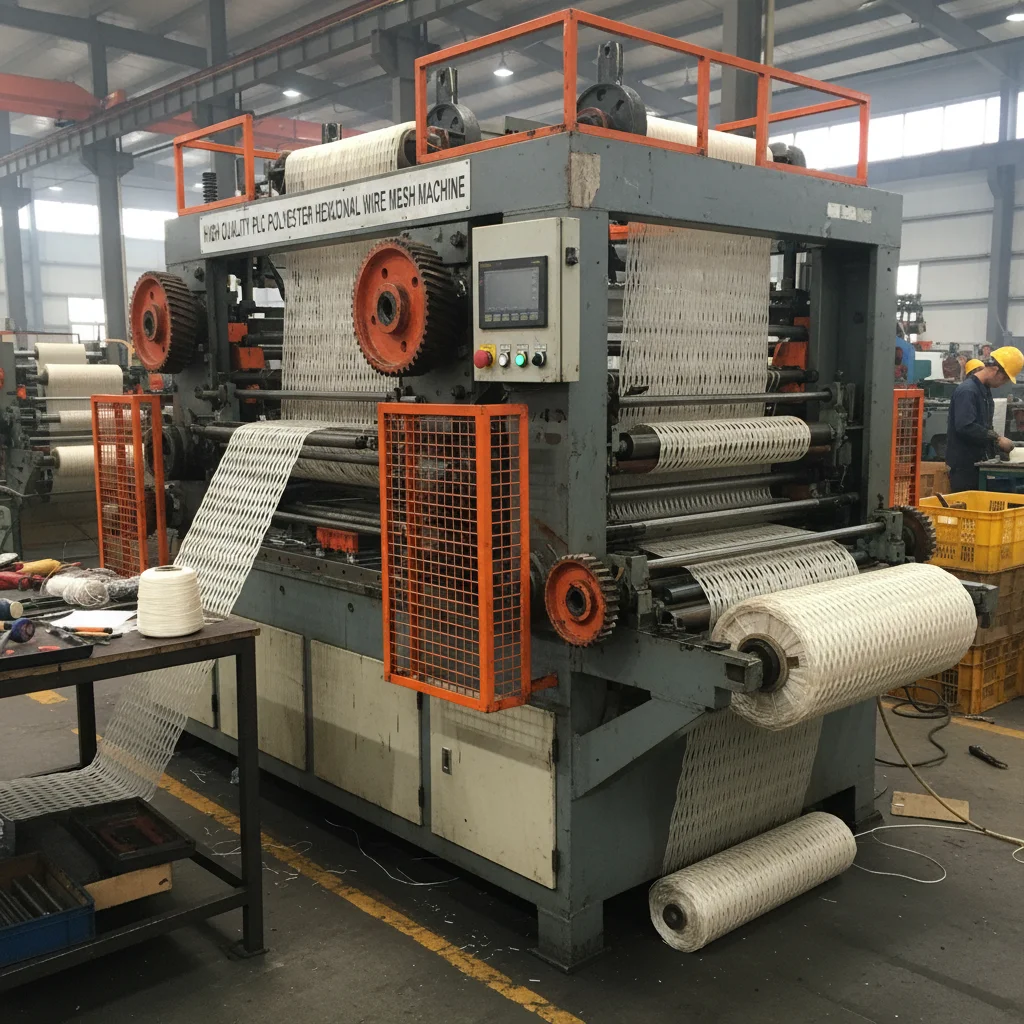
Consistent tension across all wires ensures uniform diameter and avoids breakage. Feedback loops and programmable logic controllers (PLCs) adjust tension dynamically—a feature that’s particularly beneficial when drawing multiple wires simultaneously.
3. Cooling and Lubrication Units
Drawing wire creates heat and friction. Integrated cooling systems (water or oil baths) and lubricants protect both the wire and the dies to extend operational life and improve quality.
4. Scalability Features
Advanced machines offer modular design options for varying quantities of wires and adjustable speeds. This lets factories scale up production rapidly or tweak the process for specialty tasks.
5. User Interface and Monitoring
Modern machines include digital displays and software for monitoring output, wire diameter, and machine health, assisting in predictive maintenance and minimizing downtime.
6. Safety Mechanisms
Because these machines operate at high speeds and tensions, safety features such as automatic shutdowns and emergency stops are standard to protect operators.
Mini Takeaway: The multi wire drawing machine is a complex integration of precision, automation, and material science — designed to deliver speed and quality simultaneously.
Global Applications and Real-World Use Cases
The multi wire drawing machine is no longer a niche tool confined to factories in developed countries. Around the globe, its applications span:
- Electrical Wire Manufacturing: Producing power transmission cables in Asia’s rapidly growing urban centers.
- Telecommunication Sector: Creating fine copper wires for telecom cables in Europe and North America.
- Automotive Industry: Supplying wiring harnesses essential for electric vehicles in Germany and the US.
- Post-Disaster Relief: NGOs using rapid wire production to restore power grids in regions hit by natural disasters, such as tsunami-affected Indonesia or hurricane zones in the Caribbean.
Oddly enough, in some remote industrial zones of Africa, these machines enable local manufacturing hubs that reduce dependency on expensive imports. Additionally, experimentation with aluminum wires for lightweight construction is gaining ground in Latin America.
Product Specification Table
| Feature |
Specification |
| Wire Capacity |
Up to 16 wires simultaneously |
| Wire Diameter Range |
0.1 mm to 4.0 mm |
| Drawing Speed |
100 - 400 m/min (adjustable) |
| Material Compatibility |
Copper, Aluminum, Stainless Steel |
| Power Consumption |
7.5 kW to 15 kW |
| Dimensions (LxWxH) |
4500 mm x 1200 mm x 1800 mm |
| Control System |
PLC with touchscreen interface |
Advantages and Long-Term Value of Multi Wire Drawing Machines
The practical benefits are tightly linked to cost efficiency — producing multiple wires at once dramatically cuts labor and energy expenses. Sustainability wise, less wastage during drawing means lower material costs and environmental impact.
From a social standpoint, machines that run reliably improve worker safety by minimizing manual handling and preventing wire breakages. Plus, the trust in product quality means engineers can design safer, more reliable infrastructure.
Logically, these machines keep companies innovative and competitive. Emotionally, I suppose it brings a quiet reassurance that something as small as wire can hold together massive networks — cities, internet, power — almost invisibly.
Vendor Comparison Table
| Brand |
Max Wire Count |
Price Range (USD) |
Warranty |
Key Feature |
| HTM Machines |
16 |
$50,000 - $75,000 |
2 years |
Advanced PLC control, modular design |
| WireTech Co. |
12 |
$40,000 - $60,000 |
1.5 years |
Energy-efficient motors |
| PrecisionDraw |
20 |
$70,000 - $90,000 |
3 years |
Automated real-time monitoring |
Looking Ahead: Future Trends & Innovations
Several exciting developments are reshaping the multi wire drawing industry. For one, the integration of AI-driven automation aims to reduce human intervention further, resulting in better precision and predictive maintenance.
Materials science plays a role too — newer alloys and composite wires are increasingly in demand for electric vehicles and aerospace. These require custom drawing processes—multi wire machines capable of adapting quickly become invaluable here.
Finally, green energy considerations are pushing manufacturers to optimize energy consumption and recycling during wire drawing. Waterless lubrication systems and smart heat recovery setups are just the start.
Challenges & Smart Solutions
Of course, no technology is perfect. Multi wire drawing machines can face issues like wire breakages, uneven tensions, and die wear. But, many machines now feature automated tension control and quick-die-change systems that drastically reduce downtime.
Maintenance remains key — a routine lubrication and calibration schedule is vital. Some vendors offer remote diagnostic services, which I find a brilliant way to prevent costly stops, especially for remote factories.
Lastly, skilled operator training is still non-negotiable. Machines can only do so much without human insight.
FAQ: Practical Questions About Multi Wire Drawing Machines
Q1: How many wires can a typical multi wire drawing machine process at once?
A1: The number varies, but common industrial machines handle between 8 to 20 wires simultaneously. This allows manufacturers to boost output without compromising wire quality.
Q2: What metals can these machines draw?
A2: Copper and aluminum are the most frequent, thanks to their electrical and thermal properties. However, many machines can handle stainless steel or specialty alloys with proper die adjustments.
Q3: Are multi wire drawing machines energy-efficient?
A3: Newer models focus heavily on energy efficiency, using variable frequency drives and automated controls to optimize power usage, reducing operational costs significantly.
Q4: How easy is it to maintain and repair these machines?
A4: Maintenance requires periodic die changes, lubrication, and tension calibration. Most modern machines are designed for easy access and may come with remote diagnostic options to simplify upkeep.
Q5: Can these machines support custom wire diameters?
A5: Yes, by swapping dies and adjusting speed and tension, manufacturers can achieve a wide range of diameters tailored to specific applications.
Conclusion & Call to Action
The multi wire drawing machine represents a significant leap in manufacturing efficiency and reliability. For industries dependent on high-quality wiring—from energy grids to personal electronics—it's a foundational technology with long-term value.
If you’re considering investing in or upgrading wire drawing machinery, exploring the latest models offers an edge in productivity, sustainability, and innovation.
Discover more about how multi wire drawing machine technology can transform your production processes by visiting our website today.
References
- International Copper Association
- ISO Standards on Wire Mesh
- Wire Drawing - Wikipedia