The Straight Line Wire Drawing Machine: Why It Matters Worldwide
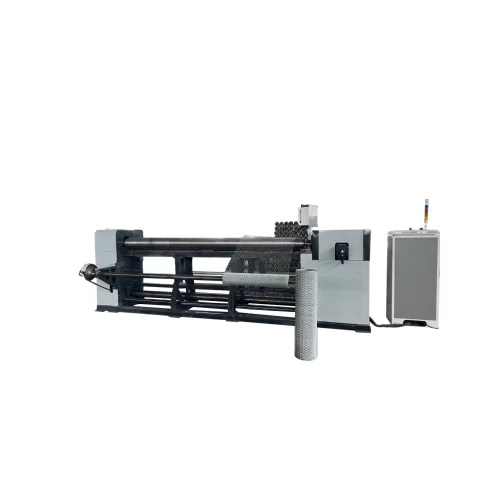
If you’re new to industrial machinery, the term straight line wire drawing machine might sound intimidating or overly technical. But in reality, it’s one of those quiet workhorses underpinning the global wire manufacturing industry—and by extension, countless everyday products. Understanding this machine is crucial because it improves efficiency, reduces waste, and helps meet soaring demands for wires in everything from construction and automotive sectors to electrical and telecommunications fields.
Globally, the wire and cable market is projected to exceed $230 billion by the mid-2020s, according to the International Electrotechnical Commission (IEC). A core driver behind this impressive scale is advanced wire drawing technology, with the straight line wire drawing machine standing out for its precision and versatility. Whether it’s in developed industrial hubs or emerging economies, this equipment’s role is critical.
Mini takeaway: Seeing the big picture, the straight line wire drawing machine isn’t just about shaping metal; it’s about shaping connectivity, infrastructure, and progress worldwide.
Setting the Global Context: The Wire Drawing Challenge
Wires are everywhere—in our homes, cars, gadgets, and power grids. But producing fine, strong, consistent wire involves a lot more than pulling metal through a hole until it’s thin enough. On a global scale, manufacturers face challenges like rising raw material costs, energy consumption, and environmental regulations.
According to the United Nations Industrial Development Organization (UNIDO), optimizing machinery like the straight line wire drawing machine is one practical way to increase production throughput while addressing sustainability goals. The biggest problem? Wasting material during drawing or facing frequent downtime due to equipment failures. So the straight line design helps by streamlining the wire path, reducing friction points, and generally running smoother, which all adds up to real-world impact.
Mini takeaway: This machine answers one fundamental question: how do you reliably turn raw metal into precise wire while minimizing cost and environmental footprint?
What Exactly Is a Straight Line Wire Drawing Machine?
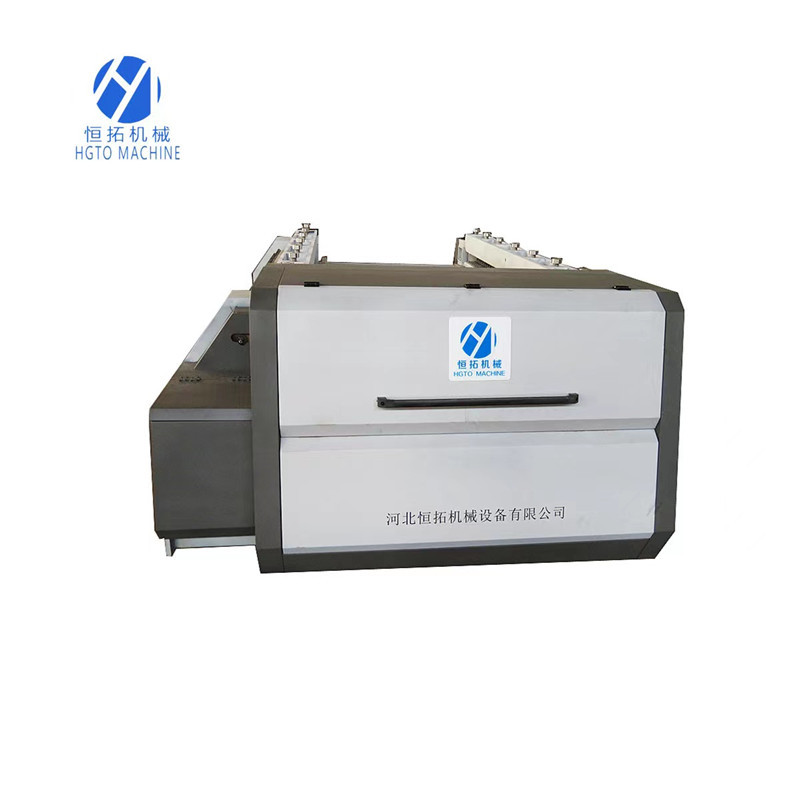
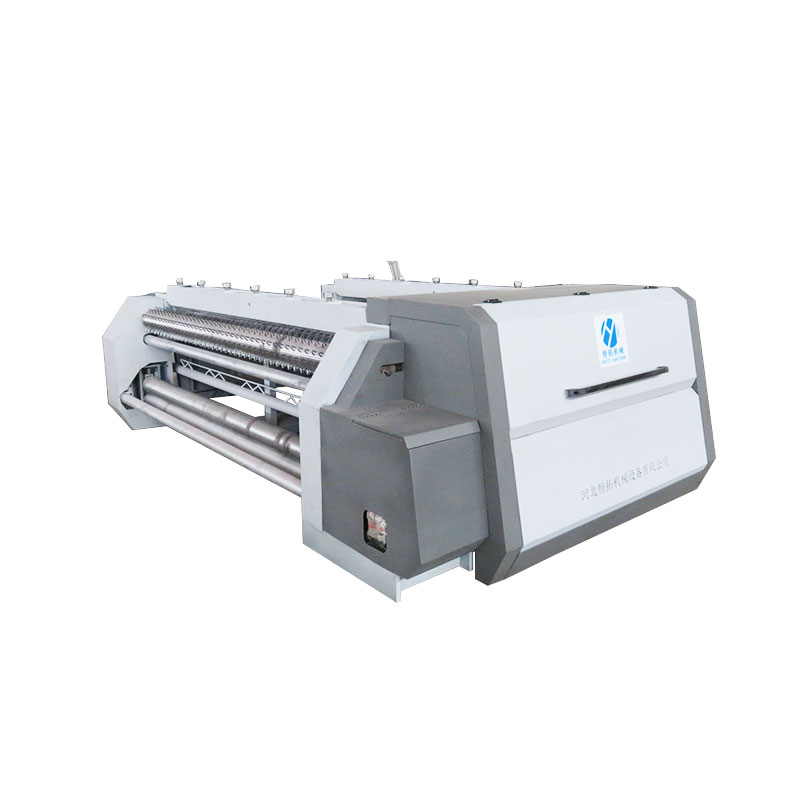
Simply put, a straight line wire drawing machine pulls metal wire or rod through progressively smaller dies to reduce its diameter and increase strength. The key difference with the “straight line” design is how the wire moves through the machine in a direct, linear path, rather than looping around multiple pulleys or drums.
This linear movement reduces mechanical complexity and friction, which can result in less wear and tear and more consistent product quality. It’s a core technology for producing wires used in building reinforcement mesh, electrical cabling, springs, and more. Oddly enough, despite sounding very industrial, the benefits trickle down to sectors ranging from medical devices to humanitarian infrastructure.
Mini takeaway: Think of this machine as a streamlined, reliable metal shaper—that turns crude rod into precisely drawn wire essentials.
Core Components of a Straight Line Wire Drawing Machine
1. Drawing Die
The heart of the machine. The metal rod is pulled through these tiny holes that shape and shrink the wire’s diameter. Precision here means better tensile strength and surface finish.
2. Capstan or Drawing Capstan
This drum pulls the wire steadily through the die, controlling speed and tension along that straight path.
3. Cooling and Lubrication System
Drawing metal creates heat and friction, so a built-in system cools the wire and applies lubricant, preventing damage or micro-cracks.
4. Control Panel and Sensors
Modern machines include digital controls for speed, tension, and fault detection—important for reducing downtime and errors.
5. Wire Take-up Drum
Once drawn, the wire is neatly wound onto this drum in preparation for the next manufacturing stage.
Mini takeaway: These components work in harmony to ensure the wire drawing process is smooth and efficient—simple in concept, complex and refined in practice.
Global Applications: Where the Straight Line Wire Drawing Machine Shines
Pretty much everywhere heavy or fine wire is needed. Here are just some real-world contexts:
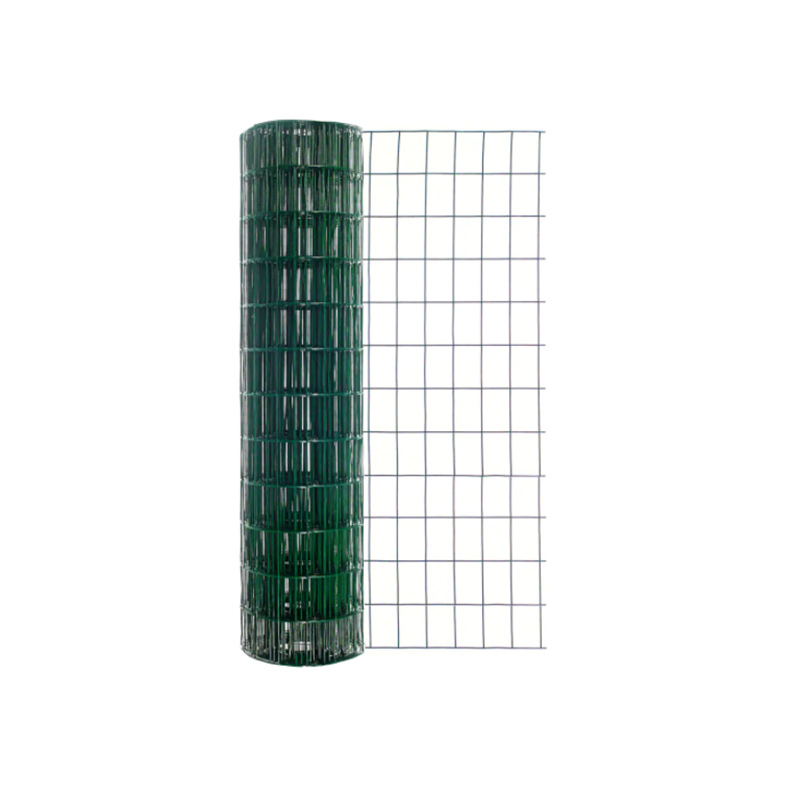
- Construction and Infrastructure: Countries in Asia and Africa using wire mesh from straight line drawn wire for reinforcing concrete in rapidly growing cities.
- Automotive Industry: Wire for springs and cables used globally, especially in Europe and North America, leverages consistent diameter and strength.
- Electrical and Telecommunication Cables: High-quality wiring is crucial for expanding networks, especially in remote regions with heavy environmental stress.
- Humanitarian Relief: NGOs sometimes rely on these machines for quick fabrication of durable wire fencing or mesh in post-disaster zones.
Mini takeaway: The versatility and straight line machine’s precision make it indispensable across industries and continents.
Why Invest in a Straight Line Wire Drawing Machine? Key Advantages
- Cost Efficiency: Lower energy use and reduced material waste compared to older models.
- Durability and Reliability: Fewer moving parts equal less downtime and maintenance.
- Improved Product Quality: Uniform diameter improves product acceptance in critical applications.
- Environmental Benefits: Efficient lubrication and cooling systems lessen the footprint.
- Emotional Angle: Knowing products made with this tech help build safer homes and critical infrastructure creates a sense of trust and safety.
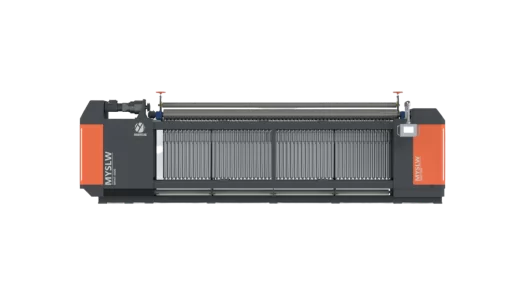
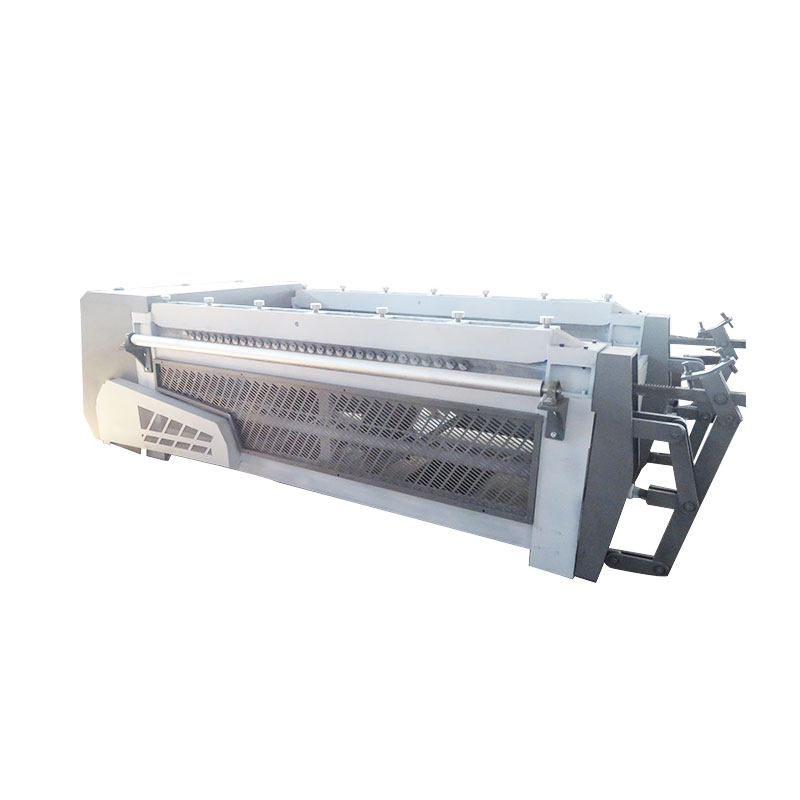
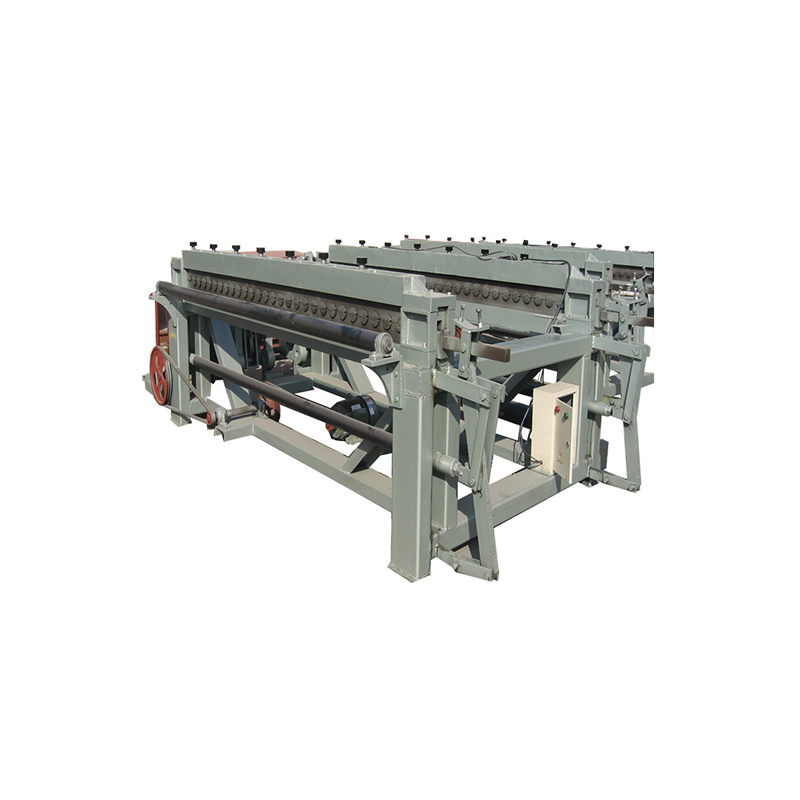
Product Specifications of a Typical Straight Line Wire Drawing Machine
| Feature |
Specification |
| Wire Diameter Range |
0.2 mm - 12 mm |
| Drawing Speed |
Up to 25 m/s |
| Number of Dies |
5 - 12 (depending on model) |
| Power Supply |
380V / 50-60 Hz |
| Weight |
Around 1500 - 3000 kg |
| Control System |
PLC with touchscreen interface |
Vendor Comparison: Leading Providers of Straight Line Wire Drawing Machines
| Vendor |
Price Range (USD) |
Customization |
After-Sales Support |
Warranty |
| HT Mesh Machines |
$35,000 - $55,000 |
High - tailored dies and speed |
24/7 tech support + onsite training |
2 years |
| Global Wire Tech |
$30,000 - $50,000 |
Medium - standard models mainly |
Business hours email support |
1 year |
| WirePro Solutions |
$40,000 - $60,000 |
High - focus on automation |
Remote diagnostics + onsite visits |
3 years |
Looking Ahead: Innovations in Straight Line Wire Drawing Machines
The future is definitely green and smart. Upcoming machines increasingly incorporate IoT sensors for real-time monitoring, AI-powered predictive maintenance, and improvements in die materials that extend life and reduce downtime. Combining these with renewable energy integration means manufacturers can lower their carbon footprints substantially.
For example, some newcomers in the industry are experimenting with biodegradable lubricants and water-jet cooling systems, which help mitigate environmental impact without sacrificing speed or quality. Digital transformation also means easier customizations—manufacturers can often order machine programs that suit niche applications without extensive downtime.
Mini takeaway: It feels like the wire drawing domain is quietly entering the 21st century, with smarter, greener equipment on the horizon.
Challenges and How to Overcome Them
The main hurdles remain equipment cost, skilled operator availability, and occasional technical malfunctions—especially in regions where technical support is sparse. Many companies mitigate this by partnering directly with reputable vendors who offer comprehensive training and fast parts delivery.
Experts also suggest routine predictive maintenance and using high-quality lubricants to greatly extend die life and prevent metal fatigue. Smaller producers sometimes find modular designs advantageous because they can incrementally upgrade machines instead of full replacements.
Mini takeaway: Challenges are real but manageable with the right partnerships and maintenance strategies.
FAQs about Straight Line Wire Drawing Machines
- Q: What materials can this machine draw besides steel?
- A: While primarily used for steel, many straight line wire drawing machines can handle copper, aluminum, brass, and specialty alloys with the right dies and lubrication.
- Q: How does the straight line machine compare to the multi-block wire drawing machines?
- A: The straight line design generally offers simpler mechanics, less wear, and easier maintenance—ideal for uniform wire production, though sometimes at slightly lower max speeds.
- Q: How long does the wire drawing process take?
- A: It depends on the desired diameter and machine speed, but typically between several seconds to a couple of minutes per batch, which is much faster than older equipment standards.
- Q: Can the machine be customized for specific wire tolerances?
- A: Absolutely. Vendors like HT Mesh Machines offer bespoke die design and speed programming to meet exact client requirements.
Conclusion: Investing Wisely in Wire Drawing Tech
The straight line wire drawing machine remains a silent but essential hero in the wire manufacturing industry. Its blend of simplicity, reliability, and adaptability meets global demand while supporting sustainability and cost-saving objectives. If your operations depend on quality wire production, exploring this machinery is a wise step forward.
For those ready to boost efficiency and product quality with proven technology, visiting HT Mesh Machines is a solid next move. They’ve been a trusted vendor offering tailored solutions and stellar customer support—important factors when committing to such capital investment.
Honestly, in this line of work, a good machine isn’t just a tool—it’s an investment in your company’s future and reputation. And as market demands grow, staying ahead means relying on the best gear available.
References:
- United Nations Industrial Development Organization (UNIDO)
- Wikipedia - Wire Drawing
- International Organization for Standardization (ISO)