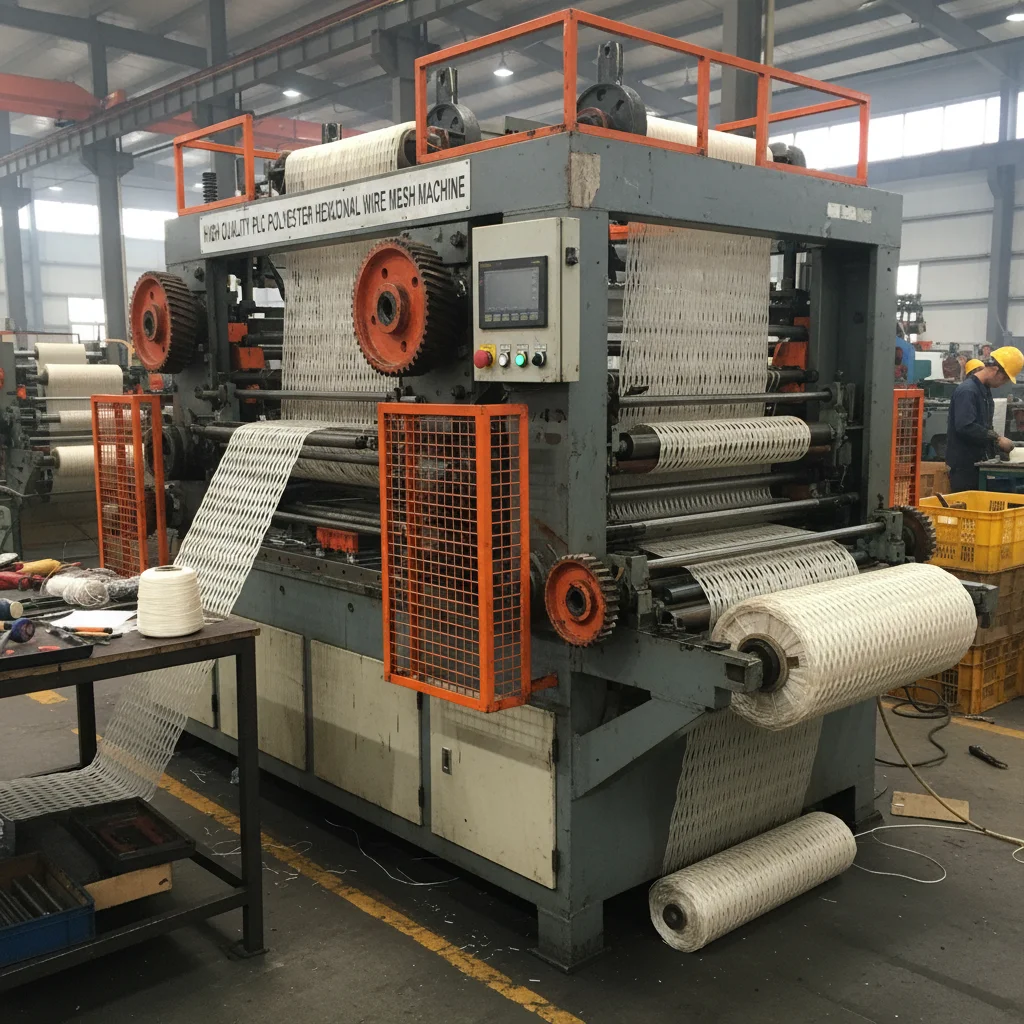
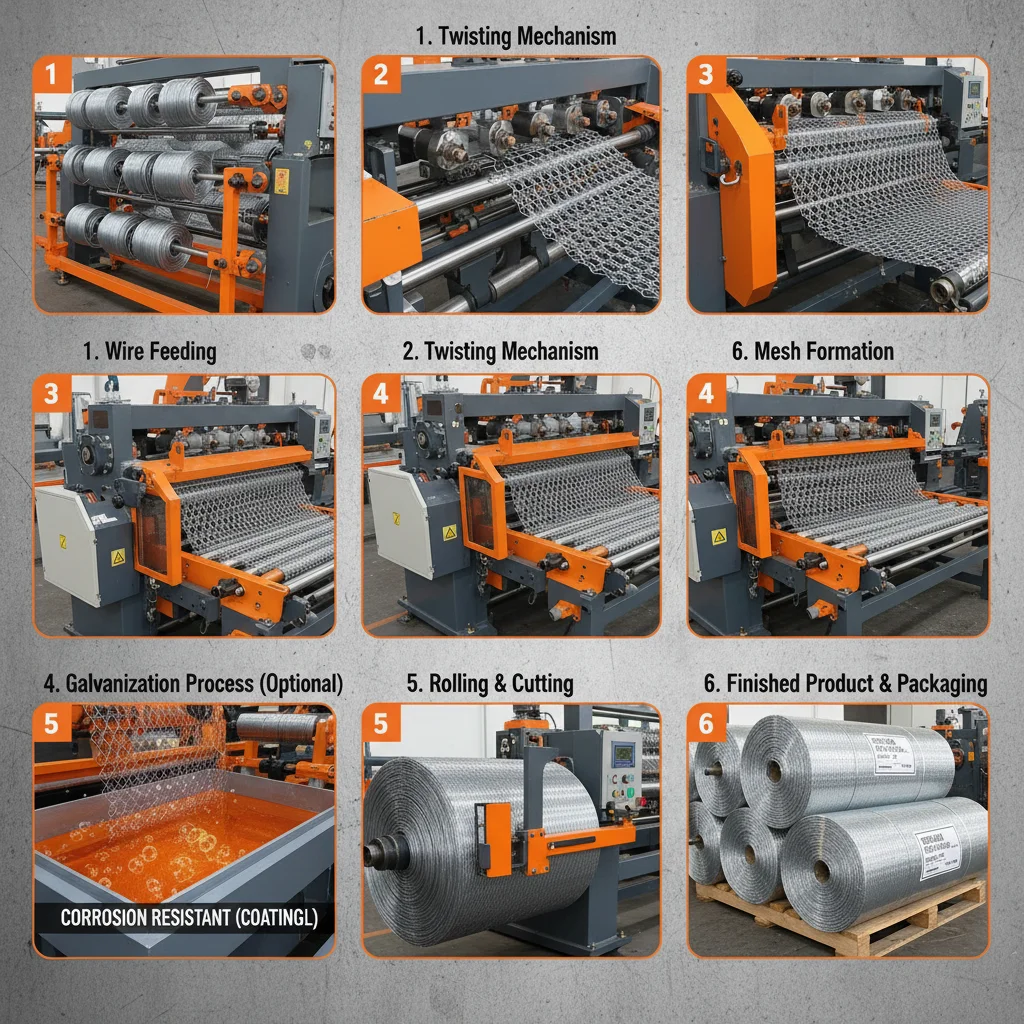
Understanding the Types of Wire Drawing Machine: Why It Matters
Wire drawing machines might not be the flashiest tech at your next gadget fair, but they quietly power a huge chunk of the world’s manufacturing backbone. Simply put, these machines transform thick wires into thinner, tensile-strengthened strands, essential in everything from electrical cables to surgical needles. Now, why should you care? Because the “types of wire drawing machine” chosen by manufacturers worldwide directly affect product quality, efficiency, and even environmental footprint.
In a globalized economy where infrastructure needs are booming, understanding the differences between wire drawing machines means grasping how industries keep up with demand sustainably. The right wire drawing technology boosts productivity, reduces waste, and helps meet rising worldwide standards – an unsung hero in modern manufacturing, honestly.
Global Context: The Growing Demand for Wire Drawing Solutions
Did you know that the global wire and cable market is projected to grow at around 7% CAGR through 2027? According to the International Electrotechnical Commission (IEC), this explosion is partly driven by renewable energy projects, electric vehicle adoption, and urban infrastructure developments worldwide. These trends push factories to get wire drawing right — no sloppy products allowed when you’re wiring a city or rolling out smart grids.
However, challenges persist. Traditional machines can struggle with energy consumption or fail the stringent quality checks now demanded, especially in developed regions where ISO standards rule. Choosing the appropriate types of wire drawing machine addresses these hurdles by offering tailored solutions for different material compositions and production scales.
What Exactly Are Types of Wire Drawing Machine?
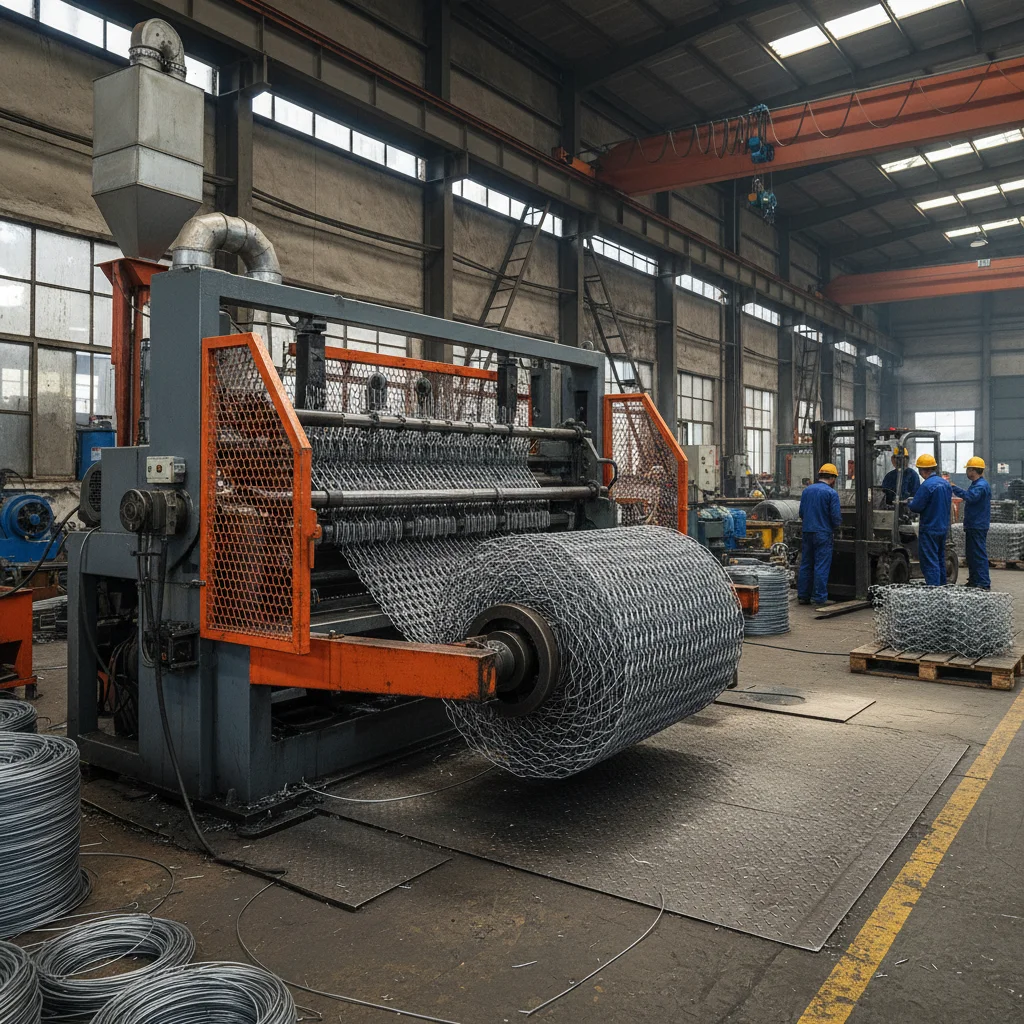
At heart, a wire drawing machine pulls metal wire through a series of dies to reduce its diameter. But the “types” bit? It refers largely to the mechanical setup and operating method — from manual bench-top models to fully automatic, multi-stage industrial machines.
The machine type aligns closely with its purpose. Some excel in speed, others in precision or material versatility (think copper vs. stainless steel). Their role extends beyond just production lines. For example, humanitarian aid organizations rely on small wire drawing units to create essential medical instruments in remote zones.
Key Factors When Considering Different Wire Drawing Machines
1. Durability & Material Compatibility
Not all materials are created equal, and neither are wire drawing machines. Some machines can handle tough metals like titanium, while others are better suited to softer metals like aluminum. Durability in components like drum surfaces and dies directly influences machine lifespan and maintenance cycles.
2. Scalability and Production Volume
For small workshops, a single-die manual draw bench suffices. But in high-volume industrial settings, multistage automatic drawing machines with inline quality control are often mandatory. Matching machine type to production scale ensures cost-efficiency without over-investment.
3. Energy Efficiency and Sustainability
Given global energy concerns, newer wire drawing machines integrate energy-saving motors and insulated components. Some models even reclaim heat generated during operation for reuse, marrying cost-savings with environmental responsibility.
4. Precision & Quality Control
Wire diameter uniformity and surface finish can make or break end-use quality. Many high-end wire drawing machines include real-time sensors and feedback systems to adjust tensions or lubrication automatically — cutting down scrap rates too.
5. Maintenance and Operational Complexity
Frankly, the more automated the machine, the more specialized the maintenance. Conversely, simpler machines may require more frequent manual adjustments. Balancing this is key, especially for companies without in-house technical support.
Global Applications of Wire Drawing Machines
Across the globe, wire drawing technology adapts to myriad uses:
- Electrical and Electronics: Thin copper wires are the lifelines of circuits, telecom cables, and transformers.
- Medical Devices: Stainless steel wires are drawn for surgical staples, orthodontics, and guidewires.
- Automotive Sector: Steel cables in braking and suspension systems rely on precision drawn wires.
- Renewable Energy: High-quality wire for solar panels and wind turbines demands exact gauges and resilience.
For instance, in disaster relief zones, compact wire drawing machines help create custom wiring solutions quickly, enabling faster reconstruction of power lines or communications infrastructure.
Mini takeaway: The versatility of wire drawing machines across sectors and regions underlines why understanding machine types is a growing priority worldwide.
Advantages & Long-Term Value of Selecting the Right Wire Drawing Machine
Choosing the appropriate type comes with clear benefits:
- Cost Savings: Proper machines minimize raw material loss through precise drawing, slashing scrap rates.
- Sustainability: Efficient electrical usage and longer machine lifetimes reduce environmental impact.
- Reliability and Safety: Consistent product quality builds trust, while safer automated systems protect workers.
- Social Impact: Technologies enabling rapid wire production can uplift communities through job creation and infrastructure development.
There’s an emotional layer to this — companies know their brands depend on reliability. And many engineers say, a smooth wire drawing operation feels like a silent promise of quality downstream.
Future Trends & Innovations in Wire Drawing Technology
The road ahead is surprisingly dynamic:
- Automation & AI: Machines with AI-assisted predictive maintenance reduce downtime drastically.
- Eco-Friendly Materials: The rise in biodegradable coatings and recyclable lubricants is transforming wire drawing processes.
- Integration with IoT: Real-time data analytics on wire properties and machine performance optimize output like never before.
- Renewable Energy Powered Plants: Some firms are pairing wire drawing technologies with solar or wind energy to create zero-carbon footprints.
Oddly enough, while the process feels simple, the engineering thinkers behind these machines are pushing boundaries every day.
Overcoming Challenges in Wire Drawing Machine Use
Some common challenges include:
- Material Deformation: Excess tension can weaken wires; precise control is essential.
- Maintenance Costs: Complex machines have higher upkeep demands.
- Operator Expertise: Skilled labor shortage in some regions hampers machine efficiency.
Solutions? Many manufacturers now offer modular machine designs to simplify upkeep, and extensive training programs help bridge skills gaps. Digital tools also aid remote troubleshooting — a real game-changer.
FAQ: Practical Questions About Types of Wire Drawing Machine
- Q1: What type of wire drawing machine is best for small to mid-sized workshops?
A1: Manual or semi-automatic single-die bench machines are ideal, balancing cost and ease of use without sacrificing quality for lower production volumes.
- Q2: How can energy efficiency be improved in wire drawing operations?
A2: Using machines equipped with variable frequency motors, heat recovery systems, and optimized lubrication helps reduce energy consumption significantly.
- Q3: Are digital controls necessary for quality wire drawing production?
A3: While not strictly required, digital controls and sensors facilitate better precision, reduce scrap and help maintain consistent diameter, especially in high-volume contexts.
- Q4: Can wire drawing machines process all types of metals?
A4: Most machines are designed for specific materials. For example, machines intended for steel might not handle copper efficiently without modifications or particular dies.
- Q5: How important is maintenance for wire drawing machines?
A5: Very important. Regular maintenance ensures longevity, productivity, consistent output, and safety. Following manufacturers’ schedules and training operators mitigates costly downtimes.
Conclusion: The Silent Backbone of Modern Manufacturing
Wire drawing machines might fly under the radar for many, but their role is crucial in shaping industries, economies, and even humanitarian efforts worldwide. From scalability and sustainability to innovative automation, understanding the diverse types of wire drawing machine equips professionals to make smarter purchases and operational decisions that pay off long-term.
If you want to dive deeper or explore specific machine types, visit our website to see tailored solutions that fit diverse industrial needs.
Product Specification Table
| Model |
Drawing Speed (m/min) |
Max Wire Diameter (mm) |
Automation Level |
Energy Consumption (kW) |
| HTM-100 |
150 |
10 |
Manual |
2.5 |
| HTM-250 Auto |
300 |
16 |
Semi-Automatic |
5.8 |
| HTM-500 Pro |
600 |
25 |
Fully Automatic |
12.4 |
Vendor Comparison Table
| Vendor |
Machine Variety |
Global Support |
Warranty Period |
Price Range |
| HTM WireTech |
Broad (Manual to Fully Auto) |
Worldwide |
3 Years |
$$ - $$$ |
| Global Draw Systems |
Specialized in High-Speed Automation |
Europe & North America |
2 Years |
$$$ |
| EcoWire Engineering |
Focus on Energy Efficient Models |
Asia-Pacific |
4 Years |
$$ |
Final thoughts: When you get into the nitty-gritty of different wire drawing machines, you realize it’s this nuanced choice that silently builds our modern world. Manufacturers, engineers, and even NGOs are tapping into these types of wire drawing machine innovations to carve out better-made, more sustainable futures.
References
- Wire Drawing - Wikipedia
- ISO 9001: Quality Management Systems
- IEA Global Energy Review 2023