Understanding the Vertical Wire Drawing Machine and Its Global Importance
If you’ve ever wondered how those delicate guitar strings, complex cables, or sturdy metal wires come to life, the vertical wire drawing machine is a key player behind the scenes. At first glance, it might seem like just another piece of industrial equipment, but this machine actually plays a vital role in shaping the metal landscape worldwide. Why should we care? Well, the demand for finely drawn wire is skyrocketing, fueled by sectors ranging from telecommunications to automotive manufacturing, and even humanitarian efforts needing reliable infrastructure. Grasping what vertical wire drawing machines do and why they matter globally sheds light on how modern industry stays efficient, sustainable, and innovative.
The Global Context: Why Vertical Wire Drawing Machines Matter Today
Across continents, metal wire production forms the backbone of countless industries — from electrical wiring in urban skyscrapers to fencing in rural development projects. According to the International Organization for Standardization (ISO), precise wire drawing processes are essential for maintaining consistent product quality worldwide. The global wire and cable market was valued at over $200 billion in recent years, emphasizing how foundational these machines are to economic infrastructure.
But here’s the challenge: as industries push toward finer wires with higher tensile strength, especially in electronics and renewable energy sectors, traditional methods fall short. Vertical wire drawing machines answer the call by offering space-efficient, high-precision, and scalable solutions. For manufacturers, this means less waste and better product performance. For developing regions, it means accessible technology to build everything from conductive grids to sturdy fencing — often a silent hero in post-disaster rebuilding scenarios.
Defining the Vertical Wire Drawing Machine
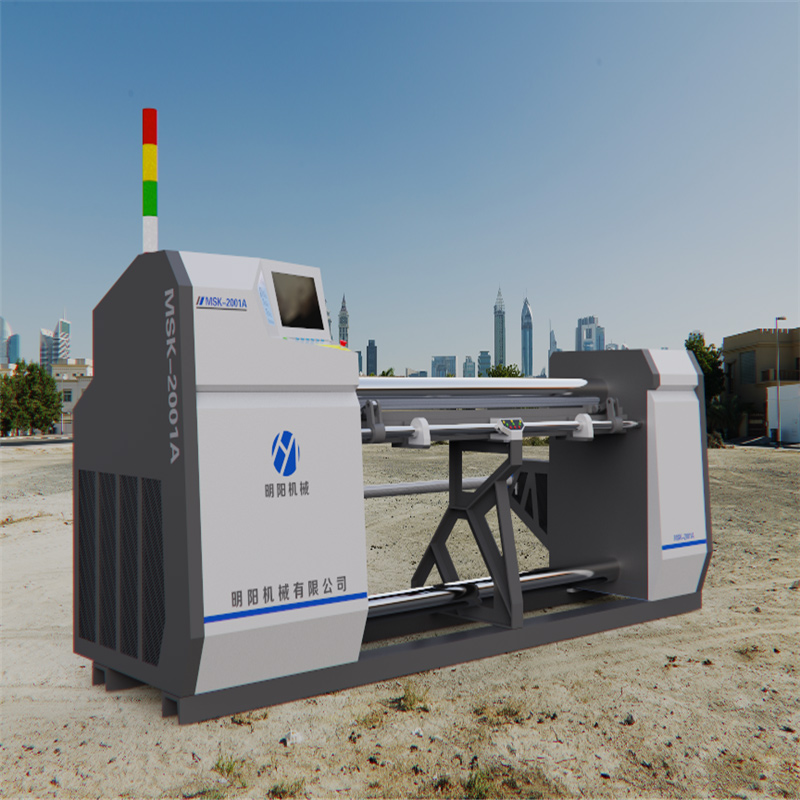
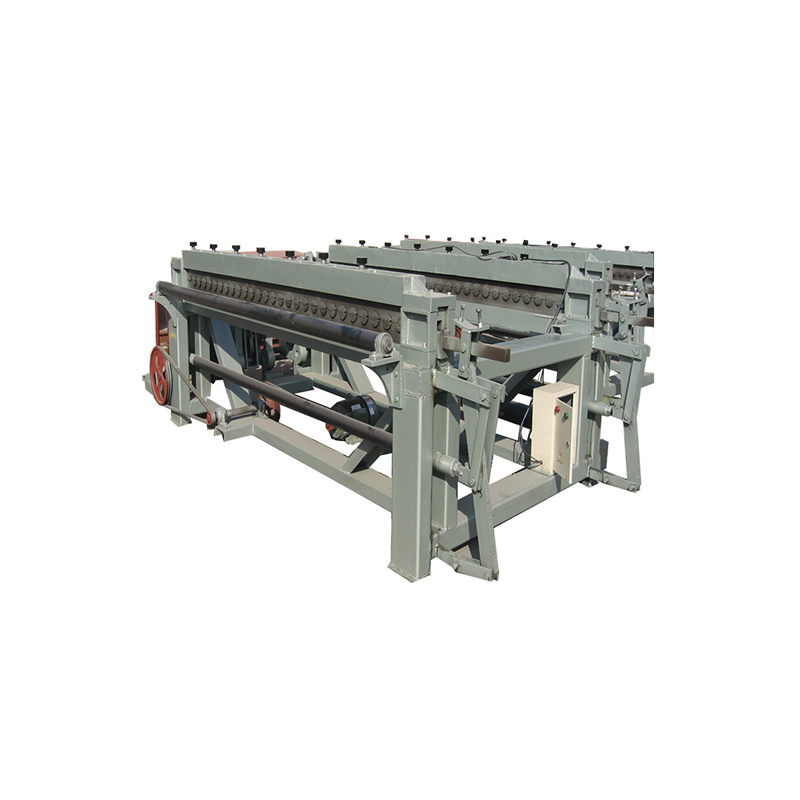
So, what exactly is a vertical wire drawing machine? At its core, it’s a piece of equipment designed to reduce the diameter of metal wire by pulling it through a succession of dies positioned vertically. This vertical setup harnesses gravity and compact space design for improved efficiency, unlike the more sprawling horizontal units.
Think simplicity but with industrial muscle: a raw metal wire enters at the top, is drawn downward through incrementally smaller openings, and emerges as the fine wire needed for further industrial processing. It meets the modern industry’s need for precision, durability, and repeatability. On a humanitarian level, these machines enable local manufacturing of wires vital for infrastructure rebuilding after crises — making them more than just factory workhorses.
Key Features of a Vertical Wire Drawing Machine
1. Durability and Robust Design
Since wire drawing involves significant tensile forces, the machine’s components—like the die holders, capstans, and lubrication systems—need to withstand continuous stress without warping or failure. Manufacturers invest heavily in wear-resistant materials and engineering to keep downtime minimal.
2. Scalability and Modularity
One of the reasons these machines shine is their flexibility. Many models, including the latest from vertical wire drawing machine vendors, offer modular designs where additional dies or spools can be added as production needs grow or diversify. This adaptability is crucial for small to medium enterprises looking to scale without massive upfront investment.
3. Cost Efficiency Through Automation
Modern vertical wire drawing machines often incorporate automated tension control and digital monitoring systems, reducing manual errors and resource waste. Fewer wasted materials and longer tool life translate directly to a leaner bottom line.
4. Precision and Surface Quality
The incremental nature of vertical drawing enhances the uniformity of wire diameter. This precision is critical for applications requiring strict tolerances, such as aerospace wiring or medical instruments.
5. Environmental Considerations
Many manufacturers optimize lubrication systems to reduce environmental impact and recycle draw waste, aligning with growing global sustainability standards (see ISO 14001 for environmental management).
Mini Takeaway:
The vertical wire drawing machine packs a punch where it counts: endurance, flexibility, precision, and economy — all factors that make it indispensable for industries aiming to stay agile and green.
How and Where Are Vertical Wire Drawing Machines Used Globally?
The applications are strikingly broad. In East Asia’s manufacturing hubs, high-speed vertical wire drawing machines churn out thin copper wires essential for smartphones and microelectronics. In Europe, automotive parts suppliers rely on these machines to deliver steel wires for springs and safety components. Meanwhile, in remote areas of Africa and South America, portable vertical wire drawing setups enable local production of fencing wire, critical for livestock and agricultural protection.
Take the example of post-disaster relief: after hurricanes or earthquakes, rebuilding efforts require rapid deployment of secure wiring and fencing materials. Local vertical wire drawing machines can notoriously reduce lead times, cut import dependencies, and provide employment. It’s a blend of industrial and humanitarian tech at work.
Advantages and Lasting Value of Vertical Wire Drawing Machines
- Cost Savings: Less raw material waste and automated operations slash overall production costs.
- Sustainability: Recyclable lubricants and energy-efficient motors help companies meet environmental goals.
- Reliability: Robust designs minimize breakdowns, ensuring continuous output even in challenging environments.
- Social Impact: Jobs created in manufacturing hubs and rebuilding projects enhance community sustainability.
- Innovation Edge: Incorporating digital monitoring aligns with Industry 4.0 transformation trends.
Emerging Trends and Innovations
It’s fascinating — the field is evolving toward smarter machines that self-adjust drawing tension and feed rates with AI-driven sensors to maximize wire quality in real time. Some manufacturers are experimenting with eco-friendly, biodegradable lubricants to replace traditional oils, which often pose disposal challenges. In parallel, there’s growing integration of renewable energy sources powering these machines, reducing the carbon footprint of wire production.
Another trend: miniaturization of the vertical wire drawing machines themselves, aiming to serve smaller workshops or mobile production lines. This democratizes access, particularly in developing regions.
Challenges and How the Industry Is Tackling Them
Of course, no tech is perfect. Key challenges include:
- Equipment Cost: High upfront capital for top-tier vertical drawing machines can deter small companies.
- Maintenance: Precision parts require skilled technicians for upkeep.
- Material Limitations: Hard-to-draw alloys can stress dies and limit throughput.
But many vendors now offer leasing options and mobile service units, making maintenance and deployment easier than ever. Additionally, advances in die materials (ceramics, diamond coatings) are extending machine lifespans even with challenging metals.
FAQ: Your Practical Questions About Vertical Wire Drawing Machines
- Q: How does a vertical wire drawing machine differ from a horizontal one?
- A: The vertical design saves floor space and uses gravity to assist drawing, often allowing for more compact setups with similar or better precision. Horizontal machines can take up more room and sometimes handle larger diameter wires better.
- Q: What metals can be processed using these machines?
- A: Common metals include copper, steel, aluminum, and brass. Some advanced machines can also handle specialty alloys, but die wear and machine settings must be carefully managed.
- Q: Is automation standard in modern vertical wire drawing machines?
- A: Increasingly yes. Most contemporary machines feature automated tension control, real-time diameter monitoring, and automatic lubrication systems to enhance efficiency and reduce errors.
- Q: Can small enterprises afford these machines?
- A: While initial costs may seem high, modular designs and leasing plans help small businesses invest with less risk. Plus, efficiency gains often translate to quick returns.
- Q: Where can I find reliable vertical wire drawing machines?
- A: Established manufacturers and vendors with proven track records can be found through industry networks. For example, vertical wire drawing machine specialists often provide consulting and customized solutions.
Practical Product Specifications: A Typical Vertical Wire Drawing Machine
| Specification |
Details |
| Drawing Capacity | 0.1 mm to 8 mm diameter wire |
| Number of Dies | 4 to 12 stages |
| Motor Power | 3 kW to 15 kW |
| Automation Features | Tension control, digital diameter monitor |
| Lubrication System | Closed-loop, recyclable oil |
| Machine Footprint | Approx. 2m x 1.5m |
Vendor Comparison: Picking the Right Vertical Wire Drawing Machine
| Feature |
Vendor A |
Vendor B |
Vendor C |
| Price | $$$ | $$ | $$$ |
| Automation | Full | Partial | Full |
| Warranty (yrs) | 3 | 2 | 5 |
| After-sales Service | Global coverage | Regional only | Global |
| Customization | Extensive | Limited | Moderate |
Wrapping It Up: Why Vertical Wire Drawing Machines Are Worth Your Attention
In the grand scheme, vertical wire drawing machines are a small but powerful engine behind our modern world — quietly enabling everything from the wires holding our communications to the fences protecting farmland. They stand as a testament to engineering’s balance of precision, efficiency, and sustainability. For enterprises lucky enough to integrate them, the payoff is not just economic but a tangible contribution to societal infrastructure and innovation.
If you’re intrigued and want to explore how a vertical wire drawing machine could elevate your production line or support your local projects, take a closer look at today’s models — the future might be vertical after all.
References & Further Reading:
- Wire Drawing - Wikipedia
- ISO Technical Committee for Wire and Wire Products
- UNCTAD - Manufacturing and Industrialization