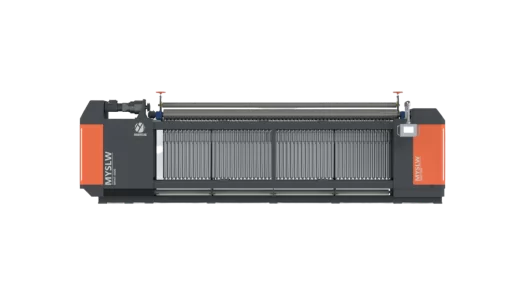
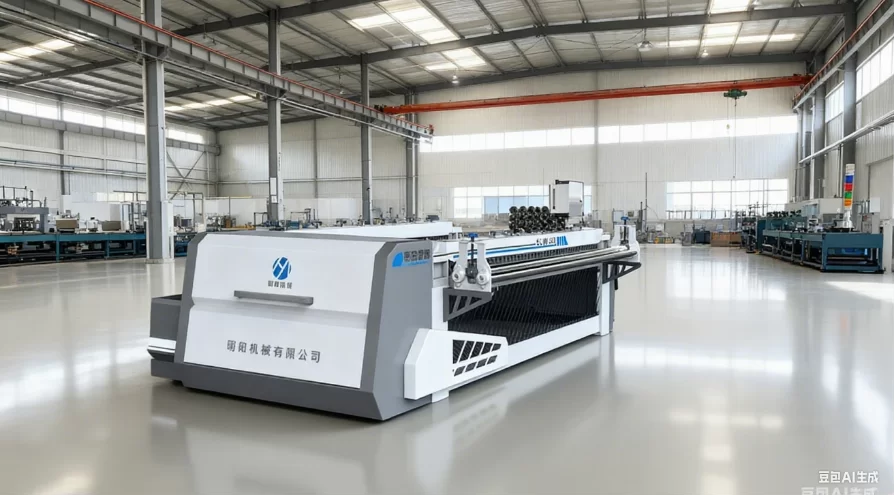
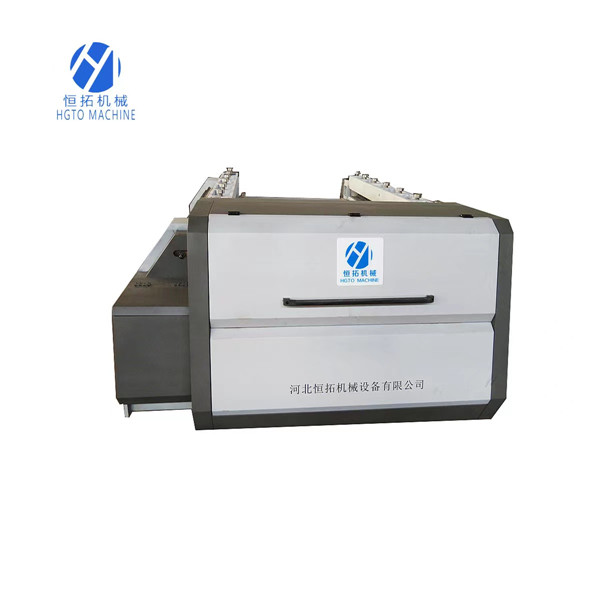
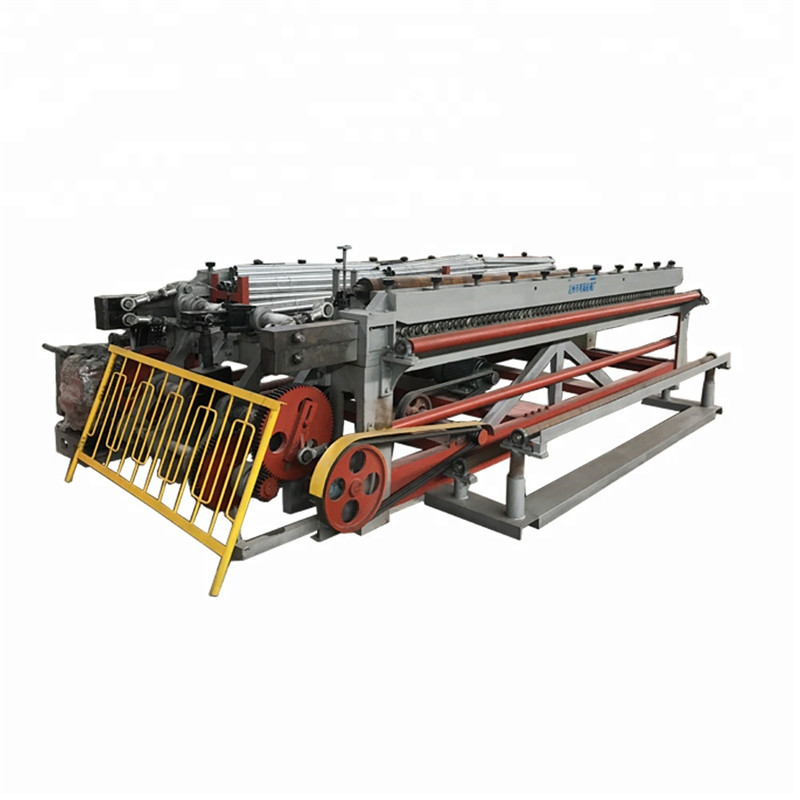
Understanding Wire Drawing Machines: Why They Matter Globally
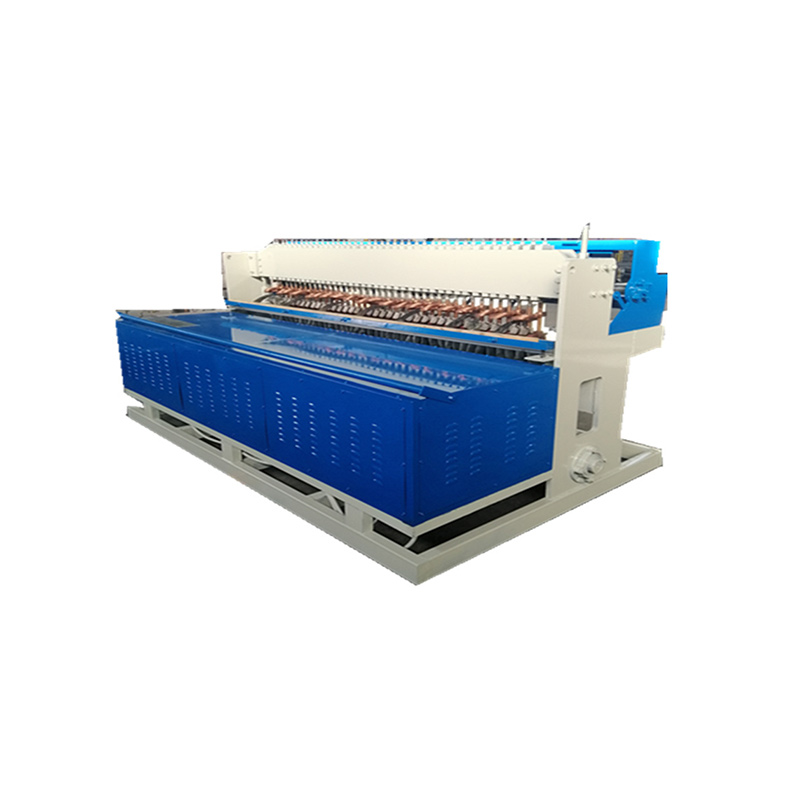
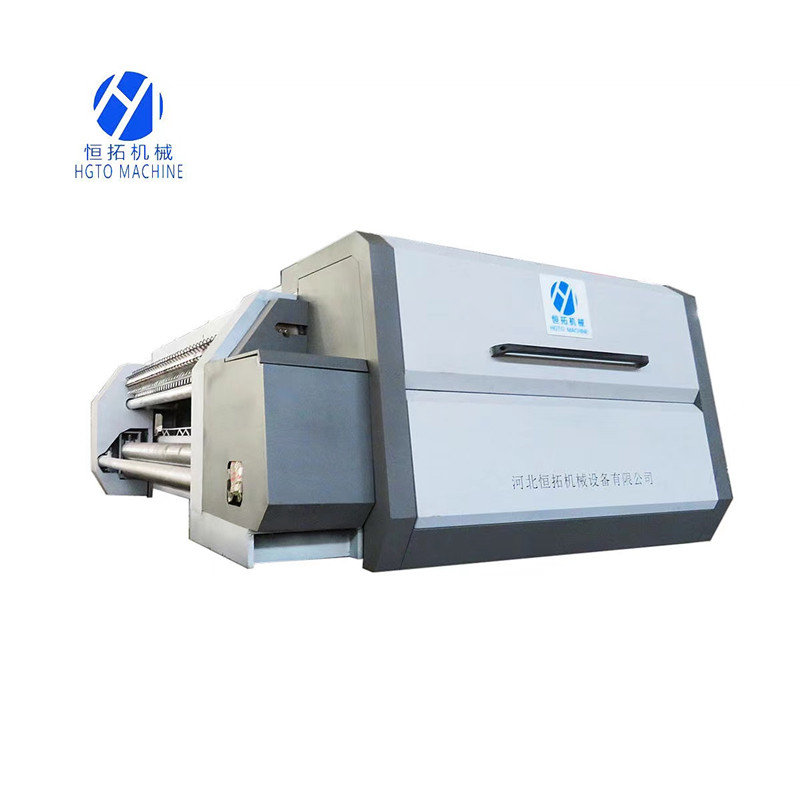
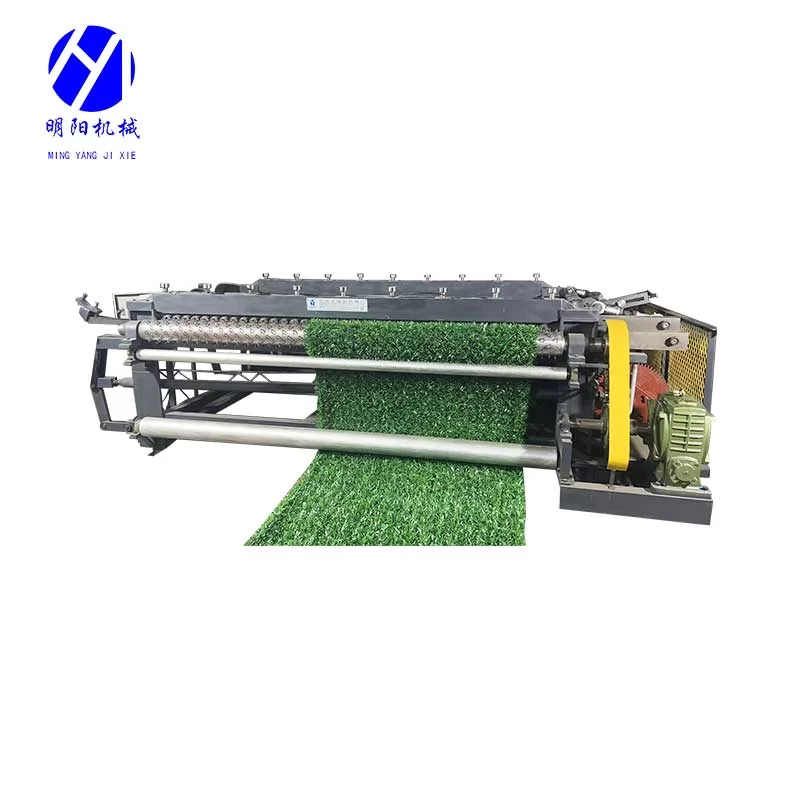
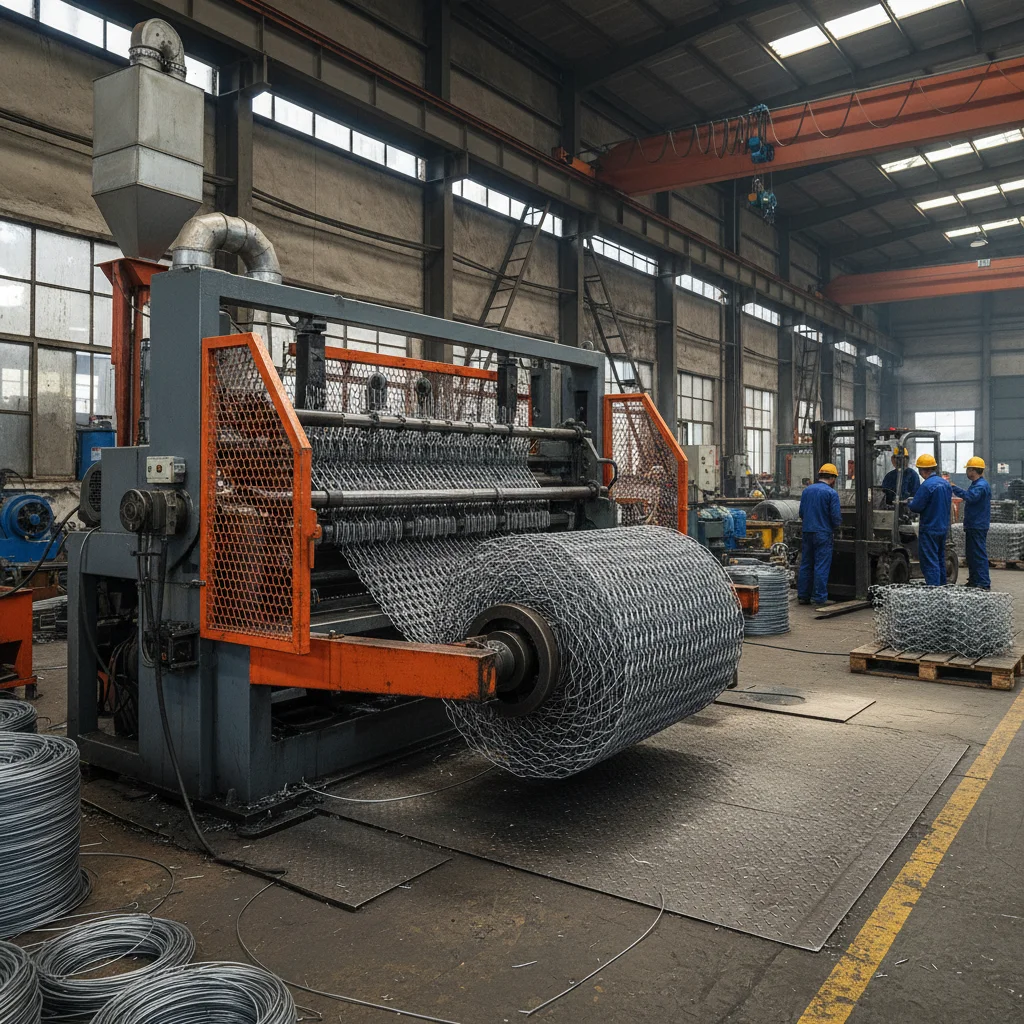
If you've ever wondered how thin wires for everything from electrical cables to jewelry are made, the wire drawing machine is right at the heart of that magic. These machines pull thicker metal rods through progressively smaller dies, thinning and elongating the wire with precision. While it sounds niche, wire drawing technology is crucial worldwide — powering industries, enhancing infrastructure, and enabling technologies that most of us take for granted daily.
Globally, the demand for high-quality wire has skyrocketed. For instance, the global wire and cable market is projected to reach tens of billions of dollars by the mid-2020s according to industry forecasts, fueled mainly by electrical infrastructure and telecommunications growth in emerging economies. The wisdom here is simple: understanding wire drawing machines means grasping a vital part of modern manufacturing and supply chains. Whether you're a manufacturer, engineer, or just curious, this machinery’s impact is broader than you might expect.
Mini takeaway: Wire drawing machines are not just industrial workhorses but essential cogs in the modern global economy, underpinning advances in tech and infrastructure alike.
The Global Context: Why Wire Drawing Machines Are Critical Today
Look around — cables run modern cities, our gadgets rely on tiny copper wires, and new construction demands stronger yet thinner metal components. The United Nations has emphasized infrastructure development and sustainable industry growth as part of the Sustainable Development Goals (SDGs), and wire drawing machines contribute quietly but powerfully in these areas.
According to ISO’s technical reports, the quality and consistency of wire products greatly affect efficiency and safety in power distribution networks worldwide. Still, the challenge has always been balancing durability, flexibility, and cost. In many emerging markets, outdated wire drawing equipment hinders productivity and safety, causing delays and increased waste.
Thus, modern wire drawing machines are not just tools—they are solutions to global manufacturing inefficiencies and safety challenges.
So, What Exactly Is a Wire Drawing Machine?
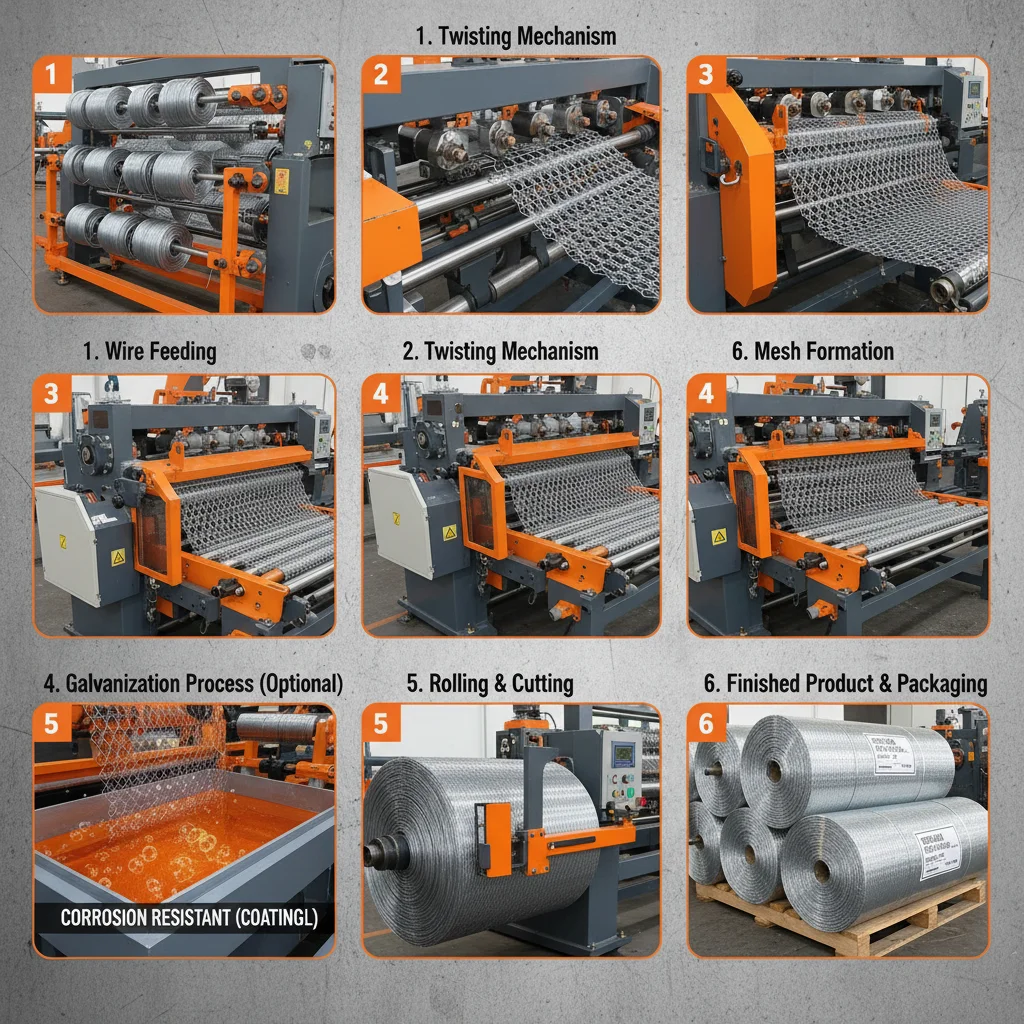
In straightforward terms: it’s a device that pulls metal through a series of dies (small holes) to reduce its diameter while increasing its length. Think of it as taking a thick thread of metal and stretching it into a thinner, longer wire without breaking. Typically, these machines handle copper, aluminum, steel, and other metals.
This process is vital for industries ranging from electrical wiring, automotive parts, to even medical devices. Without these machines, producing consistent, high-quality wire would be painfully slow and unreliable.
How Wire Drawing Ties Into Modern Needs
One neat connection is the push for humanitarian infrastructure—think temporary power lines in disaster zones or durable wiring for new housing projects in underserved regions. Quality wire drawing machines enable faster production, which in turn helps communities rebuild sooner or gain faster access to technology.
Core Aspects of Wire Drawing Machines That Make All the Difference
1. Durability and Build Quality
Machines endure constant stress pulling tough metal. A sturdy frame, quality bearings, and corrosion-resistant parts mean fewer breakdowns and longer life. This reduces downtime and unexpected repair costs — a big deal for manufacturers.
2. Scalability and Flexibility
The ability to adjust wire diameters or switch metals quickly boosts productivity. Many wire drawing machines support multiple dies, which is essential for manufacturers dealing with varying client needs.
3. Precision and Consistency
This is what sets the good machines apart. Precise control over pulling speed, tension, and temperature ensures wires meet exact diameter tolerances. It’s like crafting with a surgeon’s steady hands rather than a hammer.
4. Energy Efficiency and Cost Management
Energy costs can skyrocket in wire manufacturing plants. Modern machines incorporate energy-saving motors and automation to trim expenses. In this sector, every watt saved is a few extra pennies sticking around.
5. Safety Features
Wire drawing involves high tension and heat, so safety interlocks and emergency stops are a must. Many models now include real-time monitoring for overload and equipment faults, protecting operators instantly.
6. Digital Control and Automation
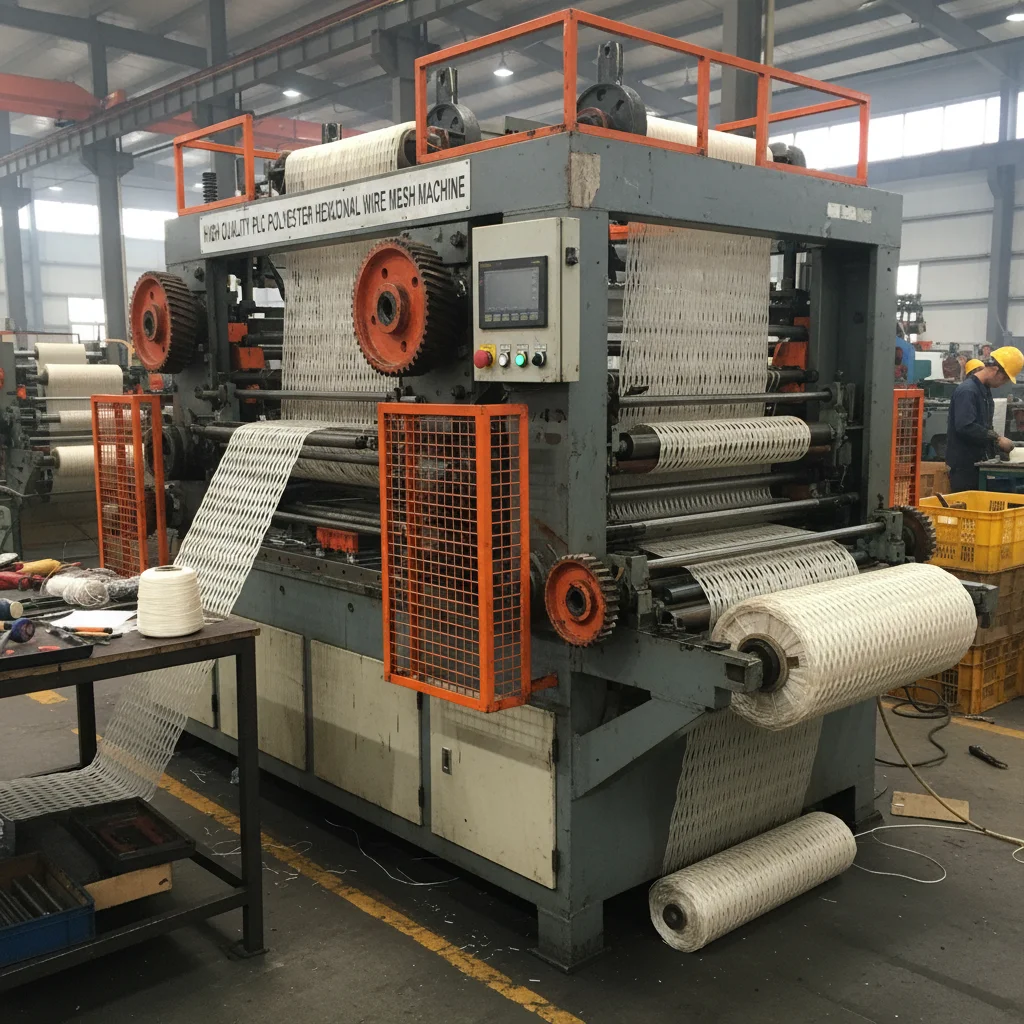
More advanced wire drawing machines feature PLCs (Programmable Logic Controllers) and interface with factory management software, making scheduling and quality checks smoother. This is part of the Industry 4.0 revolution creeping into traditional industries.
Mini takeaway: Investing in durability, precision, and smart tech pays off not just in quality but also long-term operational savings.
Global Applications: Where Wire Drawing Machines Make Their Mark
From manufacturing hubs in Germany and South Korea to factories in China and India, wire drawing machines are heavyweights in the supply chain. For instance:
- Electrical Industry: Producing ultra-fine copper wires for circuit boards and power cables.
- Automotive Sector: Steel wire for tire reinforcement and suspension springs.
- Telecommunications: Fiber optic cable sheathing requiring precise aluminum coating wires.
- Medical Devices: Surgical wires and stents that demand impeccable consistency.
- Disaster Relief: In regions recovering from natural calamities, quickly manufacturing wire for rebuilding infrastructure can be a literal lifeline.
Oddly enough, I've encountered stories where small-town factories specializing in wire drawing supply critical parts to industries worldwide, showing how localized expertise supports global demand.
The Long-Term Value: Advantages That Keep Wire Drawing on Top
Beyond the obvious, such as cost-saving and production speed, technology in wire drawing machines delivers sustainability by reducing scrap metal and energy use. Socially, reliable wires increase infrastructure safety, from preventing electrical fires to supporting critical communications in emergencies.
Logically, investing in modern machines builds trust with clients who require stringent quality. Emotionally, there’s a quiet pride in producing all those little wires that power someone’s phone or keep a city lit.
Looking Ahead: Future Trends in Wire Drawing Machines
Automation isn’t just a buzzword anymore. Integration with AI to anticipate wear and predict maintenance needs is in trial phases. New materials—like copper alloys designed for better conductivity—require adapted technologies.
Green energy is another angle. As renewable energy projects grow, so does demand for specialized wires. Wire drawing machines will need to keep pace, becoming more energy-efficient themselves, using sustainable lubricants, and reducing emissions.
The Challenges & Creative Solutions
Despite advancements, challenges remain: rapid tool wear, complex alloy wires, and high capital costs for new machines. Experts suggest modular designs and flexible production lines as fixes, alongside leasing and financing plans that make upgrades accessible.
Industry groups continuously share best practices globally — fostering a community where solutions travel as fast as wires themselves.
FAQ: Troubleshooting Wire Drawing Machines
- Q: How do I choose the right wire drawing machine for my production scale?
- A: Consider your wire diameter range, metal type, production volume, and desired automation levels. Many manufacturers offer modular machines that grow with your business.
- Q: What maintenance routines keep wire drawing machines running smoothly?
- Regular lubrication, die replacement, and tension calibration are key. Some operators use predictive maintenance software to catch issues early.
- Q: Can wire drawing machines handle new, specialized alloys?
- Yes, but it depends on the machine’s draw force capacity and die materials. Consult vendors about compatibility before purchase.
- Q: What safety precautions should I implement?
- Install emergency stops, ensure operator training, and use real-time sensors for tension and temperature to prevent accidents.
- Q: Are there eco-friendly wire drawing machines?
- Yes. Machines designed with energy-efficient motors, waste-capturing lubricants, and automation to reduce scrap align well with green manufacturing initiatives.
Product Specification Table: Typical Wire Drawing Machine Model
| Specification |
Details |
| Wire Diameter Range |
0.1 mm to 10 mm |
| Material Compatibility |
Copper, Aluminum, Steel, Alloys |
| Maximum Drawing Speed |
150 m/min |
| Drive Type |
Energy-efficient Variable Frequency Motor |
| Control System |
PLC with Touchscreen Interface |
| Safety Features |
Emergency Stop, Overload Sensor, Auto-lubrication |
Vendor Comparison: Popular Wire Drawing Machine Brands
| Brand |
Price Range |
Automation Level |
Global Support |
Lead Time |
| HTM Wire Tech |
$$$ |
High (Semi-automated with PLC) |
24/7 Worldwide |
4-6 weeks |
| Global WireWorks |
$$ |
Medium (Manual setup, digital monitoring) |
Regional Centers |
6-8 weeks |
| TechDraw Systems |
$$$ |
High (Full automation available) |
Global |
8-10 weeks |
| WireMaster Pro |
$ |
Low (Manual operation) |
Limited |
2-4 weeks |
Final Thoughts: Why Investing in a Wire Drawing Machine Pays Off
In real terms, a wire drawing machine is more than a piece of equipment — it’s an investment into efficiency, quality, and future-readiness. As global industries push toward smarter, greener manufacturing, these machines are quietly evolving alongside, often equipped with the latest tech while crafting something as humble yet vital as wire.
If you are looking for reliable, efficient wire drawing machines that blend innovation and practicality, don’t hesitate to explore wire drawing machine models and get a sense of how they can transform your operations.
Until next time, keep drawing those wires — literally and figuratively.
References
- Wire Drawing Process - Wikipedia
- SDG 9: Industry, Innovation and Infrastructure - United Nations
- ISO Standards for Electrical Wires and Cables