Advanced Security Fencing Solutions with gabion machine for Yemen Infrastructure

Providing high-efficiency wire mesh and security fence production equipment tailored for the demanding industrial landscape of Yemen.

Advanced Security Fencing Solutions with gabion machine for Yemen Infrastructure

Integrating precision engineering with local market needs to deliver the most robust wire processing machinery for Yemen's border, agricultural, and civil engineering sectors.

Current State of Wire Mesh Manufacturing in Yemen

Analyzing the intersection of security needs and industrial capacity in the region.

Yemen's manufacturing sector currently faces a unique duality where there is an urgent demand for security barriers and erosion control, yet a shortage of high-automation equipment. The reliance on imported finished wire products has led to high costs, creating a significant opportunity for local production using an automatic welded wire mesh machine to reduce dependency on foreign supply chains.

The geographical terrain of Yemen, characterized by rugged mountains and coastal plains, necessitates specialized fencing. From the highlands to the shores, there is a critical need for the output of a grassland field fence machine to support livestock management and land demarcation in rural agricultural zones.

Furthermore, the security climate has prioritized the deployment of high-deterrence barriers. The local market is seeing a shift toward the integration of razor barbed wire machine technology, moving away from manual twisting methods toward automated, high-tension systems that ensure consistency and longevity in harsh arid environments.
Evolution and Technical Trajectory of Wire Production

From manual craftsmanship to automated industrial precision.

Market Development History

In the early 2000s, wire production in Yemen was primarily artisanal, relying on basic manual bending and weaving. The focus was on simple boundary markers and rudimentary agricultural fencing, with very low production speeds and inconsistent quality.

Between 2010 and 2020, the industry transitioned toward semi-automation. The introduction of basic mechanical presses allowed for the initial adoption of prop barbed wire production, increasing the volume of security fencing available for government and private sectors.

Entering the current decade, the trajectory has shifted toward full CNC automation. Modern factories are now implementing integrated systems where a gabion machine can be programmed for various mesh sizes, enabling rapid response to civil engineering projects and flood prevention needs.

Future Development Trends

Integration of Smart Control Systems

The next 3 years will see the adoption of PLC-driven interfaces that allow Yemeni operators to minimize waste and maximize wire utilization through real-time monitoring.

Anti-Corrosion Material Optimization

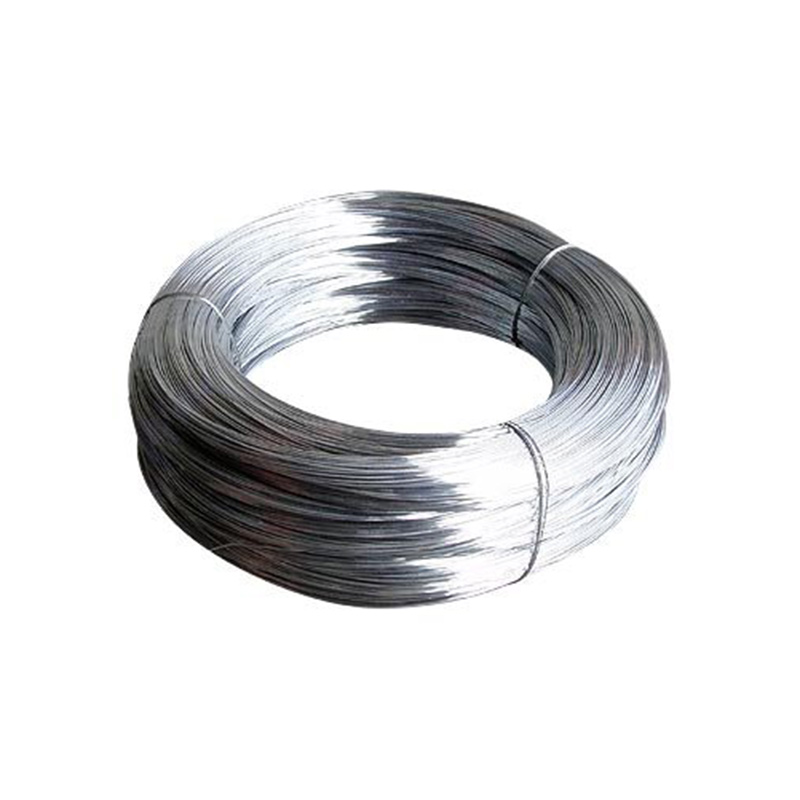
Due to the high salinity in Yemen's coastal regions, there is a growing trend toward machines capable of handling heavy-gauge galvanized and PVC-coated wires.

Modular Production Scaling

Future investment will focus on modular lines that can quickly switch between producing security razor wire and agricultural fencing based on seasonal demand.

Industry Outlook and Future Projections

Strategic foresight for the wire mesh machinery market in Yemen.

Automation Surge
Rapid transition from manual to fully automated welded systems to increase output per man-hour.
Infrastructure Demand
Increasing need for gabions in landslide prevention and road stabilization projects across Yemen.
Agricultural Modernization
Shift toward durable, machine-made field fencing to protect livestock from predators and theft.
Sustainable Production
Focus on energy-efficient machinery to lower the operational cost of electricity in Yemen.

Industry Outlook

Based on Google search trend logic for "industrial machinery in Middle East," we anticipate a sharp rise in the demand for local fabrication. Yemen is moving away from importing bulky finished mesh and toward importing the means of production.

The synergy between security infrastructure and agricultural recovery will drive the adoption of multi-functional machines that can handle various gauges of wire, ensuring that local manufacturers remain competitive and agile.

Localized Application Scenarios in Yemen

Real-world deployment of wire mesh machinery for regional challenges.

1. Border Security and Military Installations

Deploying high-speed razor barbed wire machine systems to produce high-tensile concertina coils for critical infrastructure protection and border demarcation.

2. Coastal Erosion and Flood Defense

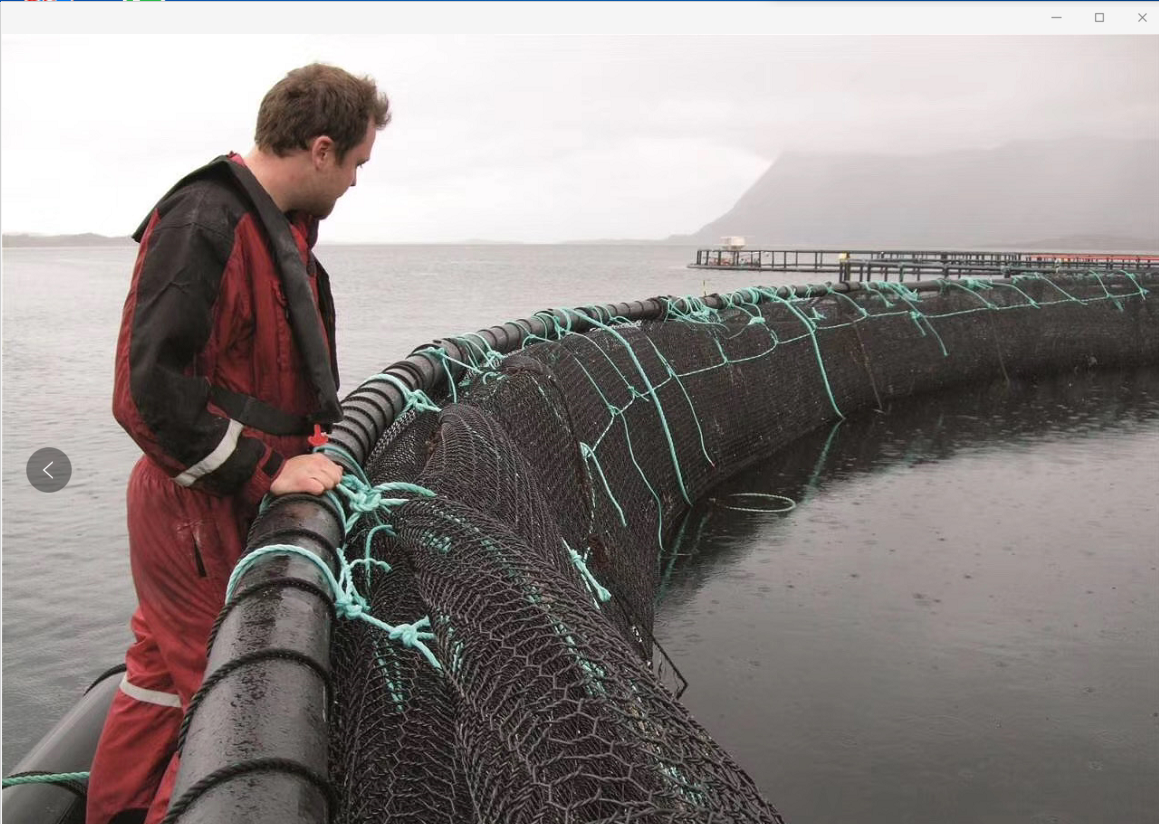
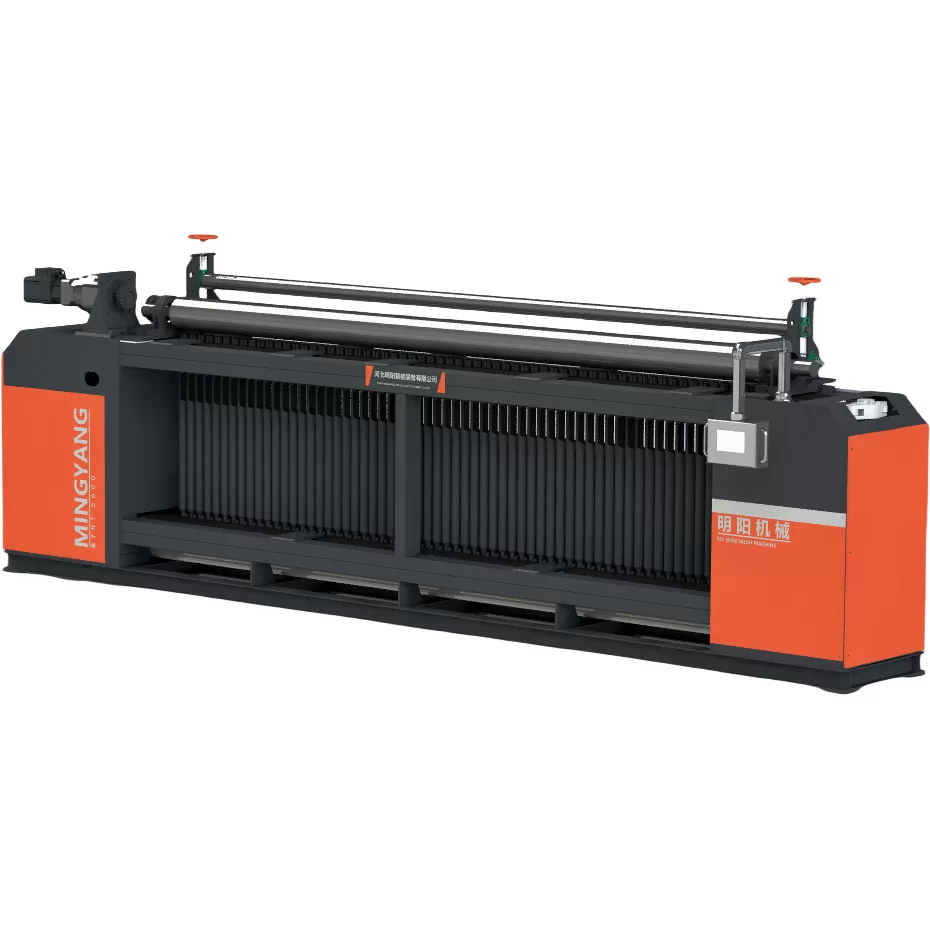
Utilizing the gabion machine to create heavy-duty rock cages for stabilizing riverbanks and preventing coastal erosion in Aden and Al Hudaydah.

3. Livestock and Pasture Management

Implementation of grassland field fence machine units to produce durable fencing for sheep and goat herding in the central highlands.

4. Industrial Warehouse and Perimeter Fencing

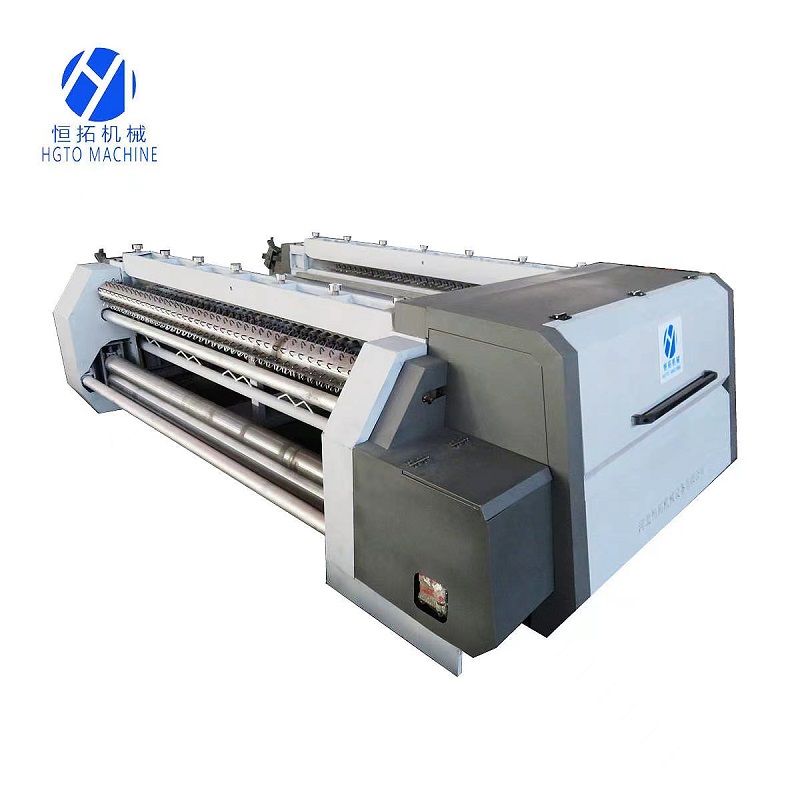
Using automatic welded wire mesh machine technology to manufacture rigid panels for industrial zones and commercial warehouses.

5. Rural Land Demarcation

Applying prop barbed wire production lines to create cost-effective and easy-to-install boundary markers for small-scale agricultural plots.

Brand Story

Global Development Journey of Hebei Mingyang Intelligent Equipment Co., Ltd.

Technical Foundation

Founded with a vision to revolutionize wire processing, we started by solving the core issue of tension inconsistency in barbed wire production.

Automation Breakthrough

We pioneered the integration of PLC controls into welded mesh machinery, reducing labor costs by 60% for our global clients.

Global Market Expansion

Expanding into the Middle East and Asia, we adapted our machinery to withstand extreme temperatures and dusty environments.

Industry Standardization

Our machines now serve as the benchmark for precision and durability in the specialized equipment manufacturing sector.

Future-Ready Innovation

We are committed to sustainable manufacturing, developing energy-efficient systems that empower local industries in developing nations.

Frequently Asked Questions for Yemen Operators

Technical and commercial guidance for importing wire machinery.

Which razor barbed wire machine is best for high-salinity coastal areas in Yemen?

We recommend machines equipped with specialized guides that handle hot-dipped galvanized wire, ensuring the final product has a thick protective layer against sea salt corrosion.

Can an automatic welded wire mesh machine be operated with unstable power grids?

Yes, our machines are designed to work with external voltage stabilizers and include protective circuitry to prevent PLC damage during power surges common in industrial zones.

What is the typical production capacity of a gabion machine for civil engineering?

Our standard gabion units can produce several hundred square meters of mesh per day, depending on the wire gauge and mesh size selected.

How do I maintain a grassland field fence machine in dusty environments?

We provide sealed bearing systems and a comprehensive lubrication schedule specifically designed to keep sand and dust from interfering with mechanical movements.

What is the difference between prop barbed wire and standard security wire?

Prop barbed wire is typically designed for structural support and boundary demarcation, whereas razor wire is focused on high-deterrence anti-climb security.

Do you provide technical training for local Yemeni staff on automatic mesh machines?

Yes, we provide comprehensive installation guides, video tutorials, and remote technical support to ensure your team can operate and maintain the equipment efficiently.

Start Your Production Journey Today

Partner with the leading experts in wire machinery to build a sustainable manufacturing business in Yemen.

               Contact Us Now                    

If you are interested in our products, you can choose to leave your information here, and we will be in touch with you shortly.

  • captcha