Hit enter to search or ESC to close
Selecting the right weaving equipment is critical for producers aiming to maintain high tension and precise geometry in small-aperture netting. For operations focusing on pipeline insulation, floral decoration, or livestock breeding, the technical challenge lies in achieving a consistent hexagonal twist without compromising the integrity of the galvanized or coated wire. Industrial efficiency in this sector is no longer just about raw speed, but about reducing labor dependency through intelligent control systems and optimized mechanical structures.
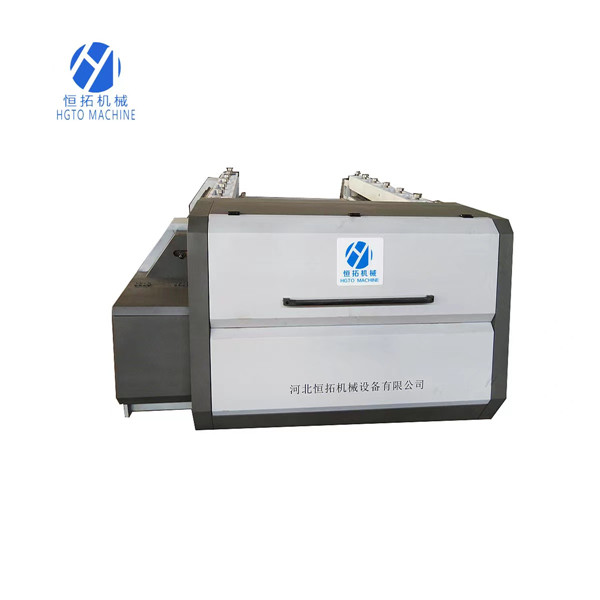
Hebei Mingyang Intelligent Equipment Co., Ltd. addresses these needs by integrating PLC-driven automation with a horizontal stability design. This approach minimizes vibration and energy consumption while allowing a small team to manage high-volume output. By supporting both galvanized iron and plastic-coated wires, the equipment provides the versatility required to pivot between diverse market demands, from heavy-duty fencing to delicate wedding flower arrangements.

The core value of modern wire weaving lies in the stability of the twist. A positive twisted mechanism ensures that the mesh maintains its structural shape even under external pressure, which is essential for applications like pipeline insulation. By employing a horizontal machine structure, the equipment reduces centrifugal oscillation, resulting in a smoother run and significantly lower wear and tear on critical components.
Furthermore, the integration of PLC (Programmable Logic Controller) systems has transformed the operational workflow. Instead of manual adjustments that are prone to human error, the system allows for precise control over mesh width and wire tension. This automation ensures that the minimum mesh size of 10mm is achieved with strict consistency across the entire production roll, reducing waste and improving the overall yield of the raw material.

In the current manufacturing landscape, labor costs often outweigh raw material expenses. The redesign of the hexagonal wire mesh machine focuses heavily on the "two-person operation" model. By optimizing the feeding and winding process, a single shift can manage multiple units with minimal supervision, directly impacting the bottom line through reduced payroll requirements.
Beyond labor, energy efficiency has become a primary procurement criterion. The new design reduces the overall physical volume and footprint of the machinery, which not only saves factory space but also lowers the electricity consumption per meter of woven mesh. This reduction in overhead allows producers to remain competitive in tight-margin markets such as agricultural fencing and basic breeding enclosures.
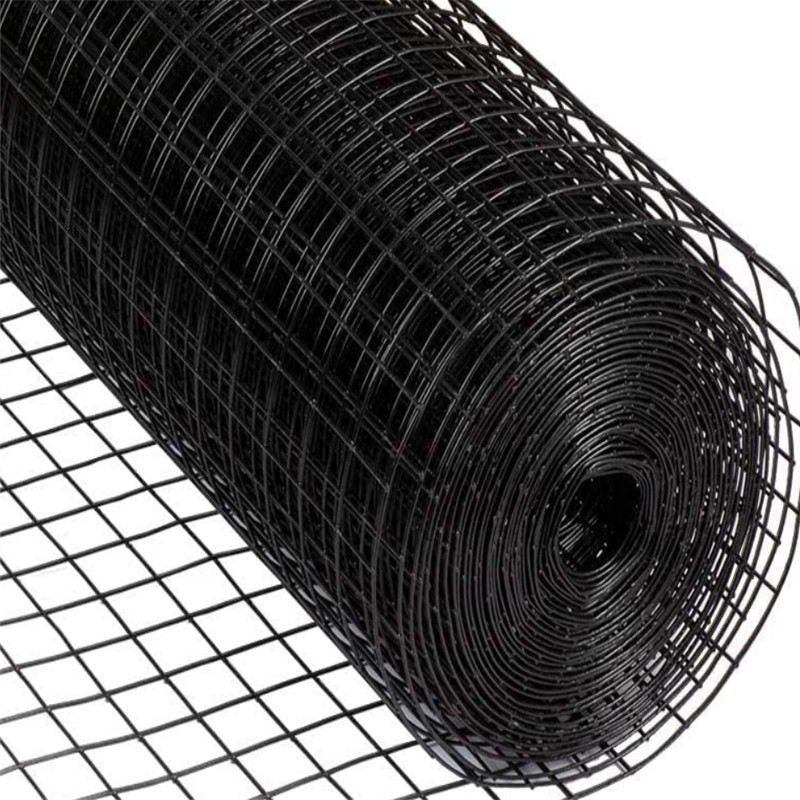
The utility of small hexagonal mesh extends far beyond simple fencing. In the industrial sector, it is widely used for pipeline insulation, where the mesh acts as a supportive layer for thermal materials. In the agricultural sector, its flexibility and strength make it ideal for breeding cages and poultry enclosures, providing a secure yet breathable barrier.
Interestingly, there is a growing demand in the creative and event industries. The precise, aesthetic nature of the mesh makes it a preferred choice for floral decoration and wedding flower arrangements. The ability to weave coated wires allows for a variety of colors and finishes, transforming a technical industrial product into a decorative element without sacrificing the structural integrity of the twist.
| Mesh Size (mm) | Wire Diameter (mm) | Mesh Width (mm) | Motor Power (KW) |
|---|---|---|---|
| 10-12 | 0.38 - 0.5 | 1200 / 2300 | 3 / 5 |
| 15-20 | 0.38 - 0.8 | 1200 / 2300 | 5 / 10 |
| 25-33 | 0.38 - 1.2 | 1200 / 2300 | 10 - 15 |
| 40-55 | 0.4 - 1.5 | 1200 / 2300 | 18 - 22 |
| Customized | Application Dependent | Customized | Varies by Model |
When sourcing weaving equipment, buyers should look beyond the initial price tag and evaluate the manufacturer's R&D lineage. Hebei Mingyang's history, evolving from a specialized parts factory in the 1980s to an intelligent equipment provider, demonstrates a deep understanding of the mechanical stresses involved in wire twisting. This legacy ensures that the machines are built to handle the harsh environments typical of metallurgical and mining equipment production.
Quality assurance in this field is measured by the stability of the output. A machine that can maintain a consistent mesh size over a 24-hour production cycle without drifting is far more valuable than one with a higher peak speed. Buyers should prioritize suppliers who provide integrated solutions, including spring winding and spool winding machines, to ensure a seamless end-to-end production flow.
The trajectory of the industry is moving toward "Intelligent Weaving," where sensors can detect wire breaks in real-time and automatically pause production to prevent material waste. We are seeing a shift toward more sustainable materials, with an increase in the use of high-strength polyester and recycled coated wires. Equipment must therefore be adaptable to different friction coefficients and tensile strengths.
Furthermore, the trend toward customization is accelerating. Markets now demand specific mesh geometries for niche applications, such as specialized root baskets for forestry. The ability to quickly swap configurations and customize mesh width will be the primary differentiator for manufacturers who wish to capture high-value, low-volume specialty markets.
A positive twist is designed to lock the wires in place, preventing the mesh from unraveling or distorting when tension is applied. This is critical for structural applications like pipeline insulation and fencing, whereas negative twists may be used for specific decorative applications where flexibility is prioritized over stability.
Yes, the machine is engineered to process both galvanized iron and coated wires. The weaving mechanisms are designed to minimize friction and avoid abrasive contact that could strip the plastic coating, ensuring a clean and professional finish for products used in breeding or floral arrangements.
Due to the PLC automation and optimized horizontal structure, the equipment is designed to be operated by just two people. This significantly reduces long-term labor costs compared to traditional manual weaving machines.
The system can produce a minimum mesh size of 10mm, making it suitable for high-precision applications where small apertures are required for security or insulation purposes.
Yes, the manufacturer can produce customized types based on specific customer requirements, including adjustments to mesh width and compatibility with various wire diameters depending on the selected motor and frame configuration.
Motor power should be selected based on the wire diameter and the intended production speed. Heavier wires (up to 1.5mm) require higher kilowatt motors (up to 22KW) to maintain consistent tension and torque during the weaving process.
For producers seeking to optimize their weaving output, investing in PLC-controlled, horizontally stable equipment is the most effective way to reduce labor overhead and improve product consistency.