Hit enter to search or ESC to close
For industrial operators in the fencing and livestock sectors, achieving a precise, stable twist in wire netting is the difference between a durable product and a costly failure. The modern hexagonal wire mesh machine represents a leap in automation, moving away from labor-intensive manual twisting to high-efficiency PLC-controlled production. By integrating horizontal structural stability with adjustable mesh parameters, these systems allow manufacturers to produce everything from fine pipeline insulation netting to heavy-duty gabion structures.
Whether you are upgrading an existing production line or establishing a new facility, understanding the balance between wire diameter, twist speed, and mesh width is critical. This equipment not only reduces the physical footprint of the factory but significantly lowers long-term labor costs by allowing a two-person crew to manage high-output operations. In an era of rising material costs, maximizing the yield of galvanized or plastic-coated wire through precision engineering is no longer optional—it is a competitive necessity.

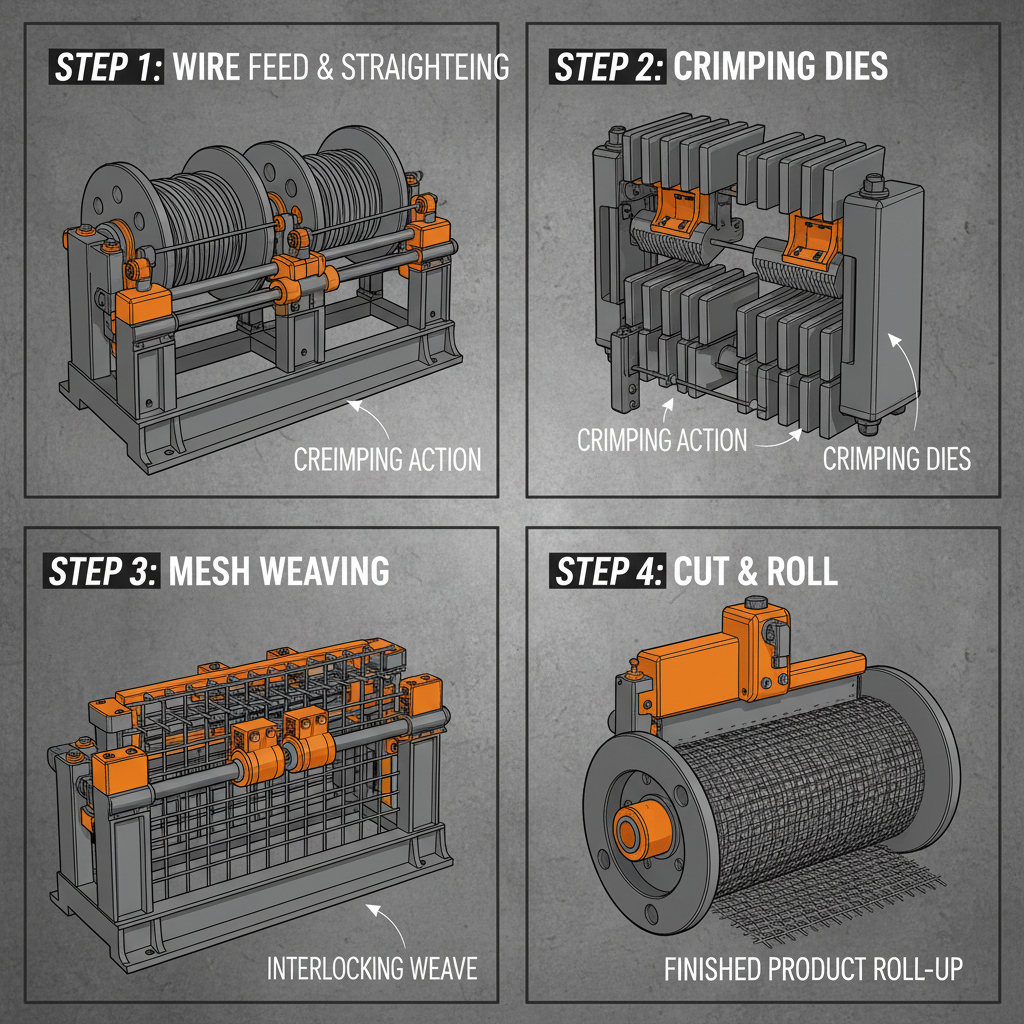
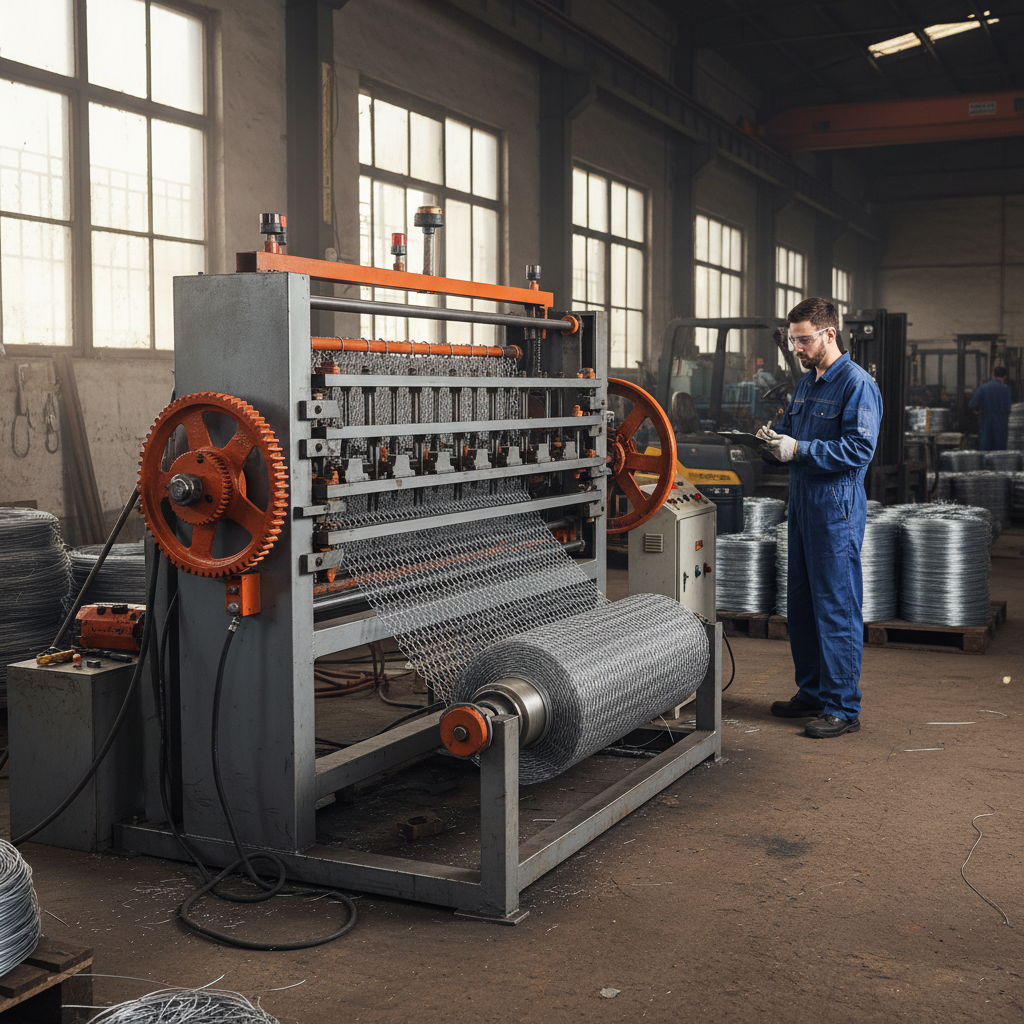
The core value of high-performance weaving equipment lies in its ability to maintain consistent tension and geometry across the entire width of the mesh. Traditional systems often struggled with edge deformation or inconsistent hole sizes. However, the new horizontal design adopted by Hebei Mingyang Intelligent Equipment ensures that the machine runs more smoothly, minimizing vibration and reducing the wear and tear on critical moving components.
A standout feature of this technology is the positive twist capability, which allows for a minimum mesh size as small as 10mm. This precision is essential for specialized applications such as wedding floral arrangements or high-density breeding cages where a tighter, more uniform structure is required. By utilizing a PLC (Programmable Logic Controller), operators can quickly switch between different specifications without extensive manual recalibration, ensuring that the transition from a 3/8" mesh to a 1" mesh is seamless and accurate.
Furthermore, the versatility of the materials it can process—ranging from standard galvanized iron wire to specialized PVC-coated wires—makes it an all-in-one solution for diverse market demands. The integration of sophisticated spring and spool winding machines ensures that the wire feed remains constant, preventing the snaps and tangles that frequently plague lower-end machinery.

In the competitive landscape of wire mesh manufacturing, operational expenditure (OPEX) is often the deciding factor in profitability. The shift toward PLC-operated systems has fundamentally changed the labor equation. Where previous generations of equipment required a large team to monitor and adjust the weave, these modern units can be efficiently operated by just two people. This reduction in manpower directly translates to lower overhead and higher margins per linear meter of mesh produced.
Energy efficiency has also seen a significant upgrade. By optimizing the motor power (ranging from 3KW to 27KW depending on the mesh size), the equipment minimizes electricity consumption without sacrificing output speed. The reduced physical volume of the machinery means that factories can increase their production capacity per square meter of floor space, allowing for better workflow organization and reduced material handling distances.
Beyond labor and power, the reduction in waste is a key commercial advantage. Precision twisting means fewer rejects due to improper mesh sizing or distorted hexagons. For manufacturers exporting to strict international markets, this consistency ensures that every roll of mesh meets the exact technical standards required by the end client, reducing the risk of costly returns or quality disputes.
The utility of a hexagonal wire mesh machine extends far beyond simple fencing. The structural integrity of the hexagonal weave makes it ideal for environments where flexibility and strength must coexist. In the construction sector, for example, these machines produce the foundation for gabion baskets used in erosion control and retaining walls, where the mesh must hold heavy stone loads without unraveling.
In the agricultural and breeding industries, the ability to customize the mesh size allows for the creation of tailored enclosures. Smaller mesh sizes are utilized for poultry breeding and small animal cages, while larger apertures are suited for tree root baskets and larger livestock barriers. The compatibility with coated wires ensures that these products can survive harsh, corrosive environments, such as saline coastal areas or chemical-heavy industrial sites.
Moreover, the "small hexagonal mesh" category has found a niche in aesthetic and specialized technical uses. From pipeline insulation wrapping to floral decoration and wedding arrangements, the precision of the weave provides a professional finish. This diversification allows equipment owners to pivot their production based on seasonal demand, moving from agricultural fencing in the spring to decorative or industrial insulation projects in the winter.
| Mesh Size (inch) | Mesh Width (mm) | Wire Diameter (mm) | Motor Power (KW) |
|---|---|---|---|
| 3/8" | 1200 / 2300 | 0.38 - 0.5 | 3 / 5 |
| 1/2" | 1200 / 2300 | 0.38 - 0.8 | 15 |
| 5/8" | 1200 / 2300 | 0.38 - 0.9 | 18 |
| 3/4" | 1200 / 2300 | 0.38 - 1.0 | 22 |
| 1" | 1200 / 2300 | 0.38 - 1.2 | 27 |
When evaluating a new investment in wire weaving technology, buyers must look beyond the initial purchase price and consider the Total Cost of Ownership (TCO). A critical consideration is the flexibility of the equipment. Can the machine handle both galvanized and plastic-coated wires? Is the PLC system intuitive enough for rapid changeovers? A machine that is locked into a single mesh size is a liability in a fluctuating market.
Quality control is another pillar of selection. Professional manufacturers, such as Hebei Mingyang, emphasize a "quality first" approach, ensuring that every unit undergoes rigorous testing before shipment. This is particularly important for overseas buyers who cannot easily visit the factory. The ability of a supplier to provide comprehensive after-sales service and a proven track record of customs clearance experience can save a buyer weeks of downtime and thousands of dollars in logistics errors.
Finally, consider the scalability of the production line. The addition of complementary equipment, such as specialized spool winding machines or galvanizing lines, can transform a simple weaving operation into a fully integrated manufacturing plant. Buyers should seek partners who provide a holistic equipment ecosystem rather than just a standalone machine, ensuring that the input (wire drawing) and output (mesh finishing) are perfectly synchronized.
The trajectory of the wire mesh industry is moving toward "Intelligent Manufacturing." We are seeing a transition from basic automation to smart systems that can self-diagnose tension issues and adjust parameters in real-time to prevent wire breakage. The integration of IoT sensors will soon allow plant managers to monitor production speeds and energy consumption remotely, further optimizing the efficiency of the weaving process.
Sustainability is also driving innovation. There is an increasing demand for machines that can process recycled wires or bio-degradable coated materials without compromising the structural integrity of the hexagonal weave. As environmental regulations tighten globally, the ability to produce "green" mesh will become a significant market differentiator for manufacturers.
For the global buyer, the focus is shifting toward high-speed, low-waste solutions. The development of ultra-high-speed weaving heads, as seen in recent R&D efforts in the Hebei province, suggests that production capacities will continue to climb. The goal is to achieve the perfect intersection of speed, precision, and material economy, ensuring that the final product remains affordable for the end-user while remaining profitable for the producer.
Yes, the machinery is designed to be versatile and can weave both galvanized iron wire and various types of plastic-coated wires, making it suitable for a wide range of industrial and agricultural applications.
The new design allows for a minimum mesh size of 10mm, which is ideal for precision work such as pipeline insulation and decorative floral arrangements.
Due to the simplified operation of the PLC equipment, only two people are needed to operate the machine, which significantly reduces long-term labor costs for the manufacturer.
Small hexagonal mesh is commonly used for pipeline insulation, animal breeding, floral decoration, wedding flower arrangements, and specialized fencing.
Yes, the equipment can manufacture customized types of mesh to meet specific customer requirements regarding size and width, as indicated in the machine parameters.
The horizontal structure allows the machine to run more smoothly, reducing vibration and improving the overall stability of the weaving process, which leads to a more consistent product.
Investing in high-precision weaving technology is a strategic move toward operational efficiency and product quality. By choosing a system that combines PLC automation with a stable horizontal structure, manufacturers can secure their position in the global wire mesh market.