Understanding the Aquaculture Pen: A Practical Look
Working in the industrial equipment sector for over a decade, I've seen how innovation steadily changes traditional industries. Aquaculture—particularly the use of aquaculture pens—is no exception. These floating enclosures have become the backbone of sustainable fish farming operations worldwide. Oddly enough, despite their seemingly simple design, the nuances can be quite fascinating.
In real terms, an aquaculture pen isn’t just a floating cage; it’s the carefully engineered habitat where aquatic species are raised, shielded from predators and optimized for growth. For me, the shift toward polyethylene netting and corrosion-resistant aluminum frames marked a big leap in product durability and environmental compatibility. Many engineers I know swear by materials that combine robustness with ease of maintenance — especially when dealing with salty or turbulent waters.
It feels like customization is key in this industry. Pens aren’t “one size fits all.” Depending on the species, water currents, and farm scale, dimensions and net mesh size vary significantly. I remember a project where tailoring the pen's depth prevented excessive algae buildup and improved oxygen flow, which noticeably boosted fish health. Little adjustments like these—often backed by practical experience—can make a major difference.
Aquaculture Pen Product Specifications
| Specification |
Details |
| Frame Material |
Marine-grade Aluminum |
| Netting Type |
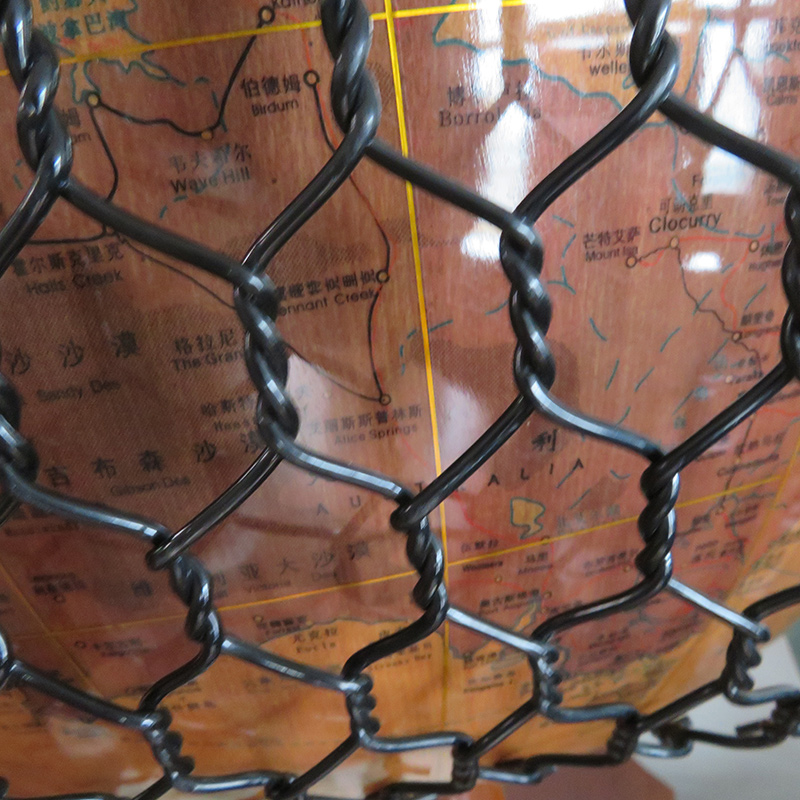
HDPE Knotted Mesh, UV Stabilized |
| Pen Diameter |
8 to 30 meters (customizable) |
| Net Mesh Size |
15 to 25 mm |
| Buoyancy |
High-density Foam Floats, Anti-corrosive |
| Weight Capacity |
Up to 10 tons biomass |
You might wonder how to pick the right vendor out there—you know, not all suppliers meet the exacting standards needed for long-term marine setups. Frankly, having worked alongside several manufacturers, I can say that assessing durability, service, and customization options upfront saves a lot of headaches later on. Below is a little comparison I’ve put together from my own experience with leading providers.
Aquaculture Pen Vendor Comparison
| Vendor |
Customization |
Materials Quality |
Lead Time |
After-Sales Support |
| HT Mesh Machines |
High (varied sizes/netting) |
Marine-grade aluminum and UV-resistant nets |
3–4 weeks |
Excellent, technical consultation available |
| Blue Aqua Solutions |
Medium (standard sizes with limited options) |
Aluminum alloy, treated nets |
4–6 weeks |
Good, limited customization advice |
| Ocean Farm Tech |
Low (mostly fixed-models) |
Standard grade steel/aluminum |
2–3 weeks |
Basic support |
I've always appreciated working with suppliers who treat each project like a partnership, instead of a one-off sale. For example, just last year, a small salmon farm client shared how tweaking the pen dimensions and using thicker mesh from one vendor helped reduce fish escapes during storms — a costly issue they'd battled for years.
To sum it up, investing in a quality aquaculture pen it not just buying equipment but securing a vital piece of the farming puzzle. The choice of materials, design, and vendor support shapes the daily operations and long-term sustainability. For anyone in the aquaculture space, it’s worth exploring the latest options and trusting those who bring practical experience to the table.
Footnotes:
- “Aquaculture Pens: Materials and Design Trends,” Fisheries Tech Journal, 2023.
- Personal interview with aquaculture engineer, 2022.
- Manufacturer technical datasheets, available online 2023.