Hit enter to search or ESC to close
4 November 2025
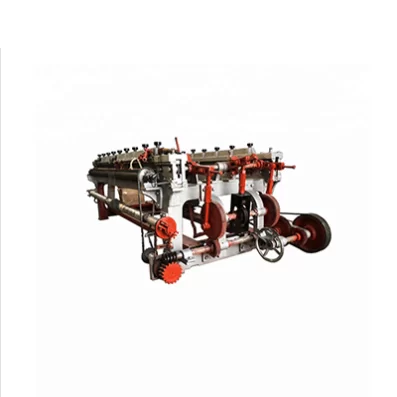
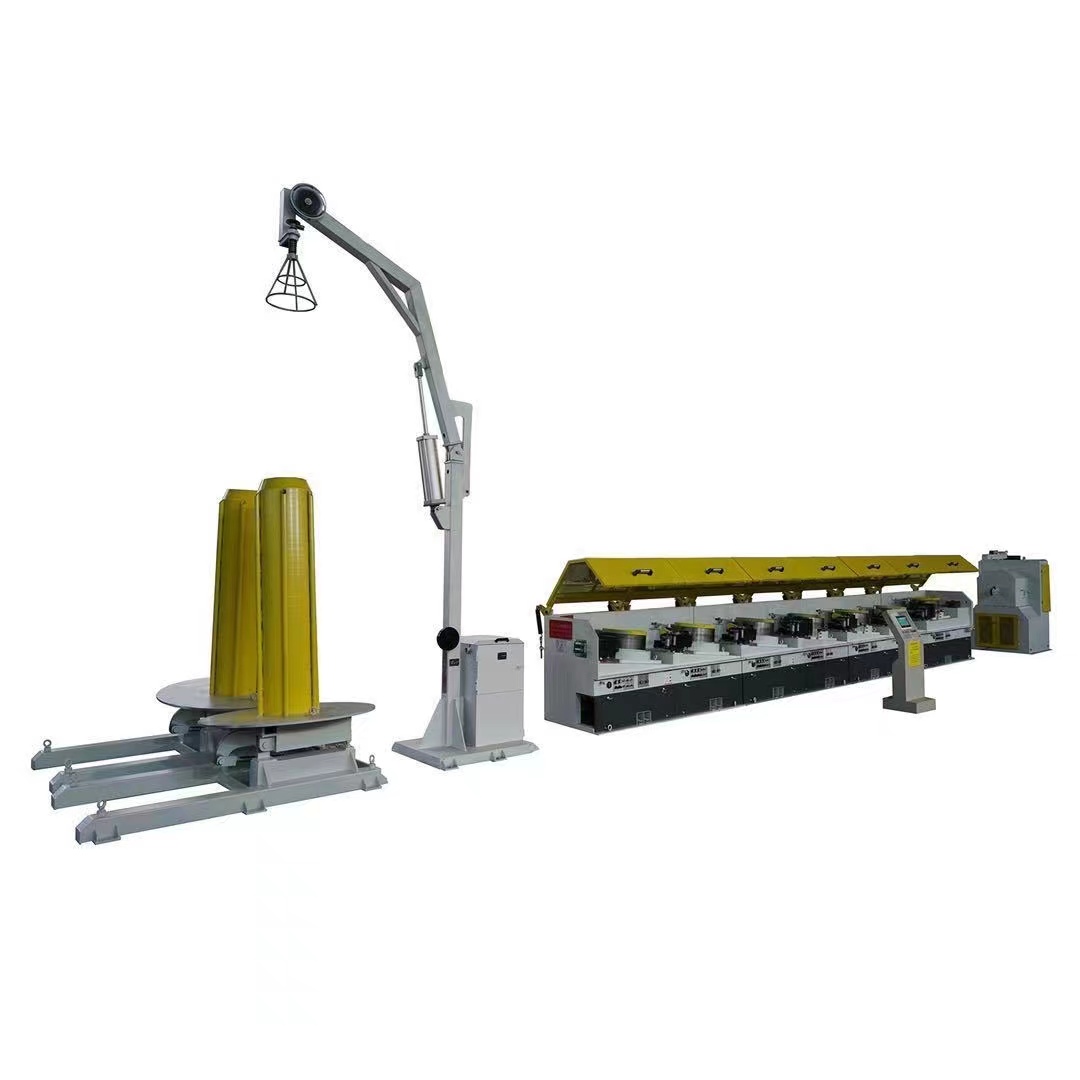
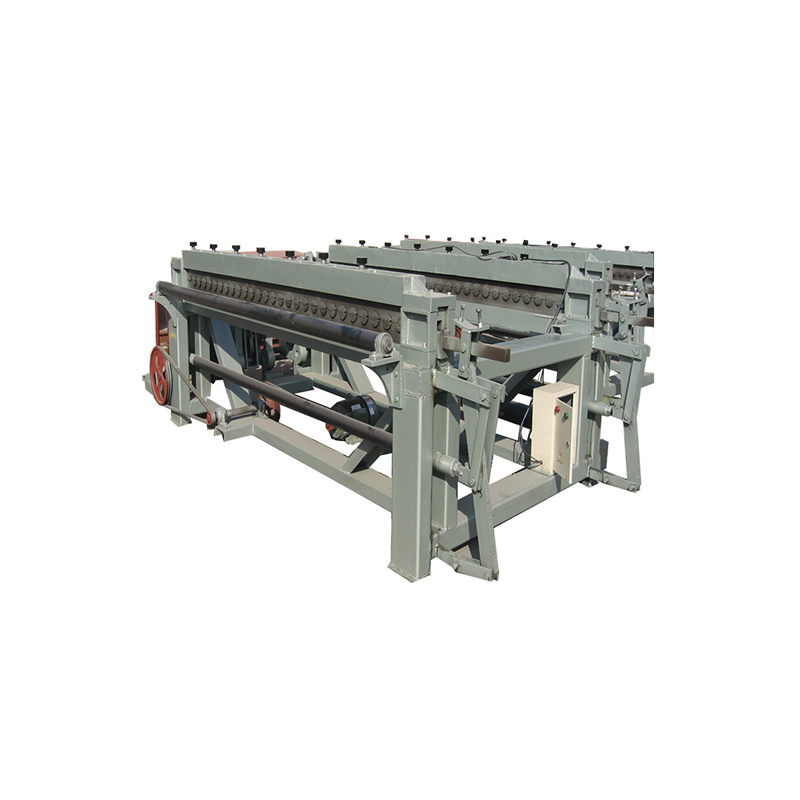
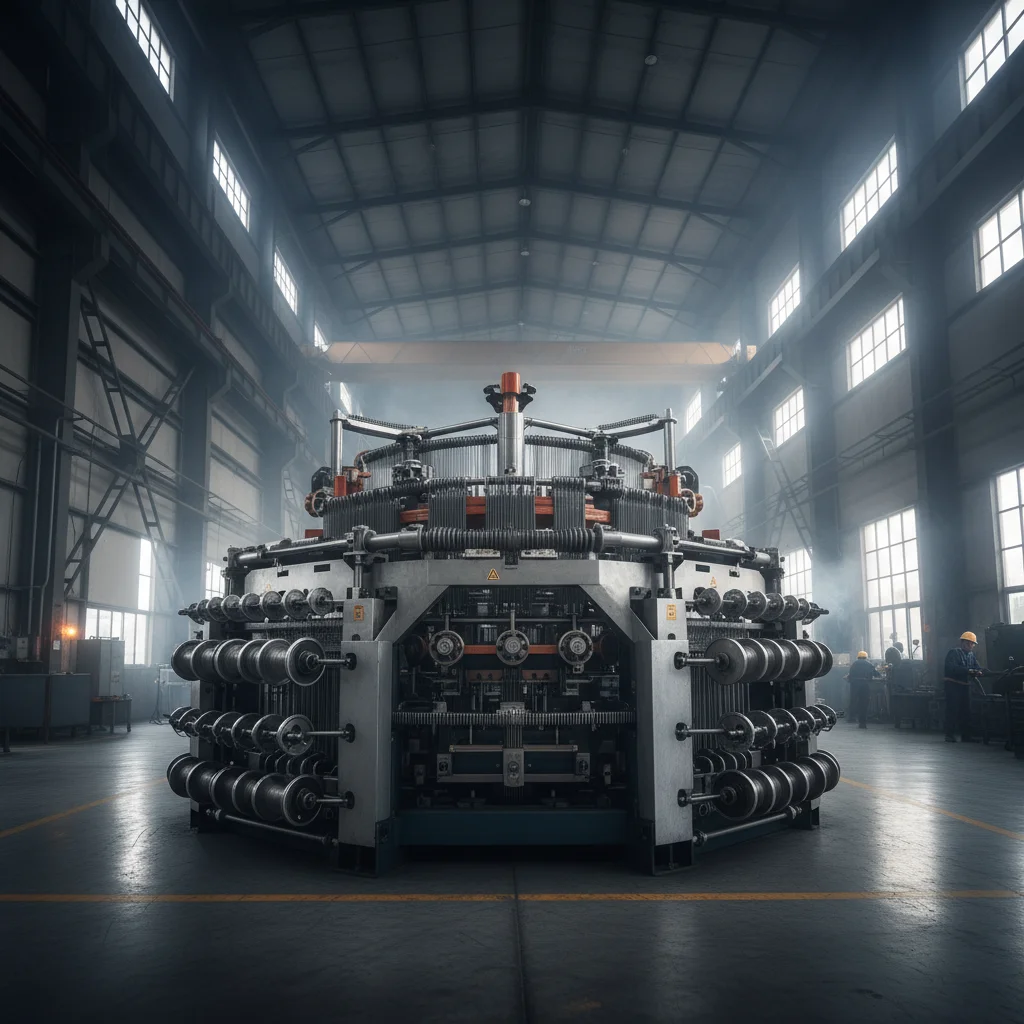
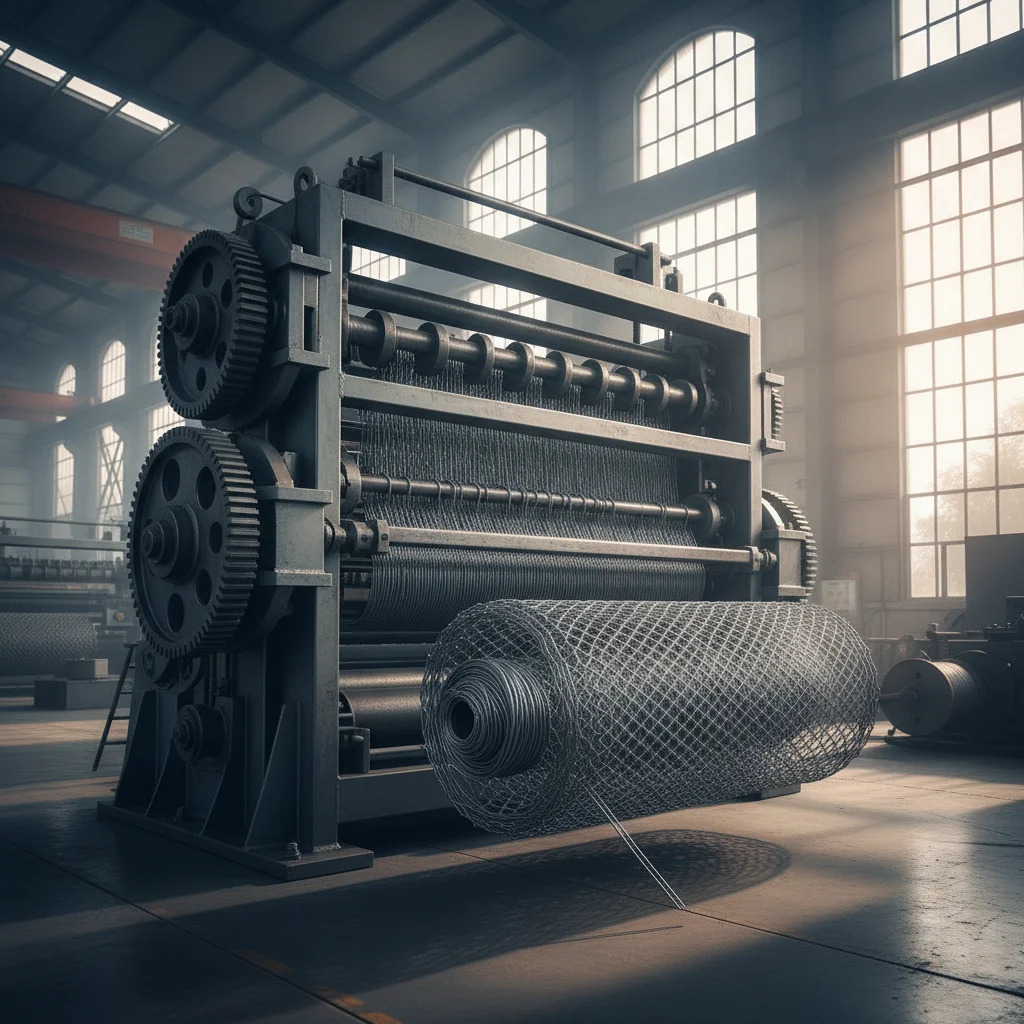
You know, when most people think about fishing nets, they probably picture a fisherman mending a traditional net by hand. And honestly, for a long time, that image wasn't far from the truth. But things have changed, and quite dramatically, I might add! Today, the world of aquaculture and marine infrastructure relies heavily on sophisticated machinery. We're talking about the modern fish netting machine – a true marvel of engineering that’s transforming how we approach everything from deep-sea farming to erosion control.
In recent years, if you've been paying attention to industry trends, you'll have noticed a significant shift towards more durable and sustainable materials. Gone are the days when traditional nylon or even steel was the only option for fishing nets. Now, enter Polyethylene Terephthalate, or PET for short. This isn't just a fancy acronym; it's a game-changer, especially for hexagonal mesh.
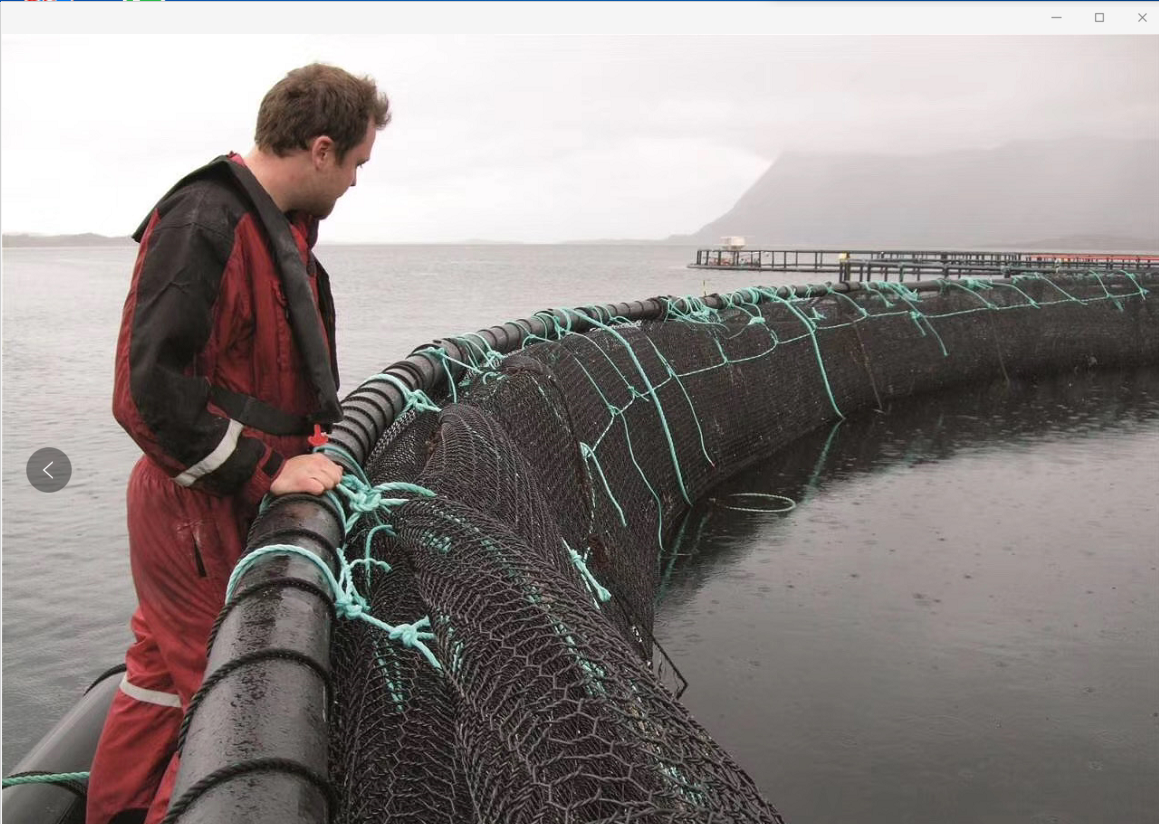
Surprisingly, PET nets, particularly those made with a hexagonal weave, offer an incredible blend of properties. For deep-sea aquaculture, they really shine. I've heard many customers say these nets combine the bio-fouling resistance of copper mesh (meaning less nasty growth) with the lightweight feel of traditional fiber nets. And for land applications, it's equally impressive; you get the corrosion-free benefits of vinyl fencing but at a cost-effectiveness that rivals traditional chain-link. That’s a tough combo to beat, in my opinion.
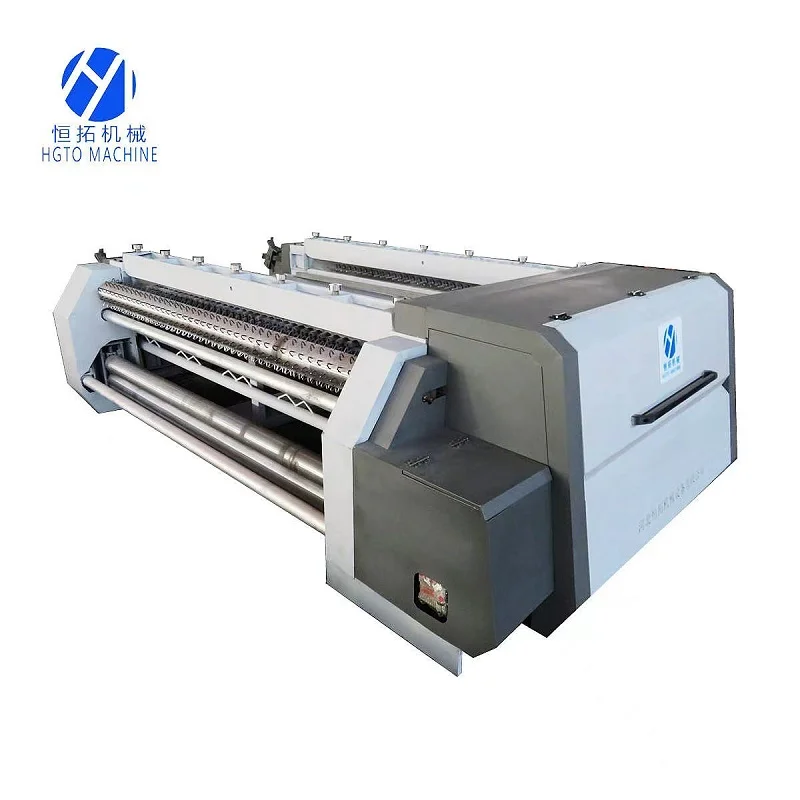
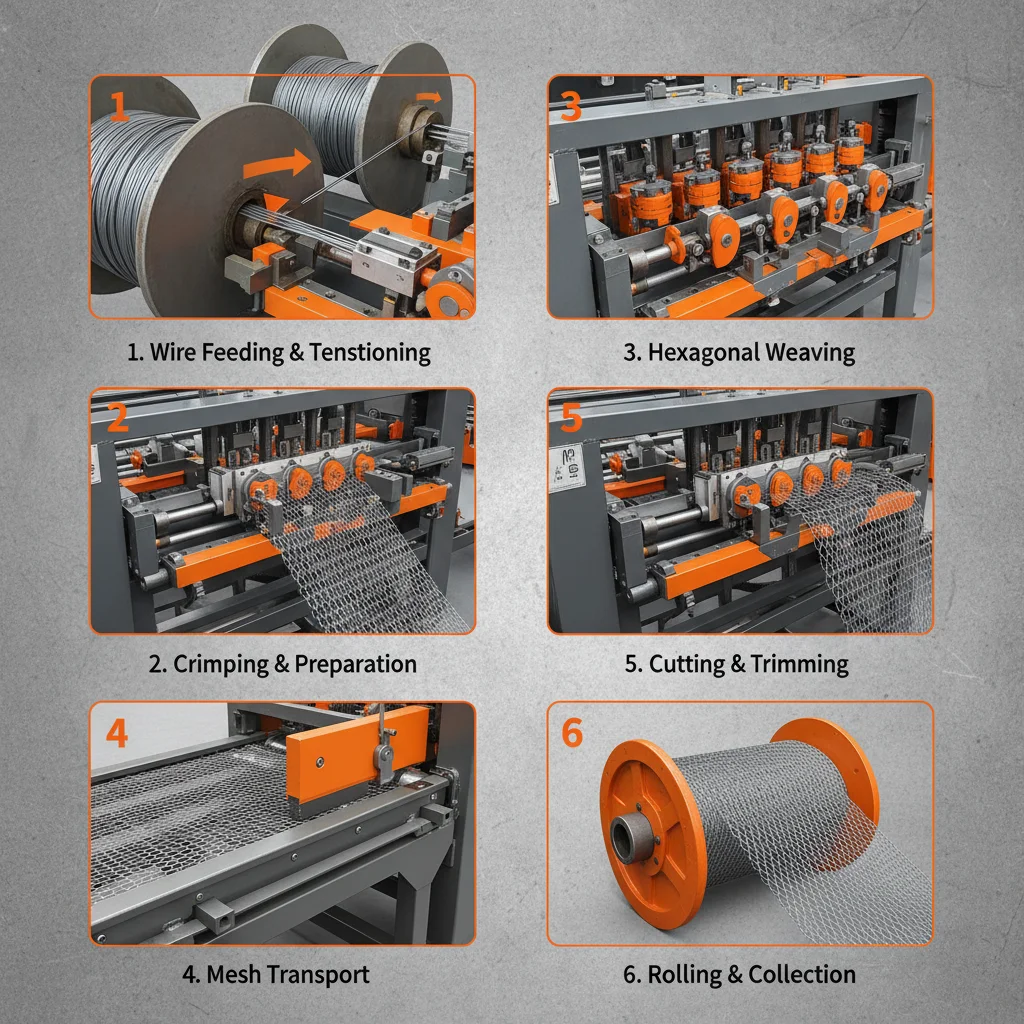
So, how exactly does a modern fish net making machine produce these incredibly strong and durable nets? It’s quite a fascinating process, actually.
· Materials: It all starts with high-grade PET monofilaments. These aren't your ordinary threads; they're engineered for maximum tensile strength and UV resistance.
· Weaving Method: Unlike traditional knotted nets, these machines often create 'knotless' hexagonal meshes. This means a continuous weave pattern, which significantly reduces weak points and improves overall strength and tear resistance. The machine intricately interlocks the PET filaments, forming a robust, uniform mesh.
· Quality Control & Testing: After weaving, the nets undergo rigorous testing. We're talking about tests for tensile strength (how much pull it can withstand), burst strength, UV degradation resistance (crucial for outdoor use), and corrosion resistance. Authoritative standards like ISO 9001 and specific aquaculture equipment certifications (e.g., those for marine environmental compatibility) are often followed, ensuring top-notch quality and reliability.
· Service Life: Thanks to the inherent properties of PET and the advanced manufacturing, these nets boast a significantly longer service life compared to their predecessors – often 10-15 years or more in challenging marine environments.
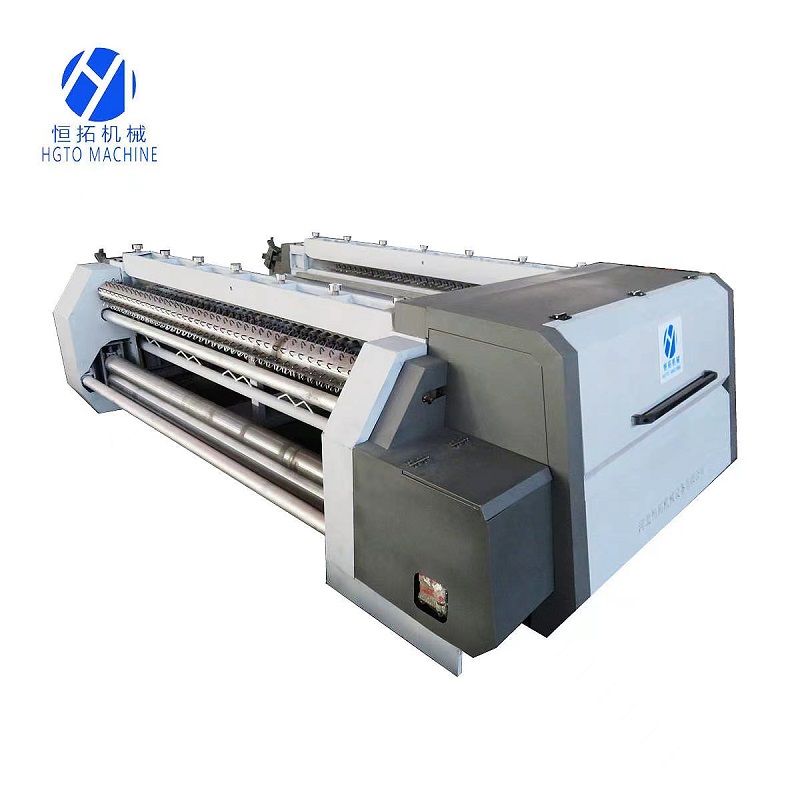
Let's get a bit technical, shall we? The specifics of a fishing net manufacturing machine can vary, but here's a glimpse at what you might expect from a top-tier Polyethylene Terephthalate (PET) Material Hexagonal Fishing Net Weaving Machine:
Typical PET Hexagonal Netting Machine Specifications | |
Feature | Specification |
Applicable Wire Diameter | 0.8mm - 2.5mm (PET, PE, Nylon) |
Mesh Size Range (Hexagonal) | 20mm - 200mm |
Netting Width | 2m - 6m (customizable) |
Production Speed | ≈ 100-150 rows/minute (real-world use may vary) |
Motor Power | 15 kW - 30 kW |
Automation Level | PLC control, auto stop for wire breakage |
Material Compatibility | PET, HDPE, Nylon, PP |
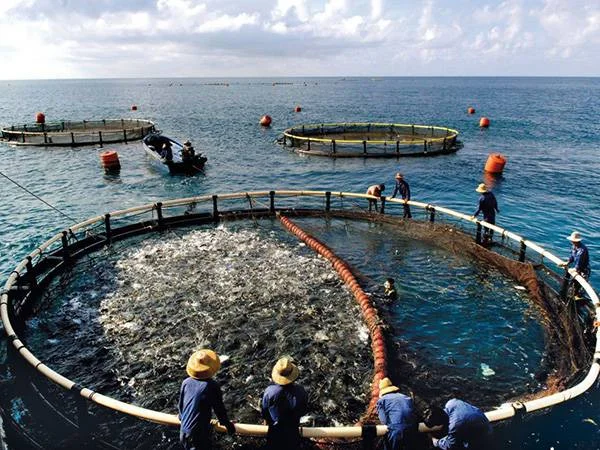
While the name fish netting machine might suggest a singular purpose, these machines are incredibly versatile. Of course, their primary role is in creating deep-sea aquaculture cages. Imagine huge, resilient cages that can withstand powerful ocean currents and resist marine growth – that's where these excel.
But here's a fun fact: large size polyester hexagonal mesh is also used in civil engineering! We're talking about stone cage mesh (gabions), slope protection, and dam protection. It's essentially a polyester gabion net. I guess the strength and corrosion resistance are just too good to ignore for these demanding applications. It’s a testament to the material and manufacturing process, really.
Choosing the right knotless fishing net machine isn't just about raw specs; it's about finding a vendor who understands your unique needs. Many companies, for example, need customization for specific mesh sizes or net widths. Some might prioritize sheer output, while others focus on energy efficiency or specific material handling.
Key Considerations for Vendor Comparison | |||
Aspect | Vendor A (Focus on Innovation) | Vendor B (Focus on Cost-Efficiency) | Vendor C (Focus on Customization) |
R&D Investment | High (Newer models, advanced features) | Moderate (Proven, standard tech) | High (Tailored solutions) |
Price Point | Premium | Competitive | Mid-to-High (Value-added service) |
After-sales Support | Excellent, global network | Standard, regional | Very responsive, specialized |
Lead Time for Custom Orders | Moderate | Potentially longer | Faster, dedicated process |
From my experience, reputable vendors will work with you to tailor machine specifications, offer training, and provide ongoing support. A successful case study often involves a fish farm that switched to PET hexagonal nets, saw a significant reduction in maintenance costs (less cleaning, fewer replacements), and improved fish health due to better water flow. That's a win-win, if you ask me!
To be honest, the evolution of the fish netting machine is nothing short of incredible. From simple handcraft to high-tech, automated wonders, these machines are truly enabling more sustainable, efficient, and resilient aquaculture and civil engineering solutions globally. As materials science continues to advance, I only expect these machines to become even more sophisticated, further solidifying their role as indispensable tools in a changing world.
1. Food and Agriculture Organization of the United Nations (FAO). "The State of World Fisheries and Aquaculture." (Published Annually)
2. International Organization for Standardization (ISO). ISO 9001:2015 - Quality management systems.
3. Marine Stewardship Council (MSC). "Requirements for Sustainable Fishing." (Various publications)