Hit enter to search or ESC to close
21 April 2026
The demand for high-quality wire mesh is constantly growing across numerous industries, from construction and agriculture to security and filtration. At the heart of efficient wire mesh production lies specialized machinery, and among the most versatile is the Reverse Twisted Wire Mesh Netting Machine. This machine excels in creating robust, long-lasting netting with unique characteristics. This article dives into the features, applications, benefits, and considerations for selecting the right machine for your specific needs. Understanding these aspects is crucial for optimizing production, ensuring product quality, and maximizing return on investment.
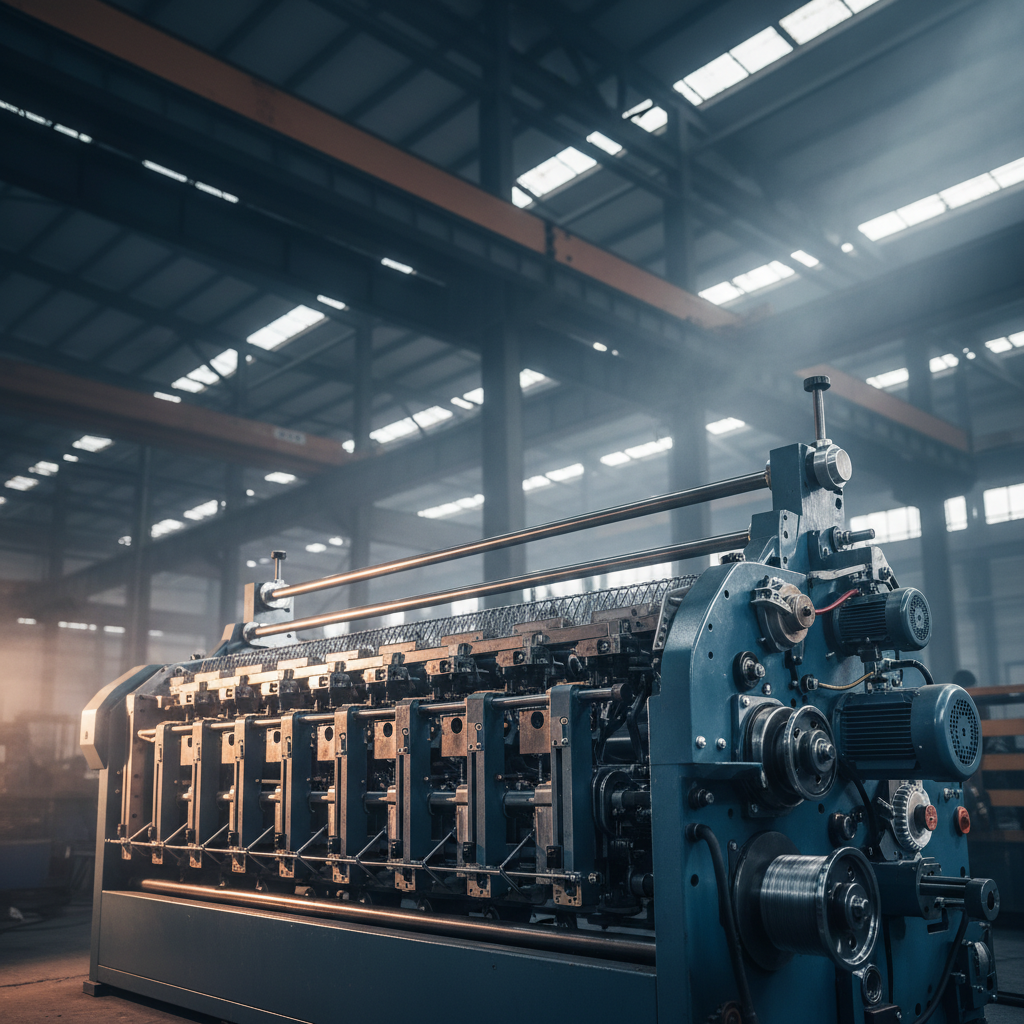
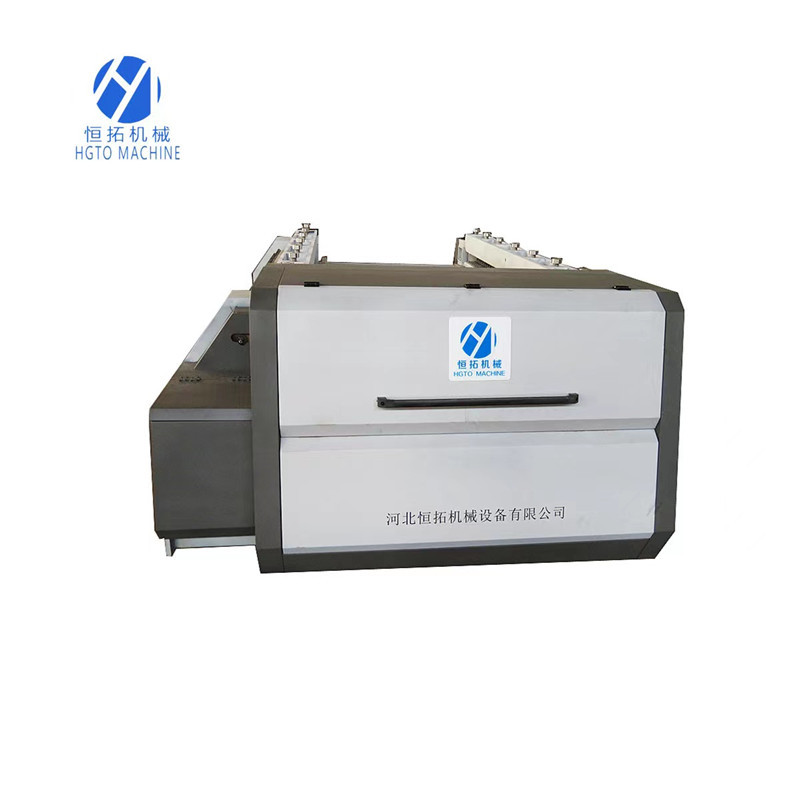
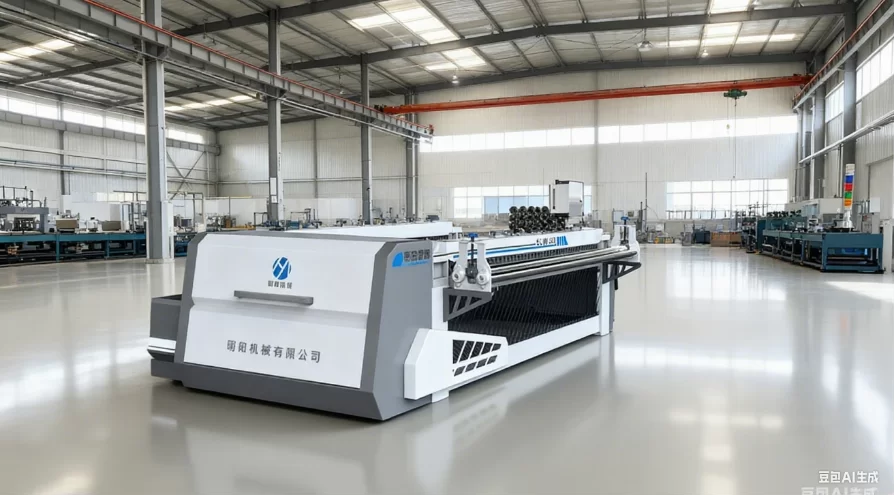
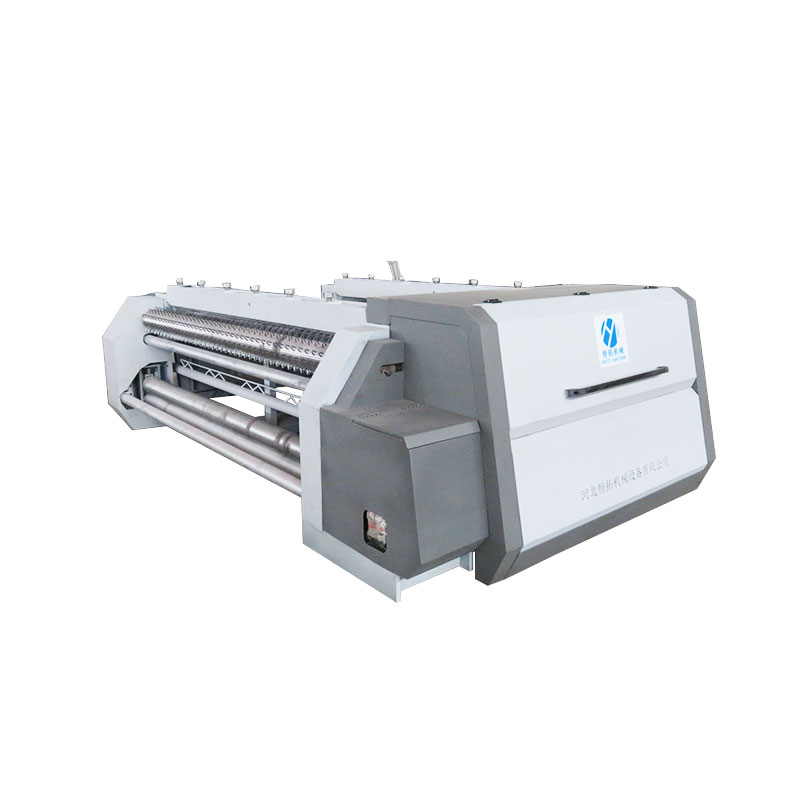
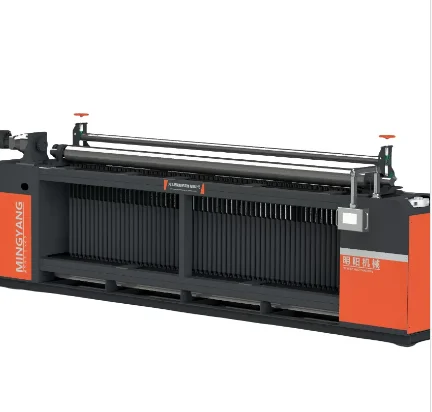
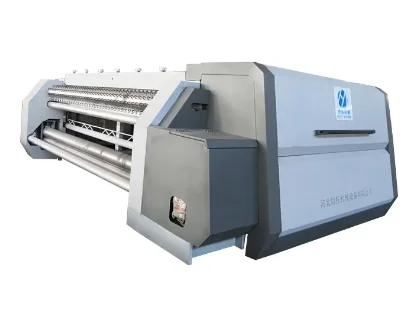
The defining characteristic of this machine is its reverse twisting mechanism. Unlike traditional chain-link fence machines, which create a 90-degree twist, a reverse twisted machine utilizes a twisting angle typically between 180 to 270 degrees. This configuration results in a tighter, more stable mesh with increased resistance to stretching and deformation. This is especially important for applications requiring high tensile strength and long-term durability. The resulting mesh exhibits excellent interlocking properties, making it ideal for various protective and containment uses. HT Mesh Machines offers a range of options to suit different wire gauges and mesh apertures.
Key Benefit: The reverse twist creates a more secure interlocking pattern, resulting in a stronger and more durable mesh compared to traditional methods.
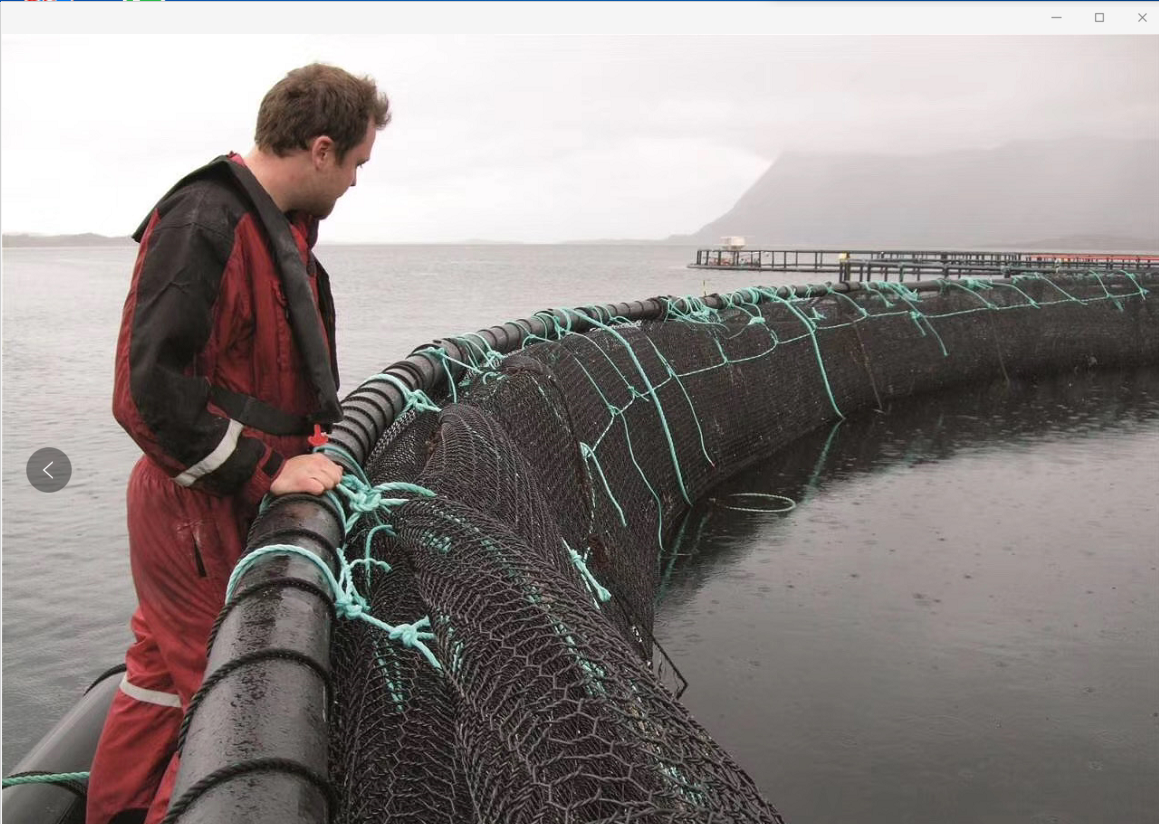
The unique properties of reverse twisted mesh make it suitable for a wide array of applications. Key areas of usage include: Animal containment (poultry netting, livestock fencing), security fencing (perimeter protection, anti-climb barriers), agricultural applications (vineyard trellising, orchard netting), industrial filtration (screen packs, filter elements), and protective caging. The robust construction provides reliable performance in demanding environments. HT Mesh Machines machines can be adjusted to produce mesh tailored for these diverse needs.
Common Applications:
• Animal Containment
• Security Fencing
• Agricultural Support
• Industrial Filtration
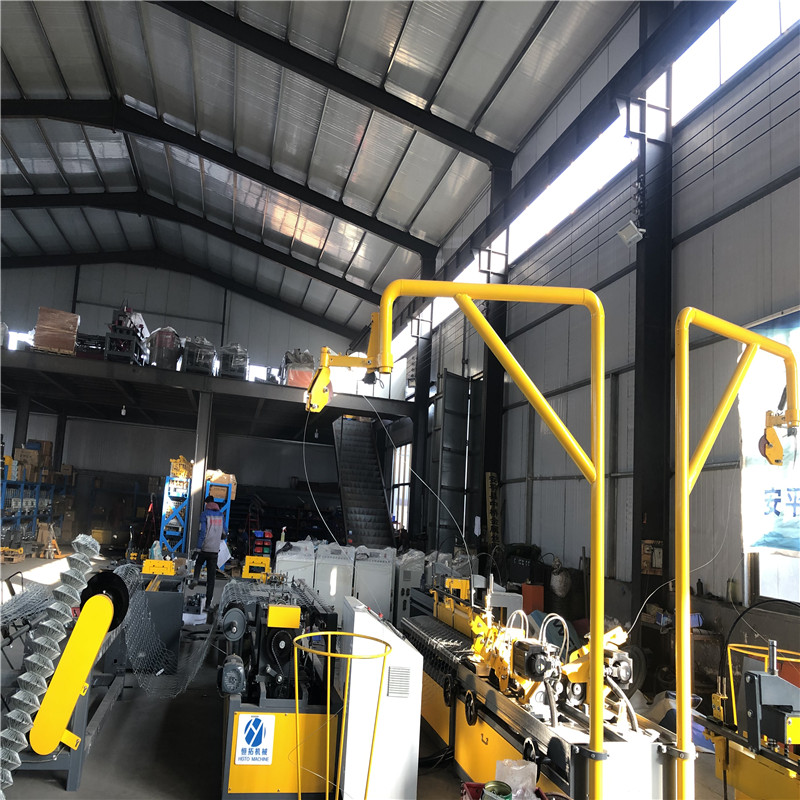
Modern reverse twisted wire mesh netting machines are typically equipped with advanced features to enhance efficiency and productivity. These include: automatic wire feeding systems, PLC control panels for precise operation, adjustable twisting angles, variable mesh aperture control, and automatic coil winding mechanisms. Some machines also feature automatic fault detection and shutdown systems to ensure safe operation. These features contribute to consistent product quality and reduced labor costs.
Selecting the appropriate machine requires careful consideration of several factors. First, assess your production volume. Higher volumes necessitate machines with higher production speeds and automated features. Next, determine the types of wire you will be using – different machines are designed for varying wire gauges and materials. Consider the required mesh aperture and twisting angle for your target applications. Finally, evaluate the level of automation you need. Fully automatic machines minimize labor costs but require a higher initial investment. HT Mesh Machines offers expert guidance to help you choose the best machine for your specific needs.
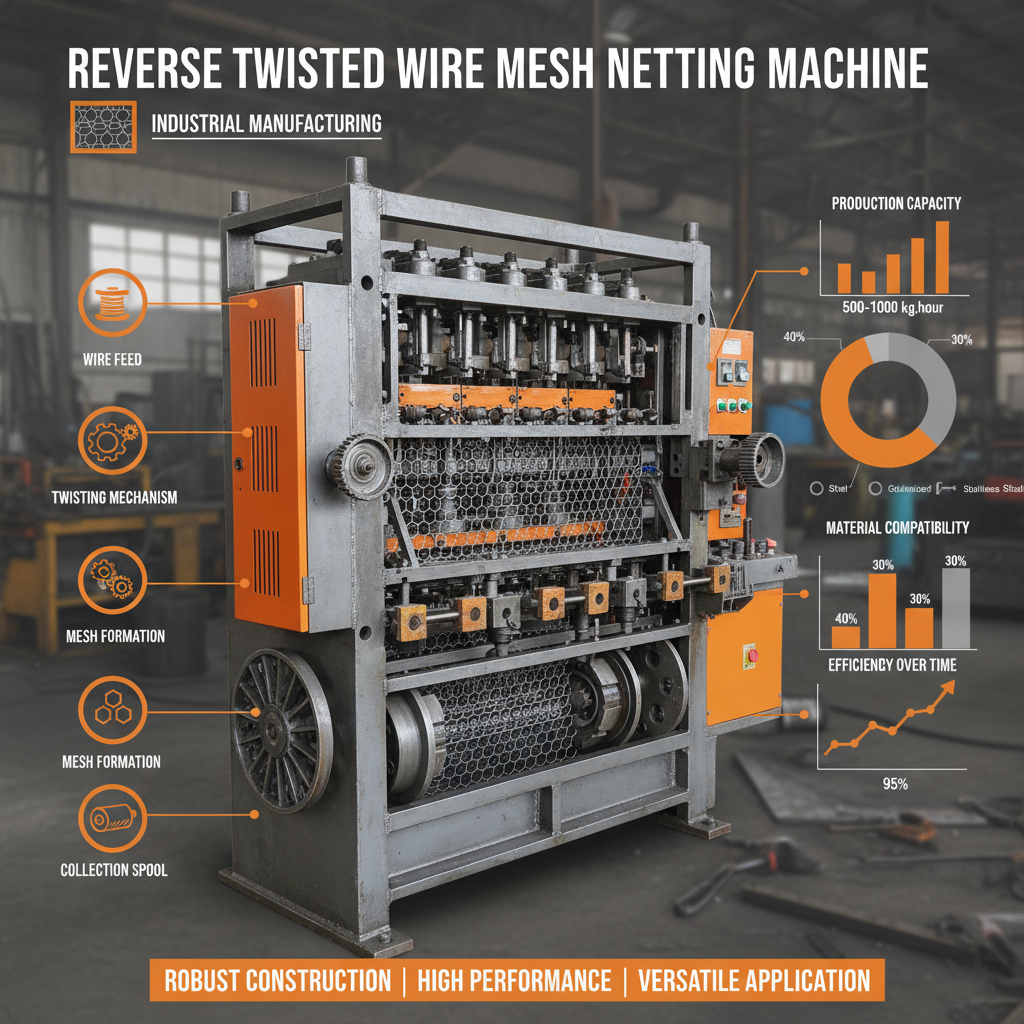
Proper maintenance is critical for maximizing the lifespan and efficiency of your Reverse Twisted Wire Mesh Netting Machine. Regular lubrication of moving parts, cleaning of wire guides and twisting mechanisms, and inspection of electrical components are essential. Following the manufacturer's recommended maintenance schedule will prevent breakdowns and ensure consistent performance. Investing in quality spare parts and establishing a relationship with a reliable service provider can also minimize downtime.
Investing in a high-quality reverse twisted wire mesh netting machine is a strategic decision for businesses looking to produce durable, high-performance wire mesh products. By understanding the features, applications, and maintenance requirements, you can maximize your return on investment and ensure long-term success.
Reverse twisted wire mesh machines are versatile and can handle a variety of materials, including galvanized steel wire, stainless steel wire, and even coated wires. The specific wire gauge that can be processed depends on the machine's capabilities, but most modern machines can accommodate wire diameters ranging from 0.8mm to 3.2mm. It’s crucial to verify the machine specifications to ensure compatibility with your desired wire type and gauge. Using the correct wire also enhances the final product's durability and corrosion resistance.
Power consumption varies depending on the machine's size, automation level, and production speed. Smaller, manually operated machines may consume around 2-3 kW, while larger, fully automatic machines can require 5-10 kW or more. It's important to consider power requirements when planning your facility's electrical infrastructure. HT Mesh Machines provides detailed power specifications for each model.
The level of operator skill required depends on the machine's automation level. Semi-automatic machines require more operator involvement for tasks like wire loading and coil handling, while fully automatic machines can be operated with minimal intervention. Basic training on machine operation, safety procedures, and routine maintenance is essential for all operators. HT Mesh Machines provides comprehensive training programs to ensure operators are proficient in machine operation.
Safety is paramount in machine design. Modern reverse twisted wire mesh netting machines typically include features such as emergency stop buttons, safety guards, overload protection, and automatic fault detection. Some machines may also have interlocks that prevent operation when safety guards are removed. Always ensure operators are properly trained on safety procedures and wear appropriate personal protective equipment.
This is the first article