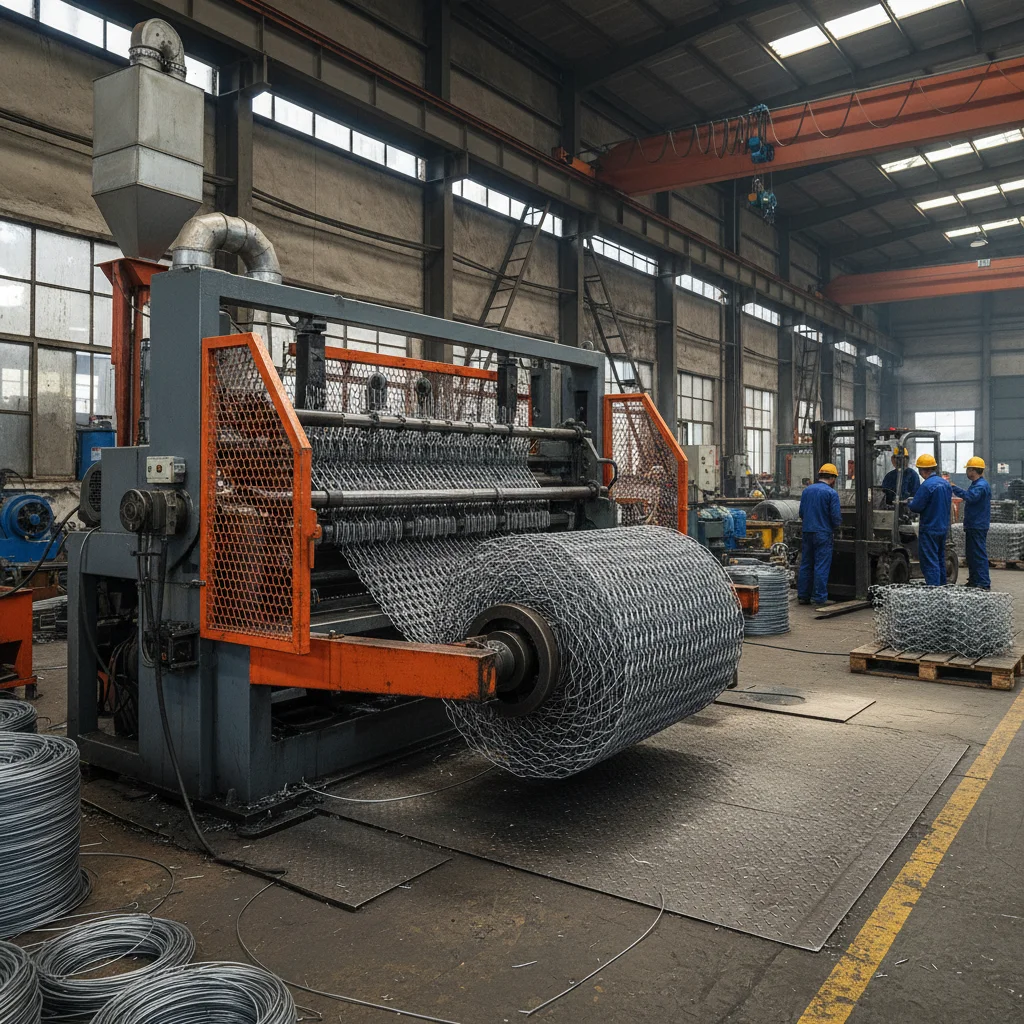
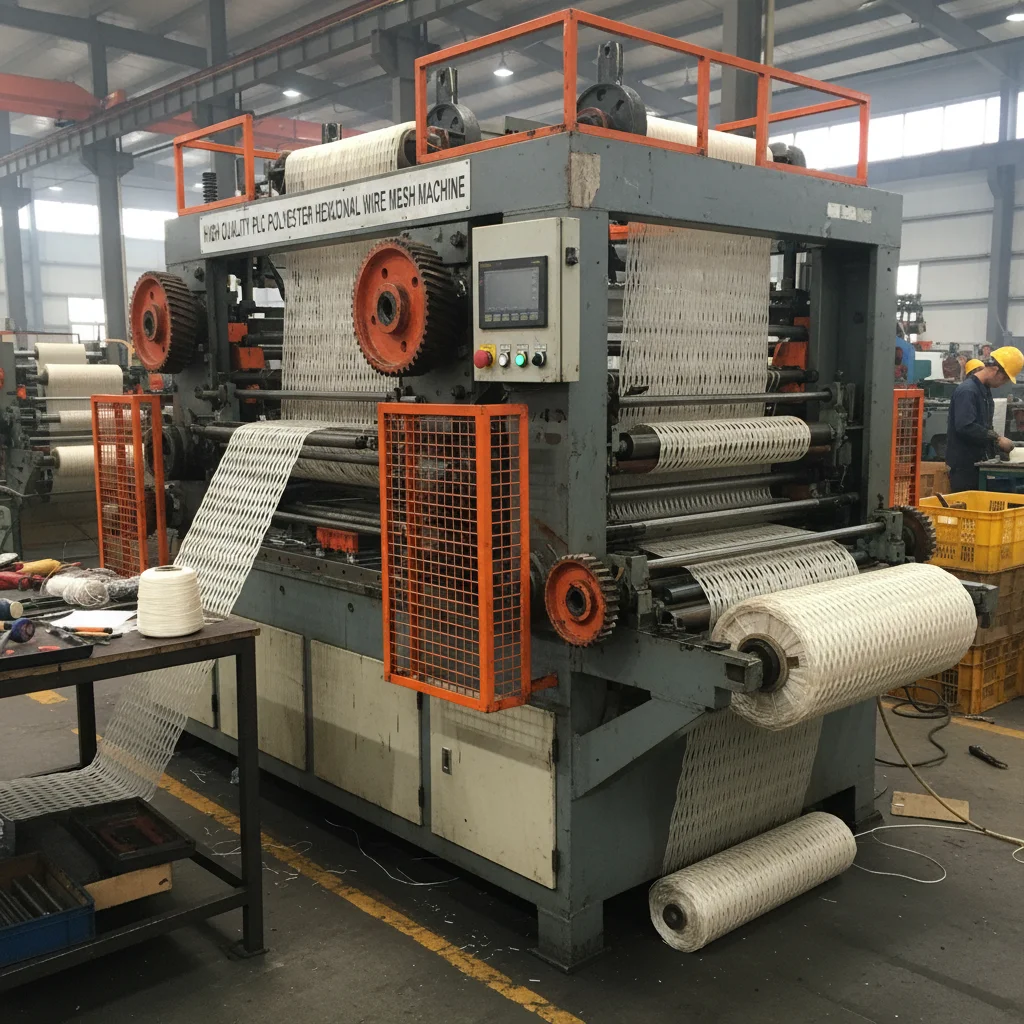
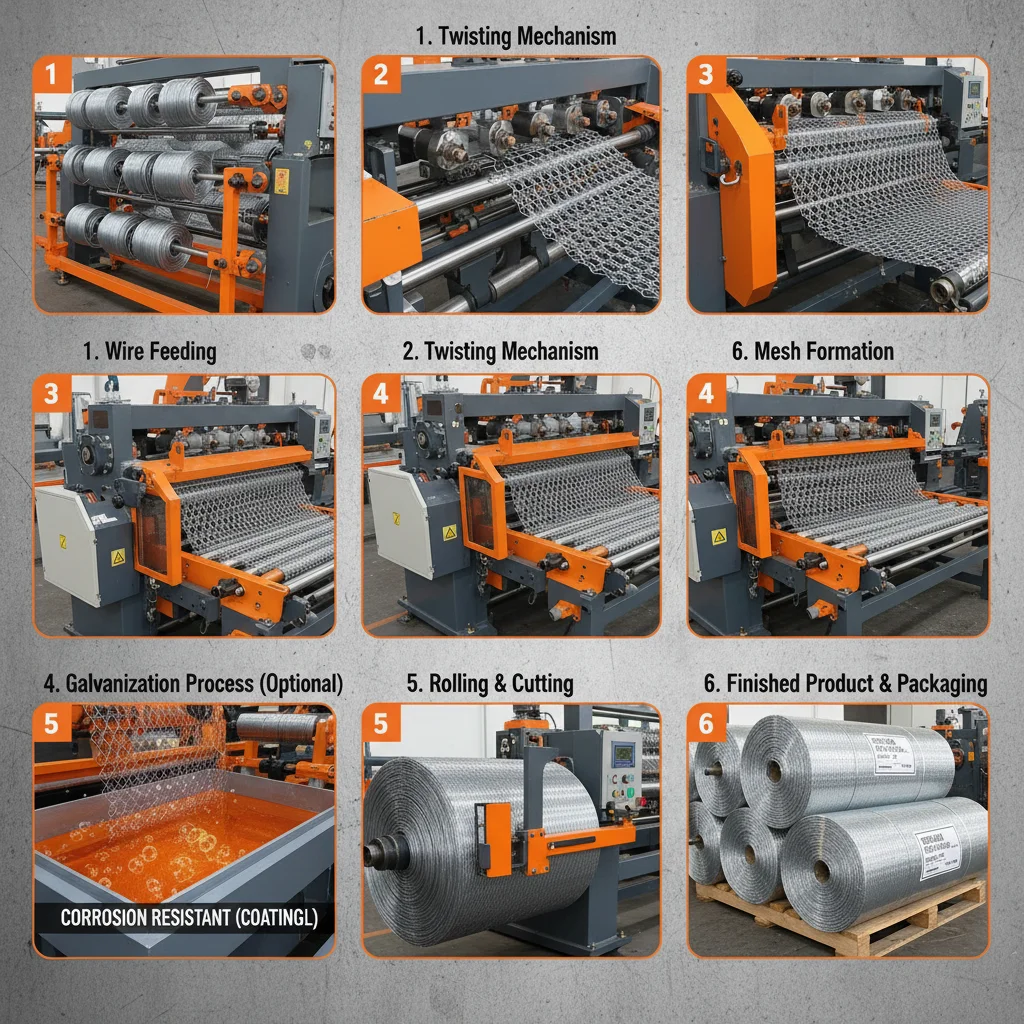
Hit enter to search or ESC to close
4 April 2026
In the world of industrial applications, from agriculture and construction to filtration and security, hexagonal mesh plays a crucial role. The demand for consistent, high-quality hexagonal mesh is ever-increasing, driving the need for reliable and efficient weaving machines. This article provides a comprehensive overview of high quality hexagonal mesh weaving machines, exploring their features, benefits, applications, and key considerations for choosing the right machine for your business. We'll delve into the technology that delivers durable and precise mesh for a wide range of industries.
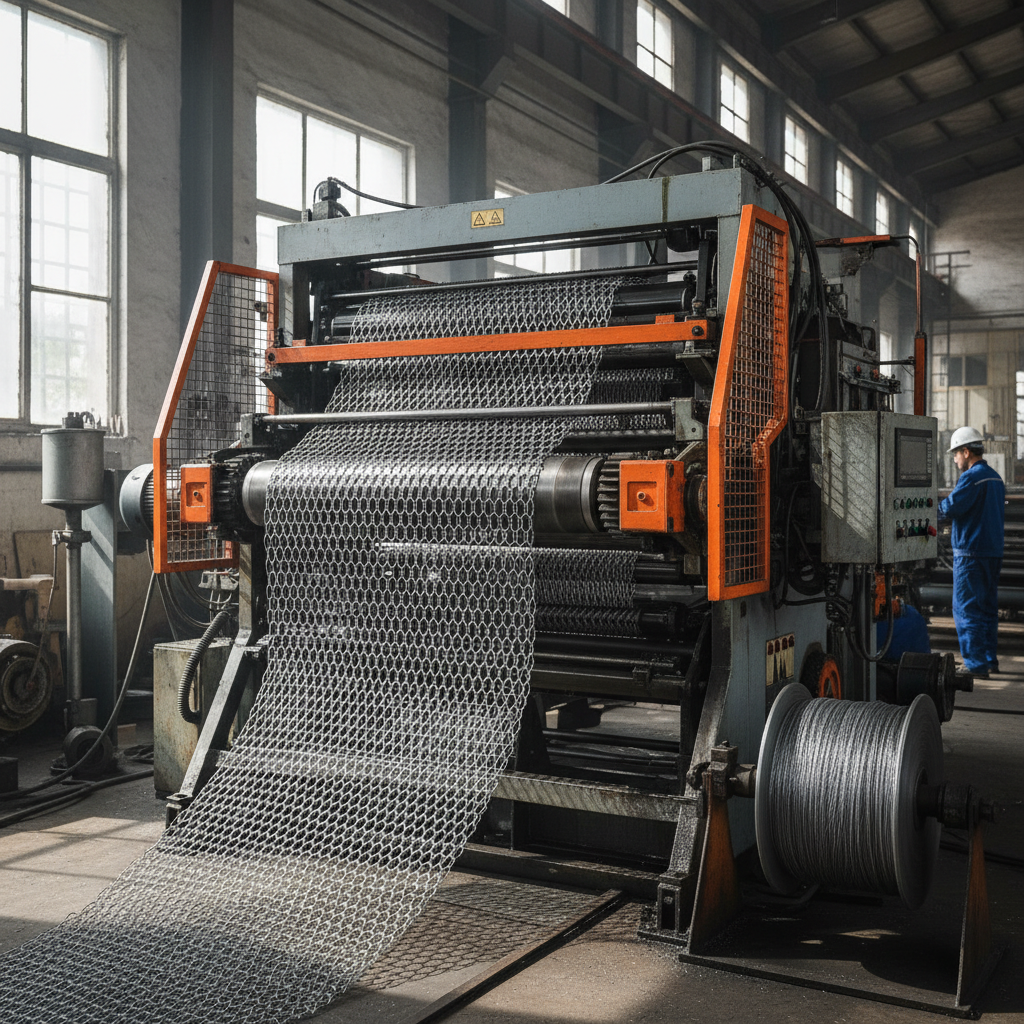
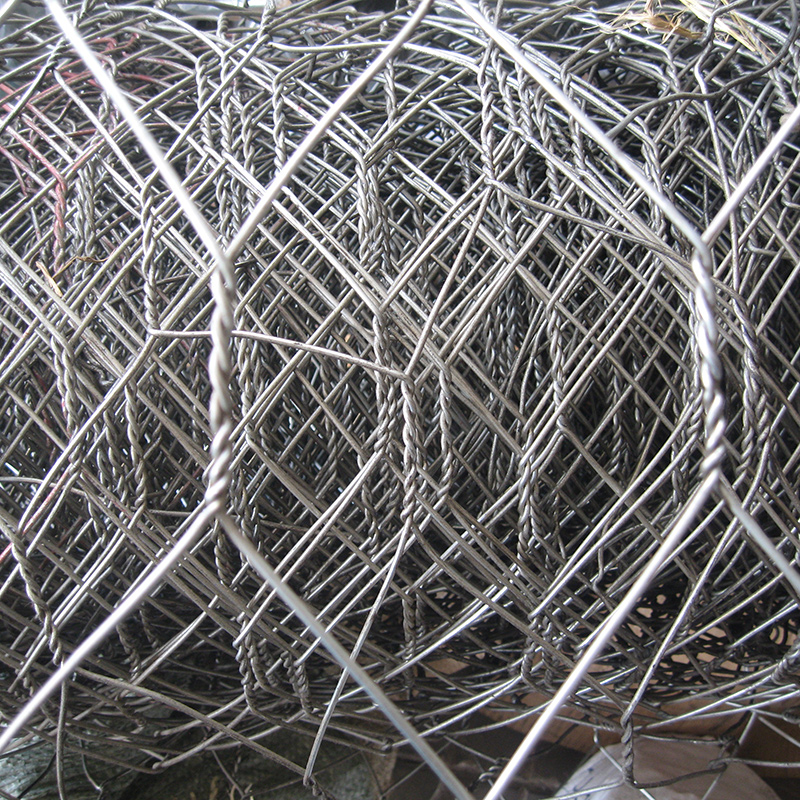
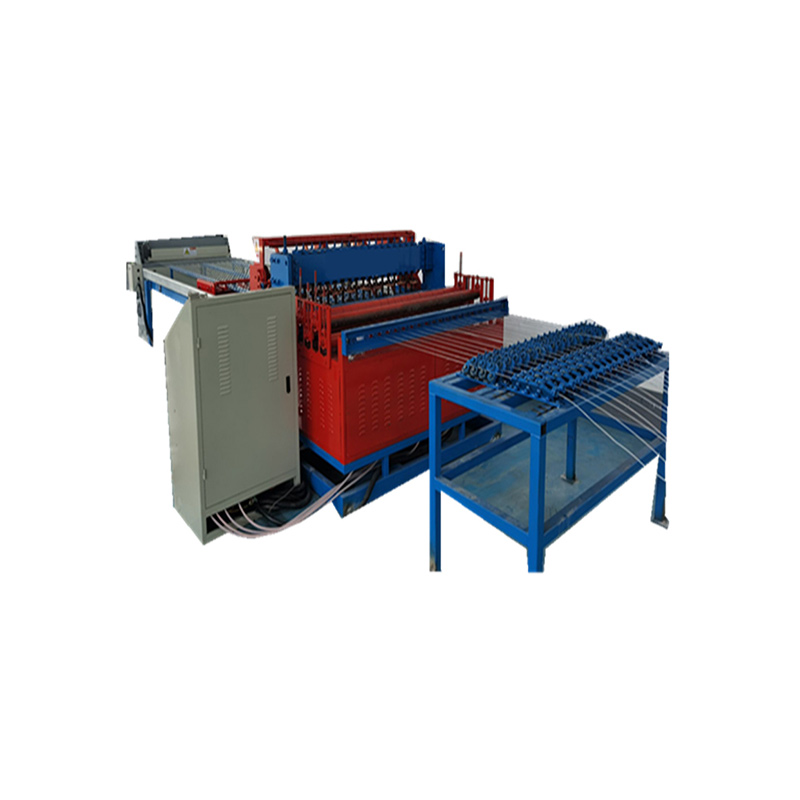
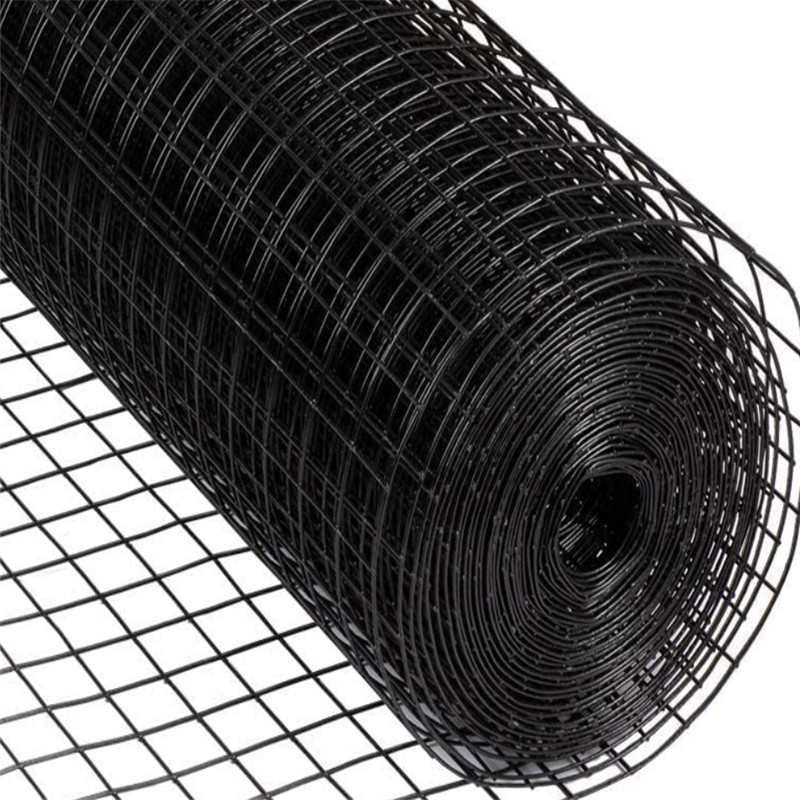
Hexagonal mesh weaving machines are specialized equipment designed to interlace wires or other materials to create a strong, durable, and consistently sized mesh. These machines automate the weaving process, significantly increasing production efficiency and reducing labor costs. They are utilized in the production of chicken wire, rabbit fencing, safety netting, decorative mesh, and various industrial filters. The core principle involves a shuttle or needle system that weaves the weft wire through the warp wires, creating the characteristic hexagonal pattern. Modern machines often incorporate automated controls, precise tensioning systems, and advanced features for adjusting mesh size and wire diameter.
Key Benefits: Increased production speed, reduced labor costs, consistent mesh quality, precise control over mesh size, and versatility in handling different materials.
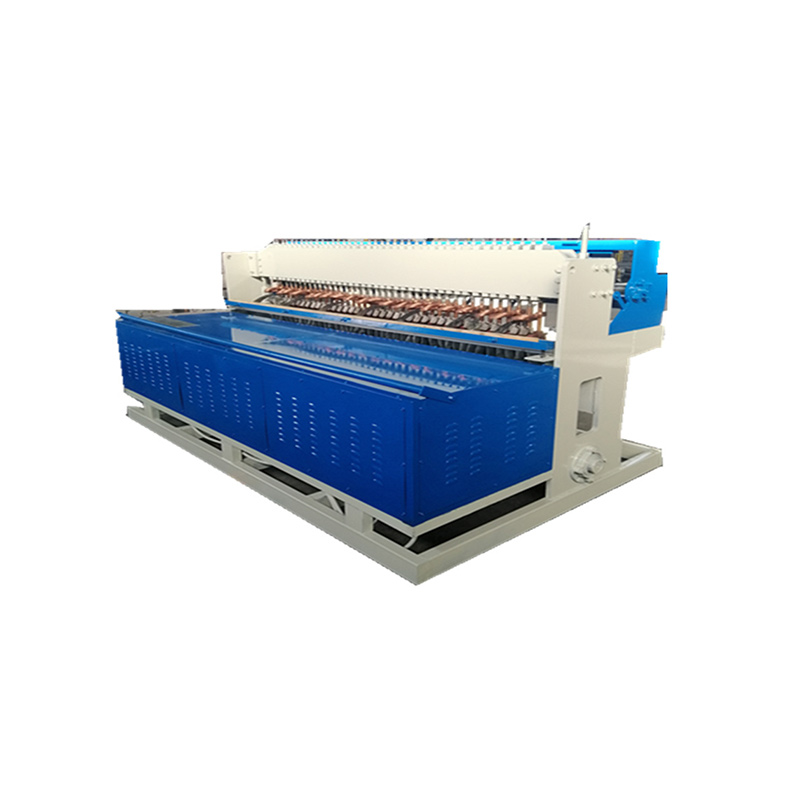
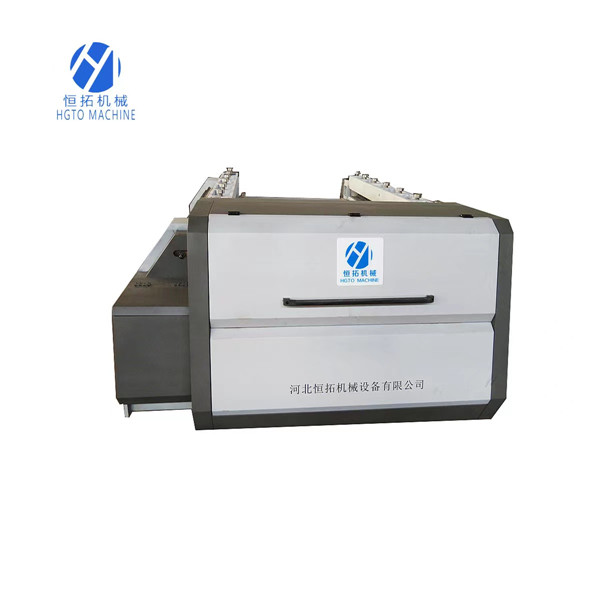
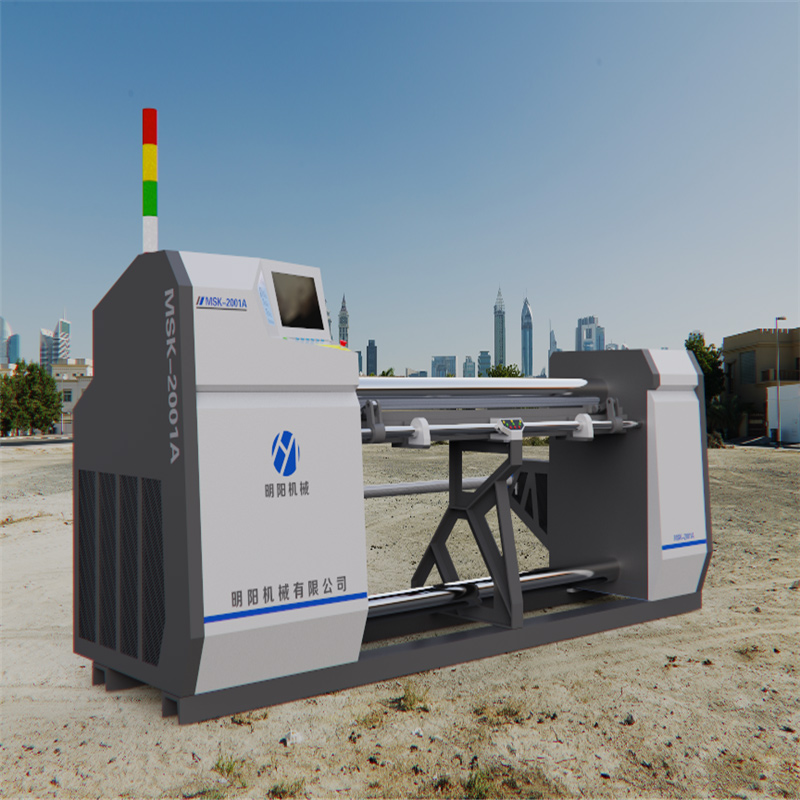
A truly high quality hexagonal mesh weaving machine is characterized by several key features. These include a robust frame construction for stability, a precision drive system for consistent weaving, and an automated tensioning system to ensure uniform mesh density. Advanced models feature programmable logic controllers (PLCs) for precise control over weaving parameters, such as mesh size, wire diameter, and weaving speed. Furthermore, user-friendly interfaces and safety features, such as emergency stop buttons and protective guards, are crucial for efficient and safe operation. The quality of the materials used in the machine's construction – particularly the shuttles, needles, and gears – directly impacts its durability and lifespan.
The applications of hexagonal mesh woven by these machines are incredibly diverse. In agriculture, it’s used for poultry netting, rabbit fencing, and protecting crops from pests. The construction industry utilizes it for reinforcing concrete, erosion control, and safety barriers. Industrial applications include filtration systems, soundproofing materials, and protective cages. Security applications utilize hexagonal mesh for creating secure fencing and barriers. Additionally, its aesthetic appeal makes it a popular choice for decorative purposes, such as garden screens and architectural elements. The versatility of this mesh makes it a highly sought-after product across various sectors.
Key Applications:
• Poultry Netting & Animal Enclosures
• Construction Reinforcement
• Industrial Filtration
• Security Fencing
• Decorative Elements
There are several types of hexagonal mesh weaving machines available, each suited to different production needs and budgets. Manual machines are the most basic and require significant operator involvement. Semi-automatic machines offer some degree of automation, reducing labor but still requiring manual intervention for certain tasks. Fully automatic machines, however, represent the pinnacle of efficiency, offering complete automation and minimal operator oversight. Choosing the right machine depends on production volume, desired mesh quality, and available budget. HT Mesh Machines offers a range of options to meet varying requirements.
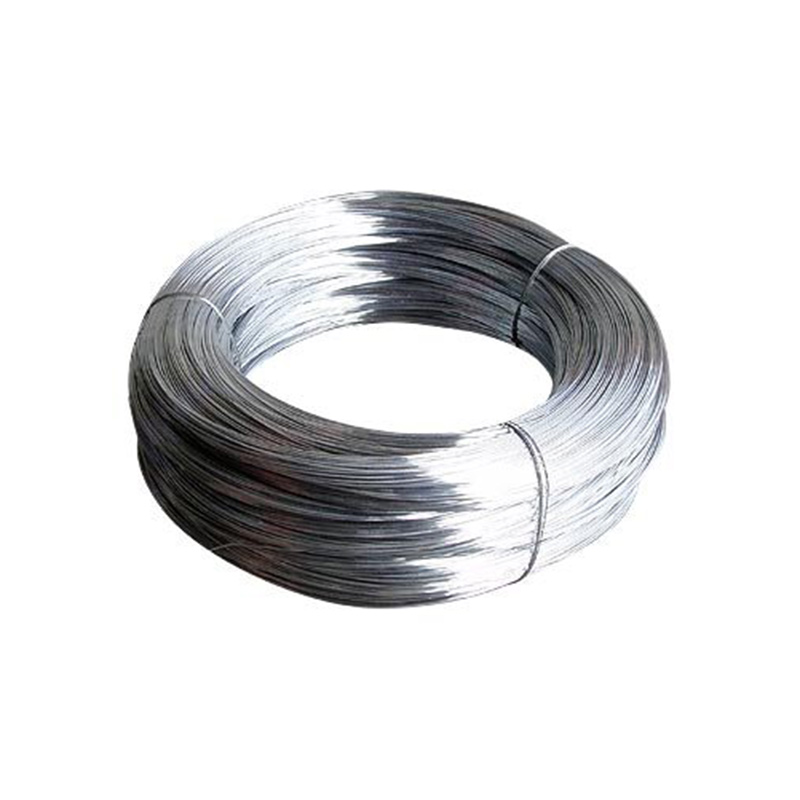
Choosing the right hexagonal mesh weaving machine requires careful consideration of several factors. Production volume is a primary concern – higher volumes necessitate more automated and efficient machines. The type of wire being used (e.g., galvanized steel, stainless steel, PVC-coated wire) will also influence the machine’s specifications. Mesh size requirements, budget constraints, and available floor space are all important considerations. Finally, after-sales support, including maintenance, spare parts availability, and technical assistance, should not be overlooked. Partnering with a reputable manufacturer, such as HT Mesh Machines, ensures you receive a quality machine and ongoing support.
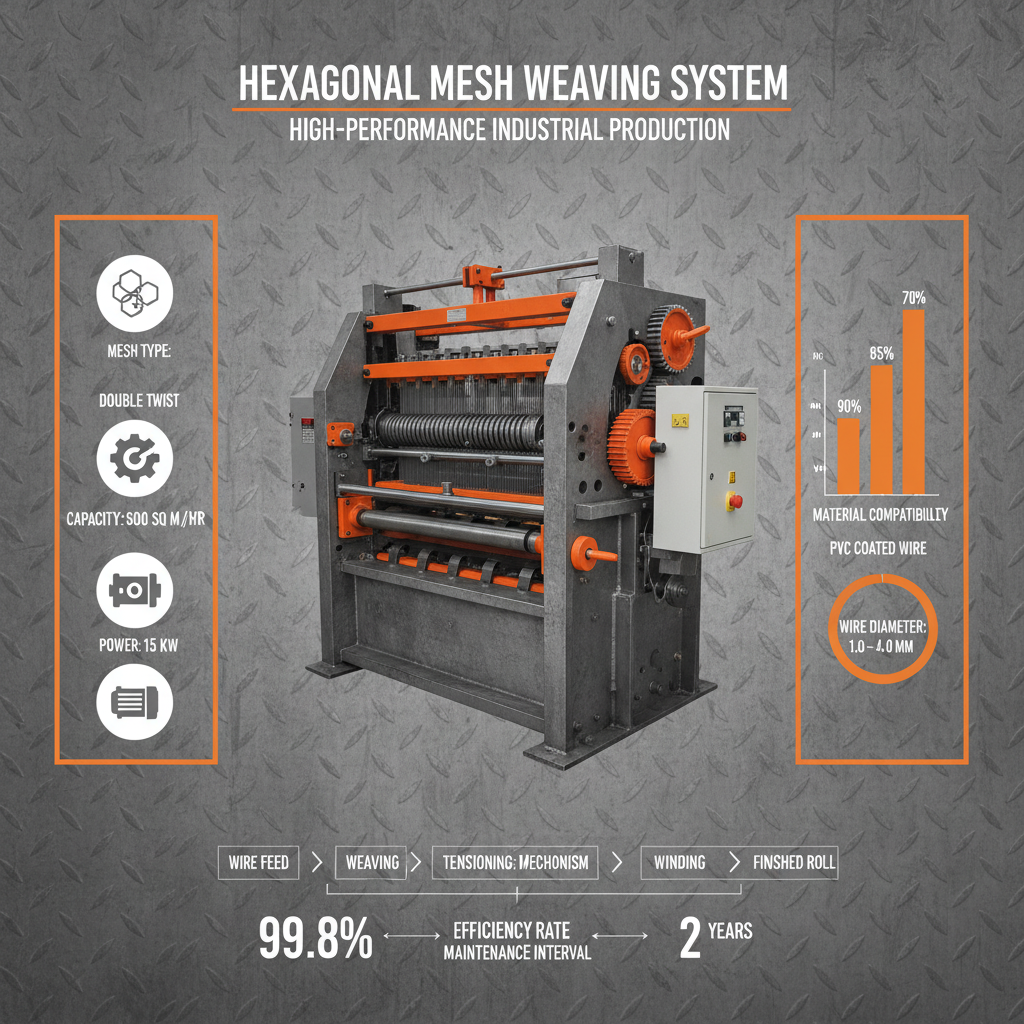
Investing in a high quality hexagonal mesh weaving machine is a crucial step for businesses seeking to optimize their production processes and deliver superior mesh products. By carefully considering your specific needs and choosing a machine with the right features and capabilities, you can ensure consistent quality, increased efficiency, and a competitive edge in the market. Don’t compromise on quality – choose a machine that will deliver reliable performance for years to come.
Most hexagonal mesh weaving machines are versatile and can handle a variety of wire types, including galvanized steel wire, stainless steel wire, PVC-coated wire, copper wire, and aluminum wire. However, it’s crucial to verify the machine’s specifications to ensure compatibility with your desired wire material. Wire diameter is also a key consideration, as machines have limitations on the minimum and maximum wire gauge they can process.
Regular maintenance is essential for ensuring the longevity and optimal performance of your hexagonal mesh weaving machine. This includes lubricating moving parts, cleaning the machine to remove debris and wire scraps, inspecting and replacing worn components (such as shuttles and needles), and regularly checking the tensioning system. Following the manufacturer's recommended maintenance schedule is crucial.
Reputable manufacturers prioritize safety and include several features to protect operators. These typically include emergency stop buttons, protective guards around moving parts, and safety interlocks that prevent operation when guards are removed. Proper training on machine operation and safety procedures is also essential. Always refer to the machine's safety manual for detailed instructions.
Lead times for new machines can vary depending on the manufacturer, the machine's complexity, and current production schedules. Generally, lead times range from 4 to 12 weeks. It’s best to contact HT Mesh Machines directly for a more accurate estimate based on your specific requirements.