Hit enter to search or ESC to close
20 January 2026
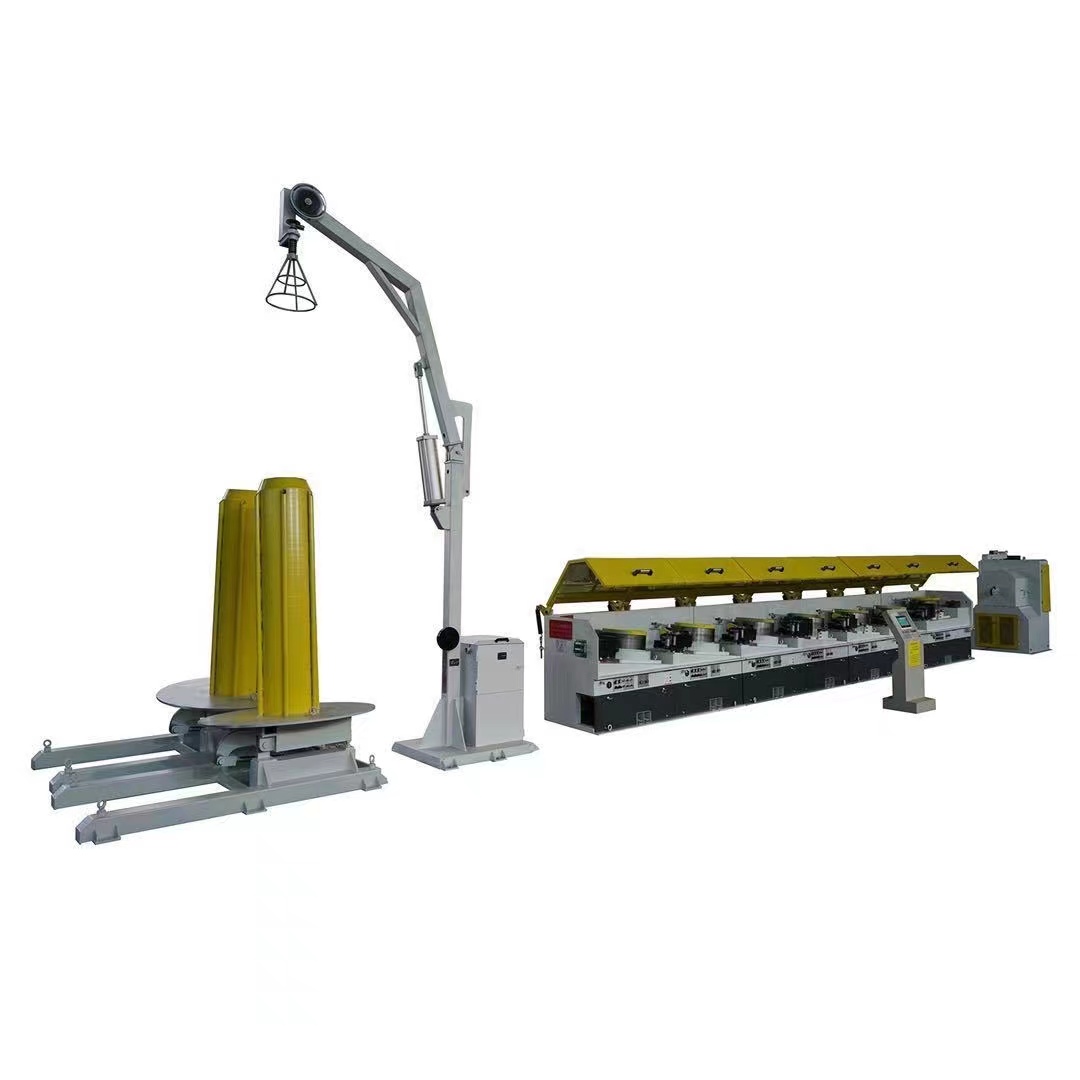
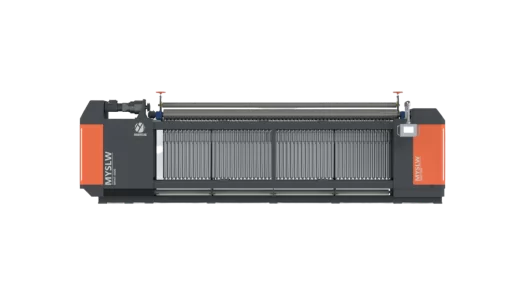
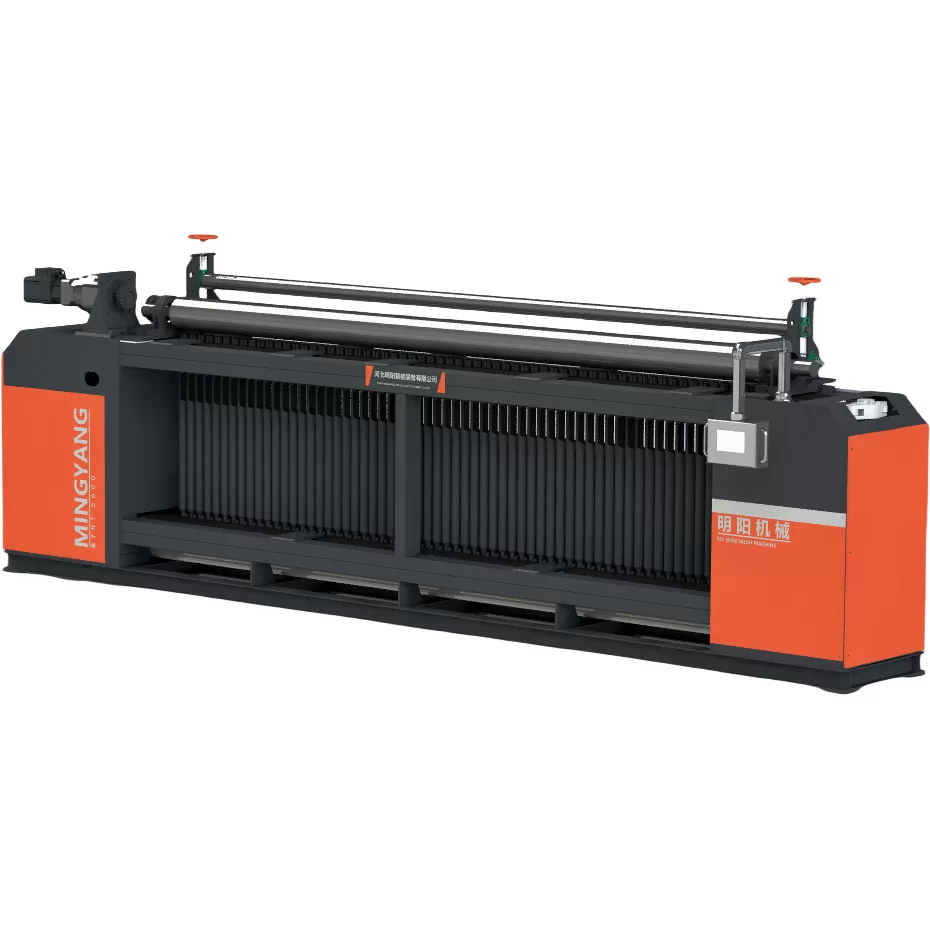
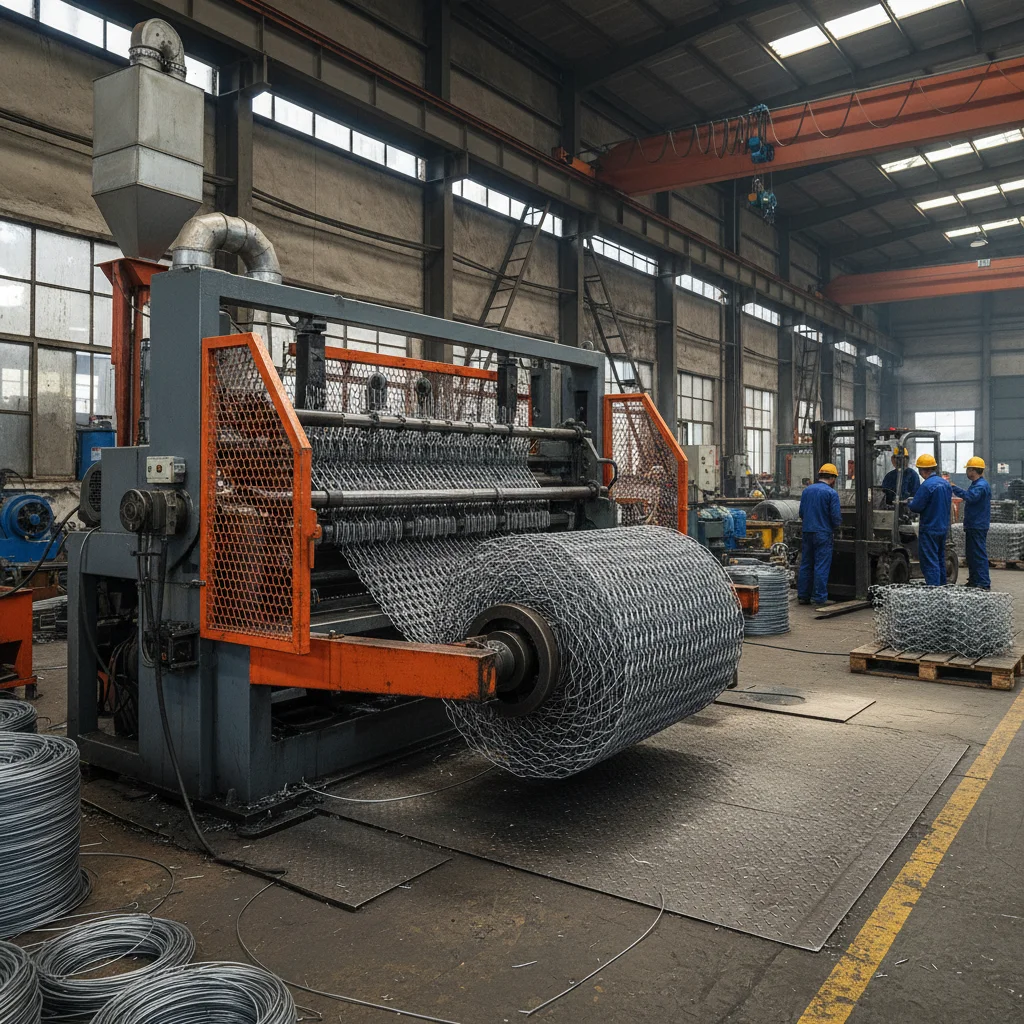
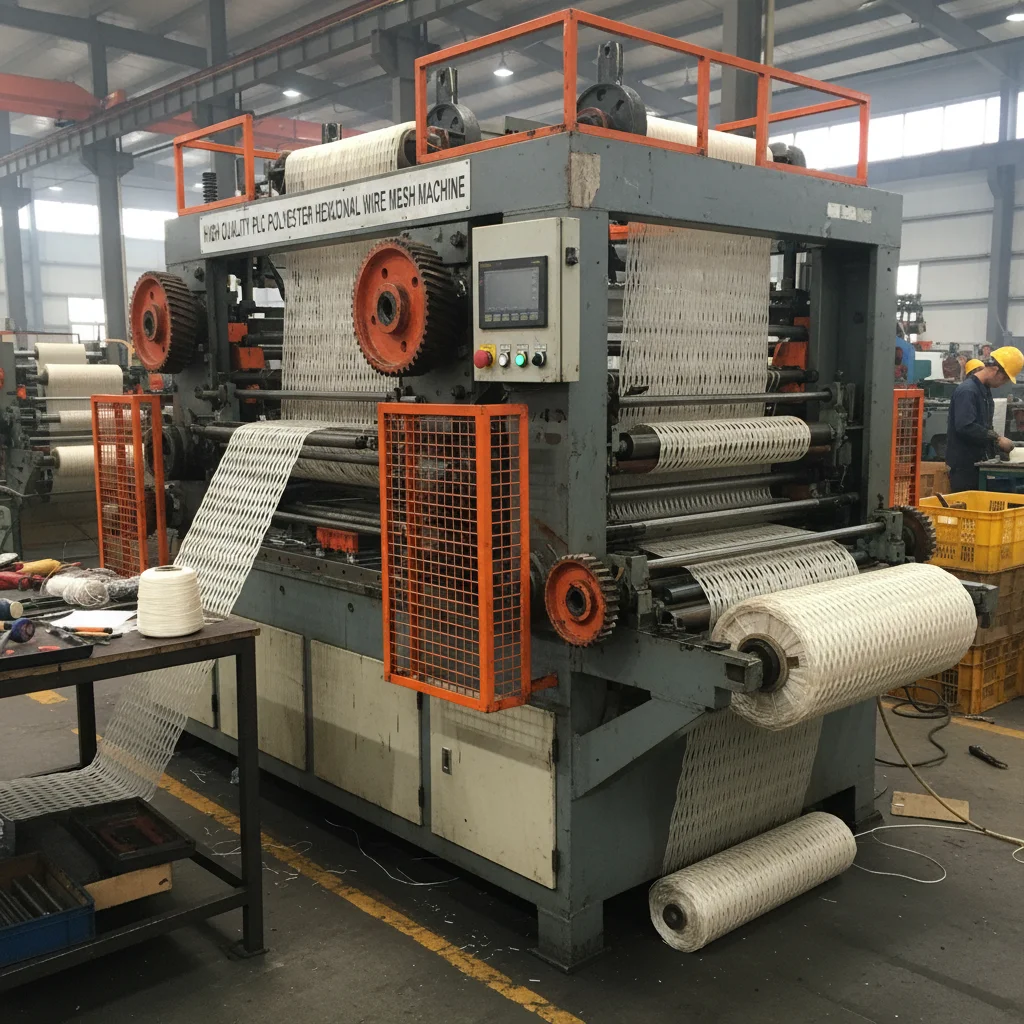
When I first visited a riverside reinforcement jobsite last year, the crew were joking that the real hero was the machine that made the cages. They're not wrong — the [gabion wire mesh machine,gabion mesh machine] has quietly become the backbone of modern civil and landscape projects. To be honest, these machines are as much about repeatable accuracy as they are about speed.
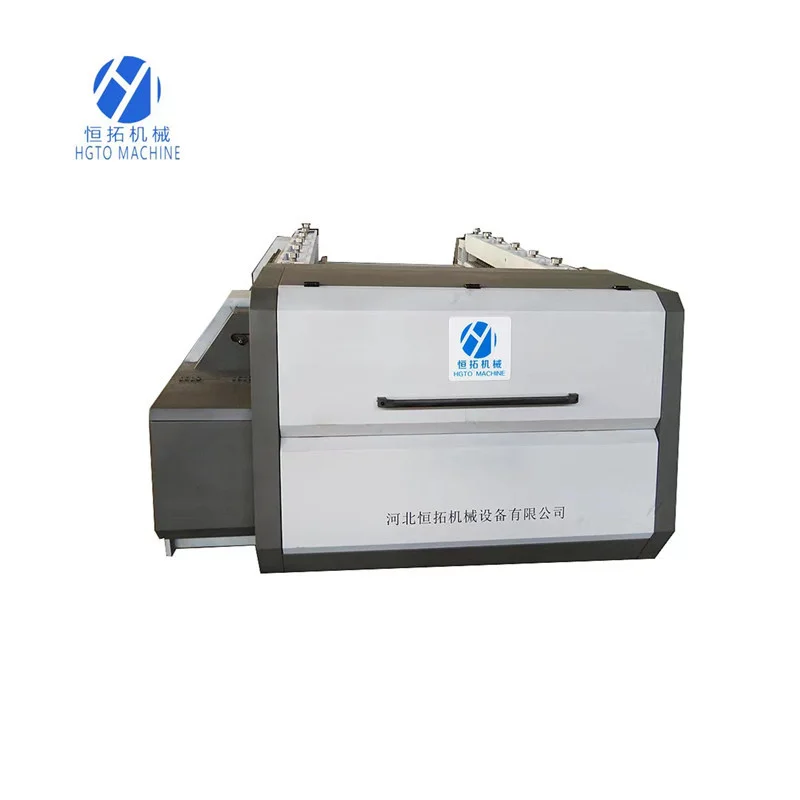
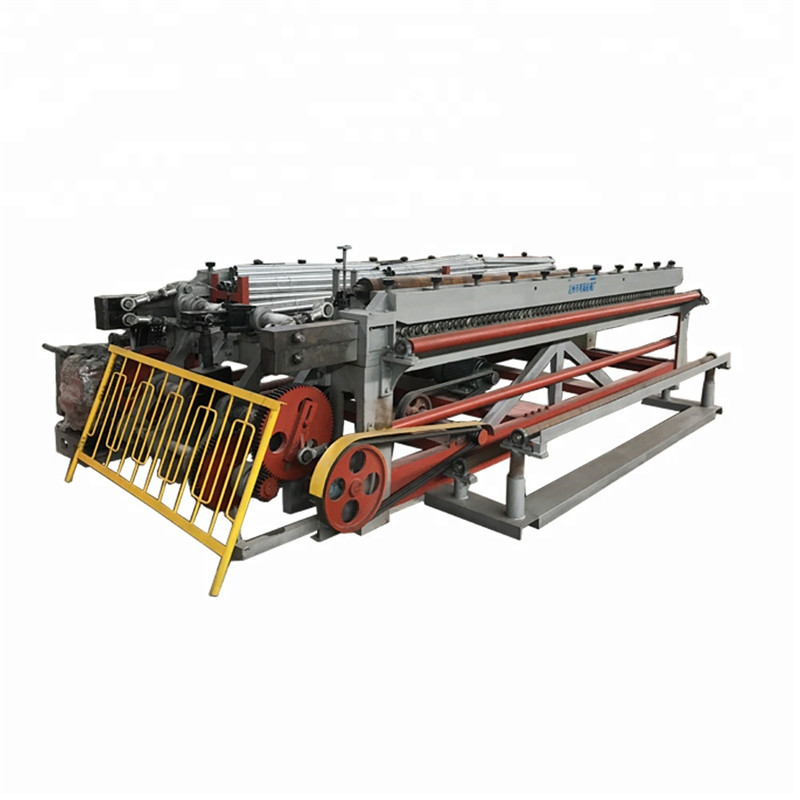
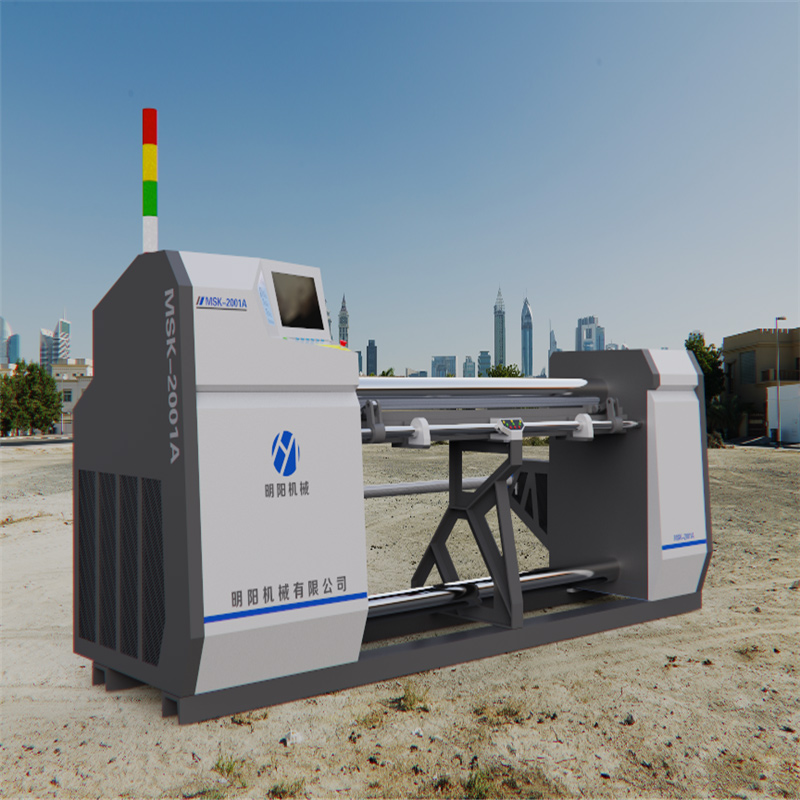
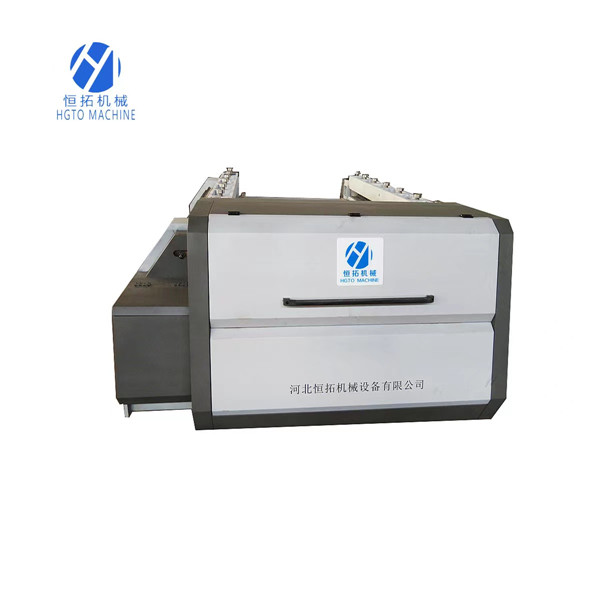
The Horizontal Gabion Wire Mesh Making Machine is designed for wide-purpose mesh production with good corrosion and oxidation resistance — ideal for stone cages, isolation walls, poultry fences and more. It features better mechanical structure, higher machining accuracy, faster weaving speed, and PLC built-in double-twist control: one-key switching between three and five twists (no manual debugging). Dual counting modes (mesh/roll) are also built-in — small but practical improvements that save time on big jobs.
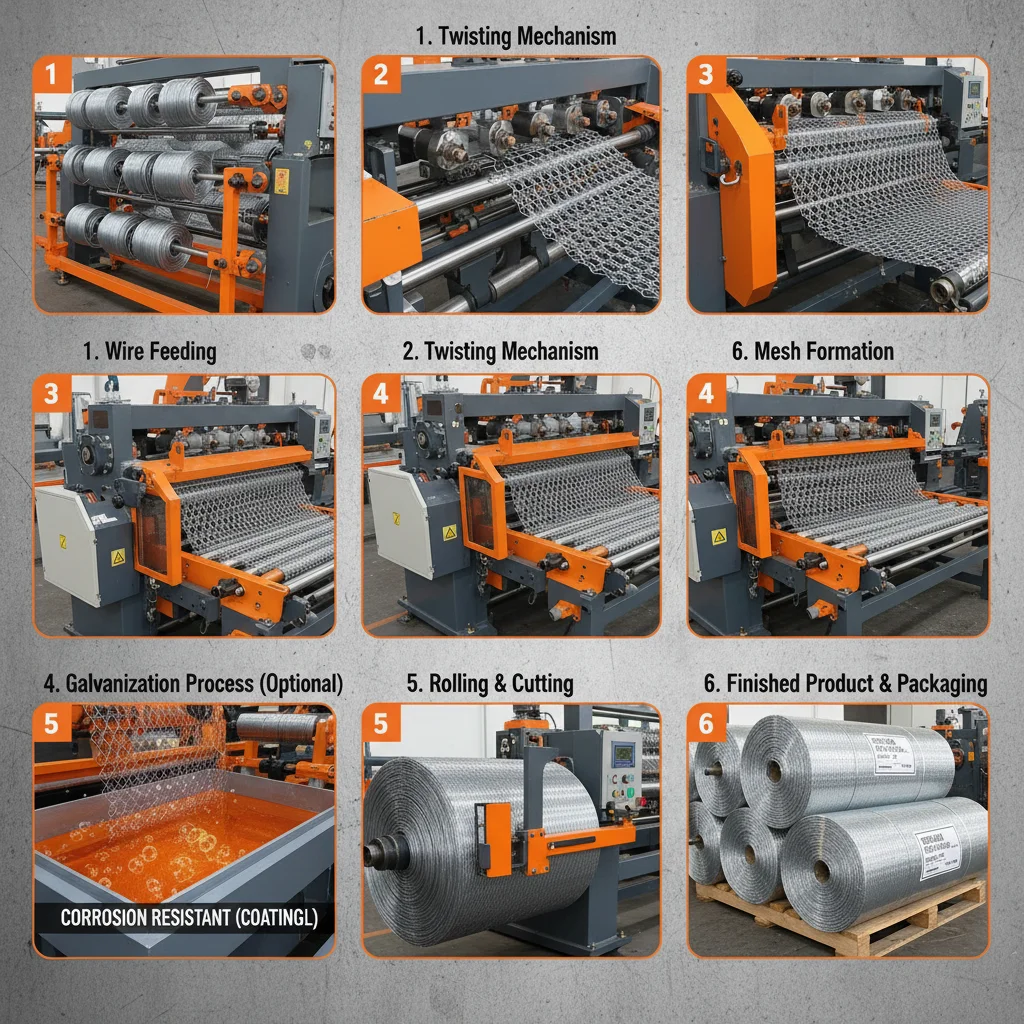
1. Wire feeding: low-carbon steel or stainless wire, diameter ≈ 2.0–4.0 mm depending on spec.
2. Galvanizing/Coating: hot-dip galvanize or PVC coating to meet corrosion requirements.
3. Weaving/Twisting: horizontal double-twist weaving (3 or 5 twists selectable via PLC).
4. Cutting/Counting: automated mesh/roll counting; roll wrapping if required.
5. Inspection & testing: visual, dimension check, coating adhesion and tensile tests against common standards.
Spec | Value (approx.) |
Wire diameter | ≈ 1.0–4.0 mm |
Mesh size (eye) | ≈ 60–200 mm |
Twists | 3 / 5 (PLC one-key switch) |
Weaving speed | varies, up to ≈ 20 m/min (real-world use may vary) |
Control | PLC, dual counting (mesh/roll) |
Quality teams usually request coating and tensile tests: e.g., ASTM A641 (zinc-coated steel), coating adhesion, and dimensional checks. Many suppliers can provide ISO 9001-based quality documentation and CE declarations upon request — it's worth asking. In typical rural/urban use with galvanizing or PVC coating, gabion structures can last ≈ 30–50+ years; coastal or chemically aggressive environments shorten life unless stainless wire is used.
Vendor | Strengths | Notes |
HTMeshMachines | PLC double-twist, dual counting, patented design | Good for production lines; national patents |
Competitor A | Lower capital cost | May need more manual adjustments |
Competitor B | High speed, modular | Higher maintenance complexity |
One municipal contractor reported 20% faster line output after swapping to a horizontal model with PLC twist control — surprising given they expected only incremental gains. Many customers say the dual counting mode reduced human error during batch runs.
Customization is common: wire feed modules, coating pre-treatment, and roll-wrapping options are often tailored. If you need to spec machines for coastal projects, ask for stainless wire compatibility and corrosion test reports.
If you're evaluating a gabion wire mesh machine,gabion mesh machine, ask for test reports, PATENT numbers, and references. Small due diligence up-front saves headaches later — I've learned that the hard way.
1. Product page: Horizontal Gabion Wire Mesh Making Machine — HTMeshMachines. https://www.htmeshmachines.com/product/horizontal-gabion-wire-mesh-making-machine-product.html
2. ASTM A641 — Standard Specification for Zinc-Coated (Galvanized) Steel Wire (common reference for coating quality).
3. ISO 9001 — Quality management systems (manufacturer quality processes may be certified).