Hit enter to search or ESC to close
29 October 2025
Walk into any perimeter security plant and the hum you hear usually comes from a concertina wire machine. To be honest, it’s the unsung hero behind border fences, prison perimeters, and critical infrastructure lines. I’ve spent enough time on factory floors to know: consistency is everything.
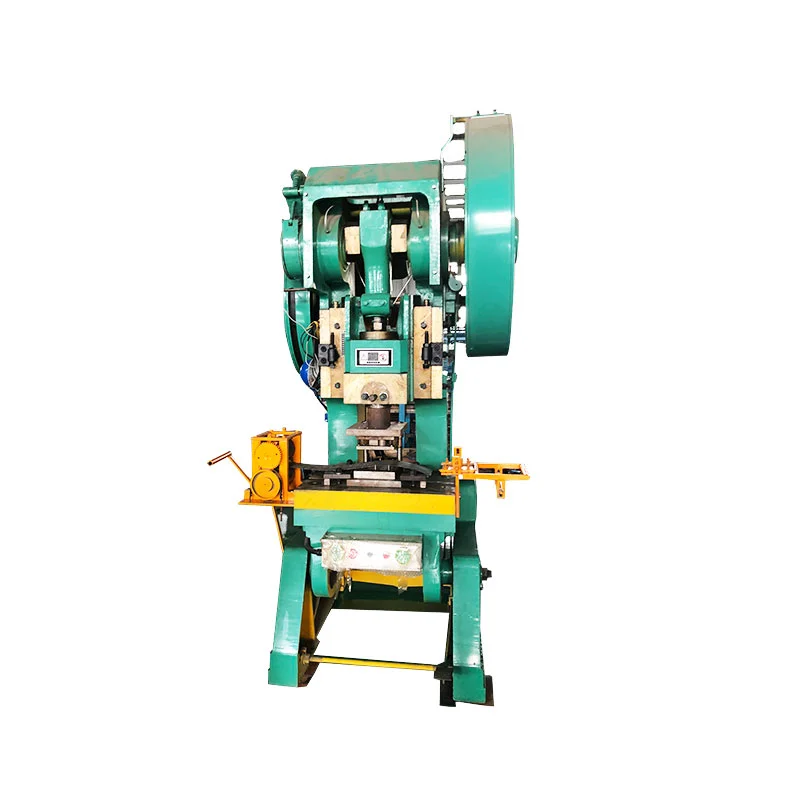
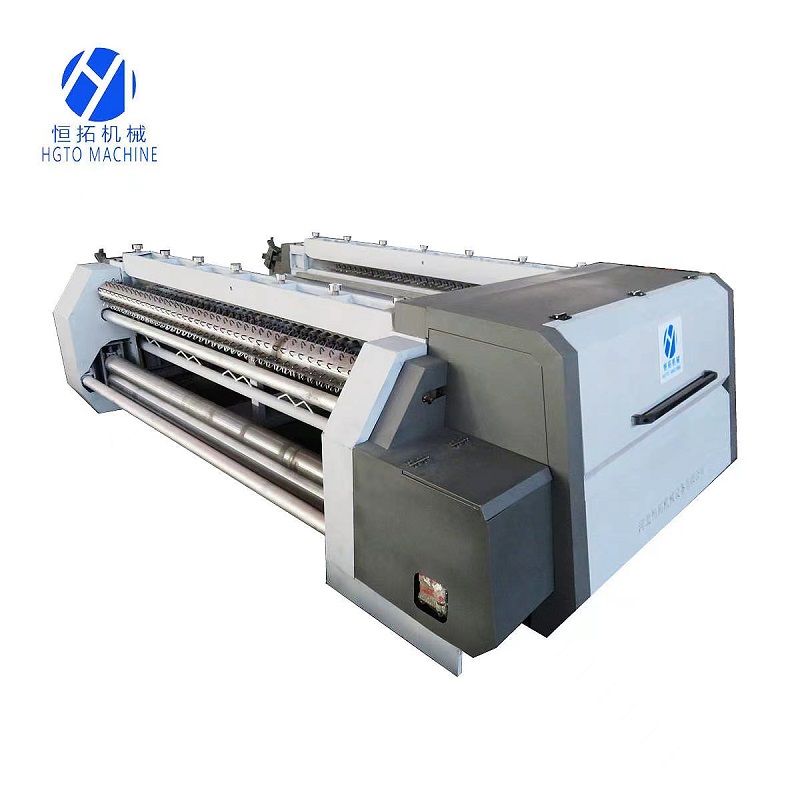
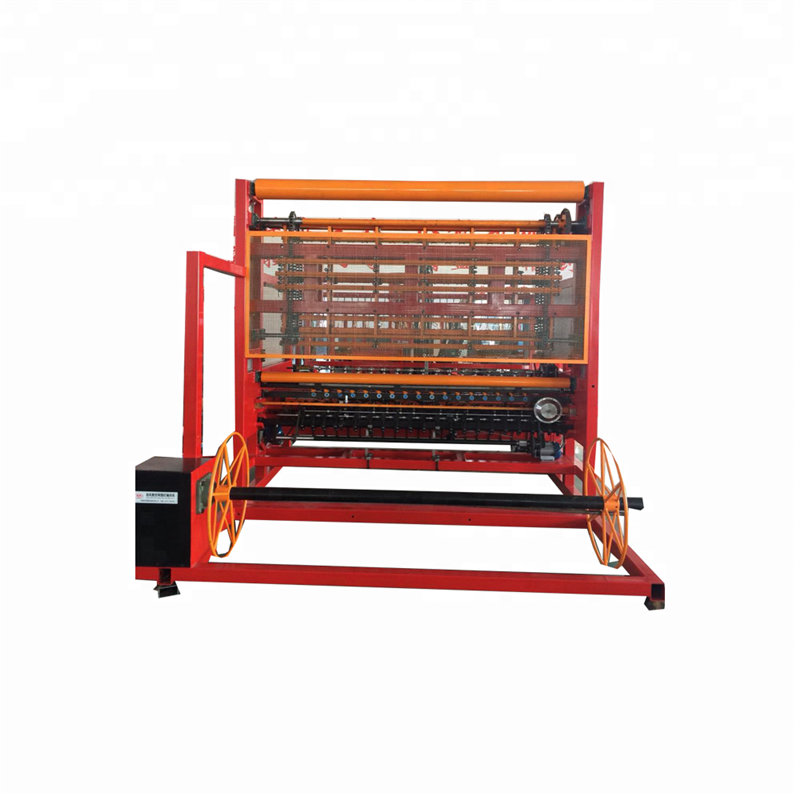
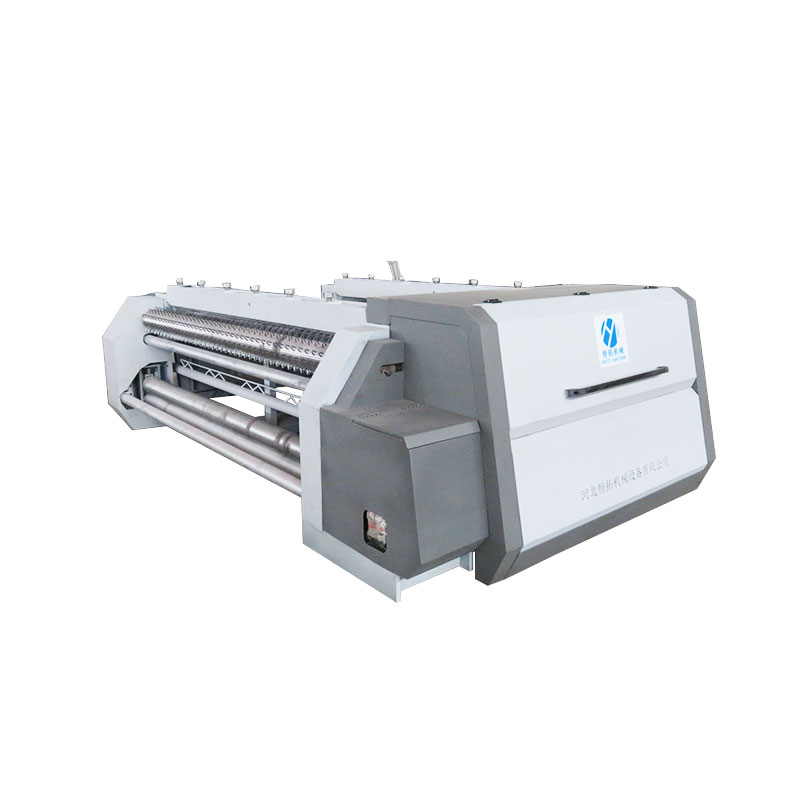
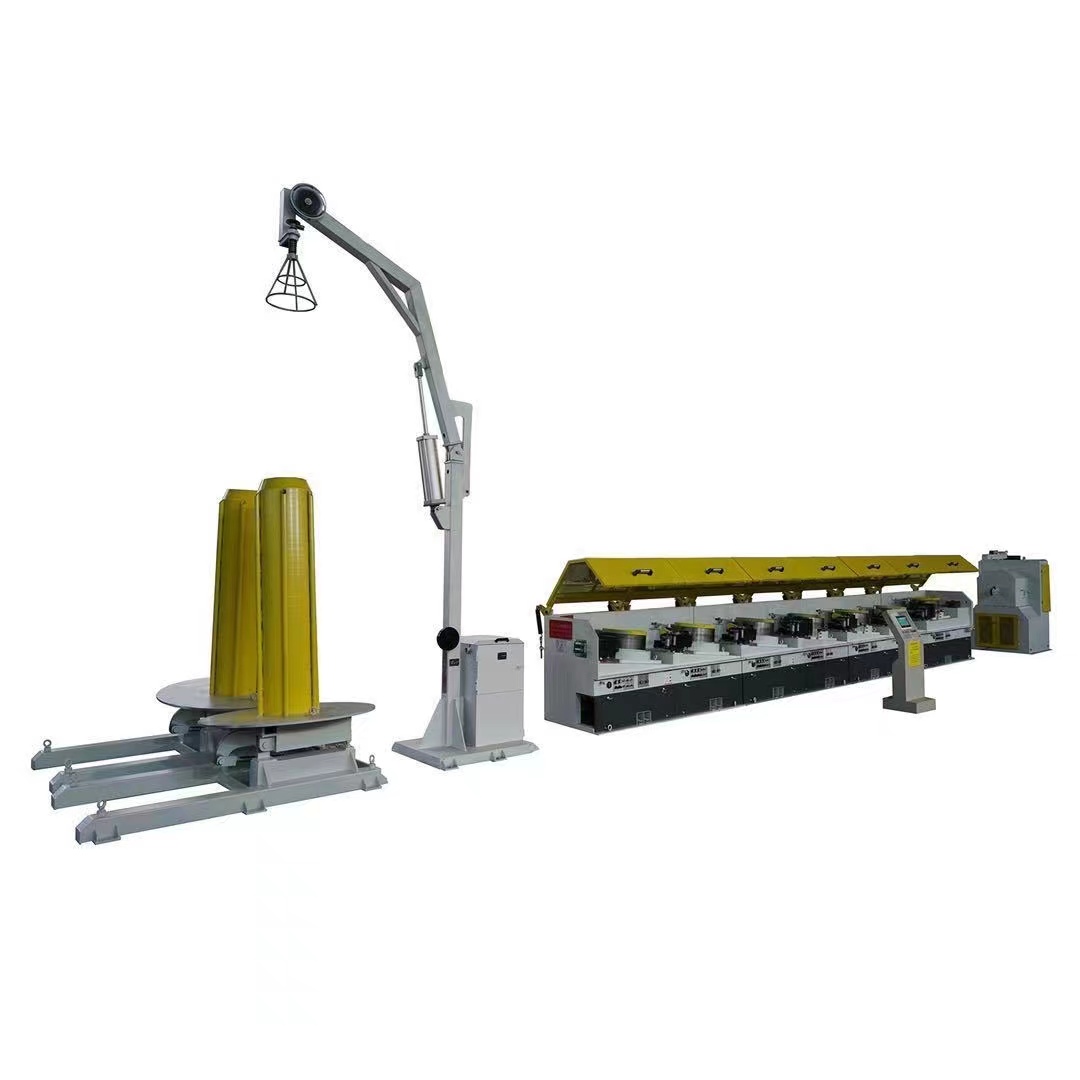
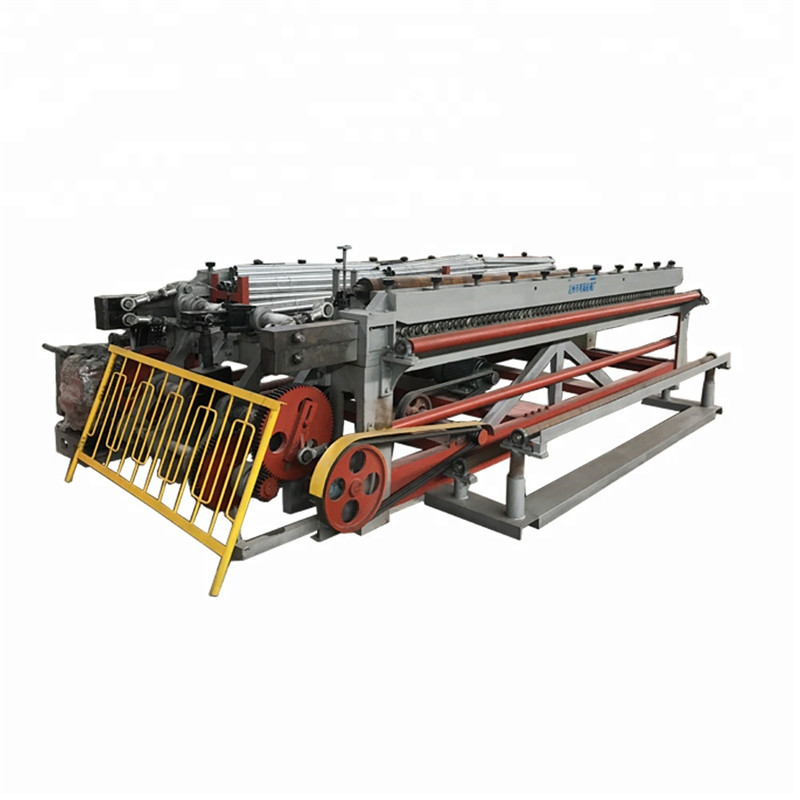
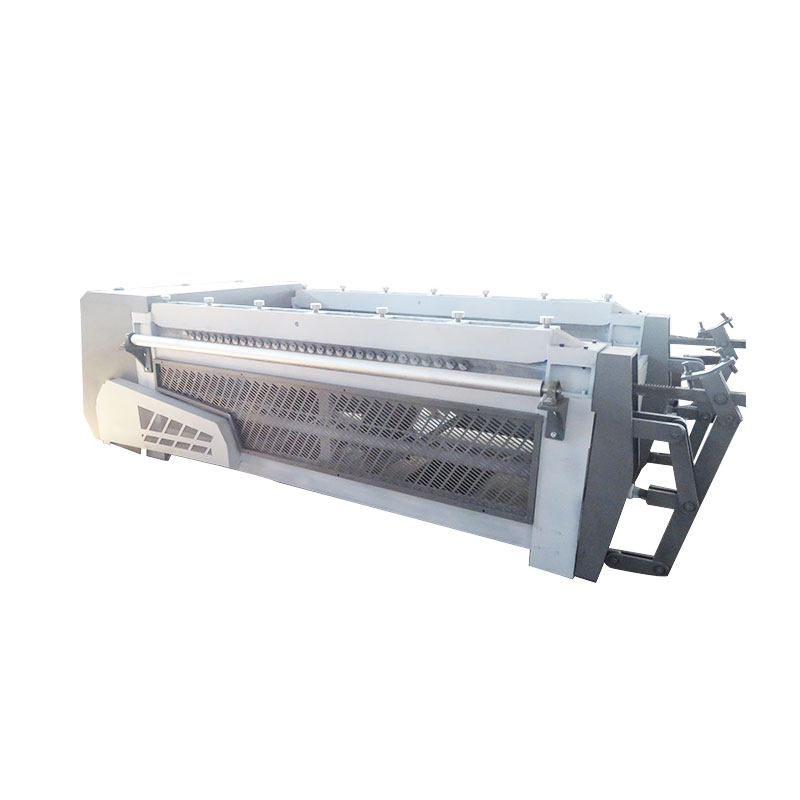
This razor barbed wire machine is essentially two systems working in concert. The punching press cuts galvanized or stainless steel tapes into razor profiles (BTO-22, CBT-65, etc.) using precision molds. Then the coiling unit wraps the razor strip onto a high-tensile core wire and winds finished coils. Many customers say the latest PLC+servo feeders have reduced scrap by a surprising margin.
Trends? Higher line speeds with better burr control, more stainless options for coastal sites, and digital QA. In fact, remote diagnostics on a concertina wire machine has become a practical expectation, not a luxury.
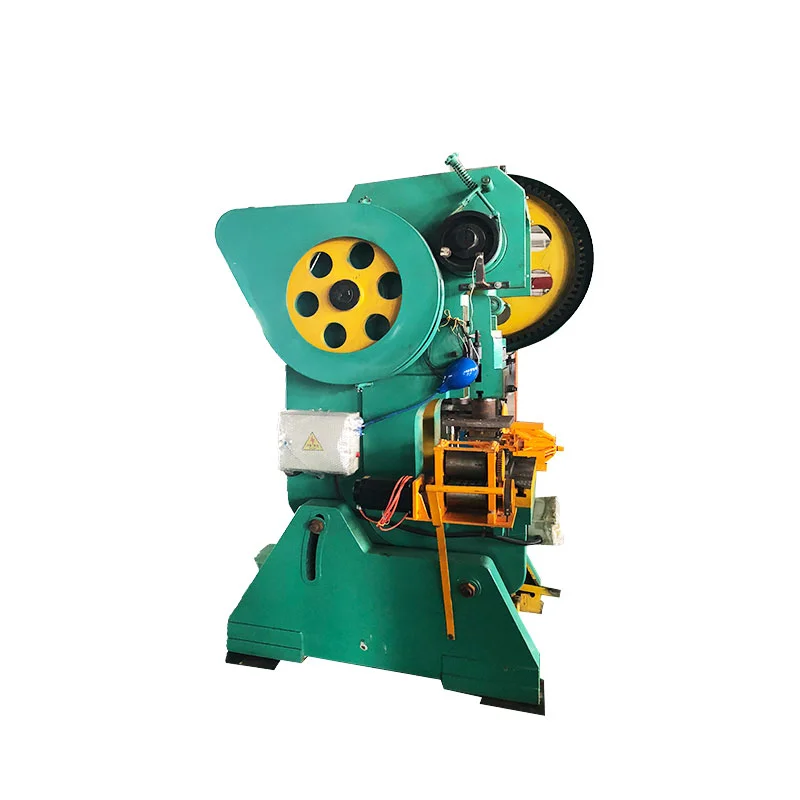
Parameter | Concertina Razor Blade Barbed Wire Making Machine |
Press capacity | ≈ 25–40 ton |
Strip thickness | 0.5–0.6 mm (GI/SS 304/316) |
Core wire | 2.5–2.8 mm, 700–1200 MPa |
Blade profiles | BTO-10/12/22, CBT-60/65 |
Line speed | 60–120 m/h (material-dependent) |
Coil OD / pitch | 450–980 mm / 100–300 mm |
Controls | PLC + servo feeder, HMI touch screen |
Power | ≈ 8–15 kW total connected |
Materials: hot-dip galvanized steel strip (EN 10244-2), stainless 304/316 for marine sites, zinc-coated high-carbon core wire (ASTM A641). Method: decoiling → servo feeding → precision punching → strip guiding → crimping and wrapping onto core → coil winding → binding and labeling. QA: burr height check (≤0.1–0.2 mm target), blade symmetry, zinc coating mass, tensile test on core wire, and ISO 9227 salt-spray exposure (48–500 h depending on coating). Service life is roughly 10–25 years; coastal or industrial atmospheres shorten it—no miracle there.
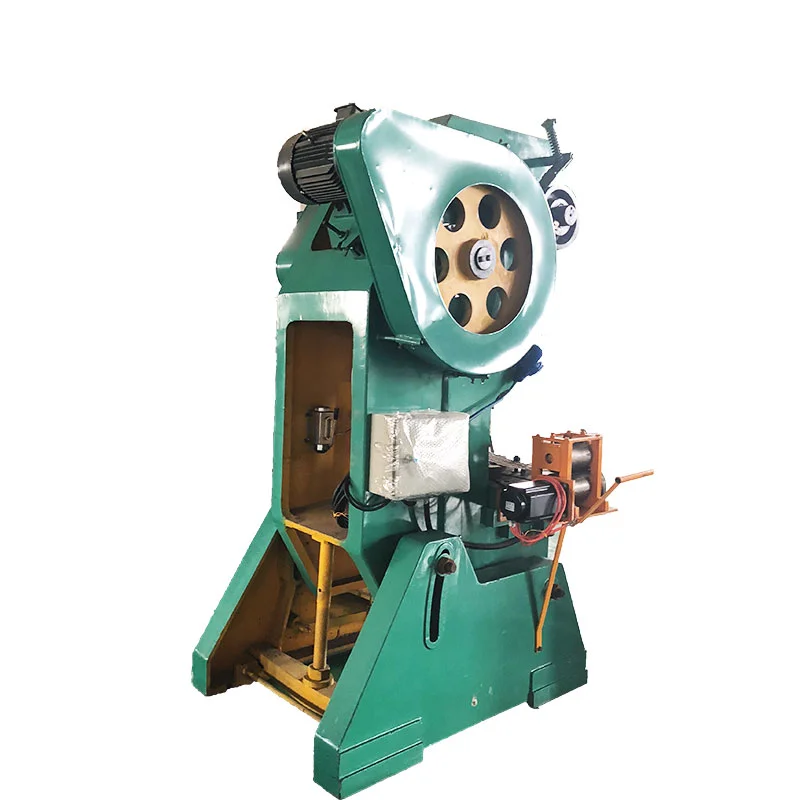
Border security, correctional facilities, power and water plants, airports, logistics yards, mining camps. A concertina wire machine configured for CBT-65 is common on high-threat perimeters; BTO-22 suits commercial fencing.
Switchable molds for blade types, coil OD/pitch presets, stainless upgrade kits, automatic coil counter and stacker, and closed-loop burr monitoring. The razor wire machine can be matched with a decoiler and automatic packing line for lights-out shifts—actually very handy on night runs.
Vendor | Certs | Throughput | Warranty | Customization |
HT Mesh Machines | ISO 9001 | High (servo) | 12–18 months | Molds, PLC, coil options |
Vendor X | ISO 9001 (claimed) | Medium | 12 months | Limited |
Vendor Y | — | Medium–Low | 6–12 months | Basic |
From a Gulf seaport install: switching to stainless strip on a concertina wire machine cut corrosion complaints by half over 18 months. Another user—an energy utility—reported 8% less scrap after calibrating feeder pressure. Small tweaks, big dividends.
Lockout-tagout procedures are non-negotiable; guards around the press and coiler are standard. Ask for documented material traceability and coating certificates tied to EN/ASTM lot numbers. It seems basic, but auditors do ask.
razor barbed wire machine, concertina wire making machine, razor wire machine, razor wire making machine.
1. ASTM A641/A641M – Zinc-Coated (Galvanized) Carbon Steel Wire.
2. EN 10244-2 – Steel wire and wire products: Non-ferrous metallic coatings.
3. ISO 9227:2017 – Corrosion tests in artificial atmospheres (salt spray tests).
4. ISO 9001:2015 – Quality management systems requirements.