Hit enter to search or ESC to close
25 November 2025
Wire drawing—the process of reducing the diameter of metal wire by pulling it through dies—has been a backbone of electrical, construction, and manufacturing industries worldwide for over a century. Now, the wet wire drawing machine is stepping into the spotlight as a crucial piece of equipment that improves efficiency, quality, and sustainability on a global scale.
Why is this important? Well, industries need better-performing wires that meet rising demands for connectivity and durability, especially given rapid urbanization and digital infrastructure demands worldwide. Getting the wire right at the production stage, particularly with high tensile strength and surface finish, makes a massive difference globally. Plus, the environmental footprint—especially the consumption of energy and lubricants during wire production—has to shrink to align with global sustainability goals.
In this artile, we’ll dive into what a wet wire drawing machine really is, why it’s becoming a must-have, and how it’s shaping industries from Asia’s sprawling factories to Europe’s green industry frontlines.
Globally, the demand for wire products is steady and growing. According to ISO, the wire and cable industry directly supports infrastructure development in both developing and developed regions. However, challenges abound:
· Energy consumption: Wire drawing can be energy-intensive.
· Material wastage: Poor surface quality leads to scrap.
· Environmental pollution: Traditional drawing lubricants are often petroleum-based.
Wet wire drawing machines address many of these problems by incorporating water or water-based solutions as lubricants and coolants, reducing heat and improving the wire’s surface quality in a sustainable way. For heavy industries moving towards green manufacturing, this technology isn’t just optional—it’s becoming essential.
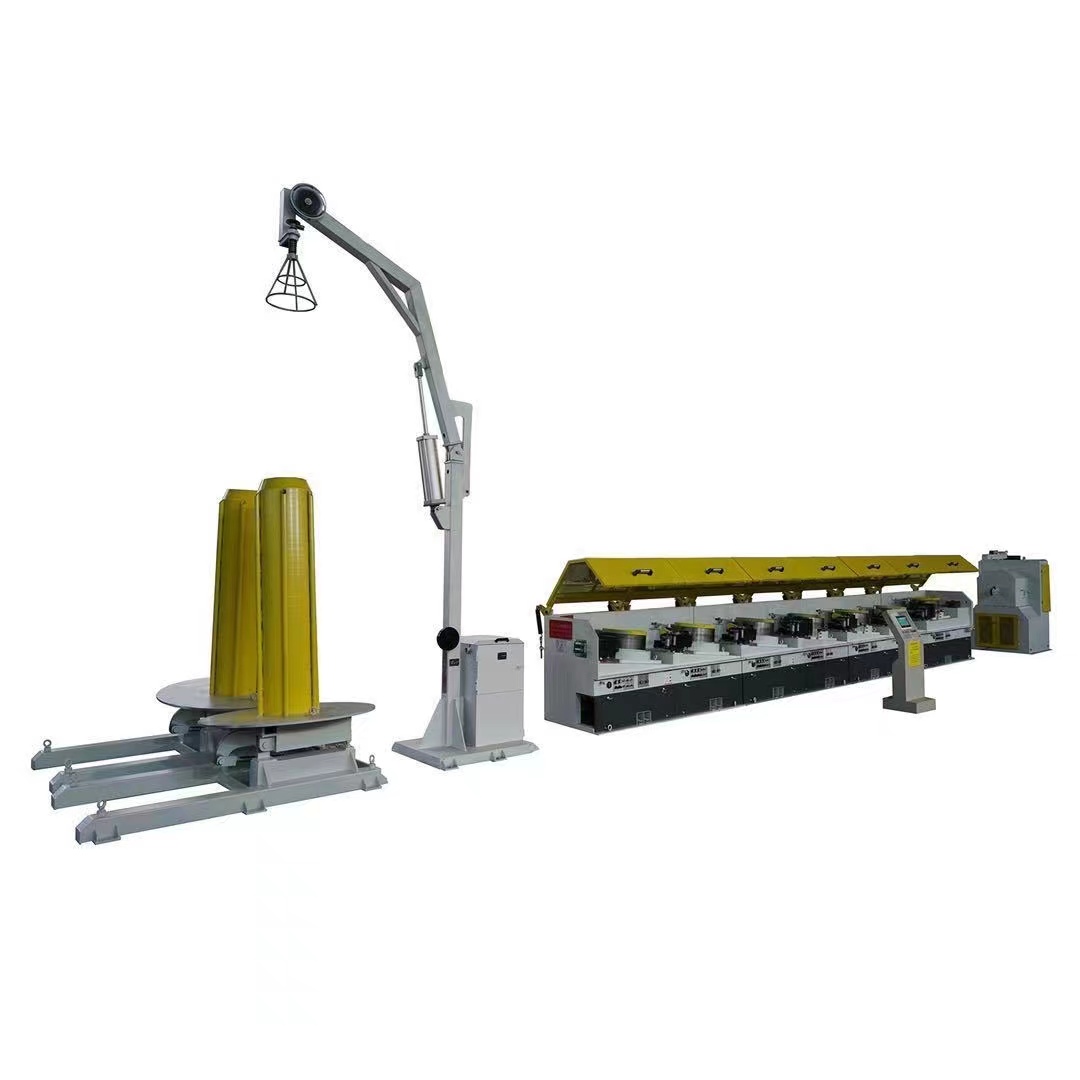
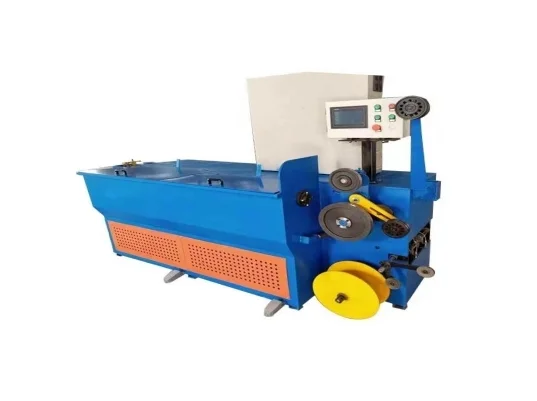
In simple terms, a wet wire drawing machine draws metal wire through progressively smaller dies while simultaneously cooling and lubricating the process with a liquid medium, usually water combined with soluble oils or eco-friendly lubricants. This contrasts with dry wire drawing, where lubrication is typically minimal or powdered, leading to higher friction and heat.
From manufacturing copper cables for telecommunications to producing steel wire for construction, wet wire drawing machines help industries deliver higher quality wire with fewer surface defects, less diameter variation, and lower residual stresses.
The global push for better infrastructure and cleaner production makes wet wire drawing an important part of modern supply chains. Not only do manufacturers benefit economically, but the quality of the wire impacts everything from renewable energy installations (like wind turbines) to disaster-response telecommunications networks.
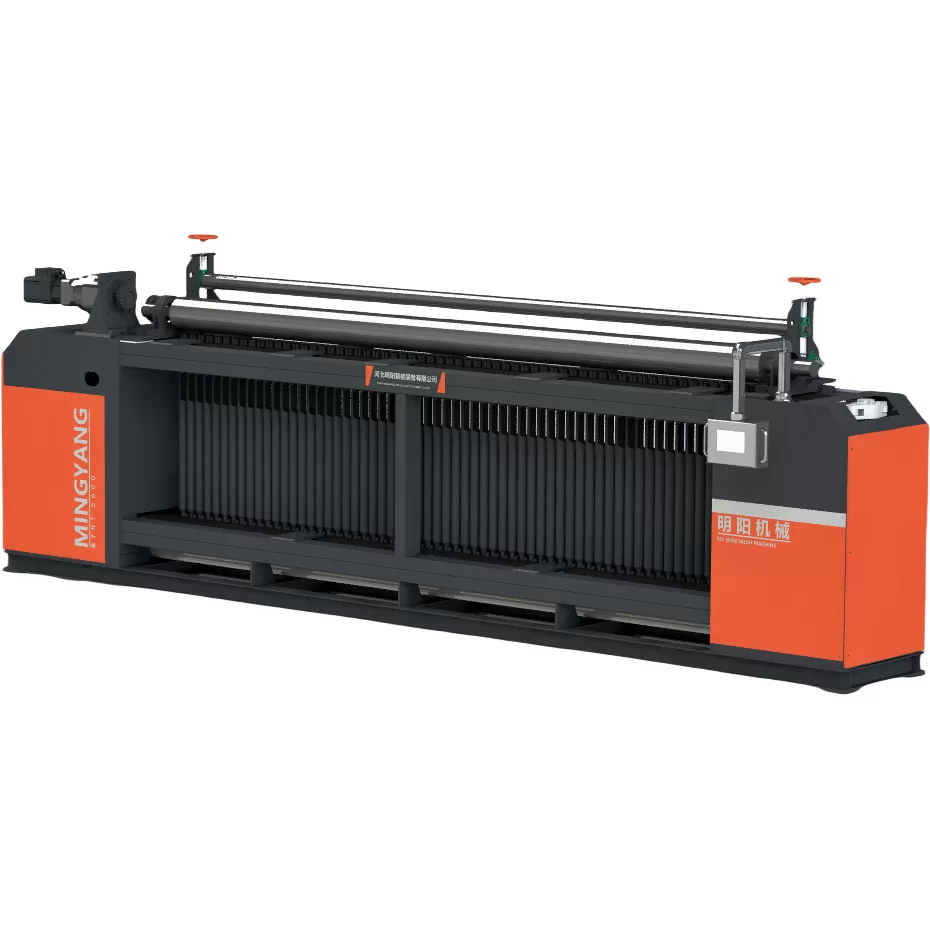
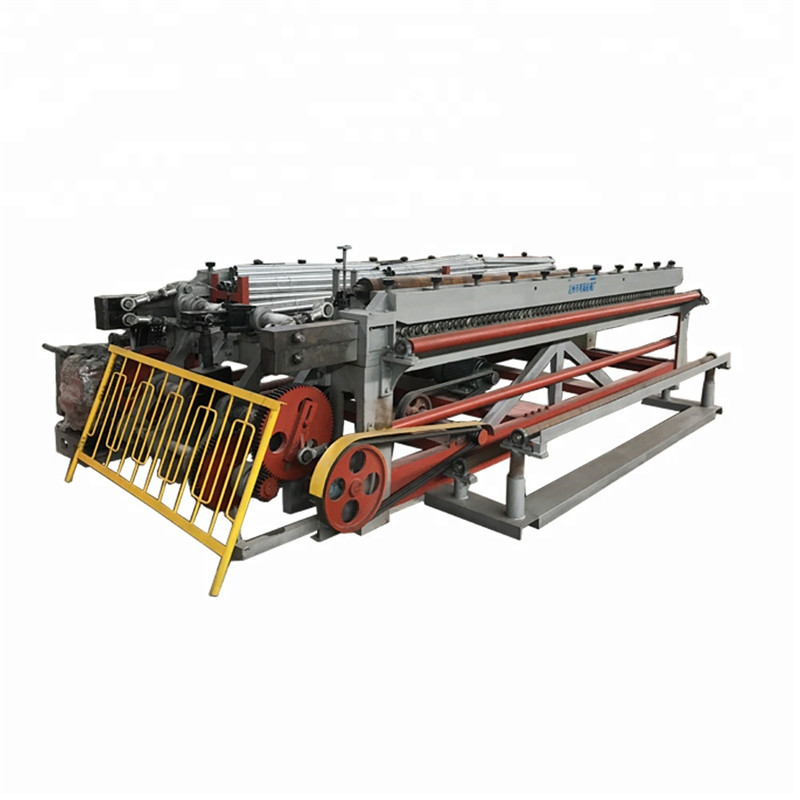
This machine must withstand constant mechanical stress and corrosion from water-based lubricants. Manufacturers often build components from stainless steel or coated alloys to extend service life.
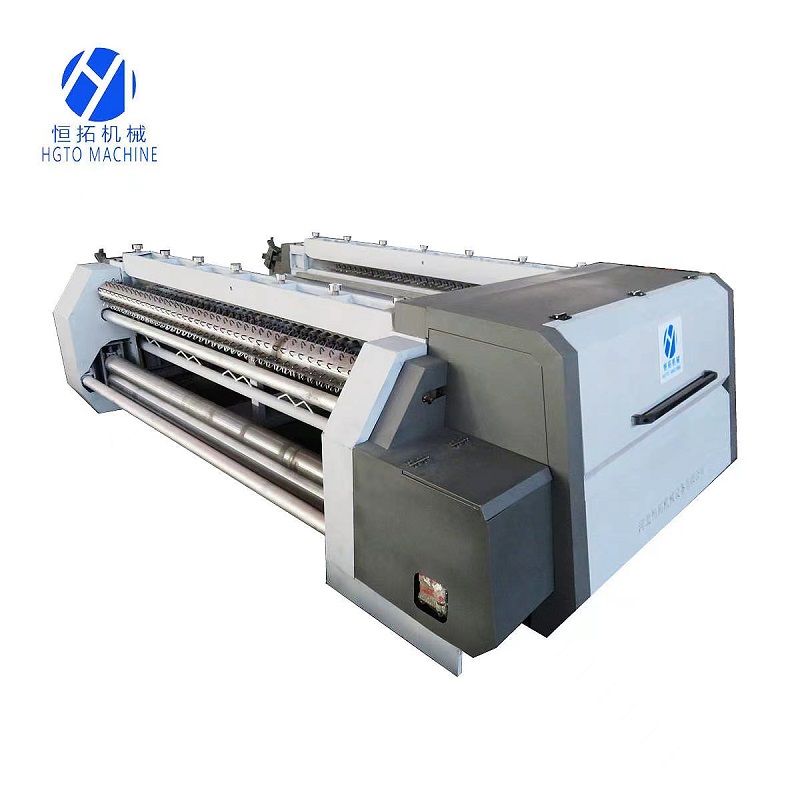
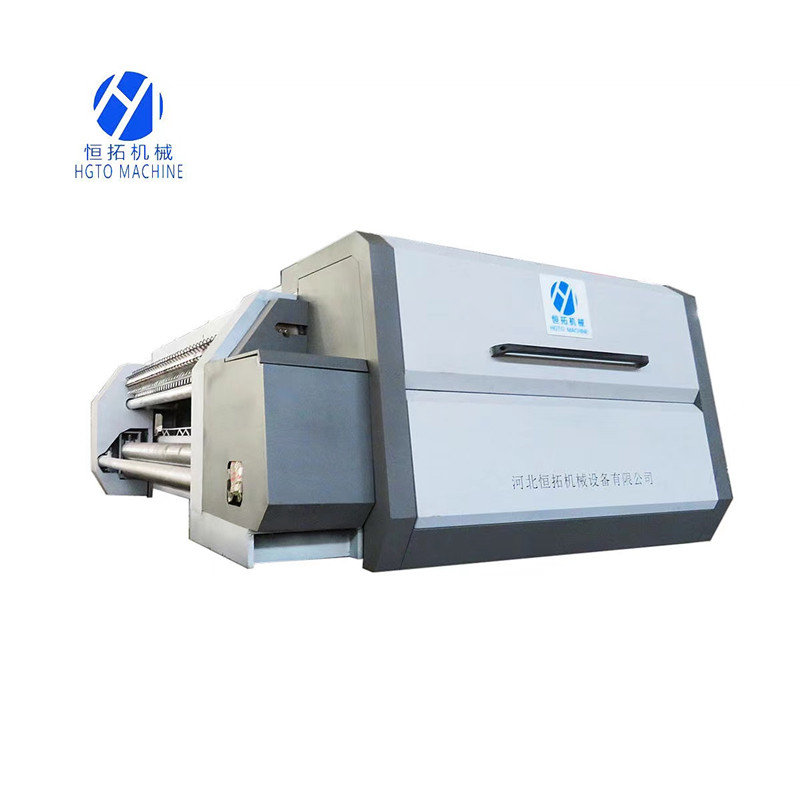
They come in various sizes—from compact units for smaller factories to large-scale machines capable of producing kilometers of wire continuously. This flexibility lets industries adapt to varying production volumes and wire specifications.
Modern machines include digital tension and speed controls to maintain consistent wire draw rates, minimizing defects while accommodating different metal types.
Wet wire drawing consumes less energy than dry alternatives due to reduced friction and heat generation. Many machines also recycle water and lubricant to lower consumption.
Despite higher upfront investments, the improved yield and lower scrap rates often pay back quickly through operational savings and higher wire quality.
Wet wire drawing machines blend mechanical robustness with digital precision to meet the rising demand for quality wire products at a global scale—especially under rising environmental standards.
These machines find their way into:
· Asia: Massive cable manufacturing hubs in China and India use wet drawing to meet local infrastructure booms.
· Europe: Countries focus on sustainable practices—wet drawing fits the green industrial agenda.
· Post-disaster zones: Emergency cable production facilities use these portable or modular setups to rebuild communication immediately after floods or earthquakes.
· Remote industrial zones: Mining operations needing high-quality steel wire rope depend on wet wire drawing machines for durability and consistency.
One interesting use case comes from Southeast Asia, where a major cable manufacturer switched to wet wire drawing machines and saw a 15% reduction in energy use and close to zero rejected wire in the first year. This boosted profits and improved worker safety due to reduced heat exposure.
Specification | Value |
Wire Diameter Range | 0.1 mm – 6.0 mm |
Drawing Speed | 5 – 40 m/s |
Drive Type | Variable frequency AC motor |
Lubrication | Water-based oil emulsion or synthetic solutions |
Control System | Digital tension and speed regulation |
Power Consumption | 4 – 10 kW (depending on size) |
Vendor | Price Range (USD) | Key Features | Support & Warranty |
HT Mesh Machines | $35,000 – $120,000 | Energy-saving tech, integrated cooling system, modular design | 24-month warranty, 24/7 global remote support |
WireTech Solutions | $40,000 – $130,000 | AI-based tension control, eco lubricant integration | 18-month warranty, onsite technician visits |
Global Wire Systems | $30,000 – $115,000 | Customizable sizes, remote diagnostics | 12-month warranty, online knowledge base |
It’s easy to just think "smaller, quieter, faster," but the benefits run deeper:
· Cost savings: Lower scrap rates and more efficient energy use help your bottom line.
· Sustainability: Reduced lubricant waste and water recycling options align with ISO 14001 environmental standards.
· Improved Reliability: Wires drawn wet have fewer micro-cracks—translating into longer-lasting cables and less maintenance.
· Safety and Worker Comfort: Less heat generation means safer working conditions in factories.
· Innovation Edge: The ability to integrate with digital control systems supports Industry 4.0 aspirations.
The future seems pretty exciting: Many firms are already experimenting with biodegradable lubricants in wet wire drawing, cutting down industrial pollution even further.
Automation and AI-powered tension controls are becoming standard, making sure even the most complex alloy wires are processed without human error.
Also, some visionaries see wet wire drawing machines paired with renewable energy sources like solar or wind power—a neat idea that feels right in an era desperate for green solutions.
It’s not all perfect. Water contamination, maintenance of pumps, and sometimes higher upfront cost can deter some manufacturers. However, modular design improvements and continuous lubricant recycling reduce downtime and operational costs dramatically.
Some companies now offer on-site training and remote diagnostics with IoT modules to keep machines running optimally—one of those “smart” fixes that make real business sense.
Q: What benefits does wet wire drawing offer over traditional dry drawing methods?
A: Wet wire drawing reduces friction and heat by using water-based lubricants, which improves wire surface quality, reduces breakage rates, and saves energy. This results in less scrap material and lower operational costs in the long run.
Q: Can wet wire drawing machines handle different metal types like copper and steel?
A: Yes, these machines are versatile and adjustable. The system’s tension and lubrication controls can be fine-tuned to draw various metals effectively, including copper, steel, aluminum, and their alloys.
Q: How difficult is maintenance on these machines compared to dry wire drawing models?
Maintenance is slightly more involved due to water pump and filtration systems, but modern designs incorporate easy-clean components and monitoring sensors to reduce downtime and simplify upkeep.
Q: Are wet wire drawing machines environmentally friendly?
Generally yes. Wet drawing significantly reduces lubricant waste and energy usage, and many manufacturers opt for recyclable and biodegradable cooling fluids to minimize environmental impact.
Q: How do I choose the right wet wire drawing machine supplier?
Look for vendors offering reliability, after-sales support, and customization options suited to your production needs. Access to quick technical training and remote diagnostic tools is also valuable.
If you’re involved in wire production, moving toward a wet wire drawing setup just might be the game-changer you need. It’s a blend of practicality, sustainability, and innovation that pays dividends over time—not just in profitability but in how your business aligns with the future. Curious to see what models fit you best? Check out wet wire drawing machine options at HT Mesh Machines, who’ve made quite a name for delivering flexible, eco-conscious solutions for wire manufacturers worldwide.
Honestly, in a world hungry for sustainable manufacturing, this is a machine worth considering seriously. And the sooner, the better.
00001. Wikipedia: Wire Drawing