Gabion Wire: A Global Backbone for Sustainable Construction
Simply put, gabion wire is the unsung hero of many infrastructure and environmental projects worldwide. At a glance, it’s just wire mesh, right? But its role in everything from riverbank stabilization to military defense makes it globally significant — literally holding ground where it counts. Understanding gabion wire means appreciating a product that combines raw strength with flexibility, applicable across climates, economies, and emergencies.
Introduction: Why Gabion Wire Matters Globally
The world faces increasing environmental challenges—erosion, flooding, and unstable infrastructure—which compromise communities and ecosystems alike. According to the United Nations Climate Change reports, climate-related disasters affect millions every year, requiring quick, durable interventions.
Gabion wire offers a scalable, cost-effective solution to prevent soil loss, support retaining walls, and reinforce flood defenses. The World Bank has funded numerous projects integrating gabion structures in developing regions, highlighting their economic and environmental value. Yet, for all its usage, many still overlook exactly what gabion wire is and why it’s pivotal.
What Is Gabion Wire?
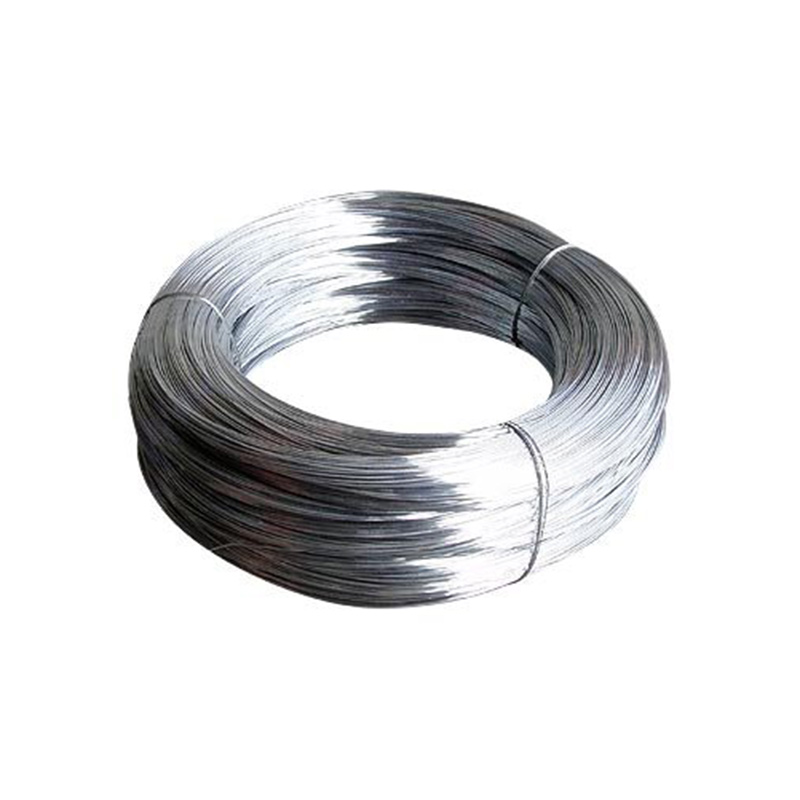
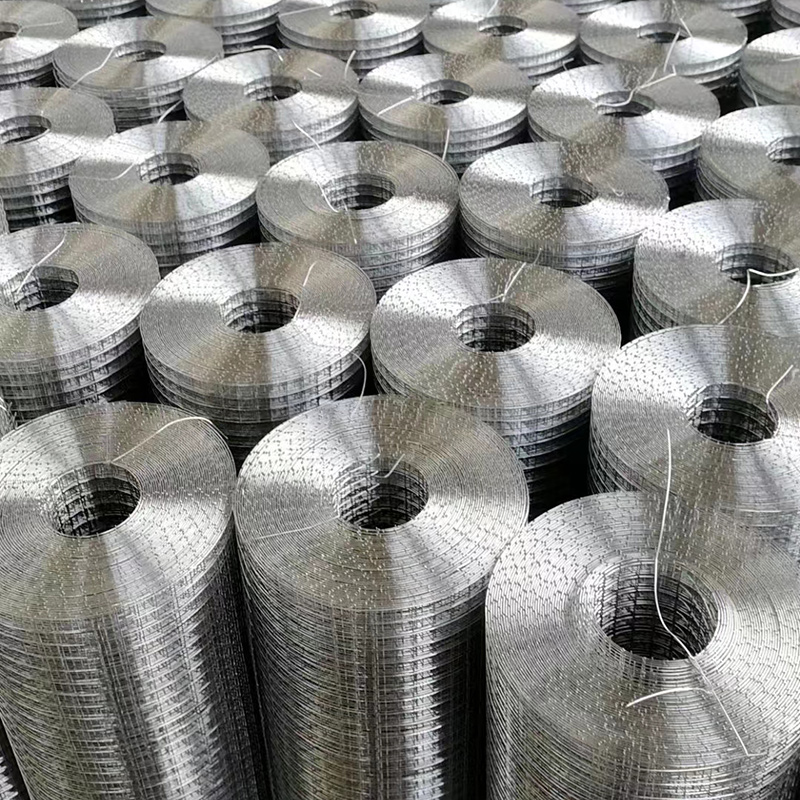
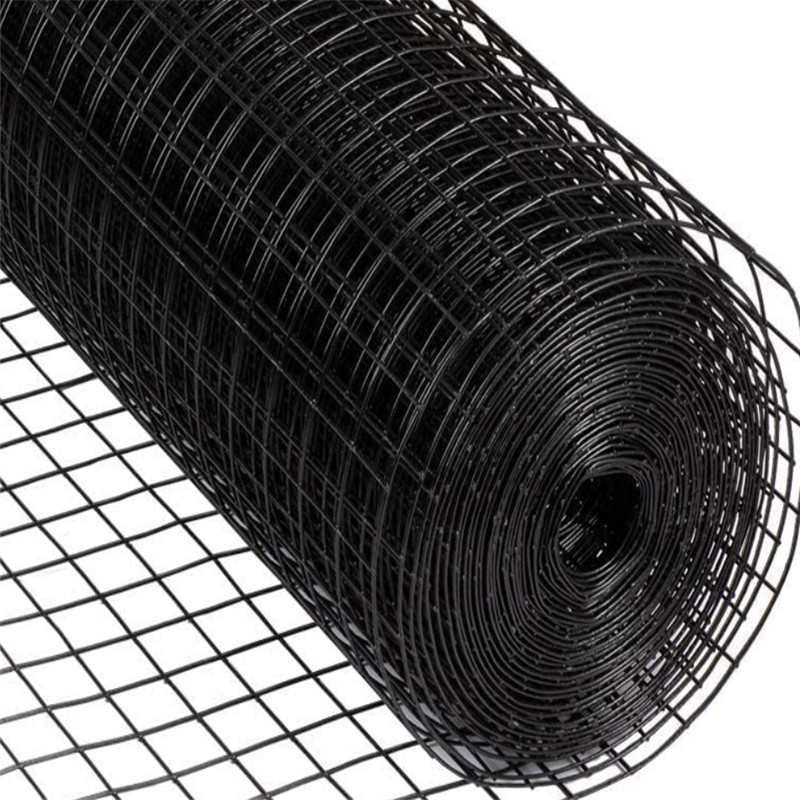
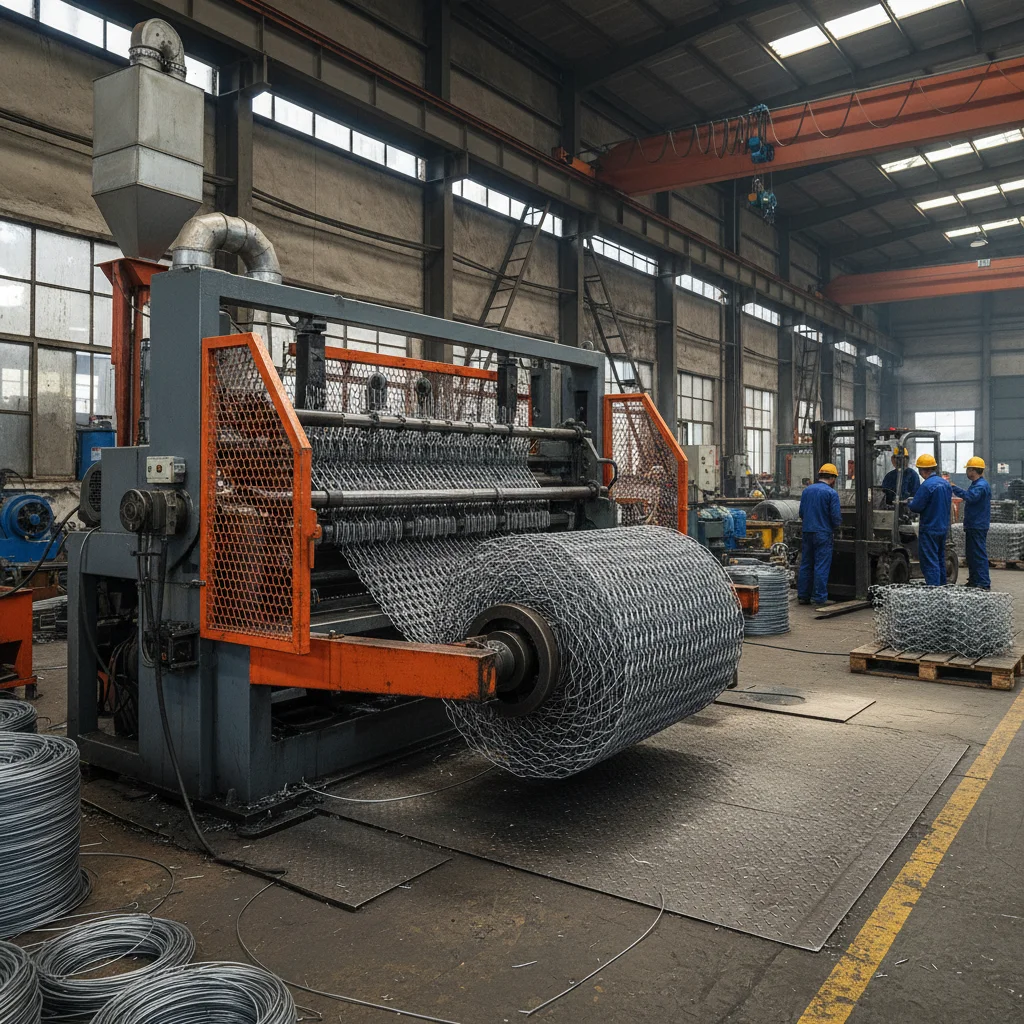
In essence, gabion wire is a specialized type of wire mesh, typically woven from galvanized steel or stainless steel, designed to form cages or baskets — called gabions — which are then filled with stones or other materials. These baskets act like armored building blocks, combining flexibility with strength to absorb natural stresses such as water flow or earth movement.
Modern industry relies on gabion wire not only for civil engineering but also for humanitarian purposes—quick battlefield fortifications, erosion control during disaster relief, and sustainable landscaping solutions. It’s a practical tool in the toolbox for those juggling infrastructure resilience and environmental stewardship.
Core Components & Key Factors of Gabion Wire
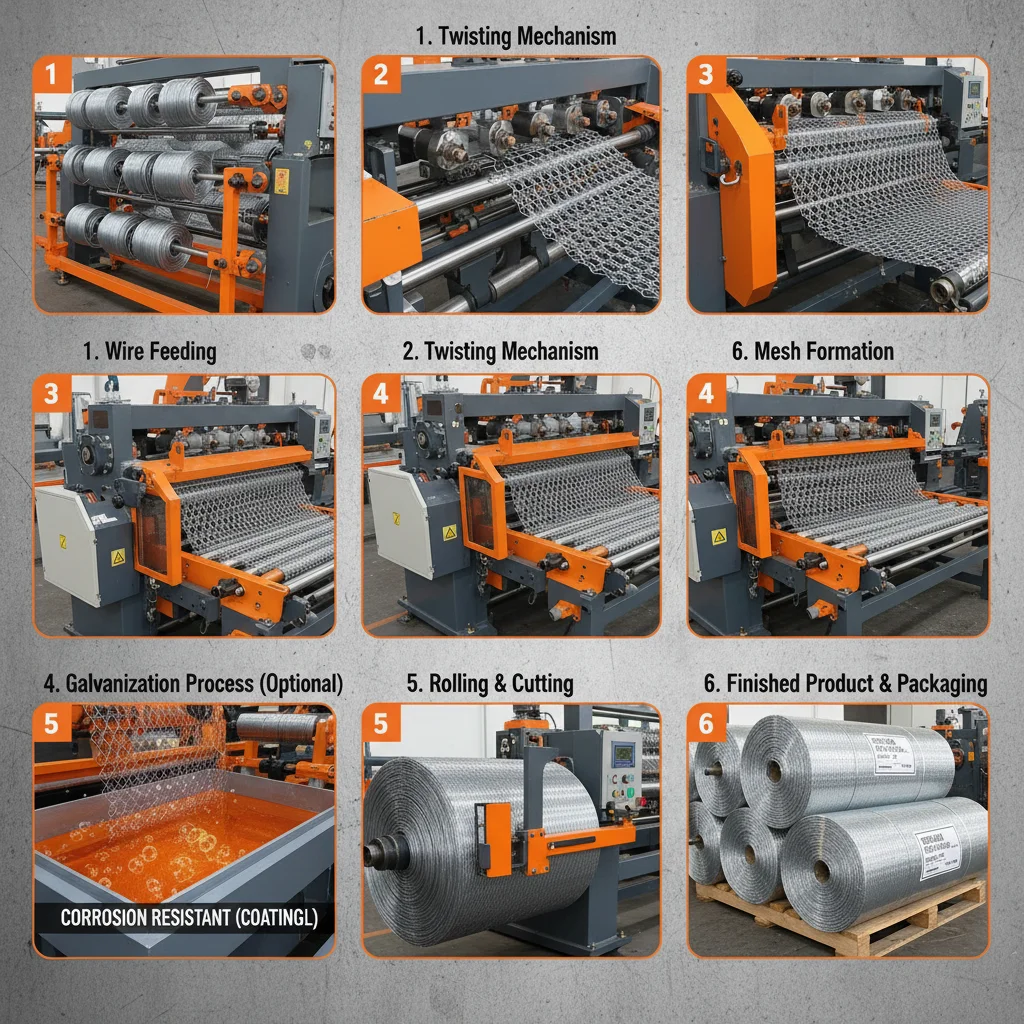
- Durability: High corrosion resistance is crucial, especially in wet or coastal environments. Galvanized coating or PVC-coated wires extend lifespan dramatically.
- Flexibility: Gabion wire must bend without breaking, accommodating earth shifts and water pressure without losing structural integrity.
- Mesh Size & Wire Gauge: These influence the size of fill materials and overall strength. Typical mesh sizes range between 50x80mm to 100x120mm.
- Cost Efficiency: Compared to concrete or masonry, gabions can be deployed faster and with fewer skilled labor requirements.
- Environmental Impact: A more eco-friendly choice, as gabions allow vegetation growth and breathable structures, unlike impermeable walls.
Mini takeaway: The unique combination of strength and flexibility baked into gabion wire’s design makes it ideal for resisting natural forces while supporting sustainable development.
Product Specifications of Typical Gabion Wire
| Specification |
Details |
| Material |
Galvanized Steel (Zn-coated) or PVC coated |
| Wire Diameter |
2.0 – 4.0 mm |
| Mesh Size |
50x80 mm to 100x120 mm |
| Coating Thickness |
60 – 280 g/m2 (for galvanization) |
| Standard Basket Sizes |
Length: 1m to 3m; width & height: 1m |
| Tensile Strength |
≥ 380 N/mm² |
Worldwide Applications & Use Cases
Gabion wire has truly global footprints. For example, in the Himalayas, it helps stabilize steep slopes prone to landslides, protecting villages and roadways. Down in sub-Saharan Africa, gabion basket walls are popular for fortifying irrigation canals and mitigating flood damage during rainy seasons.
Post-disaster relief operations rely on rapidly assembled gabion cages to rebuild defenses after cyclones or floods—often where transporting concrete isn’t feasible. In urban landscaping, gabions create natural-looking retaining walls that encourage greenery, enhancing city resilience and aesthetics.
Organizations like the United Nations Environment Programme (UNEP) recognize gabions as a low-impact solution contributing to sustainable land management and climate adaptation strategies. Industrial zones near rivers also use gabions to prevent erosion without expensive concrete barriers. Oddly enough, some military applications use gabion wire for temporary fortifications — all demonstrating versatility.
Gabion wire is more than just mesh; it is infrastructure that adapts, endures, and connects ecosystems and people.
Advantages & Long-Term Value
- Cost Savings: Less need for heavy machinery and faster assembly reduce upfront expenses and labor demands.
- Environmental Harmony: Allows natural water flow and plant growth, bolstering biodiversity.
- Resilience: Gabions can flex under pressure, preventing catastrophic wall failure—a key safety feature.
- Social Benefits: Community-built gabion projects foster local skill development and pride.
- Longevity: With proper quality wire and coatings, structures often last decades.
On an emotional level, gabions provide a sense of safety and continuity, standing firm where crisis threatens. Technically, they marry engineering with ecology—the best of both worlds.
Future Trends & Innovations
Looking ahead, gabion wire is adapting alongside green energy and automation trends. Manufacturers experiment with biodegradable coatings to reduce microplastic concerns, aligning with ISO environmental standards (ISO 14001). Digital tools now aid in optimizing wire mesh patterns for maximum durability with less material—cutting waste and carbon footprints.
The use of recycled steel in gabion wire production is gaining traction, combining circular economy principles with core functionality. Advanced robotics may soon speed up cage assembly, particularly for large infrastructure projects.
Common Challenges & Expert Solutions
One challenge is corrosion, especially in salty coastal environments or acidic soils. Experts often recommend thicker zinc coatings or specialized PVC layers as effective countermeasures. Another is potential damage during transport or assembly; modular designs and pre-fabricated panels help reduce handling risks.
Availability of quality gabion wire can be patchy in remote areas—luckily, local sourcing of materials and training local teams on fabrication have bridged this gap successfully in several projects.
| Vendor |
Material Quality |
Customization Options |
Pricing |
Global Delivery |
| HT Mesh Machines |
Premium galvanized & PVC coating |
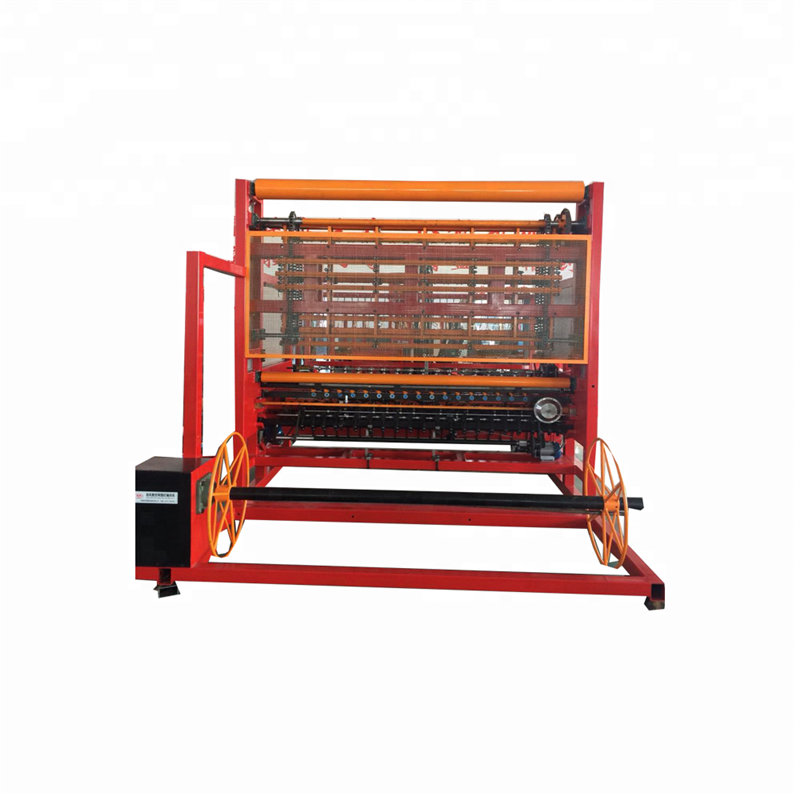
Custom mesh sizes & wire gauges |
Competitive, volume discounts |
Worldwide, reliable logistics |
| Global Wire Corp |
Standard galvanized steel |
Limited standard mesh sizes |
Mid-tier pricing |
Regional coverage |
| EcoMesh Solutions |
Recycled steel, eco coatings |
Custom eco-friendly options |
Premium pricing |
Limited to Europe & Asia |
FAQ: Frequently Asked Questions About Gabion Wire
What is the expected lifespan of gabion wire structures?
With high-quality galvanized or PVC-coated gabion wire, the structures can last 20-50 years, depending on environmental conditions. Coastal or acidic soil exposure can shorten this, but proper coating thickness significantly prolongs life.
Can gabion wire be customized for different project needs?
Absolutely. Wire diameter, mesh size, and coating types can all be tailored to your specific application—whether for heavy-load river embankments or lightweight landscaping designs.
Are gabion wire baskets eco-friendly?
Yes. Compared to concrete walls, gabions allow water permeation, reduce runoff, and encourage plant growth. Using recycled steel further improves their environmental profile.
How quickly can gabion wire structures be assembled on-site?
Pre-fabricated gabion baskets can be assembled rapidly—sometimes within hours for standard sizes—making them a prime choice for emergency response and temporary fortifications.
Where can I buy quality gabion wire with global delivery?
Vendors like HT Mesh Machines offer premium, customizable gabion wire products with reliable worldwide shipping and expert support.
Conclusion: Why Invest in Gabion Wire?
Gabion wire stands as a quiet, resilient champion in infrastructure resilience globally — durable, adaptable, and increasingly aligned with sustainability goals. From protecting vulnerable slopes to beautifying urban landscapes, it strikes a compelling balance between cost, ecological impact, and longevity.
If you want proven, customizable solutions that keep communities safe and projects green, it’s worth exploring the latest gabion wire offerings firsthand. Visit our website to learn more about how gabion wire can transform your next project.
Oddly enough, it’s the simple things in engineering—like a wire mesh basket—that often make the biggest difference.
References:
- Gabion - Wikipedia
- World Bank Disaster Risk Management
- ISO 14001 Environmental Management