Gabion Mesh: Essential Insights into a Global Engineering Solution
Gabion mesh is more than just rugged wire mesh filled with stones; it's a cornerstone in modern civil engineering, landscape architecture, and even humanitarian projects worldwide. Understanding this simple yet remarkably effective technology offers insights into durability, cost-efficiency, and sustainability—attributes highly prized as infrastructure development faces pressures from climate change, urbanization, and disaster resilience efforts globally.
Introduction: The Global Context of Gabion Mesh
Infrastructure challenges are mounting across continents—flood defenses need strengthening, riverbanks require stabilization, and erosion control has become vital especially in developing regions. According to the United Nations, more than 1.2 billion people live in areas of high climate risk, fueling demand for adaptable engineering solutions. Gabion mesh fits this bill perfectly: it's affordable, versatile, and relatively easy to deploy even in remote locations.
But why gabion mesh specifically? Well, traditional concrete or steel retaining walls often become prohibitively expensive or logistically challenging in such contexts. Gabion mesh offers a unique combination of strength and permeability, allowing natural drainage while resisting hydraulic pressure. This balance makes it a vital tool worldwide—from the Alps to the Amazon basin.
What Is Gabion Mesh?
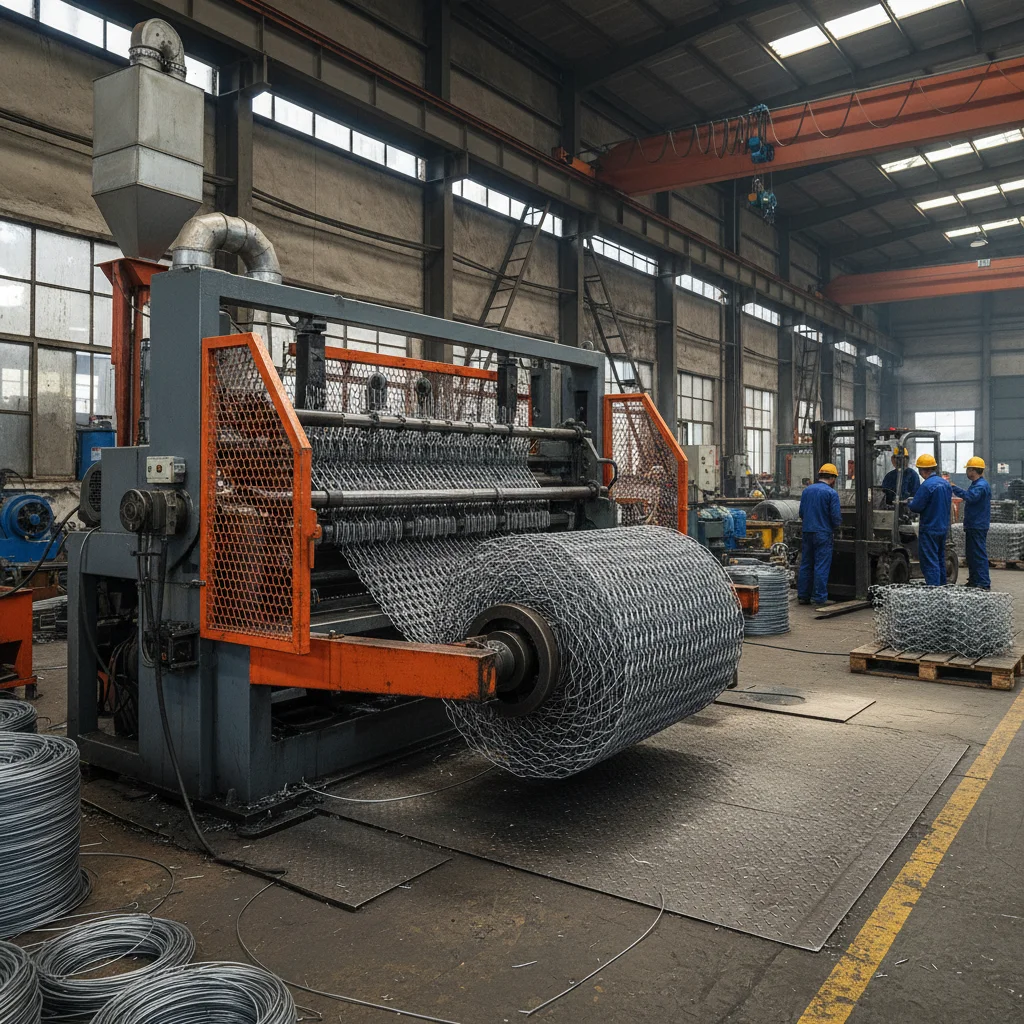
Simply put, gabion mesh is a woven-wire cage or basket designed to be filled with hard stones or other durable materials. These “cages” act as retaining walls, erosion barriers, or structural fill. Over time, they can even encourage vegetation growth, integrating seamlessly into the environment. This rather simple technology has seen renewed interest thanks to sustainable building trends and the need for resilient infrastructure in the face of climate unpredictability.
Key Characteristics of Gabion Mesh
1. Durability
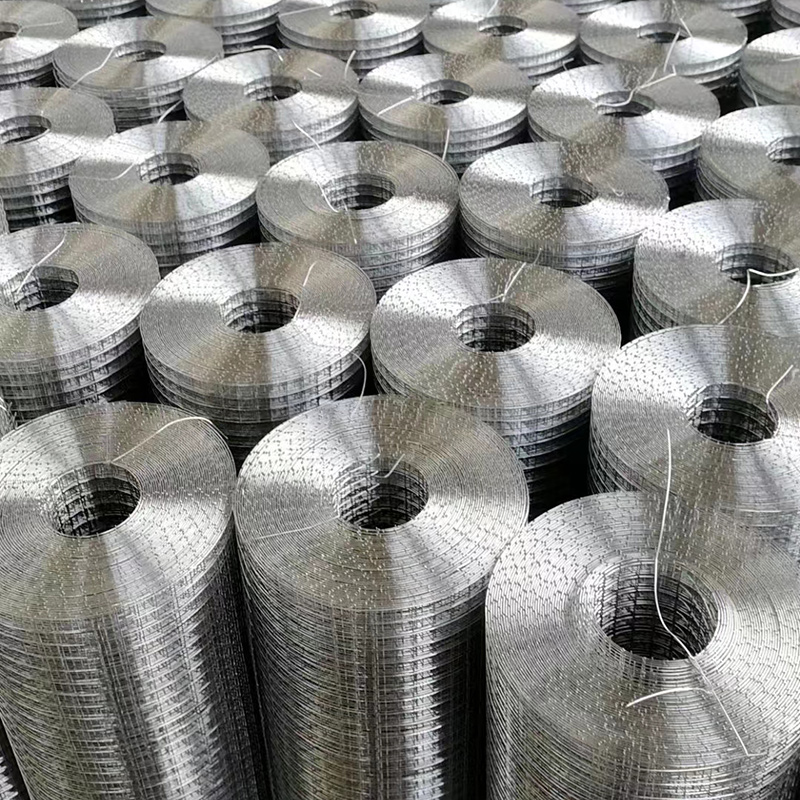
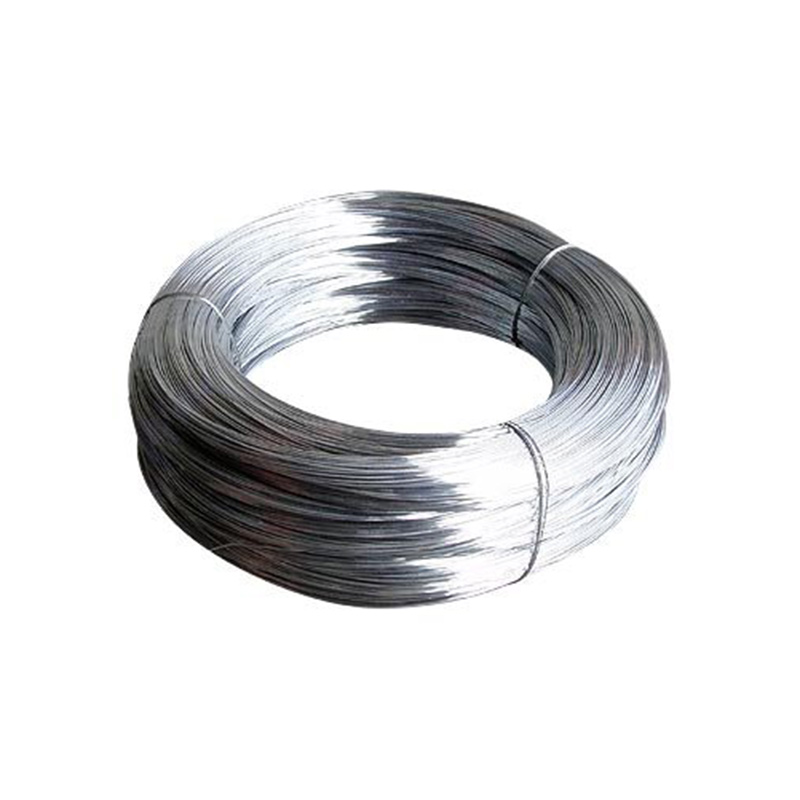
Gabion mesh typically uses galvanized or PVC-coated steel wire, making it highly resistant to corrosion and mechanical wear. This coating is crucial for extending lifespan, especially in marine or wetland environments where rust could otherwise undermine structural integrity.
2. Scalability
One of the best features is how modular gabion mesh is. Though traditionally assembled on-site, pre-fabricated sections are more common today, allowing projects of any size—from small garden walls to massive flood control structures spanning kilometers.
3. Cost Efficiency
Compared to poured concrete or masonry, gabion mesh systems save time and money. They require less specialized labor and can often use locally sourced stone, reducing transport costs and carbon footprint.
4. Environmental Compatibility
Beyond mechanical benefits, gabions facilitate water percolation and root penetration, which help control erosion naturally and encourage local wildlife. They’re kind of a green alternative, creating sustainable ecosystems over time.
5. Flexibility in Design
The mesh can be shaped to follow natural land contours or engineered slopes, accommodating uneven terrains or complex reclamation projects—quite handy in mountainous or flood-prone zones.
Global Applications of Gabion Mesh
The uses stretch across sectors and continents. For example:
- Post-Disaster Relief: NGOs deploy gabions quickly to rebuild river embankments and prevent further damage from floods.
- Hydropower and Industrial Projects: In remote zones like the Himalayas or Amazon rainforest, gabions stabilize foundations where heavy machinery access is limited.
- Road and Railway Construction: Worldwide, gabion baskets line slopes and embankments to prevent landslides and erosion.
- Urban Landscaping: From retaining walls to noise barriers, cities utilize gabions for both functionality and aesthetics.
In all cases, the integration of gabion mesh supports sustainable development goals by combining economic, social, and environmental factors.
Advantages & Long-Term Value of Gabion Mesh
The benefits are clear:
- Cost Savings: Low upfront and maintenance costs make gabions attractive to governments and private contractors alike.
- Sustainability: Encouraging natural vegetation growth and reducing concrete usage helps lower carbon footprints.
- Reliability: Gabion walls flex under stress rather than cracking, yielding better seismic performance in earthquake-prone regions.
- Social Impact: Fast installation means quicker community recovery after disasters, restoring safety and dignity.
Frankly, this combination of tangible and intangible benefits means gabion mesh structures often outlast more expensive alternatives simply because they suit the local context better.
Product Specification Table for Gabion Mesh
| Specification |
Details |
| Material |
Galvanized steel wire, PVC Coated |
| Wire Diameter |
2.0–4.0 mm (varies by application) |
| Mesh Size |
50 mm × 50 mm typical |
| Panel Size |
1 m × 1 m up to 3 m × 2 m |
| Filling Material |
Local rock, stones, recycled concrete |
| Lifespan |
30–50 years (depending on coating & environment) |
Comparing Top Gabion Mesh Vendors
| Vendor |
Material Quality |
Customization |
Delivery Speed |
Environmental Standards |
| HT Mesh Machines |
High tensile galvanized steel with PVC option |
Custom sizes and mesh apertures available |
Within 4 weeks globally |
ISO 14001 certified production |
| SteelTech Inc. |
Standard galvanized steel |
Limited sizes |
6+ weeks |
Meets minimum environmental requirements |
| EcoBarrier Solutions |
Specialty coated wire for marine applications |
Custom designs available |
5 weeks |
High environmental compliance |
Future Trends & Innovations
Looking ahead, the gabion mesh industry is embracing smart materials and digital tools. For instance, some companies are experimenting with biodegradable coatings to further reduce environmental impact. Others use drone surveys to optimize site placement or automate installation to reduce labor costs.
Green energy projects also intersect with gabions, as retaining structures often support hydroelectric dams, which are critical for sustainable power worldwide. There's talk of integrating sensors in gabion structures to monitor stability in real-time, potentially preventing failures before they happen.
Challenges & Solutions
Not everything’s perfect, of course. Gabion mesh can pose problems if the filling material isn’t selected carefully; poorly graded stones may shift, leading to structural compromise. Also, some critics argue aesthetics can be a downside in urban settings, though modern design approaches often blend natural and industrial looks quite well.
Innovations such as using recycled synthetic fillers or combining gabions with geotextile membranes help counter these challenges. Plus, quality certifications and rigorous testing—such as ISO 9001 standards for manufacturing—ensure reliability.
FAQs About Gabion Mesh
- Q: How long does gabion mesh typically last in harsh environments?
A: With proper galvanization and PVC coating, gabion mesh can last 30 to 50 years even in aggressive conditions like saltwater exposure or heavy rains.
- Q: Are gabion mesh walls easy to repair if damaged?
A: Yes. Their modular nature allows replacing or refilling specific sections without dismantling entire structures, simplifying maintenance.
- Q: Can gabion mesh designs be customized for specific projects?
A: Absolutely. Vendors like gabion mesh suppliers often offer custom mesh sizes and panel dimensions to suit project needs.
- Q: What types of stones are best for filling gabions?
A: Hard, angular, and well-graded stones like granite or basalt are preferred because they interlock firmly, providing stability and drainage.
- Q: How environmentally friendly are gabion mesh structures?
A: They are quite eco-friendly. Gabions reduce concrete use, allow water flow, and promote vegetation growth, contributing positively to ecosystems.
Conclusion & Call to Action
In real terms, gabion mesh presents a compelling case for anyone involved in infrastructure, landscape, or humanitarian engineering. Its unique blend of durability, adaptability, and sustainability positions it as an enduring solution for modern challenges. If you’re looking for reliable, customizable options, be sure to explore trusted suppliers like gabion mesh vendors who combine quality with innovation.
Visit our website: https://www.htmeshmachines.com to learn more.
Oddly enough, sometimes the best solutions are the simplest—gabion mesh proving that every so often, old-school engineering meets modern needs effortlessly.
References
- Wikipedia: Gabion
- United Nations Climate Change
- ISO 14001 Environmental Management