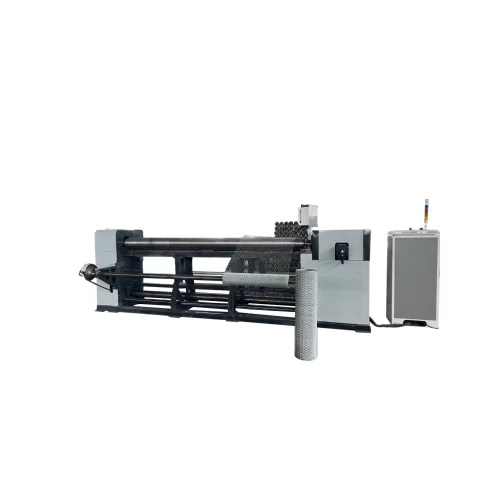
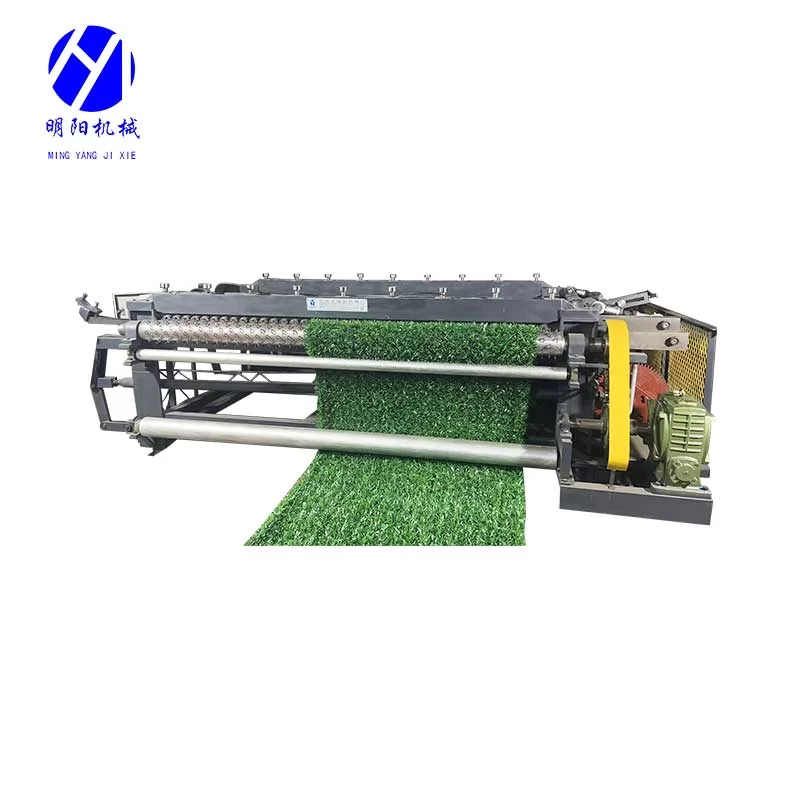
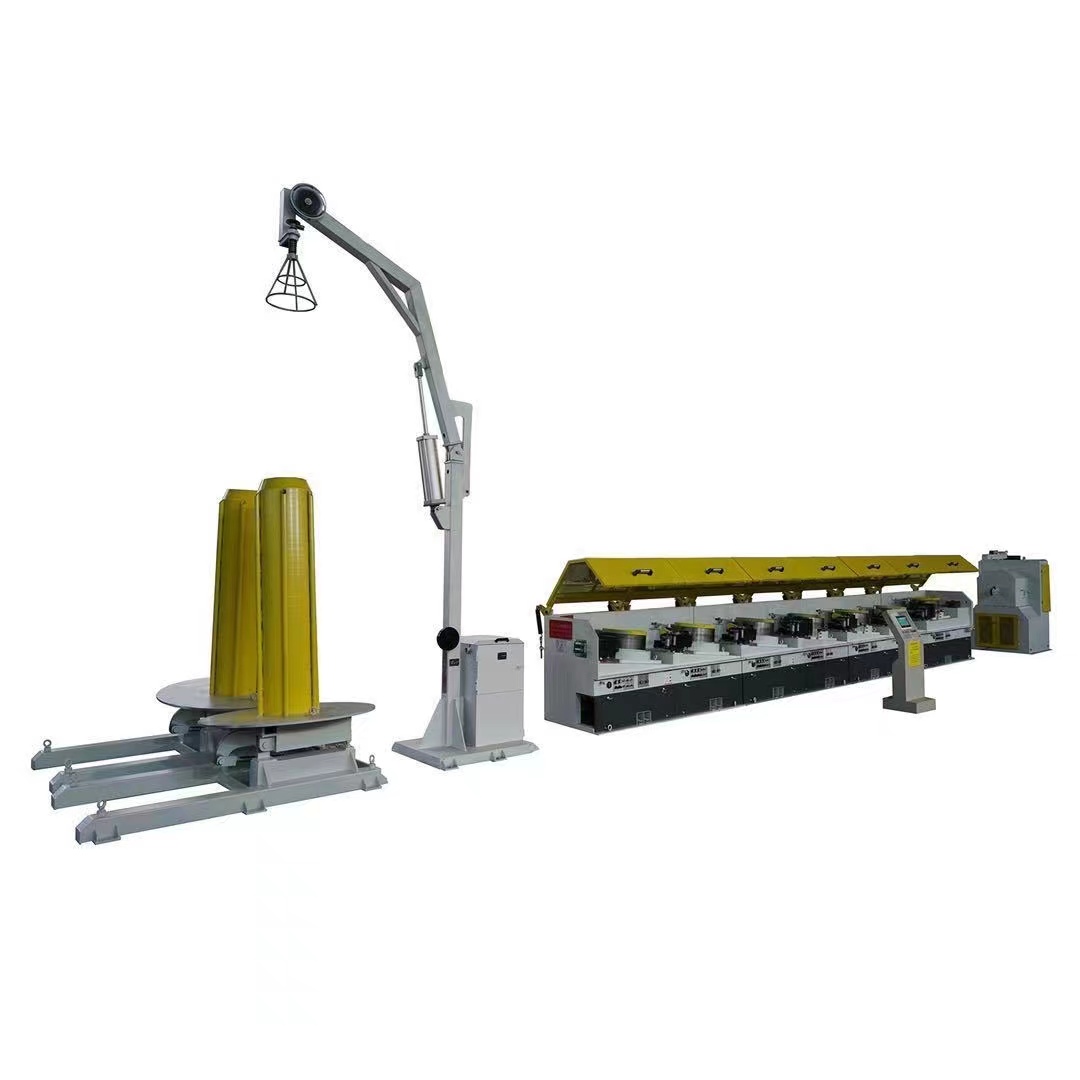
Understanding Gabion Wire Mesh: Durable, Versatile, Essential
Having spent a good chunk of my career navigating the industrial equipment sector, I can say gabion wire mesh is one of those quietly essential products. You might not think about it much while strolling along a river bank or a hillside, but these wire mesh cages filled with rock have saved more slopes and reinforced more structures than most of us realize. Frankly, gabions are like the unsung heroes of civil engineering projects — tough, reliable, and surprisingly adaptable.
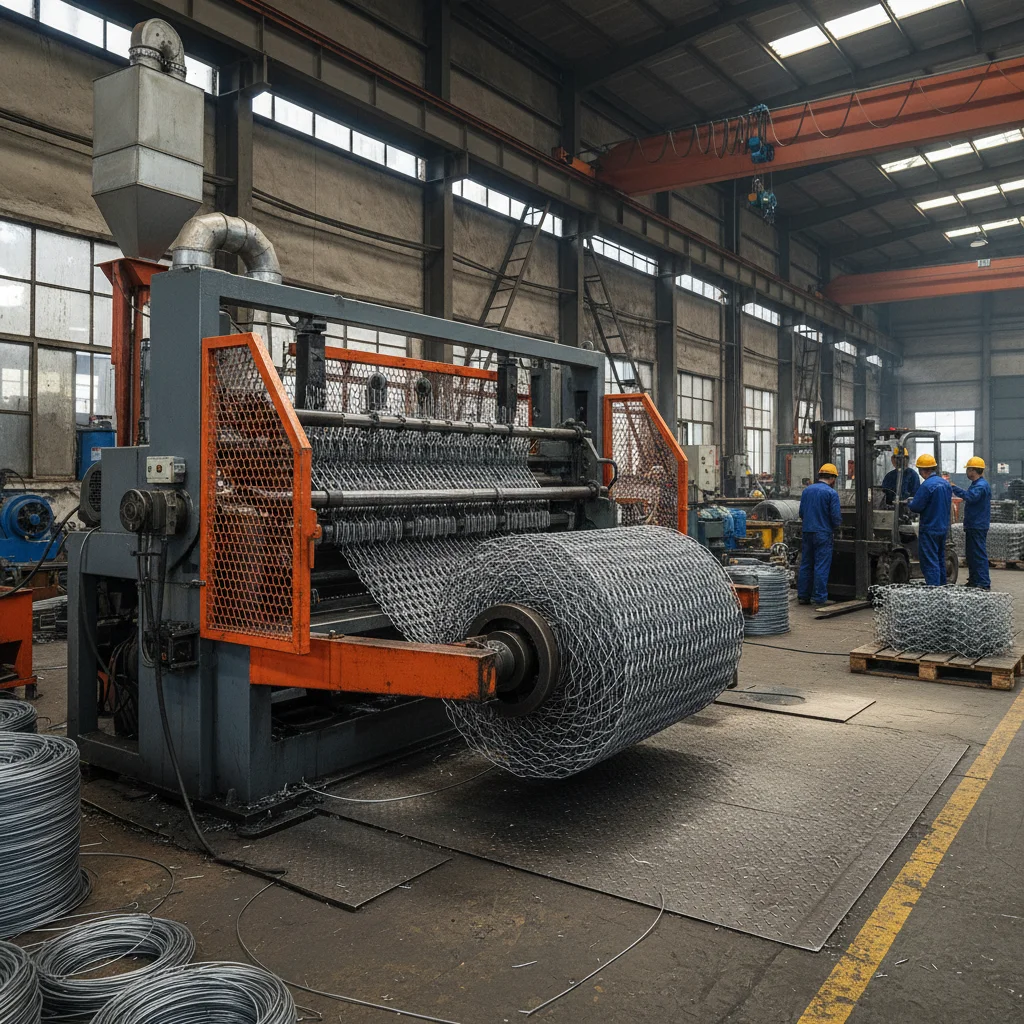
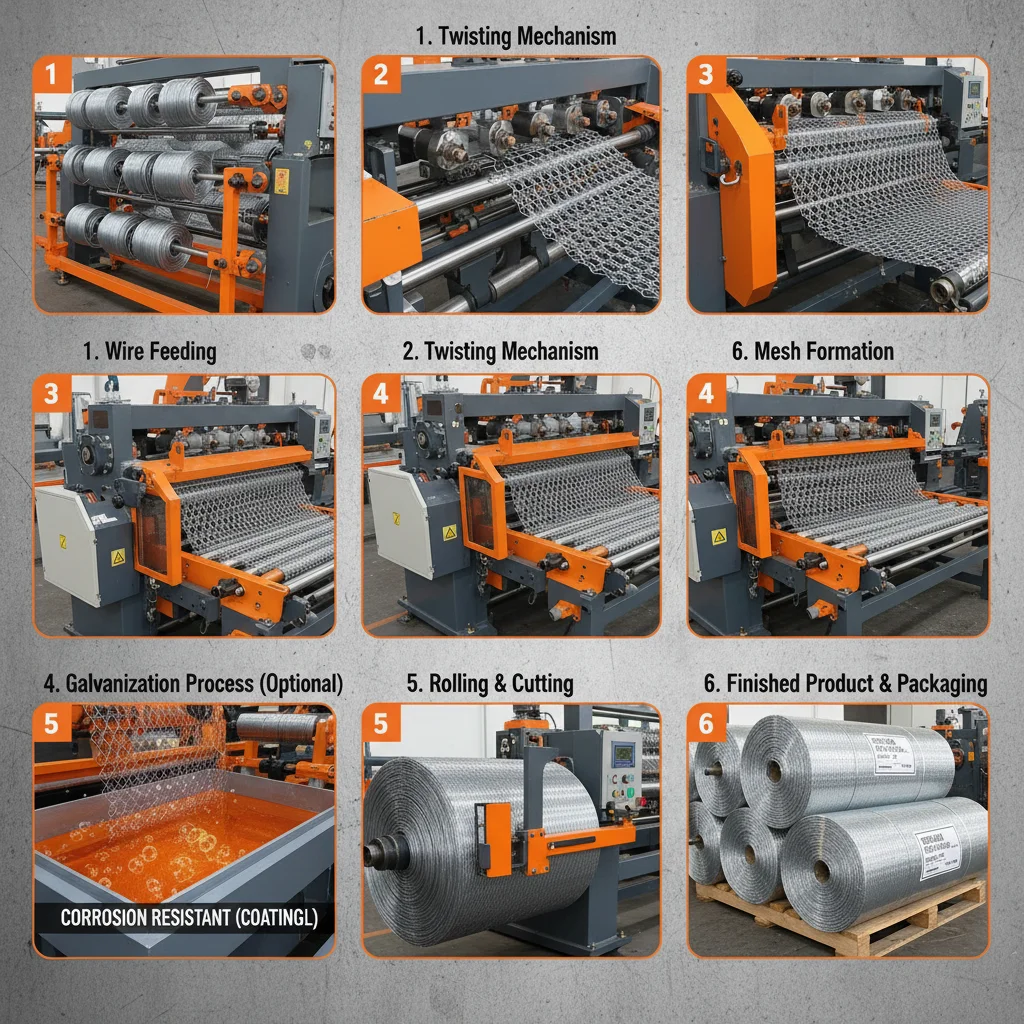
Now, if you’re wondering what goes into making a solid gabion wire mesh, the materials are key. Typically, these mesh panels use galvanized steel wire, sometimes coated with PVC for extra weather resistance. The wire diameter and mesh size determine both strength and flexibility. I remember working with specs where the balance between rigidity and adaptability was crucial — too rigid and the structure could crack under shifting earth, too pliable and it wouldn’t hold its rock fill securely.
Gabion wire mesh manufacturers usually ensure their products undergo rigorous testing—tensile strength, corrosion resistance, and UV stability, especially if PVC coated. It always felt like a small but vital reassurance; after all, when you’re reinforcing riverbanks or highway embankments, failure simply isn’t an option.
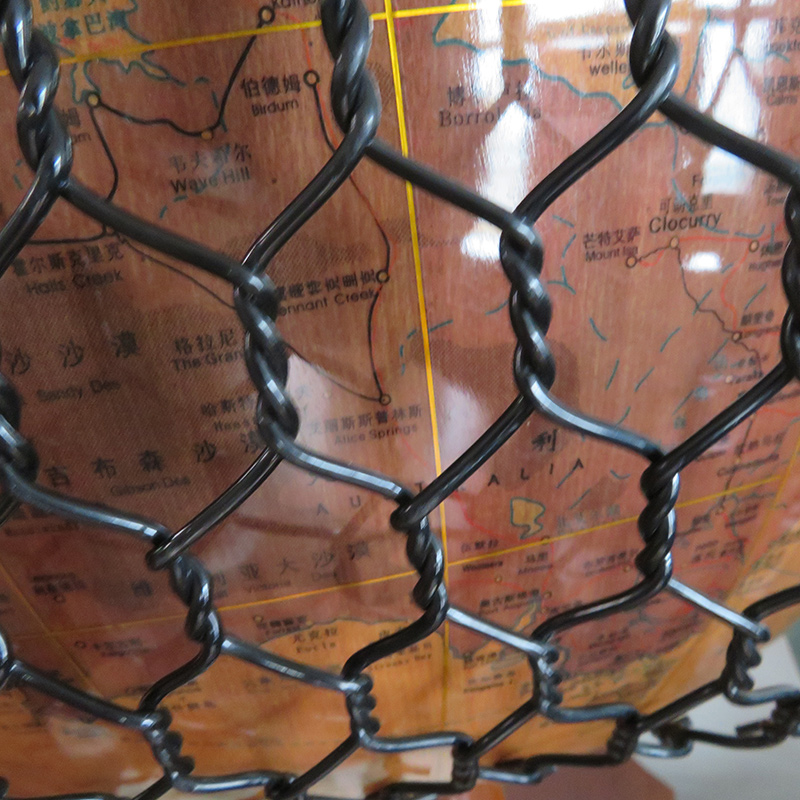
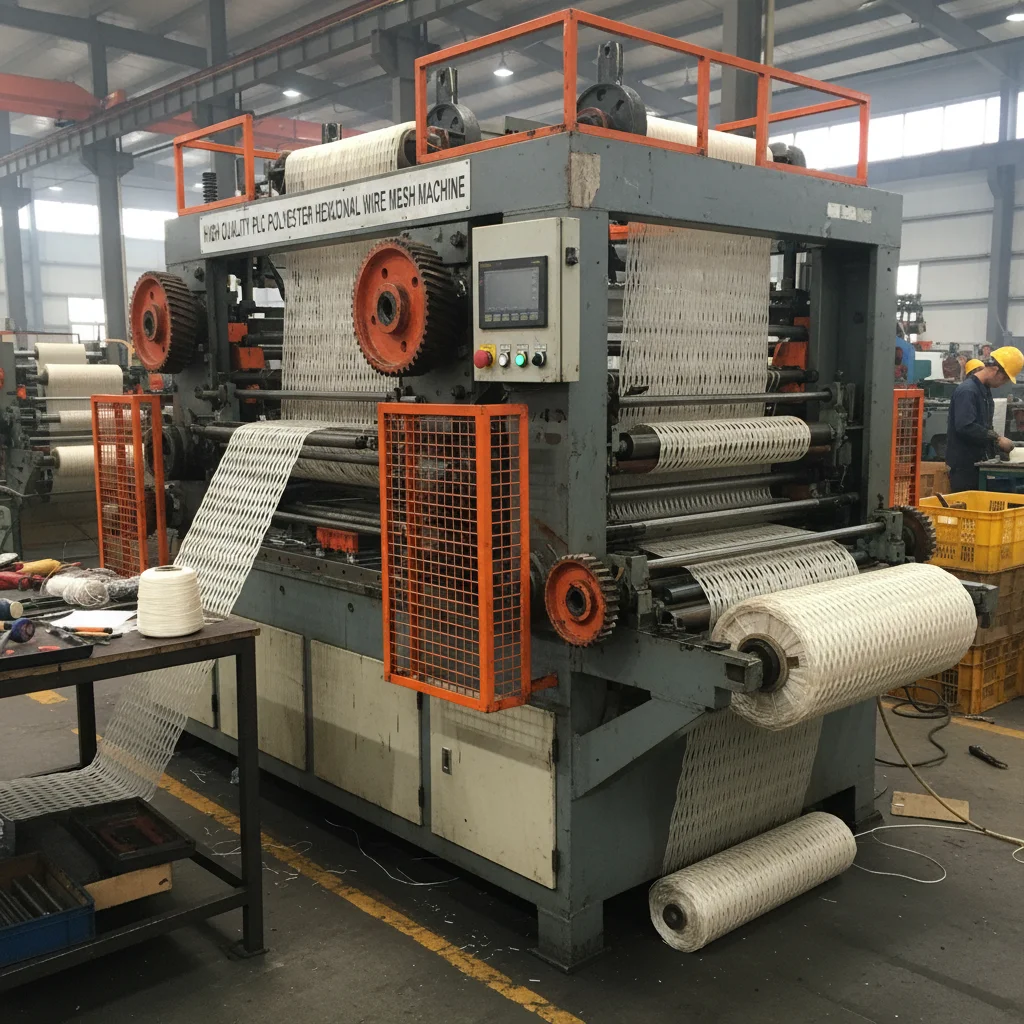
Around the office, we often debated customization options. It’s fascinating how gabion cages can be tailored by mesh size, wire thickness, and even shape. Some clients prefer rectangular mesh for standard retaining walls, whereas others want hexagonal mesh for more irregular, natural aesthetics in landscape design. I once had a customer from a mountainous region describe how customizing the mesh size actually saved them money in material costs, by optimizing the amount of rock needed.
In real terms, gabion wire mesh installation isn’t overly complicated, but attention to detail matters. Fixing panels securely with the right barb spirals or fasteners to prevent unraveling, and ensuring even rock distribution within the cage can make all the difference in long-term durability. As I’ve seen in field inspections, poor installation usually shows up within the first year — so it pays to be meticulous.
Typical Gabion Wire Mesh Product Specifications
| Specification |
Details |
| Material |
Galvanized Steel Wire / PVC Coated Option |
| Wire Diameter |
2.0mm to 4.0mm |
| Mesh Size |
50mm x 80mm Generally (Hexagonal) |
| Coating Thickness |
45-70 microns (Galvanization) |
| Standard Size Panels |
2m x 1m (Length x Height) |
Comparing Leading Gabion Wire Mesh Vendors
| Vendor |
Material Quality |
Customization Options |
Lead Time |
Price Range |
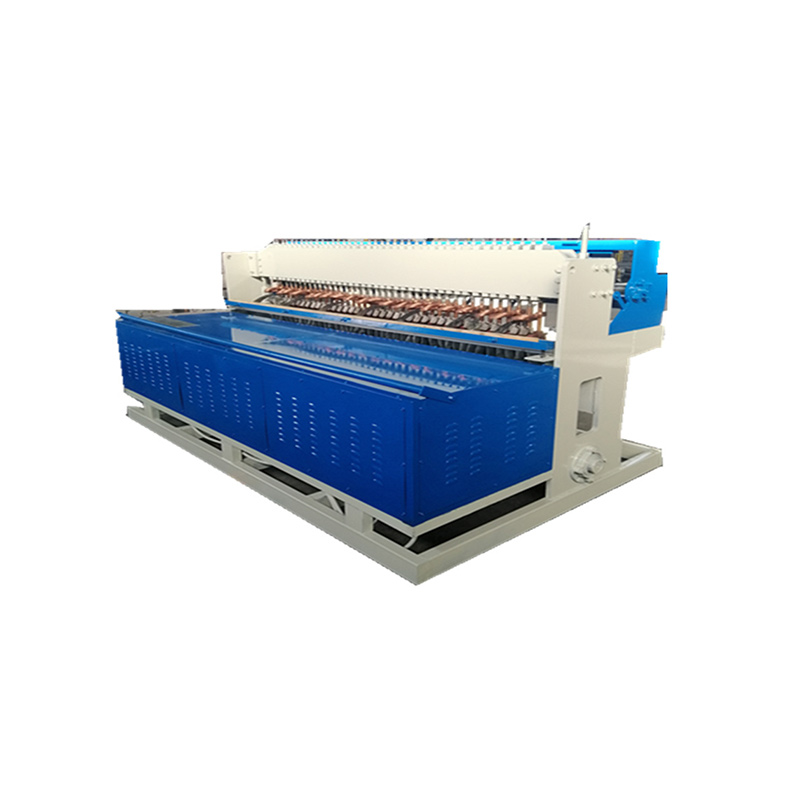
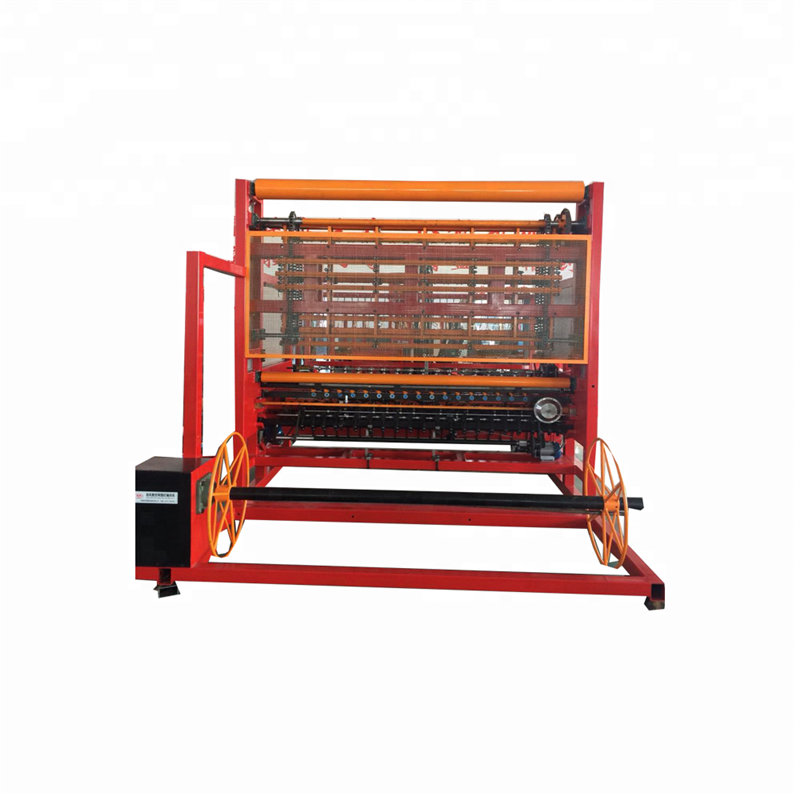
| HT Mesh Machines |
High-grade galvanized & PVC |
Fully customizable thickness & mesh size |
2-3 weeks |
Mid-range |
| WireCage Corp |
Galvanized steel, limited coating |
Standard sizes only |
4-5 weeks |
Budget-friendly |
| SteelMesh Solutions |
Premium galvanized with zinc/aluminum mix |
Custom shapes & coatings available |
3-4 weeks |
High-end |
One memorable project involved a local municipality struggling with river erosion. They needed gabion cages that were tough yet flexible enough to handle seasonal floods. We ended up selecting wire mesh from HT Mesh Machines because their customization capabilities let us tweak the wire thickness just enough to withstand the water pressure while maintaining budget limits. Nearly two years on, the structure still looks solid and functional, which frankly, feels pretty satisfying.
As I’ve often noticed over the years, gabion wire mesh is deceptively simple—yet its impact on engineering projects is profound. If you’re looking into gabions for either large infrastructure or smaller landscaping tasks, focus on the specs and the vendor details just discussed. Above all, secure your mesh well, pick the right wire gauge for your needs, and you’ll have a structure that stands the test of time (and nature’s quirks) quite well.
In closing, odd as it sounds, gabion wire mesh is part of that industrial toolkit where stories and specs weave together — a solid blend of practical engineering and on-the-ground know-how. I suppose that’s why it’s still a go-to material after decades.
References:
1. Industry standards on galvanized wire coatings, ASTM A641
2. Case study notes from HT Mesh Machines, 2023
3. Personal field reports from embankment projects, 2015–2020