Hit enter to search or ESC to close
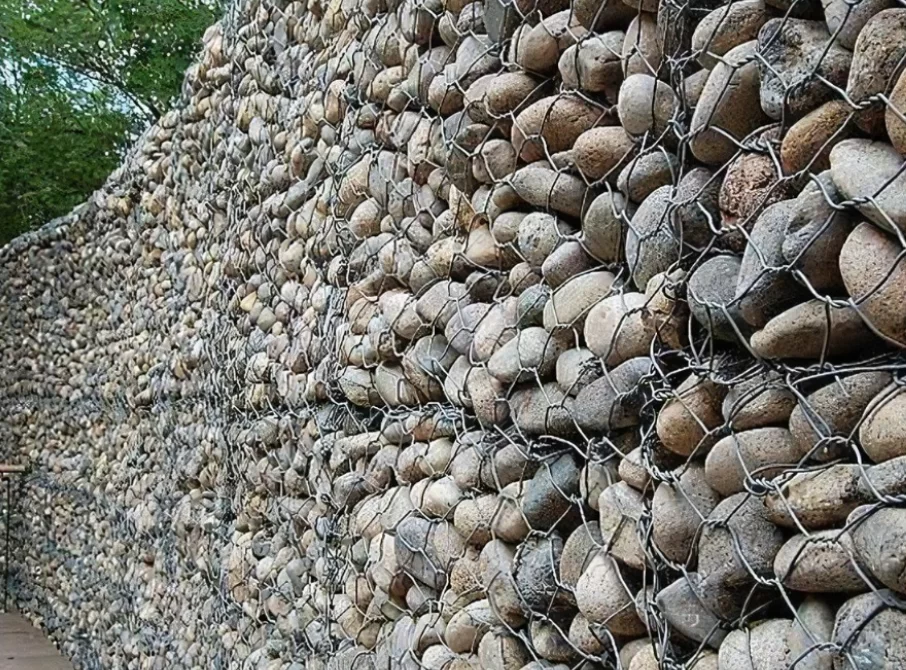
Gabion wire mesh is a highly versatile and reliable engineering material that has been widely adopted in civil engineering, water conservancy, and ecological construction projects. Composed of double-twisted hexagonal mesh panels filled with stones, gravel, or other natural materials, gabion structures combine both strength and flexibility. This unique combination allows them to withstand external forces while blending seamlessly with natural surroundings. As a result, gabion wire mesh has become an essential solution in flood control, slope stabilization, foundation reinforcement, and ecological landscaping.
1. Water Conservancy and Flood Control
One of the most important applications of gabion wire mesh is in water conservancy projects. Floods and riverbank erosion present constant challenges to infrastructure and human settlements. Gabion structures provide a practical, durable, and cost-effective way to manage these issues.
Riverbank protection: By placing gabion baskets along riverbanks, engineers prevent soil erosion caused by fast-flowing water. The heavy stone-filled baskets absorb hydraulic energy and protect embankments from collapse.
Flood diversion channels: Gabion walls and mattresses can be constructed to redirect water flow, minimizing flood damage to urban and agricultural areas.
Dam and reservoir reinforcement: In large-scale water conservancy projects, gabions are used to reinforce dams and stabilize reservoir embankments, ensuring long-term safety and stability.
Unlike rigid concrete structures, gabion walls are permeable, which allows water to drain naturally. This reduces water pressure behind retaining structures and prevents sudden collapse during flooding events.
2. Slope Support and Soil Stabilization
Gabion wire mesh plays a crucial role in geotechnical engineering, especially in slope protection and soil stabilization projects. Natural slopes and man-made embankments are often vulnerable to landslides, erosion, and rockfalls. Gabion systems provide an effective solution by combining stability with natural integration.
Road and railway embankments: Gabion retaining walls are used to support highways, railways, and other infrastructure built on unstable ground.
Erosion control on hillsides: By covering slopes with gabion mattresses or structures, engineers reduce soil loss caused by rainwater and surface runoff.
Rockfall protection: Gabion mesh is effective in restraining loose rocks on steep slopes, reducing risks to vehicles, pedestrians, and nearby communities.
Compared to conventional retaining walls, gabion walls are more flexible, allowing them to settle and adjust under pressure without cracking. This adaptability ensures long-term reliability even in areas with frequent seismic activity or unstable geological conditions.
3. Ecological Landscape and Environmental Engineering
Beyond their engineering function, gabion wire mesh structures are also widely used in ecological landscaping and environmental restoration projects. Their natural appearance and permeability make them ideal for projects where aesthetics and sustainability are equally important.
Green riverbanks and lakeshores: When filled with natural stones and combined with vegetation, gabion walls integrate seamlessly into surrounding landscapes. Plant roots grow within the gaps of gabions, enhancing biodiversity and creating habitats for small animals and aquatic life.
Park and garden design: Landscape architects use gabion structures as decorative walls, benches, planters, or fencing. Their modular design and natural look make them a popular choice in modern garden architecture.
Ecological restoration: In environmentally sensitive areas, gabions are used to restore degraded ecosystems by stabilizing soil and providing a foundation for vegetation growth.
This combination of structural function and ecological benefits demonstrates why gabion wire mesh is considered an eco-friendly engineering solution.
4. Foundation Protection and Infrastructure Support
Foundation protection is another critical area where gabion wire mesh excels. Infrastructure such as bridges, highways, and pipelines often faces challenges from erosion, water currents, or unstable soil conditions.
Bridge abutment protection: Gabion mattresses placed around bridge piers and abutments prevent scouring caused by water flow.
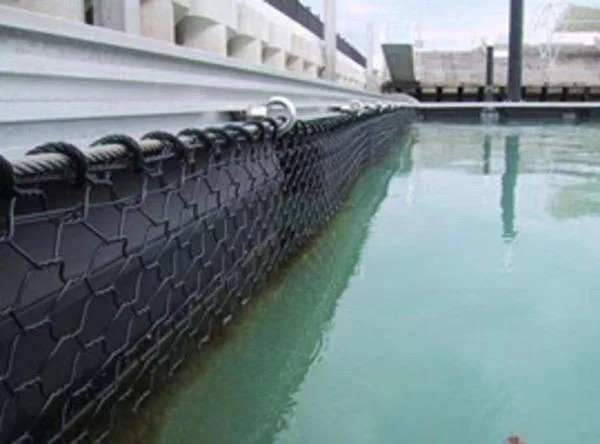
Seashore and harbor engineering: Coastal areas face constant wave impact and tidal forces. Gabion seawalls provide effective shoreline protection while maintaining permeability.
Pipeline and foundation stabilization: In regions with soft soil, gabion systems are installed to distribute loads and protect underground pipelines or foundations from shifting.
These applications ensure that critical infrastructure remains stable, safe, and durable over time.
5. Advantages of Gabion Wire Mesh
The growing adoption of gabion wire mesh across industries can be attributed to its distinct advantages over traditional construction materials:
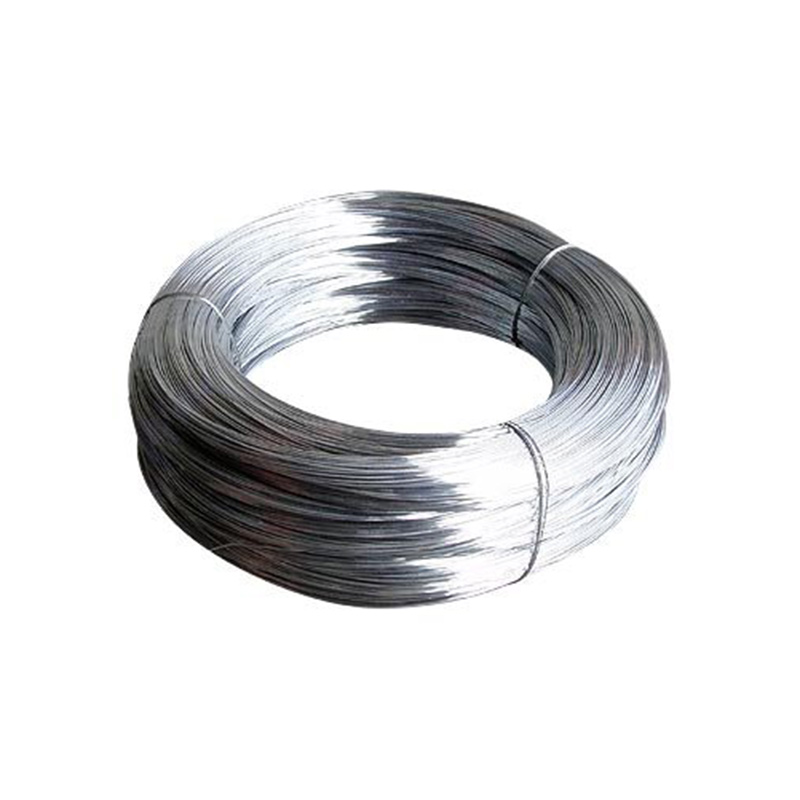
High durability: Made from galvanized or PVC-coated wire, gabions resist corrosion and maintain long service life even in harsh environments.
Flexibility: Unlike rigid concrete walls, gabions can absorb ground movements and adapt to soil settlement without losing integrity.
Permeability: Their open structure allows water to pass through, preventing hydrostatic pressure buildup.
Eco-friendliness: Gabions use natural stone infill and support vegetation growth, promoting ecological balance.
Cost-effectiveness: They are relatively easy to install, require minimal maintenance, and utilize locally available materials for filling.
These advantages make gabion wire mesh a preferred choice in both large-scale engineering projects and small ecological landscaping designs.
Gabion wire mesh has proven to be an indispensable material in modern civil engineering and environmental projects. From riverbank reinforcement and flood control to slope stabilization, ecological landscaping, and foundation protection, its applications span across multiple industries. The unique combination of strength, flexibility, permeability, and environmental harmony sets gabion wire mesh apart from conventional construction materials.
As urban development and environmental protection continue to grow in importance, gabion systems will play an even greater role in achieving sustainable infrastructure and resilient ecological environments. Their ability to combine functionality with natural aesthetics makes them not only an engineering solution but also a key contributor to ecological balance and long-term environmental protection.