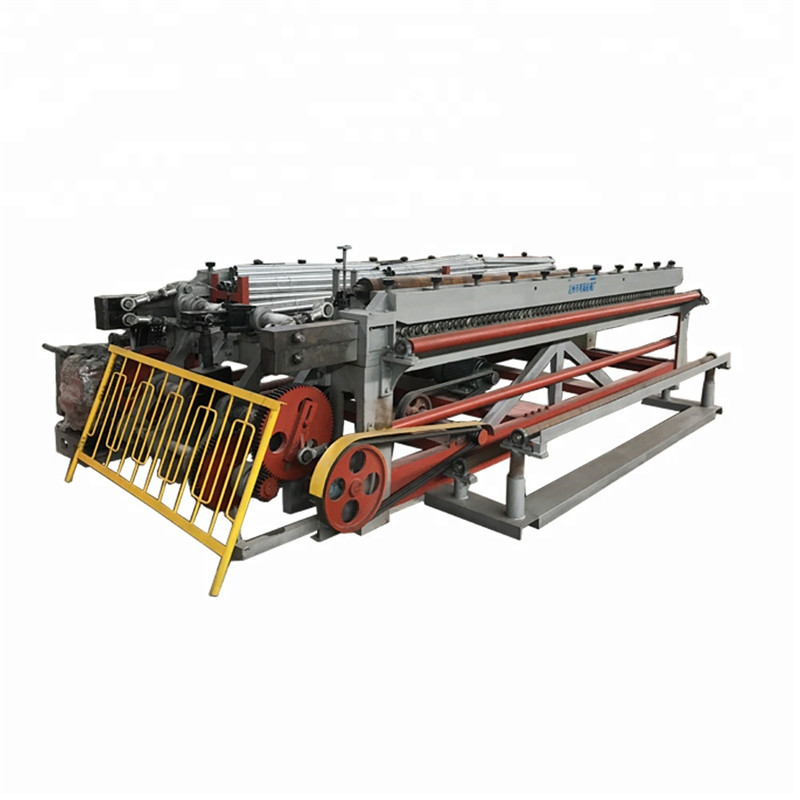
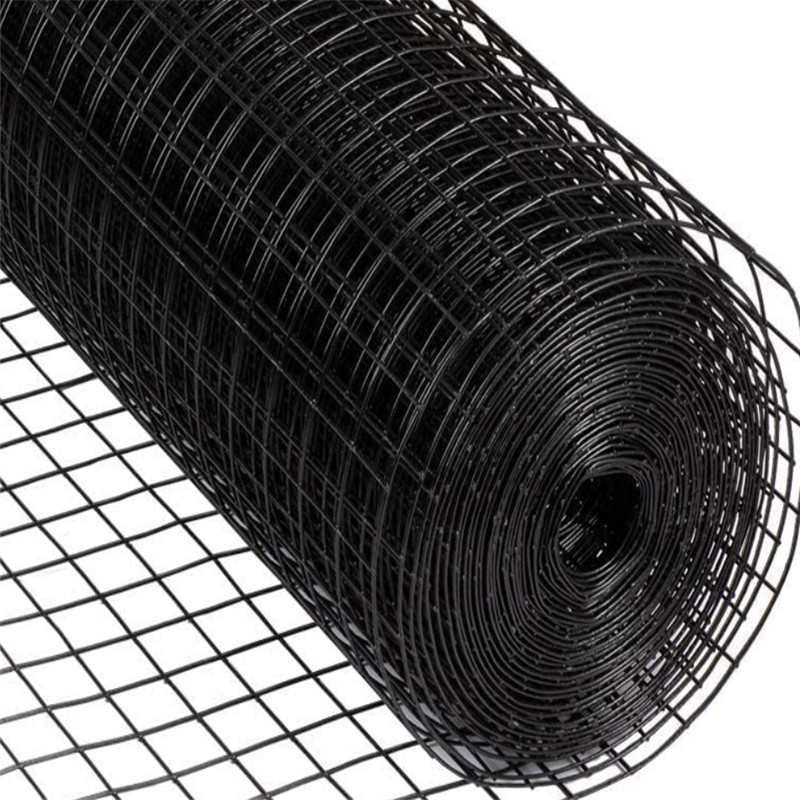
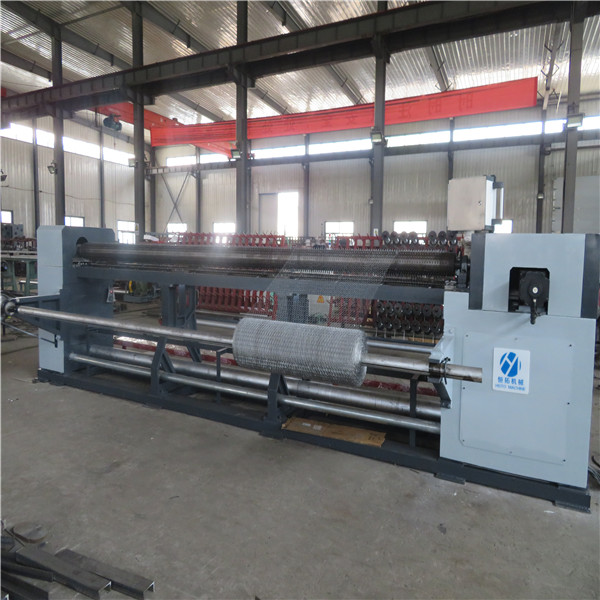
Types Of Building Nails is a key solution in the construction and manufacturing industries, specifically within sectors that demand durable, reliable fastening solutions. This article explores how https://www.htmeshmachines.com supports professionals with durable, high-performance products, and explains why this product is an ideal choice for businesses in these sectors.
Table of Contents
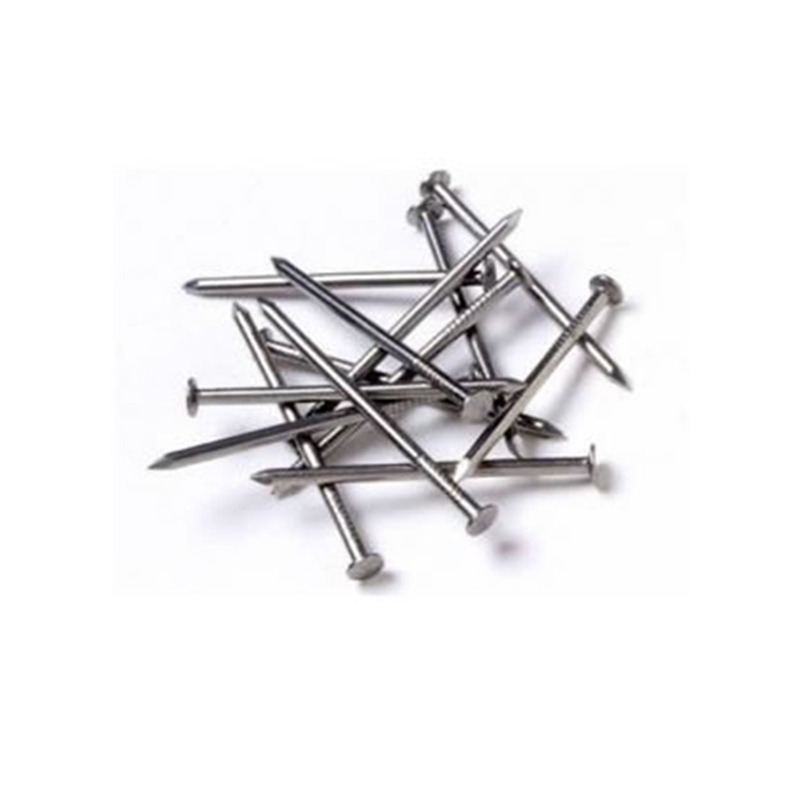
Simply put, Types Of Building Nails are the small but mighty heroes in construction that hold everything together — from framing walls to roofing. Their relevance cannot be overstated in structural integrity and project longevity. Oddly enough, the variety of nails available really reflects the specialized demands of each build. For instance, common nails serve general purposes, while casing nails provide a finer finish for cabinetry.
Technically, building nails vary in material composition (steel, stainless steel, galvanized), lengths, diameters, and head types (flat, round, clipped). For example, a popular choice includes galvanized common nails measuring 3.5 inches long with #8 gauge. A case study from a midwestern construction firm showed that switching to stainless steel nails for outdoor projects reduced rust-related failures by more than 40%, improving maintenance cycles considerably. The production specs below showcase the breadth of options available catering to diverse project needs.
| Nail Type |
Material |
Length |
Diameter (Gauge) |
Typical Use |
| Common Nail |
Galvanized Steel |
1.5" - 4" |
8-16 |
Framing, general construction |
| Finishing Nail |
Stainless Steel |
1" - 2.5" |
15-18 |
Trim, molding, window casings |
| Roofing Nail |
Copper, Galvanized Steel |
1" - 2" |
11-14 |
Shingles, roofing felt |
In practice, the different types of building nails meet unique demands across industries. For example, construction companies rely heavily on common and finishing nails for framing and interior finishing respectively. Meanwhile, roofing nails with their broader heads and corrosion resistance are essential in harsh weather environments. What really sets nails sourced from HT Mesh Machines apart is the precision manufacturing ensuring consistent nail straightness, head integrity, and steel strength. Frankly, this saves time and reduces defective fixings on-site—something many contractors appreciate deeply.
Competitive advantages also include variety in coatings (galvanization, epoxy), which improve longevity especially in outdoor or moisture-prone environments. To put it plainly, these nails perform reliably, supporting overall structural soundness while lowering risk of rust or loosening over time.
Cost, Maintenance & User Experience
From a cost perspective, using the right type of nail can dramatically affect total ownership expenses. Cheaper nails often fall short with premature rust or pull-out, which leads to costly rework. Investing slightly more upfront on premium nails from HT Mesh Machines tends to pay off with durability and reduced maintenance cycles. I've noticed many engineers mention how these nails help keep projects on track, minimizing downtime.
User feedback also highlights ease of use—smooth shanks for fast driving combined with optimized head design prevent damage to wood surfaces. Practically, the ROI comes not just from the product itself but the overall workflow improvements and fewer callbacks.
| Vendor |
Product Range |
Material Options |
Pricing |
Lead Time |
| HT Mesh Machines |
Wide (Common, Finishing, Roofing) |
Galvanized, Stainless, Copper |
Competitive |
2-4 weeks |
| Competitor A |
Limited |
Steel Only |
Lower |
1-3 weeks |
| Competitor B |
Moderate |
Galvanized Only |
Higher |
3-5 weeks |
Sustainability & Market Trends
It's becoming increasingly clear that sustainability is reshaping the building materials market, nails included. Regulations pushing for corrosion resistance and longevity mean that manufacturers must consider eco-friendly coatings or recyclable materials. HT Mesh Machines has been attentive to this and introduced nails with zinc coatings that are less harmful while ensuring durability.
Market growth for specialty nails has been steady, driven by rising construction activity and demand for better performance products. Oddly enough, despite their small size, nails reflect a wider movement towards smarter, longer-lasting materials that align with industry environmental targets.
Frequently Asked Questions about Types Of Building Nails
- What is Types Of Building Nails and how does it work?
- Types Of Building Nails refer to the various nail kinds designed for specific building and construction purposes. They work by creating a mechanical bond between materials, primarily wood, providing structural strength and stability.
- What are the main benefits of using Types Of Building Nails in industrial applications?
- Key benefits include enhanced durability, corrosion resistance, and optimal fastening strength, which collectively reduce maintenance costs and improve the lifespan of constructions.
- How does Types Of Building Nails compare to traditional alternatives?
- Compared to traditional nails, newer building nails offer better materials technology, specialized coatings, and greater design precision, making them more reliable in demanding environments.
- What industries can benefit most from Types Of Building Nails implementation?
- Industries such as residential and commercial construction, roofing, cabinetry, and furniture manufacturing benefit significantly by utilizing specialized building nails tailored to their specific fastening needs.
Conclusion on Types Of Building Nails from china
So, in real terms, picking the right Types Of Building Nails is more than just a minor choice — it impacts durability, performance, and overall project success. For business decision-makers, investing in high-quality nails means better ROI and smoother project execution. It’s well worth exploring the product range available at HT Mesh Machines to find the best fit for your specific needs.
Reflecting on the craftsmanship behind these simple yet vital components reminds me just how every detail counts in construction. Even the smallest nail carries the weight of a structure’s future.