Hit enter to search or ESC to close
25 November 2025
At first glance, a steel wire drawing machine might seem like an obscure piece of industrial equipment, tucked away in factories or workshops. But this machine is an unsung hero of modern manufacturing that quietly powers countless industries worldwide. From the electrical cables crisscrossing cities to the steel reinforcements that hold bridges steady, the wire drawing machine is critical to producing strong, precise wires that form the backbone of infrastructure, construction, and tech.
Understanding how this machine works and why it’s so central is more than just engineering jargon. It’s about realizing how crucial efficiency and quality in wire production impact global economies, innovation in green tech, and even humanitarian efforts. Plus, knowing the ins and outs of these machines can help industries stay competitive and sustainable in an ever-demanding market.
Globally, steel production has grown steadily over the last decades, with an estimated 1.8 billion metric tons produced in 2023 alone (World Steel Association). Within this vast number, wire drawing machines are responsible for converting thick steel coils into fine wires essential for everything from construction cables to high-tech applications.
Urbanization and infrastructure development in Asia-Pacific and Africa have driven an unprecedented demand for durable steel wires. According to the United Nations Industrial Development Organization (UNIDO), the construction industry alone consumes nearly 40% of the world’s steel wire products.
Yet, the industry faces challenges—energy costs, environmental regulations, and the push for higher efficiency. That’s where modern steel wire drawing machines come in, offering a blend of speed, precision, and sustainability to keep pace with global demands.
Mini takeaway: The steel wire drawing machine is more than a factory tool; it’s a cornerstone for global infrastructure and emerging economies, addressing growing demand while facing sustainability pressures.
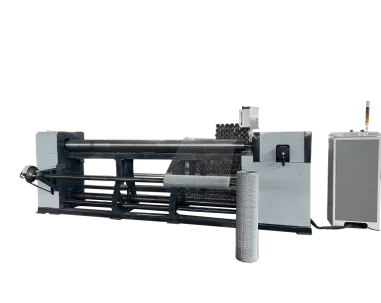
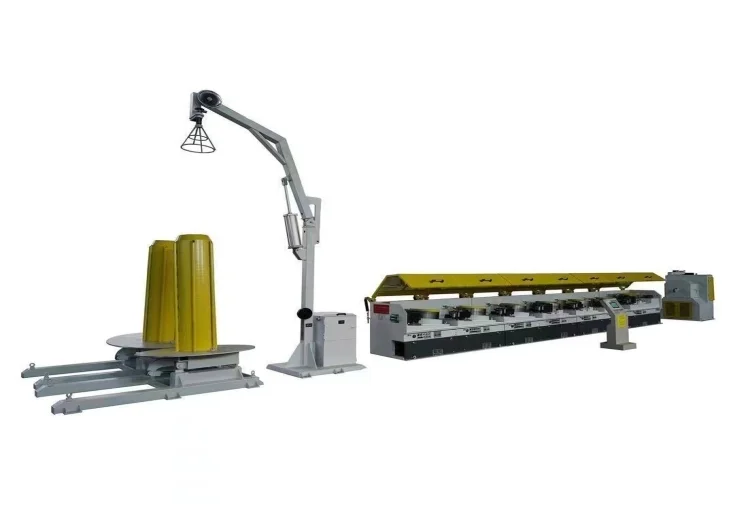
Simply put, a steel wire drawing machine pulls thick steel rods or rods made of other metals through progressively smaller dies to reduce their diameter and increase length. Think of it like stretching a piece of taffy, but with exact precision and on a massive industrial scale.
This process improves the tensile strength, surface finish, and flexibility of the wire. The machine consists of various core parts: drawing dies, capstans or drums that pull the wire, and lubrication systems for smooth operation.
Beyond industry, these machines play a quiet but vital role in humanitarian construction—as wire mesh reinforcement for shelters in disaster zones or electrical wiring for clean energy projects.
Mini takeaway: At its core, a steel wire drawing machine transforms raw steel rods into finely drawn wire through controlled stretching, improving strength and utility for diverse uses.
The machine must withstand high tensile forces and continuous operation. High-grade materials for dies and frames ensure long tool life and consistent output. Engineers often say that without durability, frequent stoppages for maintenance can hurt productivity—and no one likes downtime.
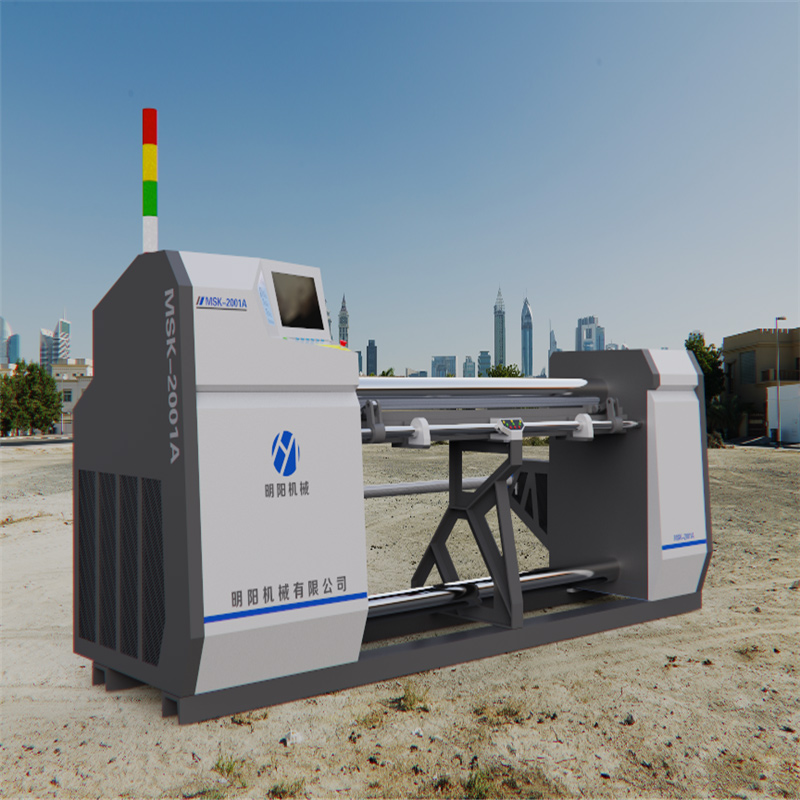
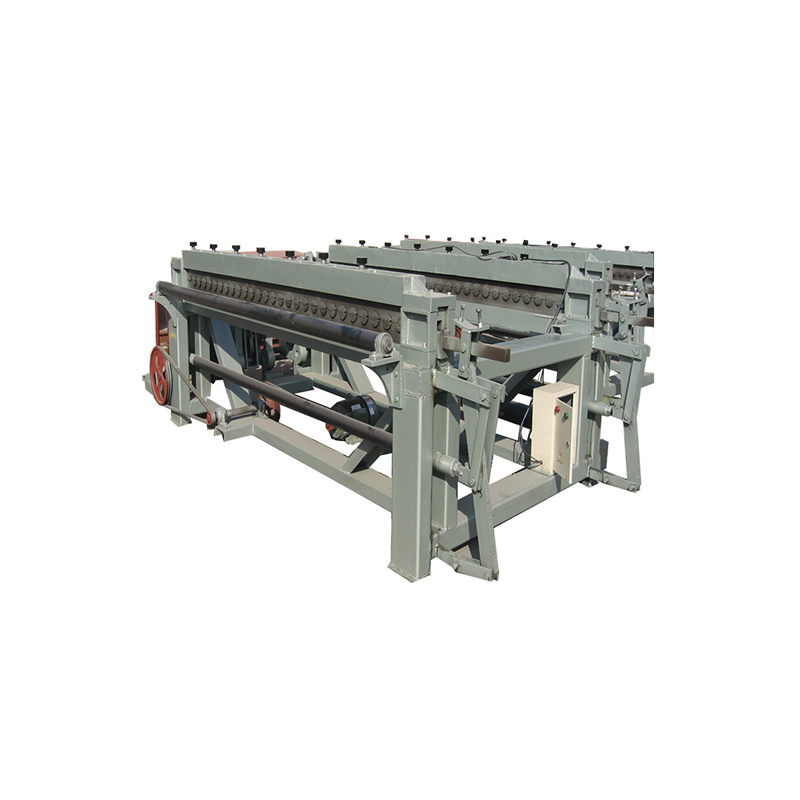
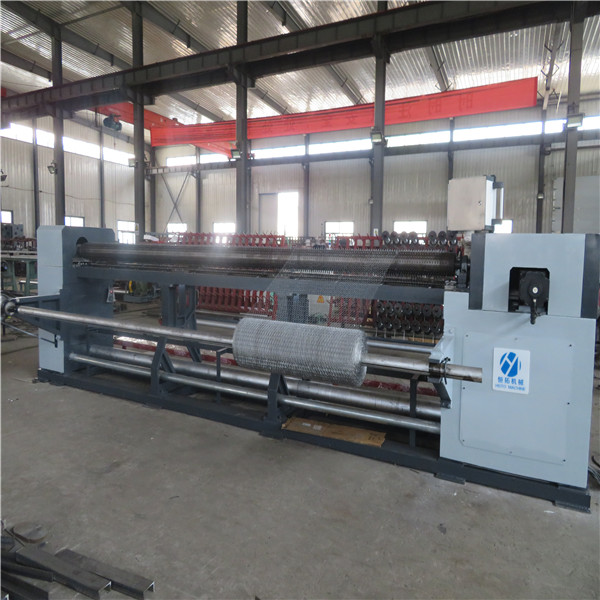
Modern machines range from small, bench-top units for specialty wires to large-scale automated lines capable of thousands of meters per minute. Scalability matters especially for manufacturers targeting both niche markets and mass production.
The quality of the drawing dies and lubrication system directly affects final wire diameter tolerance and surface smoothness. These, in turn, impact product performance in applications like cables and springs.
Steel wire drawing is energy intensive, so the latest machines focus on reducing power consumption. Features like regenerative braking and optimized motor systems yield significant savings and lower environmental impact.
The integration of IoT sensors and automated controls for tension and speed permits real-time quality monitoring and adjustments, sharply reducing waste and improving reliability.
Mini takeaway: When choosing a steel wire drawing machine, you’re looking for mechanical robustness, adjustable performance scales, fine tolerances, energy savings, and smart controls.
Whether in China’s booming construction sector or Germany’s precision automotive wire production, steel wire drawing machines adapt across vastly different environments.
· Construction: Producing reinforcing wire for concrete and fencing materials.
· Electrical Industry: Manufacturing wiring for power transmission and telecommunications.
· Automotive & Aerospace: Creating springs, cables, and specialized wires.
· Humanitarian Efforts: Rapid deployment shelters reinforced with steel mesh wire.
In regions recovering from natural disasters, rugged wire drawing machines help generate materials locally instead of costly imports. This combination of efficiency and adaptability makes the machines essential in multiple sectors.
Mini takeaway: From industrialized regions to disaster relief zones, steel wire drawing machines serve diverse sectors that rely on customized, strong, and dependable wire products.
Cost savings rank high—well-maintained machines minimize scrap wire and reduce labor. They also allow for on-demand production cutting down inventory needs, which feels like a big win for cash flow in smaller operations.
In terms of sustainability, newer machines consume less power and use eco-friendlier lubricants. Plus, stronger wire products extend infrastructure lifespans—lowering waste and resource consumption.
On a personal note, there’s a sense of pride for manufacturers delivering consistent, high-quality products trusted worldwide. Reliability means clients can count on your wire in critical projects—a foundation of trust that technology helps build.
Looking ahead, automation will only deepen—AI-assisted quality control can detect microscopic defects to virtually eliminate faulty batches. Also, there’s a visible push for using recycled steel wire feedstock, addressing circular economy goals.
Hybrid machines combining drawing and coating steps save space and steps, while better sensor tech enables remote diagnostics—a real game changer for facilities in remote areas.
Green energy factories powered by renewables are beginning to install these machines, cutting carbon footprints further. It’s not just the wires that get stronger—steel wire drawing machines themselves are evolving towards smarter, cleaner, and more connected systems.
Of course, it’s not all smooth sailing. Die wear and sudden breakage remain challenges impacting consistency. But advances in hardening coatings and predictive maintenance software are lengthening life spans.
Energy spikes during heavy drawing jobs can stress electrical grids, but flexible power management and energy storage solutions are reducing these strain points.
Finally, operator skill remains essential despite automation—it’s a classic “people plus machine” dynamic where human insight guides technology to perform best.
Q1: How do I choose the right steel wire drawing machine for my business?
A1: Consider your production volume, wire specifications, and budget. Look for machines offering scalability, energy efficiency, and good after-sales service. Visiting factory demos or consulting specialized vendors helps make an informed choice.
Q2: What maintenance is required to keep the machine running efficiently?
A2: Regular checks on dies, lubrication systems, and tension controls are essential. Scheduled downtime for inspections prevents unplanned breakdowns. Some modern machines provide alerts via digital monitoring platforms.
Q3: Can these machines draw wires from recycled steel?
A3: Yes, with proper feedstock preparation. Some machines are optimized to handle recycled material while maintaining surface quality and strength, aligning with sustainability goals.
Q4: How energy-intensive is the wire drawing process?
A4: It’s relatively energy intensive due to mechanical force requirements but advances in motor efficiency and regenerative braking have significantly cut power use. Energy costs can represent up to 30% of operational expenses.
Q5: Is automation expensive to integrate?
A5: Initial investments can be high, but automation reduces labor costs and scrap, improves quality, and speeds time to market, often paying off within a few years.
Specification | Standard Model X200 | Advanced Model Z500 |
Max Drawing Speed | 150 meters/minute | 300 meters/minute |
Wire Diameter Range | 0.5 – 6 mm | 0.2 – 10 mm |
Power Consumption | 15 kW | 22 kW (with regen braking) |
Automation Level | Semi-automatic | Full automatic with IoT sensors |
Approximate Cost | $120,000 | $250,000 |
Vendor | Price Range | Customization Options | Customer Support | Warranty |
SteelTech Industries | $100K – $200K | Standard to semi-custom | 24/7 hotline & on-site | 2 years |
PrimeWire Solutions | $150K – $300K | Fully customized setups | Dedicated account manager | 3 years |
HT Mesh Machines | $120K – $250K | Modular designs available | Online support & training sessions | 2 years |
Choosing the right steel wire drawing machine is about matching technical specs with your operation’s goals and logistics, so it pays to compare vendors carefully. Take your time, because once installed, the machine becomes the heartbeat of your wire production.
Steel wire drawing machines may not grab headlines, but they quietly enable everything from skyscrapers to smartphones. Their ability to combine power, precision, and efficiency meets the world’s ever-growing infrastructure and tech needs. Looking ahead, smarter, greener, and more automated wire drawing solutions promise to make industries more sustainable and resilient.
If you’re in the market for a reliable, advanced steel wire drawing machine, do check out HT Mesh Machines for modular, state-of-the-art options designed to fit a range of production needs.
In the end, it’s a mix of solid engineering and big-picture thinking that keeps the wires – and the world – connected.
00001. World Steel Association
00002. United Nations Industrial Development Organization (UNIDO)
00003. Wire drawing – Wikipedia